



 Română
  English (UK)
  Русский
  العربية
  日本語
日本語  한국어
한국어  Magyar
  Türkçe
  Español
  Čeština
  Svenska
  Português
  Ελληνικά
  Suomi
Suomi  Nederlands
  Italiano
  Français
  Polski
  Українська
  Deutsch
  简体中文
简体中文  Slovenčina

Begin with a direct transfer from the terminal at Luís Eduardo Magalhães International Airport to your hotel in Salvador. A convenient taxi or pre-booked transfer gets you to the town center within about an hour and drops you directly near the beaches you’ll want to explore.
If you’re watching costs, use the airport shuttle or a regional coach to the city area, then finish with a transfer to your hotel. Note the name of the operator and the fare so you avoid surprises at the entrance of your lodging.
From the Rodoviária de Salvador bus terminal, you can hop taxis or rideshares for the little last mile to your hotel; this final leg is usually quick, especially if you stay on a direct route to your neighborhood.
In Salvador, popular anchors like Barra, Pelourinho, and the beaches of Porto da Barra are easy to reach from the center by taxi or rideshare. If you want a taste of local culture, look for capoeira groups along the beach promenades in the evenings, a nice additional stop during your first day.
For a smooth start, check traffic patterns, ask for a fixed price in advance when using taxis, and keep your valuables secure. Use a reliable app for rides from the airport entrance and forget long wandering; a little planning saves time and makes your first day in salvadors more pleasant. This heading summarizes the main options for quick reference.
Airport to City Centre: Quick Rundown of Transport Options
Take a taxi or rideshare for the fastest, most convenient door-to-door transfer from SSA to the city centre. The ride typically takes 25–40 minutes, depending on the state of traffic and whether you travel during rush hours. For making the most of your visit, this straightforward option brings you to your destination quickly, close to your hotel, and with less stress than transfers between terminals.
From direct rides to buses, there are several ways to reach the centre.
Fast, convenient options

Taxi lines and app-based transport offer direct between airport and your hotel or apartment. Official white taxis stand curbside at arrivals, with a fixed-rate board that helps you estimate costs to central districts. Rideshare apps like Uber or 99 show real-time prices, so you can compare and choose the money-saving choice that fits your plan and the region you’re exploring. Using either option is simple, reliable, and keeps you on track, with much less time spent waiting in lines than public transport.
Hotel transfers are another clean choice. If your hotel can arrange a shuttle or private pickup, you’ll enjoy a guaranteed pickup window and avoid extra stops. This is particularly useful when you’re moving with luggage or arriving late in the day, and it can be a cost-effective option for a small group.
Budget-friendly choices
Public transport is the most economical way to reach the centre. City buses run from the airport to central points, with fares around R$4–6 and connections to key neighborhoods such as Comércio and Ribeira. It’s a simple option if you want to observe the colorful streets on the way and save money, though you’ll need to handle luggage and transfers yourself. This option is a good fit if you’re traveling light and want to see the city’s history and culture along the way, which can add to your adventure in the region.
For a balance between cost and ease, consider a pre-booked shared shuttle or a private transfer. These services offer a fixed price, predictable pickup, and shorter wait times, which helps with planning your day. If you’re staying in a suburban district or planning multiple stops within the region, this choice often brings much value and reduces the rush of coordinating public transport around your plans. In short, you can pick the option that aligns with your destination, budget, and style of travel.
Taxi and Ride-Hailing from SSA: Costs, Availability, and Tips
Use the official SSA taxi desk or a trusted ride-hailing app for a secure, quick start from the terminal.
Where to get rides from the airport
- Official taxis: head directly to the fixed-rate desk in the arrivals hall. Signs are clear, and you’ll see the set destinations and fares posted on the counter. This option keeps the transfer simple and avoids street hails.
- Ride-hailing apps: open Uber or 99 and set the pickup point at the SSA terminal area. Follow the app’s guidance to the designated curb; you’ll connect with a driver who is already booked and insured.
- Queues and wait times: morning and late-evening flights create the longest lines at the taxi desk, while app pickups usually wait 5–10 minutes at the curb unless a surge is active.
- Security: confirm the driver’s details in the app, never sit in a car without checking the plate and driver name, and wait in the designated pickup area rather than on busy streets.
Costs you can expect
- Official SSA taxis: fixed fares to main zones are posted at the desk. Typical trips to central areas and popular neighborhoods cost in the range of BRL 180–240, with longer routes toward the land and beach districts rising to roughly BRL 200–260.
- Ride-hailing apps: daytime UberX or similar services usually run BRL 40–70 for a short airport-to-city trip, while late at night the price can rise to BRL 60–100 or slightly more depending on traffic and demand.
- Base vs. distance: taxi meters start around a small flag rate, then per-kilometer charges apply. In practice, short hops within the city center stay modest, while longer hops toward the port (porto) or coastal areas (baía regions) cost more.
- Money matters: both options accept card or cash per local policy, but apps prefer digital payment, and official counters commonly accept cards. If you need to transfer to a bus terminal or another hub, a fixed-rate desk option keeps the price predictable.
Tips for a smoother ride from SSA
- Start with a clear destination: have the address or neighborhood ready (for example, Pelourinho, Ribeira, Pituba, or Itapuã) so the driver can navigate efficiently through the city streets.
- Compare before you commit: check the app’s fare estimate and the fixed desk fare to see which is lower for your route; this helps when you are deciding between transfers to the city or to a specific terminal area.
- Know the pickup area: go to the designated curb outside the terminal’s arrivals area; avoid any driver offering rides from unsanctioned spots.
- Ask about the route: some drivers prefer the fastest road; for longer trips, request a scenic or safer route if you have time to spare and want to see more of bahia’s land and streets.
- Preparation helps: share your ETA with someone back home or at your hotel via the app; if you’re traveling with kids or luggage, mention needs like a trunk space or car seat at the desk or in-app notes.
- Secure payment and receipts: get a ride summary in the app or a receipt from the desk; this makes it easy to track transfers and any future reimbursements.
Beyond direct transfers: other pickup options and connections
If you are heading toward a regional hub or planning multi-leg travel, look at your transfers in stages. From SSA you can connect to local buses or private shuttles that run to santos areas along the coast or to the capital’s main terminals. For longer hops, a taxi from the terminal to a bus station often saves time and avoids waiting in busy streets. Always verify whether your transfer is a single ride or part of a larger journey, and keep a few number-based options in mind to compare quickly.
What to expect during peak times
- Morning and late afternoon peaks can lengthen wait times at the desk or curb.
- Traffic around the landside streets can slow trips; plan extra time if you have a connection or need to reach a terminal transfer.
- Night rates tend to increase slightly; apps show real-time surge pricing, so compare with fixed desk fares when possible.
Looking for a safe, connected start? Start at SSA with a trusted taxi or ride-hailing option, choose the transfer that fits your needs, and you’ll reach Bahia’s city streets smoothly and securely.
Public Bus Routes: From Salvador Airport to Central Salvador
Start with the direct bus option from the airport to central Salvador for a quick, connected trip that keeps you inside the city’s rhythm. This route is good for most travellers who want to arrive on their destination without a long transfer.
-
Where to catch: outside the arrivals hall, follow the blue signs for public buses. Inside the terminal, staff can point you toward the single decker buses that head toward central Salvador. The luis on the signage helps confirm you’re in the right lane. Most services run daily from early morning to late evening, with a generally quick 15–20 minute headway during peak times.
-
Direct routes to central Salvador: the most common option travels from the airport toward Praça da Sé and Mercado Modelo, with stops that are well connected to the historic city center. If you arrive with light luggage, you’ll find the quick ride straightforward and comfortable for travellers who want to begin their Santo Antônio–style cultural experience right away.
-
Time and pace: expect around 60–90 minutes door-to-door, depending on hour and traffic. During rush hour, you’ll wait longer at some stops, but most buses will still arrive without lengthy delays. If you’re arriving after sundown, allow a little extra time for the final buses and safe arrival to your hotel in central Salvador.
-
Payments and tickets: you can pay with cash to the driver or use a transit card where available. Have small bills handy; some buses accept card payments, but the driver will appreciate exact amounts. If you’re an experienced traveller, you’ll notice that fares are affordable and the process is simple and direct.
Transfers as an option: if the direct option isn’t convenient, ride to a city hub like Rodoviária or a major interchange near the Barra area, then switch to a central Salvador route. This can be useful when you’re heading to a specific street or a boutique hotel in a narrow historic lane. In most cases, you’ll arrive youll quickly at a central point and can walk a short distance to your accommodation.
-
Practical tips for travellers: check the route board at the stop, confirm the final stop on the bus’s digital display, and listen for the driver announcing the next major stop. Most routes operate with clear signage in Portuguese, but friendly staff nearby can help if you say where you want to go. For first-time visitors, starting at Mercado Modelo or Praça da Sé makes a smooth transition to the city’s civic and cultural hubs.
-
Experience and culture: riding the public bus is a good inside look at how Salvador’s cities connect. You’ll see daily life, hear snippets of Bahian music, and notice the city’s warm, kind spirit in interaction with other passengers and the driver. It’s a straightforward way to arrive at a central point and then continue your project of exploring the city’s culture and cuisine.
-
Notes for different travellers: if you’ll be staying around Santo Antônio or Centro Histórico, you’ll find the bus network designed to bring you close to the main attractions. For longer stays, you’ll gain confidence navigating the system and will feel more connected to people you meet along the way. Youll find that the routes are designed to support both short hops and longer explorations across cities nearby.
-
Useful reminder: the airport’s public buses are a cost-effective option that fits many itineraries. If you start the ride around noon or in the evening, you’ll likely arrive without stress and with plenty of time to soak in Salvador’s culture before sunset. Experienced travellers know to plan a buffer hour for transfers, if any, and to keep essentials handy inside a bag you can reach without fuss.
Arrive at central Salvador with a calm pace, then continue your journey by foot or a short taxi ride to your hotel. This option suits most budgets and offers a genuine, good experience of Salvador’s daily life, whether you’re here for a short trip or a longer stay exploring the city’s diverse culture and neighborhoods.
AtoB Transfer Booking: How to Reserve Your Airport to City Centre Ride
Book your AtoB transfer at least 24 hours ahead to lock in a clear, fixed rate and a driver waiting with a name placard when you land. There is no need to roam terminals or chase arrivals desks, and you’ll feel the calm of a perfect, convenient start. That’s the perfect choice for a convenient ride from the airport to the city centre, within 10 minutes of touch-down. If you’re looking for straight, hassle-free transportation, this option provides reliable service and predictable costs.
To book, access the AtoB page, select airport to city centre, set your date and time, and enter the number of travellers. Enter your flight number so the driver can adjust if your plane is late. dont forget to provide contact details; if the system wasnt able to confirm instantly, try again in a few minutes and contact support there. If your plans change last minute, update the booking to reflect the change.
Choose the best option for your group: private car for privacy, or shared shuttle for savings, or meet-and-greet if you want a fast, stress-free start. For travelers who rely on the city’s linha networks, this transfer can serve as a bridge to your next leg, especially if you’re heading toward santo neighborhoods or the historic centre. Whether you arrive in the day or at night, a driver will meet you curbside and guide you to your ride.
On arrival, the driver will wait in the arrivals hall or outside the terminal, holding your name on a placard; the ride to most central hotels takes around 25–40 minutes depending on traffic. The system clearly shows the meeting point, so there’s no guesswork about where to go.
Pricing and what’s included are shown at booking and below the line. There are no hidden fees; the price is a fixed number that covers one vehicle and standard luggage. You can adjust the number of passengers during checkout, and you’ll receive an email with the booking name and reference number.
Tips to optimize your experience: align your arrival with a tropical welcome by arranging your pickup during daylight; those in brazils culture appreciate punctual transfers that start the day right. If your plan includes a schooner cruise later, book the transfer so you’re there on time. Whether you’re heading to Honduras or other Central American destinations, this transfer pairs well with onward transportation. For night arrivals, night pickups are reliable; always provide the number and name of your contact here, and keep your phone on. Capitals across the region rely on this approach to start trips smoothly.
Prices, Refunds, and Payment Methods Across Options
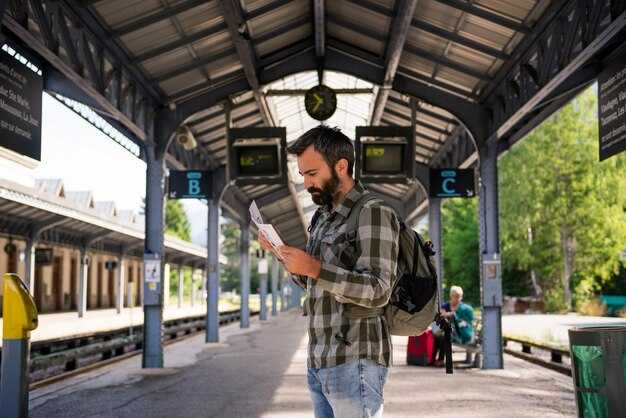
Recommendation: Book early to lock the best fares and check options across the main transport modes to match your schedule.
Flights to Salvador (SSA) typically start around BRL 250-350 for promos from São Paulo (GRU) or Rio de Janeiro (GIG) and rise to BRL 600-900 on peak days. From international hubs or distant cities, connections via Mexico City, Panama City, or U.S. gateways are common, often pushing total prices higher. If you’re coming from cities in honduras or mexico, you’ll see longer routes with at least one connection, but fares can still be competitive during sales. When you plan, filter for refundable or flex fares and look for booking options that include 1 checked bag up to 23 kg and a cabin bag, so you travel without surprise charges. For quick wins, search around 14-60 days in advance and check at local desks near Rua magalhães or with pedro desk operators to compare bids. Consider luggage rules and whether you need to pay extra for heavier bags, and which carriers really offer value for your route.
Long-distance buses from São Paulo to Salvador cover roughly 24-28 hours. Prices span about BRL 180-700 depending on seat type (semi-cama, cama), schedule, and operator. Buses depart from rodoviárias in the city and store luggage in the hold. Booking in advance often saves money; flexible fares may offer free changes or refunds, while basic tickets can be non-refundable. For routes from other cities, the same approach helps you align with your plan. When you check a schedule, compare morning and overnight options to match your arrival time in the city and avoid expensive late-night taxis, which makes the trip feel smoother. Look for options that are public-friendly and offer predictable exits at the station.
Private transfers or airport shuttles run about BRL 180-350 per trip. They offer door-to-door service, quick drop-off, and predictable timing, which helps you handle luggage and arrival steps without stress. Refunds or changes vary by provider; confirm whether a 24-hour notice is enough to modify or cancel without fee. For groups, a shared van can cut per-person costs and speed up your schedule. If you want to avoid surprises, ask for a fixed-price quote and a written cancellation policy before you book.
Payment methods across options include credit or debit cards (Visa, Mastercard) and, in many cases, Pix or boleto. Some bus lines and smaller operators accept cash at the station, while flights typically require card payments online. International travelers may also use PayPal or local currency exchanges at the airport. When you book, ensure the provider clearly lists accepted methods and any processing fees. If you want flexibility, choose options that support changeable tickets or refunds rather than the cheapest non-refundable fares, and consider paying with a method that offers buyer protection.
Luggage allowances vary by option. For flights, typical limits are 1 checked bag up to 23 kg plus a carry-on; for buses, each ticket usually includes 1-2 pieces checked to a total around 20-40 kg and carry-on space in the cabin. If you’re traveling light, you may save by selecting basic fares, but you’ll pay extra for extra bags. Discounts may appear below the standard fare when you search across days with flexible dates, so compare multiple options to find the best match and really optimize the value of your journey. Local kiosks near magalhães street sometimes publish deals for last-minute travelers who move fast.
Refunds and changes: flights often offer flexible fares with refund options; many carriers provide a 24-hour grace period after purchase with no penalty if the departure is at least 7 days away. Beyond that, refunds depend on fare type: fully refundable margins carry a higher price, while non-refundable fares offer credits or no refund. Buses typically allow changes for a fee or offer free changes on flexible tickets; always check policy before booking and note any deadline to request a refund. If you need to adjust your plan, pick a ticket labeled flexible and keep your booking reference handy to check the status quickly. If you are unsure, reach out to a customer service chat to confirm within the window that suits your schedule.
Step by step: first check prices across options, then compare terms (refunds, changes, and baggage), next book with a method you trust, and finally track your luggage and confirm the day’s schedule so you arrive without stress. For a smoother experience, pick routes that match your city arrival and consider public transport passes and such options to lower costs. This approach really helps when you’re planning from janeiro or other major hubs and want a straightforward path to the coast.
Flight Timing: Aligning Transfers with Your Arrival
Book a pre-arranged transfer that matches your plan for the day: land between 07:00 and 12:00 local time at Deputado Luís Eduardo Magalhães International Airport (SSA) to fix a smooth handoff. First, clear customs and grab bags; then look for a driver holding a name card or a company sign near the arrivals hall. Those rides offered by reputable services are priced clearly and can wait for you, ensuring you match your arrival with a fixed ride rather than hopping between drivers in the streets. Although delays can occur, early timing reduces risk and keeps the adventure on track along the waters toward Pelourinho.
Two solid transfer options on arrival
Option A is a private pre-booked car: the driver meets you with a name card and a fixed, upfront price. This covers both a calm start and eliminates the risk of metered fares, especially in Santo Antônio traffic when the streets can fill up. Expect 25–40 minutes to the centre in light traffic; longer during peak hours or when the coast road is busy along the streets which lead to the historic centre. The negotiator in you should confirm waiting time and a price before you step aboard; this works well with drivers who serve countrys that include Brazil and nearby regions. The goal is a door-to-door drop at your hotel so you can start your morning with music and a clear look at the map, not a search for the right bus.
Option B is an airport taxi or vetted app ride: good for a direct, fixed passenger path with a driver who knows the waters and the best spots to avoid gridlock. Typical drive times to the centre are 30–60 minutes, depending on traffic and the Santo Antônio corridor. Pre-booked options keep you from wandering through the centre streets with luggage, and you can request a driver to wait if your flight lands late or if immigration takes longer than expected.
Timing checklist for onward legs
When your arrival is confirmed, book the transfer and share flight details so the driver can track your status. Look for the name card or sign, then check the car model and plate before you step in. After arrival, allow at least 15 minutes for bags and a 5-minute buffer for a smooth intro to the centre. Over the next hours, keep a quick window for possible changes: if your plan is to swing by the Itaparica Island ferry or to connect to a regional bus, coordinate that with the same negotiator so you are not surprised by a late pick-up. Throughout the day, stay flexible but keep the core timing tight, so you can enjoy the streets, art, and music without fuss.
Luggage, Accessibility, and Onboard Rules for a Smooth Ride
Book mobility assistance 24 hours in advance to guarantee staff help and accessible seating at the airport.
This project aims to keep travel simple and predictable. For a stress-free start, carry a simple luggage plan: a carry-on up to 55×40×23 cm and 7–10 kg, plus a personal item up to 40×30×10 cm. Most airlines in brazils and with international partners allow 1 checked bag up to 23 kg; additional bags incur fees that vary by carrier. Match your packing to your flight type, and use durable tags with your name and contact number so orders can be traced quickly in the centre of the airport or at the baggage claim.
Your bag should stay within known limits at airports, and you should always verify the exact rules during booking. If you travel with fragile items or instruments, contact the airline ahead of time to confirm cabin or cargo options; youlloften receive a dedicated guideline sheet for your gear. Keep valuables in your carry-on and consider a small, lightweight lock for extra protection.
Accessibility and connected transportation support your visit to Salvador’s heritage sites along the coast. Salvador’s airports provide ramps, elevators, accessible restrooms, and staff trained to assist passengers with reduced mobility. In the city centre, you can reach the Pelourinho district by metro, bus, or taxi, with pre-bookable assistance available at major stops. If you plan to visit regional hubs or connect to neighbouring countries, such as Honduras, verify transfer steps and available accessibility services for each leg so you can navigate between flights without delays.
Onboard rules keep the ride comfortable for everyone: fasten seat belts during taxi, takeoff, landing, and turbulence; store luggage in overhead bins or under the seat in front of you; keep aisles clear and follow crew instructions. Smoking is prohibited, and devices should be in airplane mode when required. If you need extra space, request an early seating option near exits, but be aware that mobility devices or young passengers may constrain seat eligibility. When you sit, consider the coastally inspired metaphor of a schooner gliding along the water–steady, balanced load, smooth flow, and respect for fellow travelers. For any item you carry into service, ensure it’s within the number of allowed pieces and stored safely before door closure.
| Aspect | Typical rule | Sfaturi |
|---|---|---|
| Luggage allowances | Carry-on 55×40×23 cm; 7–10 kg; 1 personal item 40×30×10 cm; checked bag often up to 23 kg | Check airline policy during booking; label bags; plan for additional bags with pre-purchased service |
| Accessibility services | Pre-booked assistance; wheelchair access; accessible toilets | Request at least 24 hours ahead; confirm pickup points at SSA and transfer hubs |
| Onboard rules | Seat belts on during taxi, takeoff, landing; no smoking; aisles clear | Store luggage securely; comply with crew; use designated compartments for gear |
| Exit seats | Exit-row seats may have restrictions for children or mobility devices | Choose early if you need space; confirm eligibility with airline or crew |
| Special items | Sports gear, musical instruments, or child seats require prior approval | Contact airline to reserve cabin space or arrange cargo handling if needed |
Observații