

How to Get from Fiumicino to Rome City Centre - Quick Guide to Transport Options

The easiest way to reach central Rome from Fiumicino is the leonardo express, a direct train that takes about 32 minutes to Roma Termini. Because it's direct, you skip transfers and save time. It runs every 15 minutes in peak times and costs around €14 for a one-way ticket. These trains are powered by electricity, so they use less fuel and offer a quiet ride. You can book tickets on the official Trenitalia site or at the station machines, and they include practical onboard amenities.
For travelers who want a cheaper path, regional trains offer a viable option: they connect Fiumicino to central stations like Tiburtina or Ostiense, from which you can continue by metro or a short taxi ride. The ride takes roughly 45–60 minutes and costs around €8–€9. These trains have travelled for years and are easy to use, with tickets available at machines or online. If you plan ahead, visit the official site to check the latest times and platform information.
Bus services from the airport offer another option that might suit your schedule. SIT and Terravision run to Roma Termini and other central stops, with typical travel times around 50–60 minutes depending on traffic. Fares usually range from €6 to €7 one-way. Tickets can be bought online or at the stands in the arrivals hall. If you travel with a light bag, the bus often proves cheapest and avoids stairs or elevators.
Official taxis have a fixed rate from the airport to the city centre, around €48–€60, plus small extras for luggage. A private driver can meet you in the arrivals area and drive directly to your hotel, taking about 35–45 minutes in normal traffic. You can book in advance through a transfer company or request one from your hotel’s concierge.
To make the most of your arrival, lets compare options by time, cost and comfort. If you visit the city with a plan, probably the leonardo express will be the simplest choice. They offer a reliable, direct path to the centre, with a travel time close to 32 minutes and frequent departures. While you wait, check the platform on the boards; the official information is updated in real time. Counter lines can seem eternal during morning peaks. With a little prep, you can book ahead and travel smoothly from the arrivals hall to your hotel.
Fiumicino to Rome Centre: Quick comparison of main options
Direct Leonardo Express to Roma Termini is the fastest, taking about 32 minutes and usually costing around €14. It runs every 15–30 minutes during the day, with no transfer. Enter the train with your bags and baggage on the racks above; for families with kids, this option minimizes wait times and avoids city traffic.
Regional trains (often labeled FL on the timetable) connect Fiumicino to central stations like Tiburtina and Ostiense, and from there you can reach the historic centre by metro or a short walk. Types of tickets vary; choose single regional tickets or day passes depending on plans. Tickets are cheaper, around €8–€9, and travel time is about 30–40 minutes. Note that these tickets must be validated before boarding; stamp your ticket in the yellow machines on the platform, and keep it until you exit. There are usually fewer people during off-peak hours, but you may need to switch lines to reach a central location.
Bus services (Terravision, SIT Shuttle) offer a direct connection to Termini or nearby locations, usually cheaper (about €6–€7) but slower on busy days when traffic peaks; during rush hours the ride can reach 60 minutes or more. This option is convenient if you have only a small bag or want to avoid train platforms altogether.
Taxi or transfer services provide a direct, door-to-door option; the fixed city-center rate from Fiumicino is around €48 (plus luggage) and can be higher late at night, with waits based on arrivals. This is a comfortable choice for families with kids or when you have a lot of bags; you enter the vehicle and head straight to your location within the centre. If you prefer a more budget-friendly plan, pre-booked transfers or rideshares may save a few euros but ensure you trust the operator. This isnt always the best for single travelers with light baggage.
Renting a car isnt usually worth it for a few days in the centre due to tricky traffic and high parking costs. Over the years, options stayed straightforward, and most travellers rely on trains, buses or taxis. If you do rent, compare long- vs short-term rates and check for child seats.
Leonardo Express: Fiumicino to Termini – schedule, fares, and tips
Take Leonardo Express for the fastest direct ride to Termini. This dedicated linea runs from Fiumicino Airport to Rome’s main station, with trains leaving every 15 minutes during most of the day and a travel time of about 32 mins to reach Termini. You’ll board once and arrive ready to start your visit.
Schedule and availability: first train leaves around 6:23, last around 23:23. Frequency stays high across the day, so you wont wait long even if you arrive on a late flight. The service is major for city centre access, connecting you directly to the Termini hub.
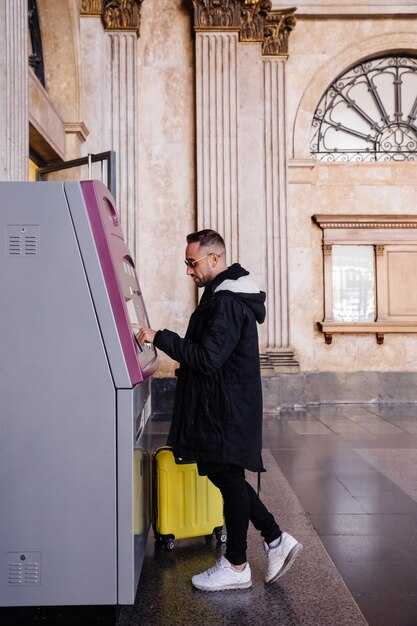
Fares and options: price is €14 for a single ride. Tickets can be bought at airport machines, the Trenitalia desk, or online. For the cheapest transport, Terravision and SIT Bus Shuttle offer cheaper routes to Termini, starting from about €5–€6; these services are available daily but may take longer and have different baggage policies. If you're staying near Ostiense, a regional option to Termini exists and is similar in price, though it isnt as fast as the Leonardo Express.
Schedule and tickets
Every Leonardo Express train leaves Fiumicino on a fixed linea and arrives at Termini without intermediate stops. Price is fixed, and a one-way ticket is valid for the entire ride. Tickets are available at the airport kiosks, online, or at Trenitalia counters. Last trains vary by season, so check the current timetable before you leave the airport.
Tips for a smooth ride
Board quickly by heading to the Leonardo Express platforms at Terminal 3–just follow the signs. Leave some buffer time before your flight if you’ll need to buy tickets. Onboard, there is storage for bags above seats and near the doors; keep larger bags in dedicated areas and within reach. At Termini, you’ll find easy connections to Metro lines A and B, plus regional trains and buses, all within a few minutes’ walk. If you need flexibility, you can use cheaper options like Terravision, or either an alternative bus or a regional service, but Leonardo Express is the better choice for speed and reliability, especially if your stay is short or your hotel is near the main station. Availability is high, but you should still book ahead if you’re travelling with a large group or bulky bags. If your flight lands late, you might wait a bit for a train, but you’ll still reach the city center quickly.
Regional trains from Fiumicino to central Rome
Take the FL1 regional trains from Fiumicino Aeroporto to Roma Termini. These trains offer a direct link into the city center with plenty of daily departures. Since several trains run each hour, you probably catch a departure quickly after you arrive. The route travels along the coast into the city, with stops that include Roma Trastevere, Roma Ostiense, and sometimes Roma Tiburtina; tuscolana serves nearby neighborhoods for handy connections.
Ticketing is simple: a single ticket costs around €8–9 and is valid for 90 minutes from validation. Buy at machines, desks, or via the Trenitalia app, then validate on the yellow machines on the platform before boarding. This service is useful for city-center access and avoids the hassle of a rental car. nikki, a first-time traveler, confirms it’s easy to use and cost-effective. Look for white signage and clearly marked machines at the airport station.
Frequency is strong, especially during peak times when trains run about every 15 minutes. Off-peak, expect roughly every 30 minutes. Mind that schedules can shift for holidays or strikes, so check times on the day of travel. nikki also notes the option to reclaim time by skipping airport transfers and heading straight to central hotels.
Which hub fits your plan? Roma Termini suits most city-center stays and provides seamless connections to the metro and buses. If you’re heading to Trastevere or Ostiense, consider stopping at those hubs; for stays near the Tiburtina corridor, choose a train that continues there. tuscolana can be a useful link for nearby districts, and several services stop near the area along the route.
| Destination hub | Typical time from FCO | Key stops along the way | Notes |
|---|---|---|---|
| Roma Termini | 28–35 min | Roma Trastevere, Roma Ostiense; some services reach Tiburtina | Direct most trains; central rail and metro access |
| Roma Trastevere | 35–40 min | Ostiense; onward connections | Convenient for Trastevere area |
| Roma Ostiense | 30–40 min | Testaccio, Garbatella | Good for southern districts and river area |
If you plan a rental later, europcar desks are located in the Termini building and at the airport. Mind city traffic during peak times; for a quick center arrival, the train is usually the best choice. A one-way rental is possible if you need a car for later legs of your trip, but for the heart of the city you can skip the car entirely and save time.
Airport buses from Fiumicino to Termini: routes, times, and prices
Your best move is SIT Bus Shuttle: direct, reliable, and usually the fastest way from Fiumicino to Termini. Expect about 55 mins on average, and online fares start around €6. Buses run 24/7 with headways of 20–30 mins by day and longer gaps at night, so you can plan a late arrival or an early departure with confidence. Fuel types vary by coach, but most units run on diesel or hybrid setups.
Route and seating details: SIT travels straight to Rome Termini, landing you at the main station area. If you’re visiting zones beyond, use the connections from Termini: Line B gets you Tiburtina, Ostiense, or Magliana with quick metro or bus hops. Seating on SIT is open; some operators offer compulsory seat reservations during peak periods, so check the app when you purchase and pick the option that suits you.
Terravision: a fast, affordable option to Termini. Online prices typically range from €4–€6; journey times run about 55–70 mins. Departures occur every 30–60 mins; buy tickets via the Terravision app or site to lock in a lower price. If you miss Termini, you can still connect via Tiburtina with a short metro ride.
Autostradale: another direct choice to Termini, often priced around €5–€8 and taking roughly 50–60 mins depending on traffic. Buses operate throughout the day and into the evening; purchase online to guarantee a seat and enjoy automatic ticket validation at boarding. It’s a solid option for a smooth arrival into central rome.
FlixBus: a broader network that covers Fiumicino to Termini with multiple departures daily. Expect 60–75 mins of travel and prices from about €4–€9 online. Booking via the FlixBus app or site saves money; some trips connect onward to Tiburtina or Ostiense with a short metro or bus transfer. Many services offer onboard television and wifi to help you enjoy the ride, and you can reserve seats when you purchase.
Practical tips: download the operator apps, purchase in advance, and keep your ticket handy on your phone or printed. If you’re renting and comparing options with Uber, buses are still the cheapest way to reach the centre. Weve found that purchasing ahead often yields better prices, and you can visit rome with less stress. After your arrival, head into the city by Termini, or plan a quick hop to Ostiense, Magliana, or Tiburtina via metro connections, depending on your plans in rome.
Taxis, ride-hailing, and private transfers to the city centre from Fiumicino
Book an official taxi or a pre-paid private transfer at the arrivals hall to start your Rome trip with no worry and easy access to the city centre. Signs guide you to the approved desks where staff handle baggage and confirm the fixed fare.
Taxis are the simplest option. The fare to central Rome is a fixed rate around 48–60 euros, depending on your exact destination, with a small surcharge for late-night rides. The ride usually lasts 40–60 minutes, depending on traffic. The price typically covers up to a couple of bags; if you travel with more baggage, ask about an extra-bag charge at the desk. Open the door, board quickly, and enjoy a smooth transfer while a professional driver navigates the route.
Ride-hailing apps and private transfers offer flexible choices. In the arrivals hall you can open apps such as Free Now and Bolt to book a ride to the city centre. Prices vary with demand, so you might pay a bit more at peak times; there are plenty of options and pickup points clearly shown in the apps. For last-minute changes, the apps display timetables and live updates. A private transfer option lets you arrange a driver with a meet-and-greet; the driver will meet you at a designated point located near the baggage reclaim area, with a name board, making it easy to reclaim your luggage and start traveling right away.
Ciampino Airport to Rome Centre: top bus routes and travel times
Take the SIT Bus Shuttle Ciampino → Termini for the fastest direct link to central Rome. It runs regularly, takes about 40-60 minutes, and requires no transfer.
-
SIT Bus Shuttle: Ciampino to Termini
Travel time: 40–60 minutes, depending on traffic and time of day.
Fare and tickets: around €6 one-way; you can buy at the arrivals hall from automatic machines or online. Exact price can vary, so always check before you travel.
Where it stops: Termini central station; central locations are easy to reach from there.
Notes: safe and straightforward for staying near the city centre; if you’re visiting with a group (shane or others), this option keeps costs predictable and avoids taxi fares. Platforms are clearly signed at Ciampino and at Termini.
-
Terravision or express coach: Ciampino to Termini
Travel time: typically 40–55 minutes, faster during lighter traffic periods.
Fare and tickets: usually €4–€6 one-way; book online for the best price. Extra costs may apply for luggage.
Where it stops: Termini central station; some services may also call at other locations, so verify on booking.
Notes: a good balance of price and speed; during peak hours it can be slower due to congestion, although it often beats longer routes. If you’re visiting central Rome, this keeps you in the right area with minimal transfers.
-
Bus to Anagnina + Metro A to the centre
Travel time: about 60–75 minutes total, depending on waiting times for the Metro.
Fare and tickets: Ciampino–Anagnina bus around €1.50; Metro A ticket around €1.50; total around €3; regional or day passes may save money if you plan more travel.
Where it stops: Anagnina is a Metro A terminus; from there you reach central sites like Piazza di Spagna or the Colosseum via the Metro.
Notes: slower than direct buses, but costs stay low and you can combine with a day-ticket plan. If you’re staying in southern districts, this route can be convenient because it links directly to the metro network.
Extra tip: once you land, check the white signage for the correct platforms and boardings. During busy periods, buses and trains may feel slower, so it helps to keep your plans flexible and build in a little extra time. If you’re visiting multiple locations, regional tickets can reduce total costs, and the exact price may vary by provider and day. Taxis remain an option, but they cost more, especially from Ciampino to central Rome, so consider the direct bus routes first for a safe and cost-effective start to your day.
Ciampino to Termini or Anagnina: practical routes via bus and metro
Take cotral bus Ciampino airport to Anagnina, then board Metro Line A toward Battistini and ride to Termini. The bus leg runs about 20–25 minutes; the Metro leg from Anagnina to Termini takes roughly 20 minutes. Departures on the bus come every 15–20 minutes, and metro trains run every 4–8 minutes, giving you easy, direct progress. A practical one-way fare for the combo is around €3.50–€4.50; buy at cotral machines near the stops or via the cotral website and apps, and validate on the bus and at the metro turnstiles. Mind the time windows to avoid long waits. This option is great for travelers with luggage, offers flexibility, and lands you in central Rome smoothly.
If you want a faster option with less transfer, you can catch a direct airport bus to Termini (Terravision or SIT). Check the operator’s website for today’s departures; these services run regularly and suit fixed times. Still, the Ciampino→Anagnina+Metro path provides more frequent departures and cheaper fares, especially on weekdays. Visit the sites to compare times and choose the best fit for your schedule.
From Anagnina you can reach tuscolana and southern districts by a short metro ride, or continue from Termini by bus to nearby sights. At Termini you’ll find broad connections and straightforward boarding, with friendly seating options on trains and plenty of seating on the metro cars. If you travel with family or a group, an extra fare card can add flexibility. For longer trips beyond the city center, a rental car makes sense only if you plan day trips outside Rome; otherwise, public transport remains the best value. Weve checked typical departures and routes, and most travelers favor this path for its clarity and reliability. For a quick visit, this setup minimizes fuss and keeps you moving efficiently toward your plans.
Practical planning and tips
Use the website or apps to view real-time departures, buy tickets, and map your route. Cotral machines dispense tickets at the stops, and you can board with the validated fare. The one-way route through Ciampino, Anagnina, and Termini is easy to manage, with the most common transfers taking you straight into the center. If you’re planning multi-city trips later, you can also plan connections to Vienna or other destinations using the same apps for a smooth overall journey. This handy approach keeps traveling simple, extra flexible, and ready for whatever comes next.


