



 Română
  English (UK)
  Русский
  العربية
  日本語
日本語  한국어
한국어  Magyar
  Türkçe
  Español
  Čeština
  Svenska
  Português
  Ελληνικά
  Suomi
Suomi  Nederlands
  Italiano
  Français
  Polski
  Українська
  Deutsch
  简体中文
简体中文  Slovenčina
  Chongqing Transportation Guide – Flights, Trains, Metro, Ships, Taxis, and Buses">

Book a direct flight to Chongqing and head straight from the airport terminal to the city by taxi or the airport express; this move presents the fastest start to your trip and keeps your daxian district plans clear.
Jiangbei International Airport (CKG) handles dozens of domestic connections and growing international links. You appreciate direct flights to Beijing, Shanghai, Guangzhou, Chengdu, and other hubs, with several options every day. The terminal layout is straightforward, and airport staff show clear directions to baggage belts and transit options.
Two major rail hubs, Chongqing West and Chongqing North, serve long-distance travelers. A high-speed line links the city to Chengdu in about two hours, with other lines reaching Wuhan, Guangzhou, and Beijing. A number of daily departures gives you flexibility, and booking ahead helps you secure seats on your preferred line.
The Chongqing Rail Transit network threads the core districts, with transfers that let you reach the daxian district or the riverside port quickly. They feel confident navigating interchanges when using an IC card or buying single tickets at gates, and plan around peak hours to feel less crowded. Metro hours run from early morning until late night, making it easy to present night plans after meals.
For river travel, Chaotianmen Port hosts cruises along the Yangtze. Cruises show varied itineraries from half-day sightseeing to multi-day voyages, with meals on board and cabin rooms that offer river views. These options let you appreciate the city from a different angle and see landscapes along the river between stops.
In the city, taxis are plentiful and typically cost 60–90 CNY to central districts; insist on a meter and a clear fare. City buses cover most routes at low fares, with night services in central zones. For flexibility, consider a private transfer or hotel shuttle. additional tips include checking direct connections from the daxian district to Chaotianmen port; this shows the fastest path to river trips and rail stations. The number of options varies by time of day, and the system’s features make planning a few bullet steps to keep things smooth.
Flights to Chongqing: Getting to Chongqing Jiangbei International Airport (CKG) and city transfer options
Take ride-hailing from CKG to central Chongqing–it’s different in convenience and better for a door-to-door transfer. Before you land, install the ride-hailing app and set your destination to Shapingba or the downtown area, sore driver can handle traffic smoothly. The app shows time estimates and route options, and the taxi meter will run from the moment you start, using meters to calculate fare. Expect about 30–60 minutes of running time to reach the city center, depending on hour and traffic.
What to expect for transfers from CKG
Beyond ride-hailing, you have options that balance easy access and fares. The airport shuttle bus offers a cheaper, straightforward ride to major area stops, while rail transit and tramway lines provide predictable schedules for longer trips without the stress of city traffic. Chongqing’s mountainous terrain can affect travel times, so plan for variability if you travel during peak hours or holidays. If you’re a tourist heading to Shapingba or other districts, you’ll appreciate links that connect you to the most common destination stations and transfer points, making it easy to adjust your plan on the fly.
Table of transfer options from Chongqing Jiangbei International Airport
| Opțiune | What you get | Typical time | Estimated fare | Note |
|---|---|---|---|---|
| Ride-hailing or taxi | Door-to-door transfer to Shapingba or downtown, easy handling of luggage | 30–60 minutes off-peak; 60–90 minutes during rush hour | Taxi start ~8–12 CNY; meters add per kilometer; ride-hailing similar plus service fee | Meteruse is standard; best for flexibility and comfort |
| Airport shuttle bus | Direct service to major districts, lower cost than a door-to-door ride | 60–90 minutes depending on route and traffic | ~9–30 CNY depending on destination | Check exact stops; luggage space can be limited |
| Rail transit (monorail/metro) | Urban rail link to key stations, reduces exposure to city traffic | 40–60 minutes | ~6–20 CNY depending on distance | Hours and running times vary by line; ideal for fixed schedules |
| Tramway | Short-range connections within the area and some districts | 60–80 minutes | ~2–8 CNY | Limited lines; not always direct to the airport; good for local legs |
Trains: Chongqing rail hubs, choosing high-speed vs conventional services, and tickets
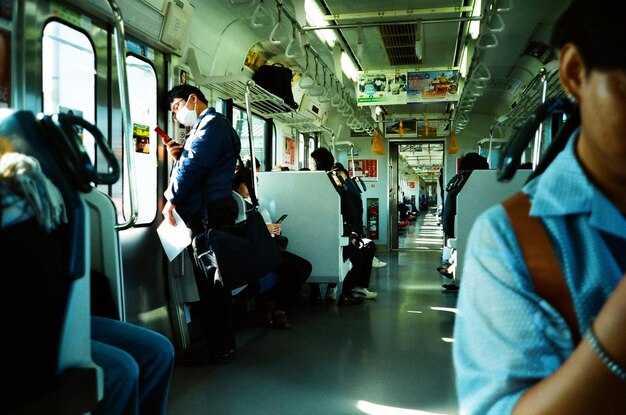
Choose high-speed trains for most Chongqing trips; they cut travel time on such routes and land you at the largest hubs faster. Daily services connect Chongqing North and Chongqing West to Guiyang, Neijiang, and Wanzhou with reliable schedules, while conventional trains remain a strong option for overnight travel or cheaper fares on the same lines.
Chongqing North and Chongqing West are the primary hubs for high-speed services. Neijiang acts as a regional transit node along the southern corridor, and Wanzhou and Guiyang link with frequent daily trains as you bind routes across Sichuan and Guizhou. Transfer and track layouts are clearly signposted, so navigate using information boards; staff can help if you need a hand.
Tickets are straightforward to obtain via search on Google or the official platform. Start with the methodhow: decide high-speed vs conventional, then pick your train by number. The information shown includes duration, distance, and number of stops. For peak periods, expect more options but tighter seats. Payment accepts unionpay and mobile wallets, and you can swipe or scan a QR code to complete the purchase. You may also bind a traveler profile to speed future bookings and pickups.
On travel day, check the track before departure and arrive early to your platform–stations switch tracks and platforms during busy times. Use the lines filter to compare direct options versus transfers, and avoid unnecessary hops by choosing direct trains when possible. Tickets can be collected with your ID at the counter or via QR code in the app, and you’ll land at your destination faster by prioritizing high-speed lines for the longest legs and saving conventional trains for shorter legs or overnight trips.
Metro: Key lines, transfers, and how to reach major sights from central Chongqing
Stay comfortable and start with a concrete plan: take Line 1 from central Chongqing to Ciqikou Station, then walk a few minutes to the ancient town–quicker than a longer bus ride. To/from interchange boards show a tofrom indicator, helping you move between lines without fuss.
Metro lines at a glance
Line 1 runs along the rivers, linking the core area with Ciqikou and other heritage pockets, making it the simplest route for stays near the main square. Line 2 crosses the city’s central spine and includes the famous Liziba station, where the train threads a building block in a dramatic, photo-friendly moment. Line 3 and other lines extend to eastern and western districts, expanding access to parks, museums, and river view points. The network is extensive, with transfer boards that display clear codes so you can switch directions smoothly; however, you’ll often connect at hubs like Jiaochangkou or other major interchanges if you’re heading across the city. If you’re arriving from Shanghai or Guiyang, the signposting and speed feel similar, making planning straightforward.
Reaching major sights from central Chongqing
From the center, ride Line 1 to Ciqikou for the old town lanes, street food, and crafts–really a compact, flavorful start before you head back. After Ciqikou, switch to Line 2 to reach the Jiefangbei district and stroll along the rivers to the Hongya Cave complex. For a private day, tours can start at your stay and stitch together Ciqikou, Liziba, and a central riverside stop–across the city by a short taxi ride if you want to skip a longer walk. In peak times, sometimes you’ll find the quickest route is a combination of metro and private transport, giving you flexible steps to fit your pace. Liziba draw a lot of tourist photos, then you can continue to the city’s markets and museums for an easy, tasty finish with food stalls nearby.
Ships: Yangtze River cruises, Chongqing ports, and onboard essentials
Book Chaotianmen departures in shoulder seasons to secure a river-view cabin, balance price and comfort, and avoid peak crowds. For transportation to the port, use public transit options or a taxi; the port area is well signposted and connected to major stations and roads.
Yangtze River cruise options and practical tips
Most itineraries from Chaotianmen take 4–5 nights upstream toward Yichang, with some downstream options finishing near Chongqing. The voyage reveals mountainous scenery and dramatic bridges as you pass canyon walls. Stops around Fengdu and the Lesser and Greater Three Gorges provide time ashore; some itineraries also include the dam area downstream. Prices vary by cabin type and season; standard cabins typically start around 800–1,200 CNY per person, while suites can reach 2,500–6,000 CNY for longer cruises. Meals are usually included; drinks and shore excursions are extra. Wi‑Fi is available on board, but public networks can be slow, and some ships offer paid packages. Arriving at each port, staff coordinate transit to shore via the same gangway. To keep costs under control, book early and avoid peak periods around public holidays. chongqings visitors often combine a river cruise with a visit to ciqikou, where you can see carvings and browse craft stalls; you may also spot kong woodwork among the souvenirs. This setup helps you balance the overall experience and make the most of the journey.
Chongqing ports and onboard preparation
Chaotianmen Port is the main embarkation point and sits along busy riverside roads with easy access by taxi or public transit. Allow extra time during peak traffic, and plan your route from downtown to the port using signposted transfers. If you arrive the day before, consider the ciqikou area for a walk and a chance to buy wood carvings as gifts; the area is reachable by short rides from the port via roads and public transport. From nearby stations, you can reach the port by bus or metro, as needed, before heading to the ship. Onboard, pack light layers for river winds, comfortable shoes for stairs, and a small bag for shore excursions; bring enough cash for local purchases and tips, as some services require additional costs. Wi‑Fi coverage is common but varies by ship; expect limited bandwidth during peak season. If you travel tofrom Chongqing for a cruise, confirm the exact boarding time and the recommended arrival window with the operator to avoid delays and ensure smooth boarding; sufficient preparation makes the experience seamless, and this preparation helps you make the most of the trip.
Taxis and ride-hailing: Hailing, fares, payment methods, and safe practices in Chongqing
Always verify the taxi plate and driver details in the app before boarding. If anything feels off, cancel and rebook. Use a licensed taxi or known ride-hailing service around busy stations and main streets for faster arrival, especially for foreigners navigating Chongqing’s mountain routes that feel like the longest climbs and can be crazy at rush hours.
Hailing and vehicle options
- Hailing options include curbside taxis and private ride-hailing apps such as Didi; stations and hotels often have dedicated pickup points.
- Known benefits: faster reach to your destination, clear driver details, and a saved route you can follow in miles or kilometers.
- Vehicle types range from standard sedans to private SUVs; most taxis carry up to three passengers, while private rides may seat four. Plan accordingly if you travel with meals or luggage.
- Check the plate, model, and driver photo in the app before boarding; if the car or plate doesn’t match, wait for the next option.
- If you don’t speak Chinese, show the destination on screen or say qǐng (请) to signal politeness and ask for the fastest route; English assistance is known to be limited outside major hubs.
- Pickup timing varies with traffic–busy areas around stations can see waits of five to ten minutes, longer near mountain districts or at night.
- Ask for a stop only if necessary and keep the route in view on your map to avoid confusing detours.
Fares, payments, and safe practices
- Fare structure: base fare around 8–10 CNY; distance rates about 1.8–2.5 CNY per kilometer; waiting time adds a small per-minute fee. Short trips in central areas often cost 15–25 CNY, while longer rides toward the hills or mountain zones can be higher.
- Payments: most options include cash, WeChat Pay, Alipay, and unionpay; in-app payments are common and help lock in the quoted price before arrival.
- Before you ride, use the app’s fare estimator to compare options and avoid surprises; if a driver tries a long, unnecessary detour, politely request the planned route shown in the map.
- Safety: ride in the back seat, buckle up, and verify the driver’s identity and plate again when entering the vehicle. Share your trip details with a friend or family member when possible, especially for late arrivals.
- Smart tips for foreigners: carry essential address in Chinese, know a few basic phrases like qǐng, and keep a small amount of local currency for taxis that don’t accept cards.
- Be cautious of traffic and road conditions near the mountain area; choose daytime trips when possible and allow extra time for arrival during busy periods or during city events.
- If you plan multiple trips (three, five, or more) in a day, compare app coupons or bundles and consider sticking to one trusted service to simplify payments and receipts.
- When stopping for meals or errands, ask the driver to wait at a safe, well-lit spot or request a new pickup point to avoid unsafe disappearances from your route.
Buses: Urban bus network basics, real-time boards, and long-distance connections to Dazu
Plan your Dazu trip with catching a ride on Chongqing’s public bus network. Check the real-time arrival boards at each stop, arrive early at the central hubs, and thereafter choose the best path to Dazu. Avoid unlicensed operators and stick to official stations to keep things smooth and safe, then you can relax and let the ride unfold.
-
Urban bus network basics
- Lines and coverage: The public bus grid spans central districts and outer suburbs, with frequent routes connecting neighborhoods, metro hubs, and major stops. Lines often cross paths at large stations where transfers are easy; look for the line number and destination on the LED bullet boards.
- Seating and comfort: Most city buses offer seating for standard passengers and some private coaches for longer rides. In peak hours, crowding increases, so have a plan to catching a seat closer to the front if possible.
- Fare and range: Fares depend on kilometer distance, typically a few yuan for short hops and higher for longer legs. Many stops accept a public transit card or mobile payments, keeping the process quick and liber from cash handling.
- Types and speed: Expect a mix of standard lines și ocazional straddle-type configurations on certain routes. In dense traffic, speed drops noticeably, so plan extra time for three or more stops between transfers.
- Stops and stop names: Stops display both Chinese and English names, with a track number shown on some platforms. Always note the arrival time on the board before boarding.
- Three quick tips: (1) carry a small amount of cash or use a public transport card, (2) have a backup route in mind, (3) check for outside connections if you need to switch to long-distance services.
-
Real-time boards and signboards
- What you’ll see: Real-time boards display the next arrival, destination, and line number. These lines help you see whether the bus is a direct route or requires a transfer to metro or other buses.
- Using the boards: Scan the board at your stop to confirm the arrival time. If a line shows a long wait, switch to another line with a shorter interval.
- Practicalities: Boards are most reliable at central hubs and major stations. On three-to-five-minute exchanges, you can keep your timing tight and minimize idle time.
- Tips for alimente și băuturi: Gustările ușoare sunt permise în majoritatea autobuzelor, dar țineți conservele și mirosurile puternice departe de locurile aglomerate pentru a evita deranjarea celorlalți.
-
Conexiuni pe distanțe lungi către Dazu
- De unde să începi: Din Chongqing, îndreaptă-te către principalele terminale de cursă lungă care deservesc autocarele cu destinația Dazu. Caută ghișee sau panouri dedicate Dazu care afișează orele de plecare și numerele de platformă. Dacă preferi, folosește aplicația oficială de transport pentru a filtra după „Dazu” și alege-ți terminalul în consecință; methodshow și methodhow opțiunile vor apărea în fluxul de rezervare.
- Frecvență și durată: Autobuzele spre Dazu circulă de obicei de mai multe ori pe zi, cu often plecări distanțate la ore. Timpul de călătorie se încadrează de obicei în intervalul de 2,5-4 ore, în funcție de trafic și de traseu. Așteptați-vă la întârzieri ocazionale în timpul perioadelor de vârf.
- Bilete: Biletele pot fi cumpărate de la ghișeul terminalului sau printr-o aplicație de transport urban. Dacă alegeți să carte online, confirmă terminalul de plecare, peronul și tipul de loc înainte de a plăti. Unele servicii oferă locuri rezervate, ceea ce este util pentru familii sau grupuri.
- Tipuri de operatori: Limitați-vă la operatori publici și licențiați; nelicențiat autocarele pot fi mai ieftine, dar pot lipsi siguranța și urmărirea în timp real. Pentru un plus de securitate, alegeți un autocar standard cu o marcă clară și un program tipărit la ghișeu.
- Note de bord: Autobuzele pe distanțe lungi de pe aceste rute oferă de obicei facilități de bază și vederi pitorești asupra peisajului rural în zonele apropiate de munții Dazu. În scenic segmente, alegeți un loc la fereastră, dacă este disponibil, pentru a vă bucura de peisaj.
- Pași practici: (1) verificați panoul pentru serviciul Dazu, (2) ajungeți cu 15-20 de minute mai devreme, (3) prezentați rezervarea sau biletul la poartă, (4) urcați pe platforma corectă și localizați-vă seat, (5) păstrați-vă biletul până la sosire, apoi urmați instrucțiunile echipajului pentru debarcare.
- Trei avertismente rapide: evitați să discutați private opțiuni de antrenor care sar peste terminale, respectă outside zonele de preluare și nu urcați dacă autobuzul pare să întârzie sau să devieze de la rutele oficiale.
Note suplimentare pentru a ușura călătoria: aveți întotdeauna un plan de rezervă în cazul în care un panou în timp real modifică o rută; purtați gustări ușoare (alimente) și apă; utilizați o aplicație publică pentru a carte locuri în weekenduri aglomerate; când ajungeți în Dazu, punctul principal de debarcare este la stația de autobuz Dazu, lângă siturile pitorești, de acolo puteți merge pe jos sau lua un scurt stop naveta la intrare. Dacă doriți cea mai fiabilă călătorie, rămâneți la public autobuze și terminale oficiale și verificați din nou panoul pentru ora de sosire a călătoriei de întoarcere spre Chongqing. Hai să maximizezi timpul petrecut explorând zona, menținând planul simplu și direct.
De la Chongqing la Dazu: cele mai bune rute, durata călătoriei și sfaturi practice pentru această excursie
Luați autobuzul expres de zi de la stația de autobuze pe distanțe lungi Chongqing Chaotianmen către Dazu; călătoria durează aproximativ 2,5–3 ore și acoperă aproximativ 170–190 km, plasându-vă în apropierea centrului zonei Dazu Rock Carving. Biletele sunt disponibile la ghișeu, cu numere afișate în orar, și vă puteți aștepta la o călătorie simplă, fără transferuri.
Routes and travel times
Opțiuni de autobuz direct: stațiile Chaotianmen sau Jiangbei pentru distanțe lungi oferă plecări în timpul zilei aproximativ la fiecare 1–2 ore. Așteptați-vă la 2,5–3 ore de timp de călătorie și un tarif în intervalul 60–100 CNY. Aceste autobuze sunt legate de autostrăzi care trec prin coridorul nord-estic al Chongqing-ului în Dazu, prezentând o rută fiabilă, ancorată în centru.
Autoconducere sau mașină privată: Plecați dimineața și ajungeți în zona Dazu în aproximativ 2,5–3,5 ore, în funcție de trafic și taxe de drum. Traseul se extinde de obicei de-a lungul autostrăzii și apoi prin străzile locale până la locurile pitorești; puteți alege o oprire pentru fotografii sau o gustare rapidă, puteți depozita gustări în torpedou și puteți păstra mașina parcată lângă intrarea principală a parcului. Dacă veniți dinspre nord, puteți trece prin periferia nordică înainte de a intra în reședința județului.
Traseu alternativ de buclă: Unii călători trec prin Yibin pentru o zi mai lungă pe drum, apoi se întorc spre Chongqing; această opțiune de tranzit adaugă timp, dar poate fi atrăgătoare dacă doriți să combinați peisajul din Sichuan cu Dazu într-o singură călătorie. Timpii totali estimați cresc în consecință, așa că planificați aproximativ 6-8 ore dacă extindeți bucla.
Practical tips
Planifică în timpul zilei și verifică magazinul din gară pentru gustări și apă; o oprire rapidă la magazinul local înainte de a te urca te ajută să eviți prețurile de la automatele mai târziu. Pentru bilete, notează codul autobuzului de pe panou și păstrează numărul la îndemână pentru a-l prezenta personalului dacă este necesar; codul te ajută și să localizezi autobuzul corect în zilele aglomerate.
La situl Dazu, o opțiune de telecabină oferă vederi înalte asupra sculpturilor; plimbarea merită dacă doriți o perspectivă diferită, deși adaugă o linie separată și timp. Acordați 2-3 ore pentru sculpturile principale, plus 30-45 de minute pentru străzile tradiționale înconjurătoare și sălile muzeului. Dacă intenționați să vă plimbați, descărcați din timp orice bilete necesare și ajungeți devreme pentru a evita orele de vârf.
Opțiunile de taxi de la gară folosesc taximetre și sunt o modalitate practică de a ajunge rapid la intrarea în parc; așteptați-vă la un tarif de 30–50 CNY, în funcție de distanță. Pentru o experiență mai ușoară, aranjați o preluare la întoarcere în avans sau selectați o cursă locală partajată care oferă intervale de timp fixe și un cod de contact clar. Dacă stați în centru, luați în considerare un studio sau un hotel situat lângă principalul nod de autobuz pentru a simplifica transferurile.
Vremea și orele: verificați programul de funcționare al site-ului dimineața și planificați în funcție de căldura zilei vara. Zona tinde să fie cea mai aglomerată în weekend; plecările de dimineață târziu tind să aibă cea mai mare flexibilitate în ceea ce privește locurile, în timp ce intervalele de dimineață sunt ideale pentru a evita aglomerația și a surprinde o lumină mai blândă pentru fotografii. Întreaga călătorie afectează mai multe numere din ziua dvs., așa că fiți atenți la ore și la durata estimată pentru a respecta programul.
Observații