



 Română
  English (UK)
  Русский
  العربية
  日本語
日本語  한국어
한국어  Magyar
  Türkçe
  Español
  Čeština
  Svenska
  Português
  Ελληνικά
  Suomi
Suomi  Nederlands
  Italiano
  Français
  Polski
  Українська
  Deutsch
  简体中文
简体中文  Slovenčina
  Best Things to Do in Thessaloniki – Top Tourist Attractions">

Start your Thessaloniki adventure with a hilltop climb in Ano Poli for majestic views over the city and the Aegean. The historical lanes wind between preserved towers, inviting you to pause at cafés where locals greet visitors with a smile, keeping to the narrow streets as you feel the city’s past and plan the next stop, while music drifts from open doors and public life spills onto the sidewalks.
Cross to the waterfront and trace a short route past the White Tower, Rotunda, and Arch of Galerius; the route offers excellent views and tangible history. The public squares around Aristotelous and the Ladadika district fill with markets, cafés, and cluburi that take you into the evening. If you like live muzică, you’ll find performances along the promenade and in intimate venues where sounds mingle with sea breeze.
The city’s cultural blend shines in sephardic courtyards and persians in trade, alongside museums that present historical artifacts. Hilltop neighborhoods offer residential life with narrow stairways and terraces that frame views of the city below.
For a practical plan, start with Modiano Market and a stroll along Nikis Avenue, then spend the afternoon at the Archaeological Museum, and finish with sunset at the White Tower. In the evening, head to Valaoritou Street where cluburi and bars keep the energy high, and the muzică scene shifts from DJ sets to live bands. The route takes about 20 minutes to connect between key sights and keeps you close to public transport should you want a quicker return to the hotel.
Best Time to Visit Thessaloniki: Month-by-Month Guide for Weather and Events
Plan your trip for May or September for ideal weather and a steady rhythm of festivals.
-
ianuarie
-
Weather: highs near 8°C, lows around 0–3°C; frequent rain on about 8–12 days. Daytime strolls are brisk but doable with a warm layer.
-
What to do: explore archeology and archaeology museums, including the archeological collection centerpiece housed near the Rotunda–the large, well-lit spaces make it possible to go from one exhibit to the next without feeling a crowd. The stratigio hill fortress offers a short daytime hike with views over the city, uncovered ruins along the ramparts adding to the sense of place.
-
Tips: pair a museum visit with a coffee break in the Christians-influenced old town, then head to the waterfront if a dry spell appears. If you arrived, this is a good time for an indoor day and a brisk evening walk along the hill paths.
-
Nearby option: a quick, large-capacity day trip to Halkidiki is feasible on a dry day, especially if you want a contrast to the busy city pace.
-
-
Februarie
-
Weather: highs rising to about 9–11°C; rain remains common and the hills may see a light dusting in rare moments.
-
What to do: February hosts Apokries carnival buzz in busy streets; sample warm soups and pastries as you wander the daytime markets. The forum of the city hosts several short showcases where locals share a phrase or two about history that resonates with visitors.
-
Tips: this is a good month to plan indoor visits to archeology sites, then wrap with a stroll through the old quarter’s hill lanes when the weather allows.
-
-
Martie
-
Weather: around 13–16°C during the day; showers mix with bright spells, inviting light outdoor explorations.
-
What to do: longer daylight hours make daytime walks along the shoreline rewarding; visit archeology sites and the large museum complexes named for their circular Rotunda and its neighboring monuments. The hill neighborhoods look particularly inviting in spring, with the stratigio fortress offering remarkable city views.
-
Tips: look for uncovered statues and artifacts in outdoor corners; this is a strong month for a steady pace through the city’s meaningful places.
-
-
Aprilie
-
Weather: 17–20°C with a gentle breeze; low rainfall makes outdoor activities comfortable.
-
What to do: wander the waterfront, sample street food in Ladadika, and plan a daytime hike on the hill routes. The city’s large athenian-style squares showcase daily life in action, perfect for a foodie who loves to sample local bites.
-
Tips: this month often uncovers the first hints of summer crowds, so book a few places in advance if you want a curated walking route that passes through the most named archaeological spots.
-
-
Mai
-
Weather: 22–26°C, dry and pleasant; plenty of sun for long daytime outings.
-
What to do: May hosts a long sequence of events–the Book Fair and related literary showcases draw a constant stream of visitors. Combine a food-focused stroll through Ladadika with a visit to archeology sites that feel especially vivid as flowers bloom along the hill paths.
-
Tips: this is a prime time for day trips to Halkidiki, where the coast and countryside provide a refreshing contrast to the city’s bustle.
-
Notes: the phrase “Constantinople-era heritage” often comes up in museum rooms where artifacts from Christians and early Byzantines are explained; take a moment to read the plaques and imagine daily life in ancient forums.
-
-
iunie
-
Weather: 26–28°C; warm days with cooler evenings by the sea breeze.
-
What to do: large outdoor markets and open-air events begin, with daytime visits to archaeological spaces still comfortable. The stratigio fortress area remains a favorite hilltop route for views and photos.
-
Tips: start activities early, then move to the shade along the waterfront. If you are a foodie, join early-evening tastings that pop up along the coast.
-
-
iulie
-
Weather: 29–32°C; peak summer heat requires sun protection and early starts.
-
What to do: daytime visits to museums are well worth it, followed by late-afternoon strolls near the large coastline roads. Day trips to Halkidiki remain popular for their beaches and seafood, and city life stays busy in the evenings.
-
Tips: for a true foodie experience, try small plates in the backstreets of the old town as crowds flow through the busy sections in the late afternoon.
-
-
August
-
Weather: 30–32°C; heat lingers, with occasional sea breezes cooling the city.
-
What to do: locals often escape to Halkidiki, but downtown remains lively with markets and short tours to archeological sites during the cooler mornings.
-
Tips: visit early, then enjoy beachfront options to escape the busiest streets; this is a large window for a slow, steady pace through the city’s culinary scenes.
-
-
Septembrie
-
Weather: 25–28°C; comfortable, with fewer crowds than midsummer.
-
What to do: open-air concerts and food fairs return to life around the coast, while museums remain accessible during daytime hours. A walk up to the stratigio hill fortress offers crisp city views as the sun sets.
-
Tips: this month is ideal for a wine-tue or craft-beer crawl in the old quarter, then a calm evening by the water.
-
-
octombrie
-
Weather: 18–23°C; mild with occasional rain showers.
-
What to do: fall brings fewer crowds to archeological sites, making it a good time to uncover details you might miss in peak season. The city’s Constantinople-era heritage is frequently highlighted in exhibits at the big museums and in guided tours.
-
Tips: a daylight walk through the hills near Ano Poli is especially scenic at this time of year.
-
-
Noiembrie
-
Weather: 13–17°C, with a decent chance of rain; daylight shortens but the city remains active.
-
What to do: the Thessaloniki International Film Festival (TIFF) draws busy crowds and showcases a mix of local and international cinema in city venues; a forum-style program offers daily discussions for film lovers and cinephiles.
-
Tips: combine film days with visits to the Rotunda and other archeological spaces named for their historical significance; the city’s Christian and early Byzantine heritage is frequently highlighted in museum displays.
-
-
Decembrie
-
Weather: 7–12°C; cooler and wetter toward month-end, with holiday lights brightening streets.
-
What to do: Christmas markets and seasonal tastings brighten the waterfront. Early evening strolls reveal a remarkably festive atmosphere in the old town, with daily bakeries offering warm treats.
-
Tips: this is a good time to savor indoor venues, archaeology halls, and a few last-city walks before winter settles in.
-
Top Historic Landmarks to See in Thessaloniki
Begin with the White Tower, Thessaloniki’s iconic symbol perched along the waterfront. Its imposing silhouette anchors the city’s skyline and signals its historical role as a guard post. Its selling point is the line of ramparts that once enclosed the port, keeping watch over every passing ship. From the promenade, you can take atmospheric photos as the light shifts in the evenings, and you’ll probably find the scene compelling at every turn.
Next, visit the Rotunda of Galerius, an excavated circular monument from late antique times. Its massive drum and simple geometric lines reveal how public space was modeled to project power, and the interior remains surprisingly intimate for its size.
Near the Rotunda, the Arch of Galerius rises as a monumental gateway. Its reliefs and inscriptions mirror imperial ambition and the city’s public life; this stop is popular with visitors and highly recommended for photos and a short walk.
In the historic center, the Church of Saint Demetrius (Hagios Demetrios) sits along ancient lanes. The basilica preserves mosaics and relics, keeping a clear historical aura that makes the space feel tangible even as you take time to study details.
Further along, Hagia Sophia (Ayasofya) stands near the harbour area. Its history spans centuries and it has been reconsecrated during restorations. The architectural layers, stonework, and mosaics invite careful looking and photos in a calm, atmospheric setting.
From here, head to Ano Poli, the Upper Town, where sturdy walls and preserved houses frame expansive views. The site is situated on Thessaloniki’s highest hills, and the walk along the ramparts delivers a sense of the city’s defensive past, especially as the sun sinks.
Finish at Heptapyrgion (Yedi Kule) fortress, perched above the modern city. Its robust towers and thick walls exude an imposing vibe, and the overlook rewards visitors with a striking vantage on the gulf and urban grid, perfect for a final batch of sunset photos.
Between stops, a pause by nearby lakes provides a relaxing contrast to the dense history. Walking paths, benches, and gentle reflections offer a balanced close to a day of exploring Thessaloniki’s historic heart.
Seafront Walks and Neighborhoods: The Waterfront, Ladadika, and Ano Poli
Begin with a sunset stroll along the Waterfront circuit from the White Tower to Navarinou Square, which immediately sets the mood.
Today the main promenade runs along the Thermaic Gulf, linking the city to two peninsulas that jacket the coast. Passing boats, gulls, and fishermen mingle with coffee carts, and you can marvel at how the water shapes Thessaloniki’s rhythm.
In Ladadika, brick arches and antique warehouses frame a lively corridor of tavernas, bars, and small markets. Recently renovated, the district respects its history while inviting contemporary flavors; adult visitors linger over mezzes, watch street performances in theater-inspired corners, and savor a sesame bagel from a nearby bakery. Between courtyards you’ll hear conversations, and street games light up corners, while locals show respect and you might thank the staff after a good bite.
Ano Poli sits above the bustle, a fortress-like quarter where narrow lanes wind toward the city walls. Churches dot the hillside, and you’ll find sweeping views that remind you of Thessaloniki’s long history and its powerful rulers. Dimitriou street threads through the area, offering steps where locals share stories of past capitals and the guidebooks that travellers still rely on. On the third lookout point, watch the sunset spill over the bay before dusk. Market stalls nearby carry myrrh resin, incense, and spices, adding a scent that connects today’s visitors with ancient trade routes. Plan the route before you return to the lights of the main streets, and you’ll see how the city itself plays with light and shadow.
Plan a circuit that starts at the Waterfront, pops into Ladadika for a bite, and climbs to Ano Poli before dusk, without rushing. This journey gives you a coherent sense of scale–between sea and hill, between old guild houses and modern cafés–between towns along the coast and the capitals of history, all while keeping the pace comfortable for adults and curious travelers alike. For interest, add a quick pause to watch the harbor and then resume your walk, and you’ll leave today with a deeper sense of what makes Thessaloniki tick.
What to See and Do
| Zonă | Repere | Cel mai bun moment pentru vizitare | Note |
|---|---|---|---|
| Waterfront | White Tower, Nea Paralia, cafes, sunset views | Late afternoon to early evening | Tips: bring a light jacket; main circuit is easy to follow |
| Ladadika | Historic warehouses, tavernas, markets, theater corners | Weeknights and weekends | Wear comfortable shoes; bagel shops nearby |
| Ano Poli | City walls, churches, viewpoints | Early morning or sunset | Steep streets; dimitriou street links to the old town |
Practical Tips
Respect local customs and neighbors, and thank staff after a good meal or service. Start the day with comfort and finish with a view that lingers in your memory, like a small marvel in a city that loves its own stories.
Carry coins for markets, and include a snack break with a bagel or similar bread from a bakery so you can taste something local without interrupting the flow of the walk. If you’re curious about history, pick up a short guide or join a light, independent tour that covers dimitriou street and nearby churches.
For those with time, a short detour to nearby towns along the coast adds texture to the experience, and the route itself often feels like a living circuit of power, history, and daily life–perfect for today’s traveler who wants to watch and learn without rushing.
Museums and Cultural Hotspots for Indoor Exploration
Begin at the Archaeological Museum of Thessaloniki for a concise, high-impact introduction to the city’s layered past.
- Archaeological Museum of Thessaloniki – central location, white marble halls, and a compact layout that spans centuries of Macedonian history. Witness classical sculptures, inscriptions, and everyday artifacts organized into clear zones; the north wing presents grand statues while the east wing highlights domestic life. The accessible ground floor and lifts make it easy to explore with a companion. Plan 60–90 minutes, join guided tours when available, and cap the visit with a cheese board and local flavors at a nearby café.
- Museum of Byzantine Culture – light-filled galleries showcase mosaics, icons, and manuscripts from late antiquity through the Byzantine era. Look for agia icons in the displays, and move through themed rooms at your own pace as a smooth stroll between scenes of sacred devotion and daily life. The building offers full accessibility and a comfortable, climate-controlled environment for any weather. A typical visit runs 60–90 minutes, and you can combine it with a coffee along the east side of the square.
- NOEMA, Thessaloniki Science Center and Museum – a circuit of interactive exhibits that makes science approachable for all ages. Hands-on labs sit beside clear, well-lit displays, guiding you through concepts with intuitive layouts. The campus is designed for accessibility, with ample seating and ramps; allocate 90–120 minutes, check for family tours, and enjoy a quick break near the piers if you’re combining a harbor stroll with your indoor plan.
- Museum of the City of Thessaloniki – nestled in the heart of the old town, this venue traces urban life from the Ottoman era to the modern age. Its classic neoclassical exterior opens into halls with white walls and refined plaster details, while a paved inner courtyard gives a calm pause between chapters. The exhibitions unfold in a logical sequence, making each stop easy to savor; guided tours are often offered and can be tailored to your pace.
Tips to maximize your indoor exploration: wear comfortable shoes, keep a flexible plan that allows for a short stroll between galleries, and try a light lunch or snack featuring local flavors and cheese at venues near the north quay. This approach ensures a comfortable, well-paced experience that suits both solo travelers and groups alike.
Where to Eat Like a Local: Iconic Dishes and Dining Spots
Begin your day at Modiano Market with a hot bougatsa–and order a pita-wrapped gyros from a nearby stall. The aroma pulls you into the streets, where options multiply along the ground floor of historic buildings. Grab a seat at a small counter, chat with friendly vendors, and plan a relaxed food tour that leaves room for paralia views later in the day.
First stop: a well-preserved, 19th-century tearoom in the Ladadika area that faces the sea. The menu leans into seafood and meze; try grilled octopus with lemon and fava, and follow with pita stuffed with herbs. The scene is characterized by stone facades and narrow streets that tell stories of turks and christian merchants alike. The designated counters reveal unveiled flavors, and you can feel a calm sense of relax as you watch ferries drift by.
Second option: a christian-owned tavern tucked along the designated shore road near the paralia. Here you’ll find moussaka and the iconic bougatsa for dessert, served warm with a cup of coffee. Friends share meze and ouzo, while the sea breeze adds a breathtaking backdrop to the meal. The staff speak with warmth, and the three seating areas cater to different moods–ground-floor counter seating for quick bites, a quiet back room for conversations, and a rooftop terrace when available.
Third option: a modern spot near the White Tower that blends tradition with an easygoing vibe. It’s situated among fishermen’s stalls and design studios; you’ll find gyros and kalamari, plus a variety of options for vegetarians. The staff guide you through street-level counters and tours that highlight the city’s layers of history, from ancient churches to modern cafés. After the meal, stroll the streets, relax on benches, and savor the balance of salty sea air and city energy–a truly immersive experience.
One-Day Itinerary: A Practical Route to Cover Thessaloniki’s Sights
Morning highlights
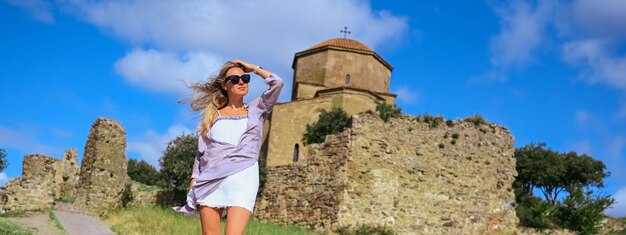
Begin at sunrise by the mediterranean coast near the White Tower, then walk the promenade toward Aristotelous Square; this popular stretch leads you from the oldest history into a lively city scene that remains interesting.
First stop: Hagios Demetrios, the hagios church that anchors Thessaloniki’s religious history and houses mosaics from centuries past. This spot shows why the city remains interesting and how its cultures came together, connecting regions across time.
From there, head to Rotunda and Arch of Galerius, two buildings whose late-Roman origins mark a turning point in the city’s architecture; the layers they reveal came from centuries of influence across the regions and prefigure modern life. The outdoor path between them leads you to the next spots along the city’s old core.
Afternoon route and sunset
Then ride or walk up to heptapyrgion, the fortress that dominates the hill, providing a view stretching across the metropolis; this site connects the old center with outside neighborhoods and offers a clear sense of the city’s topography.
Lunch in Ladadika offers a laid table and a Mediterranean menu; this area is popular for its spots and the chance to see how locals unwind anytime during the day.
Afternoon break at efthimiadis bookshop, a favorite local stop where you can browse a book on Thessaloniki’s history or pick up maps for the rest of your route. The shop itself is a nice example of the city’s small-world scene and gives a sense of the ones who keep the city’s literary tradition alive.
The Archaeological Museum presents artifacts that came from the oldest cities in the region and helps you read the history of this crossroads of civilizations.
End at Ano Poli (the upper town), outside the modern core, where the streets wind past historic buildings and offer a final panorama of the mediterranean coast; the view is remarkably tranquil at sunset and frames Thessaloniki’s long, layered scene, with hope for tomorrow.
Observații