
Shinjuku to Haneda Airport Line - The Ultimate Guide to Tokyo Airport Access

From Shinjuku, the fastest route is to ride JR to Hamamatsucho and transfer to the Tokyo Monorail for the 15–20 minute run to Haneda. In total, you should budget about 40–60 minutes depending on wait times between lines. Trains run for most hours of the day, with peak intervals every few minutes during morning and evening rush hours, and a later service window aligning with international flight schedules.
If you want a direct connection, the Keikyu Line from Shinagawa connects to Haneda after a transfer that you can arrange from Shinjuku. Bus options from Shinjuku provide a door-to-terminal option with departures throughout the day; check the schedule at your hotel reception or the guest desk. For some travellers, a taxi from Shinjuku Station can be expensive in peak hours, but it stays predictable if you’re carrying heavy luggage and travel during off-peak times.
Ticketing and booking are straightforward. You should consider reserving tickets in advance via klook or bookingcom to lock in a time, especially during busy seasons or near holidays. Using an IC card like Suica or PASMO speeds entry and exit, and dont worry about carrying exact change for vending machines or small imprest payments for a ride.
Haneda terminals offer a wide range of restaurants and shopping, making a quick stop before or after your flight convenient. The monorail station sits inside the terminal complex so you can move directly to departures without backtracking, and the reception desks in each terminal help with last-minute directions or luggage storage. If you travel with a guest or a group, the staff at the transport counter can guide you to the best route, and you can park nearby in public lots or use hotel parking if you’re staying in the Shinjuku ward before your departure.
Where to board the Haneda to Shinjuku Limousine Bus: terminal-level stops and pickup points
Board at Terminal 3’s arrivals deck, near the central bus stop, for the quickest route to Shinjuku. Using this point minimizes walking, keeps you on airport property, and puts you with the main fleet that runs to central Tokyo. Tickets are available at the service counter or via the company app, and drivers will assist with boarding. Travel time is typically 40-50 minutes, depending on traffic, with frequent departures that align with peak and off-peak times. Stay near the entry until the bus arrives, then simply hop on and store your larger luggage in the undercarriage so you can enjoy the views from the central deck during the ride. This place is clearly marked with blue signs and staffed to help you.
If your flight lands at Terminal 1 or Terminal 2, follow the same pattern: look for the blue Limousine Bus signs on the ground level outside baggage claim, at a pickup point situated near the central deck in each terminal’s arrivals area. The service desk in each terminal can confirm the exact location and offer a printed timetable. The team works across airport property, and the drivers coordinate with central dispatch to present a smooth, direct connection to Shinjuku without extra transfers. At Terminal 1 and Terminal 2, the pickup points are often a few steps from the main shopping corridor, so you can make purchases or grab a quick bite before boarding.
Terminal-level stops
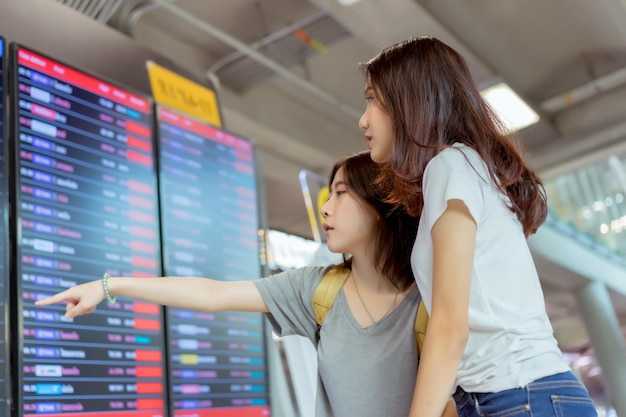
Terminal 3 places the Limousine Bus on the arrivals deck, with entry doors guiding you to the central bus area. Terminal 1 and Terminal 2 place their stops on the same ground-floor level, near the main exit routes and the central deck where multiple buses converge. Each stop is within easy reach of the central concourse, and signs present in both English and Japanese help you confirm the right queue. The service reflects the airport’s organized layout: drivers, who know this property well, can direct you to the correct queue and confirm the next departure time. If you arrive with a large group or bulky purchases, there’s ample space, and the storage compartment is designed to handle typical luggage sets without blocking aisles.
Pickup points and tips
Pros include a direct connection to Shinjuku, predictable timeframes, and convenient access from all terminals. Also, tickets can be arranged at the counter or via Purchases made online, and you can contact the company if you need a specific pickup arrangement. The central deck serves as a universal meeting place for friends or colleagues, with views of the tarmac that help you confirm the correct bus. If you’re staying in a hotel around the Kifune or Hachiman areas, this route still presents a straightforward path to central Tokyo, as the bus routes connect smoothly to major hubs. The service runs on airport property, and drivers will guide you to the best boarding point; you can park near the curb, then transfer with minimal steps. For late arrivals, check the latest timetable at the service counter or via the company’s contact line; the buses run frequently, and every bus is equipped with large luggage areas and comfortable seating–an easy, luxurious option for travelers with a need to reach the city center quickly. Simply follow the signage, present your ticket, and you’ll be on your way in a few minutes.
Ticketing options and fares for the Haneda–Shinjuku Limousine Bus
Book online in advance to secure the best fare and a guaranteed seat. The Haneda–Shinjuku Limousine Bus provides a direct, comfortable ride with minimal transfers, ideal for international arrivals and hotel guests staying near central Tokyo. This service is used by frequent travelers and by guests staying at property partners like Sunroute. You can view schedules and book from the official site or app, or buy on-site at airport counters, and you’ll meet the driver at the designated pickup area to board smoothly.
Booking options and fare structure
Ticketing options include online pre-purchase on the official Limousine Bus site or app, and on-site at Haneda terminals 1, 2, and 3 Limousine Bus counters. Hotel property partners such as Sunroute also facilitate booking for guests. View current fares and duration before you book; the least expensive options appear in off-peak times. Some fares allow exchange changes within the stated conditions, while others are non-refundable. Expect a typical one-way fare around 1,000–2,000 JPY, with variations by service, time of day, and luggage. The process is straightforward: select service, choose seats, pay by card, and receive a QR code to scan at the gate or boarding area. For groups or families, the fare per person often remains economical compared with multiple taxis, and you’ll find you’ve saved more than you think.
Practical tips for a smooth ride
Plan for the rush: arriving early at Haneda helps you avoid delays and ensures you reach the sunroute pickup area with time to spare. If you’re late, frequent departures are available, but you may wait longer during peak periods. The duration stays predictable–roughly 60–90 minutes depending on traffic–and you’ll arrive near Shinjuku Station with luggage handled by the bus crew according to the conditions on your ticket. Please meet the bus at the published gate or pickup point and present your QR code to board. The service is particularly comfortable for international travelers and members traveling with larger bags; the Sunroute network often provides reliable connections to nearby hotels and the property’s lobby, making the stay feel seamless. If you need a quick change of plans, you can exchange your ticket at the counter, though be aware of any fare difference and policy constraints. After arrival, you can view nearby options for transfers, including trains or taxis, depending on your final destination, with the least hassle and the simplest route to your stay.
Typical travel times and how schedules vary by time of day
Plan the Shinjuku → Shinagawa → Haneda option for fastest arrival. This route uses JR from Shinjuku to Shinagawa, then the Keikyu Airport Line to Haneda. It is the most convenient choice for tokyos guests with luggage, and you will arrive in about 40–45 minutes on typical days, plus 5–10 minutes for transfers between platforms and walking to the next train.
Times vary by hour. Morning rush (07:00–09:00) adds congestion and can push total to 45–60 minutes; trains depart every 4–6 minutes on JR and every 6–8 minutes on Keikyu, with transfer time around 5 minutes. Midday to early afternoon (10:00–16:00) settles to about 35–50 minutes as crowding eases; evening peak (17:00–19:00) keeps totals near 45–60 minutes, with slightly longer waits and more crowding on platform steps for transfers. Late night (after 21:00) can stretch to 50–75 minutes, but trains run at regular 15–20 minute intervals.
Details and alternatives help you tailor the plan. Route A (Shinjuku → Shinagawa → Haneda) remains the fastest baseline for most travel and is convenient when you have luggage. Route B (Shinjuku → Tokyo Station → Hamamatsucho → Haneda by Monorail) adds transfers but can be smoother if you stay near Tokyo Station or want to compare cost options. In addition, check online routes and timetables; you can view them within the official apps and websites. Most trains offer wifi, and you can arrive with a clear plan; use the details on each route to verify times before you depart.
Practical tips for choosing the route. For budget reasons, paying per segment on Route A often beats a bundled pass; for maximum convenience, Route A minimizes walking and uses one transfer. If you prefer central access, choose a route that keeps you near public transfer corridors with clear signage. Check the timetable within the official app, note the floor level near transfer points, and count steps between platforms. If you stay in a central villa or a hotel with a terrace, Route A helps you arrive with daylight to enjoy the view. In addition, many tokyos hotels offer a reception desk that can confirm times; contact them if you need last‑minute updates. If you plan to visit nearby districts after arrival, Route A keeps you within easy reach of central rail lines. Your best option on each trip depends on your stay location, luggage, and check‑in time, but Route A usually provides the cleanest balance of speed and ease.
Luggage allowances, seating layout, and accessibility on the Limousine Bus
To travel with the Limousine Bus from Shinjuku to Haneda, bring one large suitcase (up to 120 cm total) and one small bag, plus a personal item. Each large bag should not exceed 25 kg. Underfloor cargo holds accept two large suitcases per passenger; overhead racks hold smaller items. If you’re carrying a mobility device, inform the staff when you book or at check-in; they reserve space and assist with transfers at the curb. For oversized or specialty items, contact the centre before travel. If your location is near kifune, you can reach the Shinjuku stop quickly via the railway network, and the Sunroute area’s buildings and tower are easy landmarks for the pickup. This section describes the acceptable luggage, seating layout, and accessibility for the Limousine Bus, and the sunroute hub helps you verify the name on your boarding pass for a smooth transfer. This service is mainly used for airport transfers and runs throughout the day, including on monday mornings, with hours posted at the stop; during the busiest periods, getting to the curb can take longer, so plan ahead. Mets-area travelers will find clear signage guiding transfers to Narita or Haneda, ensuring you reach the centre of the terminal area with minimal hassle.
Seating and accessibility
The Limousine Bus uses a comfortable 2+2 seating layout with ample legroom. The front area includes a designated space for wheelchairs or foldable mobility devices; automatic doors simplify boarding, and friendly crew members assist with getting on and off the bus. Priority seating is clearly marked, and staff will help you move to the correct row if you need extra space during the ride. If you need to transfer to trains at Haneda or continue to Narita, staff can point you to the right platform or airport centre exit, ensuring a smooth handoff for your onward travel.
Practical tips for a smoother ride
- Arrive early to secure preferred seating; this is especially helpful during the busiest hours in the morning and early evening.
- Typical ride time is 40-50 minutes; plan to be at the terminal area about 30 minutes before your flight.
- No on-board restaurant service; you can eat before departure or at restaurants around the Sunroute complex or near the terrace area outside the buildings.
- For luggage, place two large suitcases in the underfloor hold and keep your carry-on within reach to avoid delays during transfers.
- Transfers to Narita: staff will direct you to the correct transfer point at the centre of the terminal or help you connect to trains from nearby platforms.
- Accessibility: if you require extra assistance, book in advance and mention your needs; the staff will arrange the best bus option and door-to-door assistance where available.
- Names and sections on the ticket are clear; double-check the name, route, and stop number on your boarding pass to avoid confusion in a busy station.
- Overall, this service is friendly and efficient, mainly aimed at airport transfers, and designed to keep getting you to Haneda smoothly.
After arrival: reaching Shinjuku Station exits and key connections
Head to the East Exit Gate and follow the JR concourse toward the Yamanote Line; this is the most convenient path for onward travel to ikebukuro and Shibuya.
From the arrival hall, follow bilingual signs for JR Lines toward the East Exit Gate. The network uses connected underground passages, escalators, and elevators to shorten your heading, with staff ready to assist during busy hours. Keep belongings close, move with the crowd, and note the process for transfers to avoid delays.
Transfers from Shinjuku: the main connections
The JR Yamanote Line serves ikebukuro and Shibuya on different directions; the Keio Shinjuku Line offers access to western suburbs as well. If you’re heading toward Kifune or other northern destinations, select the correct gate on the central concourse and head toward the northbound platforms. Trains to Ikebukuro depart frequently, with rapid services offering faster hops between major hubs.
Keio Shinjuku Line links to a connected gate on the western side, useful for shopping and hotels nearby. For airport access or longer trips, the limousine bus terminal at the station provides direct routes to Haneda and Narita. A prepaid card like Suica or Pasmo keeps transfers smooth and avoids buying multiple tickets at each step.
Practical tips for arrival with belongings
Visit coin lockers if you carry lots of belongings. Lockers vary in size; a 40-50 cm unit is common for mid-size bags, with larger options available. Most machines require a small deposit noted on the panel, and prices depend on size and duration.
If you arrive with heavy gear or lots of gear, pickup services via your hotel desk or a luggage-forward option offer a convenient alternative. For those driving, park in authorized lots outside the busy station area, then walk to the gates to minimize traffic and hassle in peak hours.
Shinjuku offers lots of shopping options within a short walk from the gates. Note that hours vary, but you can visit luxurious department stores like Takashimaya or Isetan–especially handy for late arrivals. Five-star hotels nearby provide reliable pick-up services and room amenities such as hairdryer, making your first Japan visit more comfortable. If you plan a quick visit to Shinjuku Gyoen Park, it’s a short stroll from the station exit, a pleasant note after a long journey, and a good way to stretch your legs before continuing.


