
Rome Public Transport - The Ultimate Guide to Getting Around the Eternal City
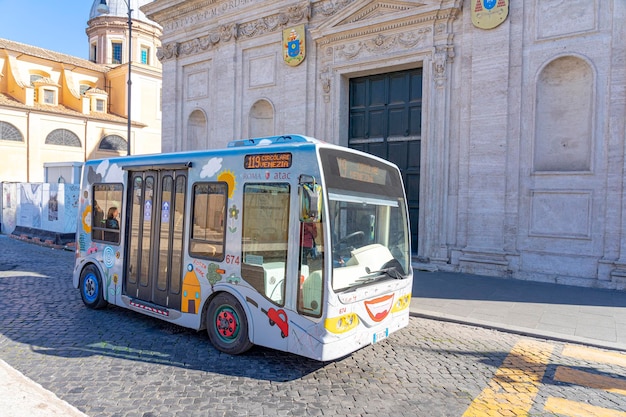
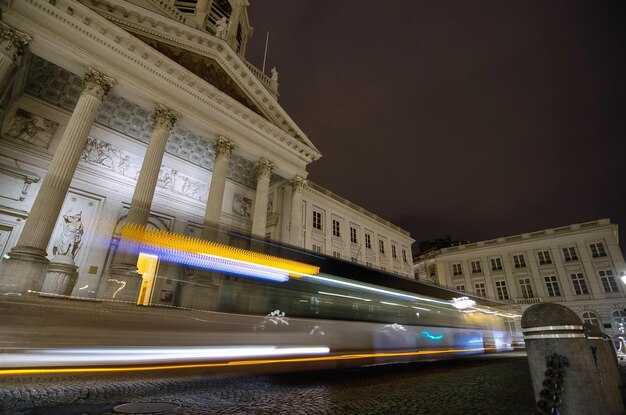
Purchase a 24-hour ticket and validate it before your first ride. This gives you access to metro, buses, trams, and the overground railway for a day, letting you move quickly without hunting for change at every stop. If you’re staying longer, consider a 48- or 72-hour pass to cut per-trip costs, and wanting to simplify your schedule, you’ll appreciate the flexibility. As an alternative to taxis, transit is often faster in central Rome.
Start with the metro for fast hops between Termini and the historic core. Line A stops at Spagna, Barberini, and Ottaviano, bringing you within steps of piazza Navona, the Vatican, and the ancient Forum. For longer trips, the overground railway and urban lines provide an express option to outer neighborhoods without crawling through traffic. This system links central sights to a nearby neighborhood beyond the ancient core. It’s smart to carry a card for ticket machines, and you can purchase extra rides on-site if needed.
In the historic center, driving is rarely worth it. Parking is expensive, and streets around the piazzas narrow quickly. Look for hotel entrances near major hubs or stroll from a nearby neighborhood to cut travel time. If you’re wanting a seamless day, use buses and trams to reach sights like the Colosseum and Trastevere without circling for parking. Some exits on the left side of stations lead directly to key sights.
Transfers are straightforward: when you need to change lines, follow the signs at large stations that connect metro to buses or tram routes. If you miss a connection, the express options and the railway network have frequent departures. Some stations offer lifts for accessibility, and you’ll feel how well Rome’s transit system threads together different corners of the city. For a practical plan, start from a piazza, map a route that folds into further sights, and end near stores to grab a quick bite or a snack before heading back to your hotel.
Choosing the Right Transit Pass for a Roman Stay
Start with a 72-hour transit pass if your stay lasts about three days and you plan to ride buses and the metro often; its validity begins at first use and includes unlimited travel on buses, metro, and trams, making it the most useful option for sightseeing near the colosseum and other monuments.
Prices typically run about 7 euros for 24h, 12.5 euros for 48h, and 18 euros for 72h. These passes allow unlimited rides on buses, metro, and trams, and you can pay with contactless cards or phones at turnstiles. The activation occurs on first use, so you dont need booking in advance in most cases. addition: pair the transit pass with a separate sightseeing ticket for a colosseum tour to maximize your time. That price covers unlimited rides during the validity.
Where to buy: ATAC kiosks at Termini and other major hubs, official vending machines, or tabaccherias. Check the address on signs or ask an info desk for the nearest ticket desk.
Travelers with a tight sightseeing schedule should opt for a 72h pass; for a lighter itinerary, a 24h or 48h option plus occasional single rides keeps costs down. This strategy helps you cover top sights like the colosseum and other monuments without juggling tickets.
Feel the ease of moving between sights with a transit pass that saves time and money. It gives you useful freedom for a tourist trip and lets you explore the city once, and again, with confidence. Booking a separate guided tour after you ride is optional.
Fares, Tickets, and Validation Across Rome's Public Transport

Get a 24-hour ticket if you expect several trips in a day; it covers buses, trams, and the metro for 24 hours from first validation, with unlimited trips included in that window. The standard BIT costs €1.50 for a 100-minute window, but a 24H ticket at €7.00 often saves money if you plan four or more rides. The 24H option is quite a good value, and just map your route and compare costs; unfortunately, some visitors assume a taxi or ride-hail is cheaper for short hops, but the numbers tell a different story.
Purchase options include vending machines at metro stations, ATAC ticket offices, and authorized tobacconists. You can pick up a paper BIT or load a digital version on the official app. Vending machines print color-coded tickets and accept cash or card; during high-traffic hours, lines form, so buying ahead helps. Validate on the first ride to activate the fare. For further help, staff at ATAC desks can assist.
Validation happens on every ride across Rome's public transport: scan your ticket at validators on buses, trams, and at metro turnstiles before you begin. Each fare stays valid for the window, allowing multiple trips; keep the ticket when you walk between stops on foot or exit a vehicle, avoiding fines during checks.
Rome's network uses color on route signs to guide you through ancient streets and piazzas. Plan trips to minimize transfers and avoid backtracking; a typical day includes several short hops between stops, which is easier with a valid time-based ticket, making your day smoother. For late hours, taxi and uber are options, but always compare the total cost to the public network fare.
At kiosks, giovanni – a long-time vendor – can explain how to use a paper ticket or a digital option. Adults typically pay the standard rates, while youths and seniors may qualify for discounts with proper ID. Having a receipt handy helps if inspectors stop you in transit, making the process smoother and avoiding confusion in these things.
Practically, travel with a valid ticket and keep it accessible in your pocket while moving among stops. If you need late-night travel, call a taxi or uber; for quick options, you may order a digital ticket via the official app and show the code when asked. There are several options; among them, the 24H ticket remains the best value for most stays in the city center, to make sure you are covered.
Using the Rome Metro: Lines, Stations, and Accessibility
Buy a 48-hour pass to maximize coverage and simplify budgeting while you explore citys districts and museums. Validate on entry and youll board quickly, freeing time for a fountain stop, a stroll by spagna near the Spanish Steps, or a Colosseum visit during your adventure. Staying flexible will enhance your experience.
Lines and Stations
Rome's Metro covers lines A, B, and C. Line A serves the core historic zone with stations like Spagna and Ottaviano; Line B links central sites with Rebibbia and Laurentina, including Colosseo and Termini as major interchanges; Line C extends the system north–south with newer sections. Look for yellow signage on wayfinding and floor markers to stay oriented; maps and English-language notices are available at major hubs. When planning transfers, Termini is a safe starting point to switch between lines, and spagna or ottaviano connect you from Line A to the Spanish Steps or the Vatican area, respectively. Further, atac maintains up-to-date station information that applies to accessibility and validation rules. You can also reach another stop by choosing the line that minimizes distance to your target district.
Accessibility and Practical Tips
Accessibility varies by station. check atac's official pages for current elevator or ramp options and plan which entrances youll use; in many cases, main entrances offer easier access. If you need english-speaking help, head to Termini or Ottaviano where staff can assist and maps are available in English; signage often includes English labels too. You must validate with a ticket or pass on entry; this means youll pay once and can move across lines. For seating, look for seat markers near doors and ask staff if you need space. The 48-hour plan balances exploration of the citys districts with visits to museums and fountains; youll be able to reach a new area without long waits, and you can continue your adventure by choosing the line that brings you closer to your next stop with the least transfer. Paying is simplified with a single pass, and they service multiple means of transit, including buses and trams. Finally, keep a copy of your plan and a backup route in case of service changes, and use atac's english-speaking help if you run into confusion or delays.
Buses and Trams: Routes, Stops, and Real-time Updates
Get a 48-hour transit pass before you ride; it reduces time spent waiting and simplifies payment.
The buses and trams cover central corridors efficiently, with frequent lines running between trastevere, the area around museums, and Termini. Boarding takes a moment at the front or rear doors, and here signs clearly show next stops. The italian system uses clear color-coded routes, so keeping your 48-hour pass handy makes trips smoother.
Real-time updates appear on the official Rome Mobility app and the on-street boards. When you board, validate your ticket or load a paid pass; if you travel with documents, keep passport in hand. For time-sensitive trips, check the live arrivals before leaving your current corner; this helps you avoid delays near busy corners or near the circus area.
From ciampino, take the direct city bus to Termini and then hop on a tram or bus to reach trastevere or the circle of museums. If you're staying near the corner by a hotel, apptaxi can save a few minutes. Keep your documents and passport handy as inspectors may board without warning. Traveling with a 48-hour ticket is easy, and it works on most lines across the year.
| Route | Stops (examples) | Real-time updates | Notes |
|---|---|---|---|
| Route A (trastevere ↔ termini) | trastevere, Piazza Santa Maria in Trastevere, Termini | Official app; live boards at major stops | Frequent service; inspectors board from time to time |
| Route B (circus area ↔ monti) | circus area, Colosseo, Monti | Live arrivals; here at the stop | Better late-morning to avoid crowds; corner checks |
| Route C (ciampino corridor) | ciampino bus stop, Termin i, Piazza Venezia | App alerts; paid options available | From ciampino, direct bus connects into city lines |
Planning Rides with Apps: Real-time Schedules and Trip Tools
Add your main lines to favorites in your transit app and enable real-time alerts for delays. These essentials keep you moving without second-guessing every stop.
Although citys like Rome rely on trains, a timetable view covers subway, tram, and bus routes in one screen. A 72-hr window helps plan weekend trips, while a month-long plan suits longer stays around europe's highlights.
Use trip tools to estimate travel times, transfers, and fares over different routes. If you travel with a group, you can give a route share with a button and indicate a seat option on crowded trains.
Real-time updates warn you when doors close or a line is rerouted. You can refresh a route and switch to a nearby alternative if a line is crowded, which helps near sights like the Colosseum or the Vatican.
First-time travelers should set a default ride from a hotel to major sights and add a backup route that avoids stairs on narrow stations.
If you prefer Kiwi or Europe-wide apps, you gain cross-border coverage and included fare options. Kiwi includes citys data and 72-hr passes, and they simplify fare tracking on the go.
Always check the timetable the moment you arrive, as delays can shift buses and subways. Practically, save two backup routes and watch alerts before heading to the subway.
With real-time schedules and trip tools, you cover the ancient core and the suburbs efficiently, leaving more time for great sights and eating at sidewalk stands. This approach would give you more flexibility and spare minutes for unexpected discoveries.
Night Travel, Safety, and Etiquette on Rome's Transit Network

Always validate your ticket before boarding and keep it accessible; at night, you'll be equipped with a map, a charged phone, and a kiwi-colored pouch to stay visible and prepared.
Be alert for pickpockets, especially on crowded platforms and near termini corridors; store valuables in zipped pockets or a hidden pouch, and avoid displaying wallets or phones on open laps; that wont happen if you stay aware of stores and exits around stops as distractions rise late; remind yourself to stay calm and focused.
Respect etiquette by letting others exit first, giving space on crowded buses, and stepping aside when doors open; adult commuters and business travelers travel together, so keeping conversations quiet and avoiding blocking aisles with bags or bikes, and avoiding contact where possible.
Many routes remain accessible after hours, including connections from trastevere to termini; plan your week with official timetables and choose planned options that match accessible entrances and staffed stops, especially for offices with luggage or for adults commuting between work and home.
Check timetables for late-night services; this article highlights routes that are well-lit and staffed, with clear signs and real-time updates, making your navigation smoother across europe's transit network.
Use illuminated signage to navigate reliably; avoid isolated stops, and therefore stay near security staff or camera zones; travel with a friend if possible, and report suspicious activity to staff or the police.
When you plan night tours of Rome, choose services that are well-lit and well-served by late buses or metro lines; weekly schedules help you avoid long waits; if you ride bikes, bring a sturdy lock and use designated racks near termini, and keep gear compact so you won't block aisles.
Getting to Rome’s Sights: Practical Routes and Timings by Public Transport
First, buy a weekly transit pass and validate it on boarding; it applies across metro, buses, and trams, letting you transfer between routes without extra purchases.
Direct planning pays off for commuters and visitors alike. The routes below target three core clusters and include typical times and transfer hints so you can keep moving quickly.
-
Ancient Rome cluster: Colosseum, Roman Forum, Palatine Hill
- How to reach: Metro B to Colosseo directly from Termini or Barberini; exit and walk 5–10 minutes to the Colosseum.
- Time and pacing: metro runs every few minutes; expect about 15–25 minutes from central hubs with minimal transfers.
- Tips: consider timed-entry tickets; you can combine the Forum and Palatine Hill with a short stroll. If you’re not staying near Termini, you can purchase a single ride and then transfer to a bus for the last leg.
-
Vatican Museums and St Peters (peters)
- How to reach: Metro A to Ottaviano or Cipro; from Ottaviano walk about 15 minutes to the Museums or take bus 40/64 for a faster option.
- Time and pacing: from central districts, plan 25–40 minutes door-to-door depending on crowds and transfers.
- Tips: lines can be long, so consider timed-entry tickets and self-guided tours to save time; ensure you purchase a valid ticket in advance and validate on first ride.
-
Borghese Gallery and Villa Borghese
- How to reach: Metro A to Barberini or Spagna, then a short walk into the park; tram connections from central stops can cut the walk.
- Time and pacing: allow 20–30 minutes from central hubs; 1–2 hours inside the gallery are typical, with timed-entry rules applying.
- Tips: reservations are often required; purchase tickets online and bring a valid ID; if you have a monthly or weekly pass, you still need the timed-entry ticket for access.
-
Trevi Fountain, Pantheon, and Spanish Steps
- How to reach: use Spagna (Line A) for Trevi and Pantheon, and Barberini for the Spanish Steps; you can walk between these sights in about 15–25 minutes without heavy transfers.
- Time and pacing: plan a single-day loop; buses and trams provide quick links when you need a break from walking.
- Tips: ordering your route by crowds and time of day helps avoid bottlenecks; stay hydrated and enjoy the atmosphere of the three iconic corners.
-
Trams and local links
- Trams to know: lines 2 and 3 connect central Rome with Borghese Park and beyond; use them to move between the Borghese area and the ancient core without climbing steep streets.
- Time and pacing: trams run with a steady cadence; plan 5–15 minute hops, longer on weekends or evenings.
- Tips: theyre a good option to keep people feeling connected; always validate when you board and stand near the doors during busy times to avoid crowding.
Tips for seamless travel: avoid Uber for routine hops; the public network is efficient, cheaper, and eliminates the wait for private rides. Always purchase and validate tickets before boarding; consider weekly or monthly passes if you plan multiple days between sights. whether you’re here for three days or a week, you can tailor routes to minimize waiting and maximize time at the sights.


