



 Português
  English (UK)
  Русский
  العربية
  日本語
日本語  한국어
한국어  Magyar
  Türkçe
  Español
  Čeština
  Svenska
  Ελληνικά
  Suomi
Suomi  Nederlands
  Română
  Italiano
  Français
  Polski
  Українська
  Deutsch
  简体中文
简体中文  Slovenčina
  The Lift Rivalry That Shaped Whistler and Blackcomb’s Alpine Experience">

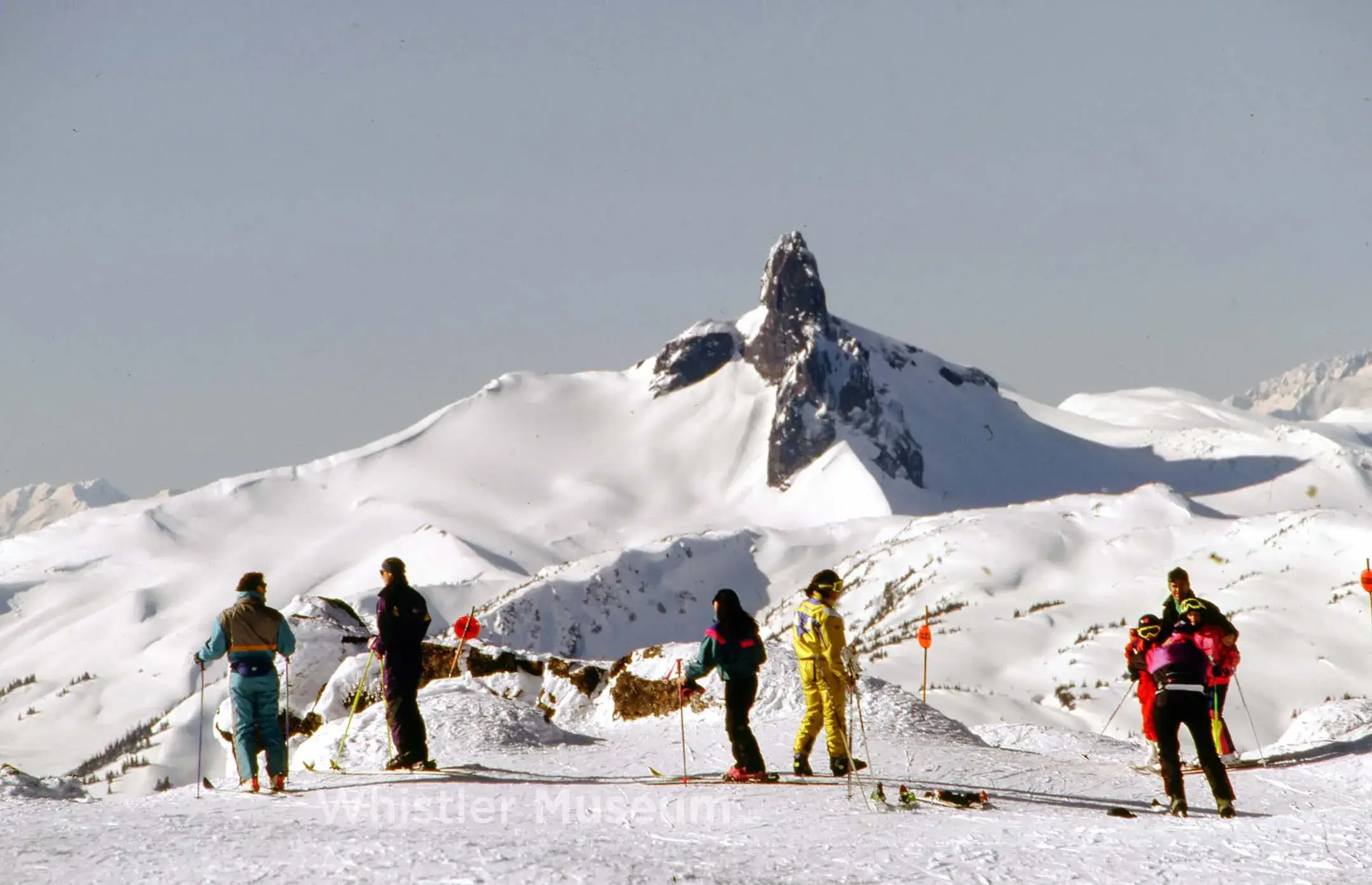
This article reveals how the competition between 7th Heaven e o Peak Chair transformed skiing on Whistler and Blackcomb, and how that history still affects visitors today.
The rivalry at a glance
Whistler and Blackcomb began as two distinct mountains with contrasting design philosophies: Whistler’s trails encouraged side-running the terrain, while Blackcomb emphasized fall-line descents. For decades the two resorts competed fiercely, with only a single point of collaboration in the form of a Dual Mountain Pass. The true spark of their contest, however, was the battle of the lifts — landmark installations that expanded alpine access and redefined who came for powder, who came for big lines, and who came for the views.
Milestones in the duel
- 1985 — Blackcomb opens the 7th Heaven T-Bar, claiming continental “Mile High Mountain” status and unlocking vast glacial terrain.
- 1986 — Whistler responds with the Peak Chair, a one-kilometre, three-seater lift depositing riders near the 2,182 m summit.
- 1987 — 7th Heaven Express replaces the T-bar with a longer four-person chair.
- 1988–89 — Blackcomb permits snowboarders first; Whistler follows a year later.
- 1996 — The mountains merge as Whistler Blackcomb, but local preferences for one side or the other remain strong.
Quick comparison
| Caraterística | 7th Heaven | Peak Chair / Peak Express |
|---|---|---|
| Initial lift type | T-bar (1985) | Three-seater (1986) |
| Upgrade | 7th Heaven Express, 4-person (1987) | Peak Express, 4-seater detachable (1998) |
| Terrain opened | Glacial bowls, 1160 acres | Cliffed, steep summit faces |
| Early access policy | Skiers only (initial) | Skiers only (initial) |
What those lifts changed — terrain, crowd, and culture
Opening 7th Heaven gave Blackcomb access to four powder bowls and dramatically increased skiable acreage, inviting explorers to “travel down runs covering 1160 acres.” The elevation and exposure created terrain that felt, as filmmaker and freeskiing pioneer Mike Douglas put it, like being “dropped off at the edge of the world.” Olympic champion Nancy Greene praised the variety and the views that defined the twin peaks.
Whistler’s Peak Chair answered with a direct route to the summit, favoring steep, corniced lines that attracted riders seeking extreme terrain. Together the two lifts shifted visitor behavior: early mornings now find skiers and boarders assembling at base stations, waiting for avalanche clearance teams to open fresh lines.
Rules, culture and evolution
Initially both lifts were skier-only. Snowboarders arrived at Blackcomb first in 1988/89, with Whistler following after hesitation. The slow embrace of snowboarding is a reminder that lift design, club culture, and operational policy shape who feels welcome on a mountain and how crowds distribute between peaks.
Practical advice for visitors
- Plan arrival times around avalanche clearance to get the best early tracks.
- Choose gear that suits the summit terrain: long skis for fall-line runs on Blackcomb, nimble skis for Whistler’s mixed slopes.
- Book accommodations and transfers with ski-friendly providers to ensure storage for skis, proper seat spacing, and timely airport shuttles.
- Expect different crowds: 7th Heaven tends to draw explorers and glacial hunters; Peak attracts steep-terrain specialists.
The duel’s modern legacy and travel logistics
Although the commercial rivalry ended with the 1996 merger, loyalties endure. The dual peaks still define Whistler Blackcomb’s identity and create practical considerations for travelers: which side of the mountain will most of your planned runs be on, and how will that affect daily transfers between lodges, base areas, and parking? Skiers and snowboarders with a mind to maximize time should pick transfer services that can handle ski racks, varied passenger counts, and precise drop-off locations near the lifts.
Highlights of why this topic matters and why it’s interesting include the dramatic terrain opened by each lift, the cultural shift around snowboarding, and the continuing preference battles among riders — yet no collection of reviews or guidebooks can substitute for personal impressions carved on the snow. On GetTransfer, you can hire a car with driver from verified providers at reasonable prices. This empowers you to make the most informed decision without unnecessary expenses or disappointments, enjoying the convenience, affordability, and extensive vehicle choices along with a wide range of additional options. Book your Ride GetTransfer.com
To conclude, the 7th Heaven vs Peak Chair duel rewrote the alpine map at Whistler Blackcomb and shaped how visitors plan their days, transfers and gear. Whether arriving by airport shuttle, taxi, private car, or limousine, exact timing and vehicle choice matter — from how much luggage and skis fit in the boot to whether the driver holds the right license and knows lift-side drop-off points. For travelers who want to get to the right run at the right time, a reliable service and clear fares make all the difference. GetTransfer.com supports this need by offering a global, user-friendly solution to book personalized transfers, trips, and deliveries with transparent prices, vehicle details, and driver ratings — making it simple to choose the best car, seat and service for your Whistler adventure.
Comentários