



 Português
  English (UK)
  Русский
  العربية
  日本語
日本語  한국어
한국어  Magyar
  Türkçe
  Español
  Čeština
  Svenska
  Ελληνικά
  Suomi
Suomi  Nederlands
  Română
  Italiano
  Français
  Polski
  Українська
  Deutsch
  简体中文
简体中文  Slovenčina
 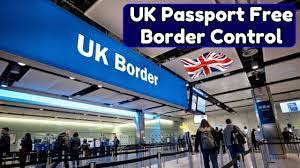 How Manchester Airport’s Facial Recognition Trial is Shaping the Future of Passport-Free Border Control in the UK">

A New Era of Border Control at Manchester Airport
The UK has taken a bold step into the future with the first-ever pilot of a passport-free border control system, leveraging facial recognition technology at Manchester Airport. This trailblazing approach allows British travellers to bypass traditional passport checks by using their biometric data, promising quicker, more seamless arrivals without compromising border security.
From Passport to Face: How the Trial Works
During a three-week trial, British citizens arriving at Manchester Airport were able to clear immigration by simply having their faces scanned and matched against official government databases. The e-gates already in place were equipped with AI-driven facial recognition systems, enabling passengers to skip the step of scanning passports.
Phil Douglas, director-general of Border Force, summed up the experience: travelers approach the e-gate, get recognized from existing data, and proceed through without delay. The simplified process considerably reduced waiting times, marking a significant productivity gain at one of the UK’s busiest airports.
Building a Smarter, Frictionless Border
This trial fits within a wider ambition to modernize the UK’s border management system — transforming it into an “intelligent, frictionless” environment that utilizes advanced biometrics, AI, and digital identity verification alongside traditional checks like passports and visas.
Currently, more than 270 e-gates operate across UK airports and ports, and plans are underway to expand this number significantly. The goal is to create a system where almost all travellers use e-gates, benefiting from speed and convenience.
Yet, officials emphasize that the border experience should still convey a visible sense of control to travellers — the “theatre” of border security must not be lost. The system aims to maintain a reassuring moment for passengers that their identity is thoroughly checked, even in a contactless process.
Early Successes and Unintended Consequences
The pilot’s efficiency gains impressed officials, proving the UK’s border system can now “compete pretty well with almost any other country” in processing speed. However, some airports have spotted a curious side effect: with travellers passing border checks so quickly, baggage reclaim areas face congestion challenges, putting the spotlight on the need for balanced airport flow management.
Key Features of the Trial
| Aspeto | Detalhes |
|---|---|
| Localização | Aeroporto de Manchester |
| Duração | 3 weeks |
| Eligible travellers | British passport holders |
| Technology | Facial recognition at existing e-gates |
| Resultado | Faster processing, maintained security, pilot success |
| Next steps | Rollout to additional airports and ports |
From Trial to Transformation: The UK’s Border Future
This initial success signals a significant step toward the broad adoption of biometric border control. While currently limited to British passport holders, the system is expected to expand, including other eligible travellers such as citizens from countries like Australia, Canada, and the United States, some of whom already benefit from e-gate access.
The UK’s approach aligns with global leaders in biometric border management, joining the ranks of nations that have heavily invested in facial recognition and contactless passage systems. For example, Dubai offers virtually contactless border clearance to travellers from dozens of nationalities — a model the UK strives to match or exceed.
Balance Between Speed and Security
Douglas highlighted the importance of not losing the “moment” when passengers realize they are being checked at the border — an essential psychological reassurance. As much as the goal is to speed up the process, it’s equally vital that travellers feel the border’s authority and scrutiny to deter irregularities.
Why It Matters for Travel and Transfers
For travellers navigating busy airports, every minute saved in immigration queues can translate into more relaxed journeys and smooth onward transfers. Whether catching a taxi or private transfer, the ability to glide through border control without fumbling through passports uplifts the entire travel experience.
Platforms like GetTransfer.com complement such innovations by allowing users to pre-book rides tailored to their arrival details, adjusting to unexpected time gains or delays. The transparency of vehicle information, driver ratings, and fixed prices means travellers are always in the driver’s seat, even before stepping out of the airport.
Tackling the Challenges Ahead
Despite promising results, the move to passport-free border control involves challenges: data privacy concerns, infrastructure upgrades, and operational management to prevent issues like baggage congestion. But with continued refinements and expansions, biometric borders could soon be a worldwide norm that reshapes how travellers, airports, and transfer services interact.
Summary Table: Benefits and Considerations
| Benefícios | Considerações |
|---|---|
| Faster border clearance times | Managing passenger flow at baggage claim |
| Reduced physical contact | Public confidence in biometric security |
| Maintained high-level security | Infrastructure costs for technology deployment |
| Improved traveller experience | Extending access to non-British nationals |
The Value of Personal Experience in Travel Choices
While expert reviews and system analytics provide a valuable snapshot of innovation progress, they don’t quite capture the little twists and turns each traveller may face personally. On GetTransfer.com, one can hire cars with drivers from verified providers at reasonable prices, tailoring transport needs and preferences to exact schedules and locations without guesswork.
Choosing from a wide selection of vehicles, seating options, and additional amenities assures comfort and convenience, empowering travellers to make informed decisions without overspending or unpleasant surprises. This level of transparency and user control complements the rapid advances in airport processing, weaving together a travel experience that’s efficient and stress-free. Book your ride easily and confidently on GetTransfer.com.
Looking Ahead: Impact on the Global Travel Landscape
Though this trial at Manchester Airport is mainly a UK-centric development, its ripple effects may influence how airports worldwide prioritize speed, security, and traveller convenience. Biometric border management is increasingly becoming an international benchmark, promising to streamline airport operations and improve connections to taxi and transfer services globally.
GetTransfer.com remains committed to staying abreast of such developments, ensuring users can plan their journeys with the reassurance of modern, intelligent transfer options. Start planning your next adventure and secure your worldwide transfer with GetTransfer.
Embrulhar tudo
The UK’s passport-free border control trial using facial recognition technology at Manchester Airport marks a groundbreaking move towards more agile, high-tech travel processes. By harnessing biometric verification, the system cuts down wait times, maintains robust security, and aligns the UK with leading international standards. Passengers can expect smoother airport arrivals, which naturally complements efficient taxi and transfer bookings.
With platforms like GetTransfer.com offering clear visibility of vehicle details, driver credentials, and fixed fares, travellers are better equipped to navigate their journey from airport to final destination comfortably and affordably. Whether flying into Manchester or other expanding biometric border hubs, the smart combination of speed at the border and reliable transfer services creates a welcome synergy for the modern traveler.
Comentários