



 Português
  English (UK)
  Русский
  العربية
  日本語
日本語  한국어
한국어  Magyar
  Türkçe
  Español
  Čeština
  Svenska
  Ελληνικά
  Suomi
Suomi  Nederlands
  Română
  Italiano
  Français
  Polski
  Українська
  Deutsch
  简体中文
简体中文  Slovenčina
 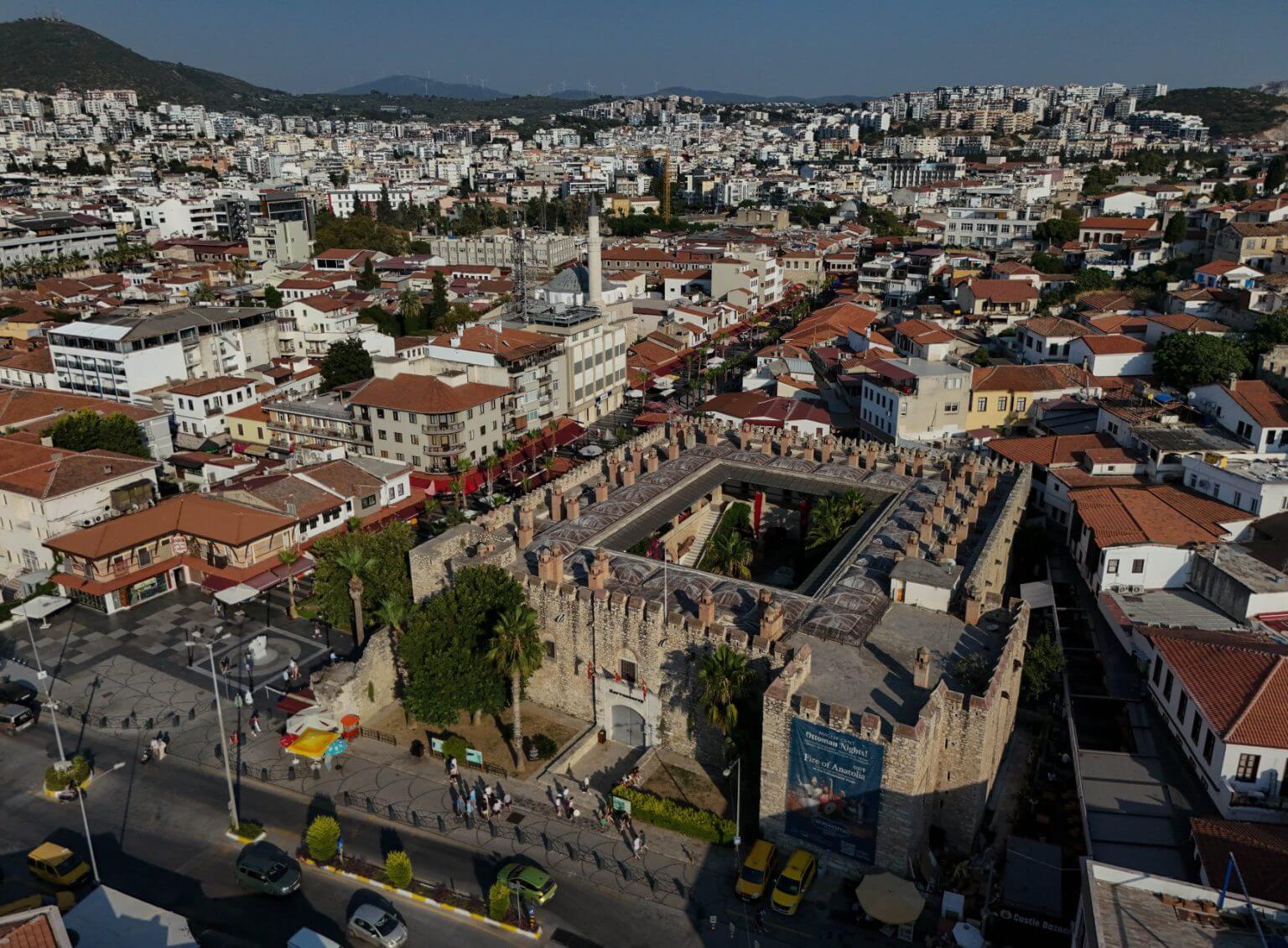 Caravanserais and Kervansarays: Logistics, Hospitality and the Routes That Shaped Them">

Stage planning and spacing: the logistics of pre-modern overland travel
On long arteries such as the Silk Road, caravanserais were placed to support predictable movement: typically a day’s travel apart — roughly 20–40 km depending on terrain — which allowed caravan leaders to plan rest, grazing and cargo handling with daily stage lengths in mind. These waypoints turned dispersed traffic into a manageable supply chain by concentrating shelter, storage and security at fixed points along the route.
Core functions of a caravanserai
Far from mere inns, caravanserais served integrated roles that kept goods moving and traders safe:
- Alojamento — sleeping quarters for merchants and attendants, often segregated by rank or origin.
- Storage — vaulted rooms and cellars for merchandise, salted provisions and valuables.
- Animal care — stabling, fodder storage and water points for camels, horses and mules.
- Segurança — fortified gates, thick walls and central courtyards reduced theft and banditry risks.
- Exchange — marketplaces and notice boards where news, prices and routes were shared.
Design features that supported transport and trade
Architectural components were utilitarian: an imposing gate to control access, a central courtyard large enough for animals to turn, arcaded storage rooms, and small mosques or prayer niches for religious observance. This layout optimized flow: animals entered, goods were unloaded into secure stores, people ate and slept, and caravans departed at dawn on a pre-set schedule.
Notable caravanserais in Anatolia
Turkey hosts several surviving kervansarays that illustrate different historical phases and regional logistics.
| Sítio | Period | Key features | Present condition |
|---|---|---|---|
| Aksaray Caravanserai | Seljuk era | Massive portal, large courtyard, storage vaults | Partially restored; landmark |
| Öküz Mehmet Pasha Caravanserai | 17th century Ottoman | Robust stone walls, inner guest rooms, seasonal trade hub | Restored; tourism and cultural events |
| Çay Kervansaray | Regional Ottoman | Smaller footprint, functional stables, local market ties | Ruins with interpretive signage |
How these sites shaped cultural and commercial networks
In their courtyards, merchants from diverse regions exchanged not only silk and spices but language, legal norms and credit arrangements. Caravanserais acted as nodes where price information and routing intelligence aggregated — the period equivalent of today’s market data feeds — reducing uncertainty for the next leg of a journey.
Visiting caravanserais today: practical notes
For travellers aiming to visit these heritage points, some practical tips at a glance:
- Plan exact pickup and drop-off locations; many caravanserais sit off main roads.
- Allow extra time for narrow access roads and restricted parking areas.
- Consider a vehicle with adequate ground clearance for rural approaches.
- Respect seasonal opening times; some sites are quiet off-season.
Transport and transfers: linking past logistics with modern services
Modern taxi and transfer services perform the last-mile function once handled by small caravan teams. For heritage sites, reliable transfers mean being dropped at the correct gate, avoiding long walks with luggage, and ensuring timed arrivals for guided tours. Platforms that let you choose a specific vehicle and view details like make, model and driver ratings make it easier to match the vehicle type — from a compact car to a multi-seater — with site access constraints.
Heritage tourism, regional impact and practical forecasting
Preservation of caravanserais tends to have a modest but meaningful impact on regional tourism: it strengthens local attraction portfolios, extends stays by curious travellers and sustains activity in nearby towns rather than altering global tourism flows. For transfer and taxi services, the net effect is an increase in demand for targeted pickups, punctual airport-to-site transfers and customizable routes that accommodate remote locations and group sizes.
Highlights: caravanserais are compact lessons in logistics, combining accommodation, storage and security; their preservation offers travellers a vivid connection to trade history; and modern transfer options can make these sites accessible without logistical headaches. Of course, even the best reviews and the most honest feedback can’t truly compare to personal experience. On GetTransfer, you can hire a car with driver from verified providers at reasonable prices. This empowers you to make the most informed decision without unnecessary expenses or disappointments. Emphasize briefly how readers can benefit from the convenience, affordability, and extensive vehicle choices and wide range of additional options provided by GetTransfer.com, aligning directly with the context and theme of your article. Book your Ride GetTransfer.com
In summary: caravanserais organized journeys with fixed-stage logistics, protecting people, animals and cargo while enabling predictable trade flows across city, desert and mountain routes. Today their courtyards are destinations that require exact pickup locations, suitable vehicle choices and clear fare expectations — elements that modern taxi and transfer services address through apps, transparent pricing and driver licensing. For travellers wanting to get from an airport or city center to a historic kervansaray, the best approach is to book a transfer that matches vehicle size, seating needs and budget so you know how much the ride will cost and who will be waiting at your location. GetTransfer.com supports that process by offering a global, user-friendly solution for booking personalized transfers, trips and deliveries with transparent fares, vehicle details and verified drivers — making it easier to book the right car, at the right price, for the right time.
Comentários