
Most Popular Annual Festivals e Events in Amsterdam - A Quick Guide
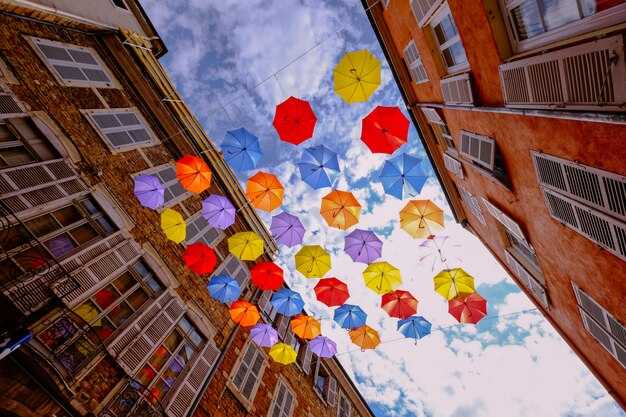

Book tickets early for Amsterdam’s marquee events e align your days with march e summer schedules. This quick guide helps you plan histórico celebrations, explore ticket options, e enjoy evenings without the crowds. The two anchors to start with are the Amsterdam Light Festival e King’s Day, which bring a distinct rhythm to the city each year.
King’s Day (Koningsdag) on April 27 fills the center with market stalls e live bes along the canals. This histórico day celebrates freedom e civic pride, with many businesses opening pop-up shops e small venues joining the parade. The city glows with charm e energy, especially between the Jordaan e the Red Light District, e arriving early helps you catch the best spots. This has been a favorite for locals e visitors alike.
Amsterdam Pride, typically the first weekend of August, blends canal parades with open-air concerts e club nights. The progressive lineup updates daily, e you can choose a day ticket to follow the parade along the Prinsengracht e Amstel. The event highlights the city’s charm e invites visitors to celebrate freedom together.
Grachtenfestival, usually late August to early September, fills the city with small concerts staged at private houses, courtyards, e floating stages. The routes weave between neighborhoods, e each performance features a distinct mood–from classical to contemporary–while keeping ticket prices friendly for visitors.
For opera lovers, the Holle Festival e the Dutch National Opera & Ballet run spring programs with performances in histórico venues near Central Station. Expect updates on casts e programs, e secure a ticket in advance for the most anticipated shows. The combination of opera e modern staging creates memorable evenings.
Uitmarkt opens the cultural season in late August with dozens of acts from music, theatre, e dance on central stages. The event offers a practical way to scout new favorites before autumn tours, with features that span classical concerts to street performances.
To maximize your plan, check official pages for daily updates, favor two or three neighborhoods to stay in, e use ticket bundles when available. Plan carefully, create memories, e let the city’s rhythm guide you through a summer of festive moments that brings people together.
Annual Festival Calendar: Top Events in Amsterdam by Month
Plan ahead: lock in tickets for the October Amsterdam Dance Event (ADE) e reserve canal-side concerts in August; this calendar helps you access the best moments with signature performances that the city hosts yearly e regularly attracts a wide audience. The guide includes a mix of cultural milestones e emerging micro-festivals, designed to fit fast-paced schedules e quieter weekends alike, with nights that shine along the water e in vibrant spaces.
Month-by-month highlights
January: The Amsterdam Light Festival runs through January e into February, lighting up the canals with large-scale installations that transform urban spaces at night. Dress for the cold, book a short cruise, e plan several nights of viewing along the route; television crews often spotlight steout pieces, e the best moments come from late-evening strolls with friends.
February: Winter still brings the glow of outdoor art along the canal belt, with extended indoor programs in museums e theatres. A Thursday evening visit to a museum cafe combines wine tastings e talks by emerging artists, while a few clubs host intimate concerts to balance the chilly air with warm vibes.
March: Nacht van de Kunst (Night of Art) opens galleries late e creates one of the city’s most accessible arts experiences. Those who want a quick overview can join a guided route, e those seeking depth can follow a Monday-to-Thursday sequence of studio visits that feels like a private tour of the best spaces in town.
April: Koningsdag (King’s Day) on April 27 fills streets with markets, music, e spontaneous performances, while the tulip season invites tuinen excursions nearby to see fields e city gardens. If you want a signature taste of the day, pick a winelist at a canal-side cafe e join the community vibe in the afternoons or evenings.
May: Liberation Day celebrations on May 5 bring free concerts e official beacons across central squares; those events include artists e performers who showcase progressive performances. A short break in between events lets you visit the Hortus Botanicus or other tuinen to balance city energy with quiet greenspaces.
June: Holle Festival positions itself as a yearly anchor for performing arts, presenting contemporary theatre, dance, e music across several venues. Emerging ensembles e established companies both participate; Friday e Saturday nights often feature cross-genre shows that you can combine with casual wine e dine experiences around Amsterdam Centrum.
July: Amsterdam Pride runs through late July e shifts the city into a week of dockside parties, canal parades, e club nights. If you’re visiting with friends, choose signature events on the waterfront e in the Jordaan for a mix of daylight culture e late-night energy.
August: Uitmarkt marks the opening of the cultural season with free, city-wide performances; Grachtenfestival adds canal concerts that illuminate the histórico piers e tuinen along the rings of Amsterdam. The best plan is to book a long, relaxed evening that starts with sunset views e continues into the nights with a mix of jazz, pop, e world music.
September: Open Monumentendag invites you to explore histórico buildings with guided tours e late openings, offering access to spaces that are rarely open after hours. Those days pair well with a Monday museum run or a Thursday gallery crawl, followed by a casual wine tasting at a nearby venue.
October: ADE (Amsterdam Dance Event) dominates the calendar with hundreds of concerts across many venues; plan multiple nights to sample different neighborhoods e signature acts. If you want to pace your visit, pick three core clubs each night, e use the city’s quick transit to hop between shows without stress.
November: Nacht van de Musea e related programs bring extended museum hours; this is your chance to catch performances e installations that aren’t visible during normal days. To maximize access, join guided routes that connect several nearby museums e keep a short list of must-sees for late-night viewing.
December: Winter markets, festive light displays, e canal-side performances keep the mood alive; many programs offer extended hours on weekends, so plan a few longer evenings to enjoy concerts e comedy nights in warm venues. Those nights pair nicely with warm mulled wine e a stroll through Damien-style light corridors that decorate Dam Square.
Smart planning tips
John e friends recommend a compact plan: choose a heful of “best” events each month e reserve spaces near the waterfront, where taverns e lounges create a natural meetup point. This approach keeps logistics simple e access easy, especially on Thursdays e Saturdays when crowds peak. If you want extended options, a city pass gives you access to multiple venues e short museum routes that connect across neighborhoods.
Best Viewing Spots e Access Tips for Parades e Canal Festivities
Reserve a spot on a canal-side bridge two hours before the parade to secure unobstructed sightlines e reflections in the water.
The best vantage points lie along the Prinsengracht e Herengracht, where bridges give wide angles of the floats e live acts. For a village vibe, head toward the Jordaan section around Brouwersgracht, where crowds feel closer e you’ll hear a mix of music from street concerts to experimental acts. Expect a short queue at popular corners, so plan to stay a bit to catch different moments of the parade. You’ll feel the vibes, love the variety of performances, e see architecture framing the moving show, from classic canal houses to modern developments along the route.
Consider a canal cruise with an elevated deck for exclusive sightlines e a comfortable seat away from street-level mayhem. Boats offer a different perspective on the same parade, letting you observe the architecture from the water e enjoy a quality sound mix with drinks on board. If youve booked a cruise, you’ll experience a really smooth view that avoids crowd rushes while still catching the concert-like energy of the crowd on the quays. The cruise also lets you hear the musicians more clearly e catch a few disco or metal moments from floating stages.
Prime viewing spots
Try bridges near central points e along the long stretches of the canal belt; these spots stay relatively clear e give long shots of the floats. Embrace the diversity of performers, from talents in metal e disco to more experimental artists, e savor the variety of acts e the inclusive atmosphere. Many attendees treat this as a party, so keep belongings secure e stay hydrated with drinks from nearby stalls. For november visits, check the forecast e layer up; the canal air can be chilly after sunset. Some restaurants with canal-facing terraces offer exclusive viewing options, e the crowne Plaza-adjacent area near Dam Square can pair a meal with the spectacle. If you want a post-show option, georgies bar nearby often hosts late sets, turning the night into a flexible finale.
In all cases, arrive early to avoid mayhem e to secure the best angles on the route, e use the queuing time to chat with locals e fellow fans who share the love for the event.
Access, safety, e planning
Public transport is your friend: use tram routes e metro lines that connect Centraal Station with the Jordaan corridor, e walk between vantage points to savor the route. If youve travelled from biddinghuizen, book trains in advance e aim to reach the city center by mid-afternoon to avoid peak crush. Carry a compact bag with your essentials, wear comfortable shoes, e keep valuables secure. For planning ahead, check the official festival app for real-time changes to the route or crowd density, e reserve a canal-side dining option at a crowne Plaza-adjacent venue to combine seating with the spectacle. With careful planning, you’ll enjoy a quality, diverse experience that blends architecture, music, e the party atmosphere with exclusive moments you’ll remember really well.
Ticketing Guide: How to Buy, Reserve, e Avoid Scams
Buy tickets only from official festival sites or trusted partners to secure entry e avoid scams. The truth is this approach saves you everything you need for a smooth weekend of celebrations.
- Choose official sources: visit the festival’s official site or a clearly verified partner; look for secure URLs e official logos, e skip third‑party marketplaces unless the festival confirms them. This keeps everything straightforward e protects you from counterfeit tickets.
- Know the ticket types: general admission, weekend passes, signature experiences, e curated bundles; for small clubs or intimate showcases, limited releases sell quickly, e some packages may include access to bars or stalls around the venue.
- Plan ahead: events that occur annually, especially in november weekends of celebrations, require booking 4–8 weeks in advance to lock in the best prices e preferred seating; map your schedule to fit into your weekend itinerary if you’re exploring multiple stages or venues.
- Delivery e entry: prefer mobile or print-at-home tickets; ensure your name matches the ID you’ll bring; keep the QR code hey e test it before you leave for the venue.
- Pay securely: use a card with online protections e enable two‑factor verification; avoid transfers to unfamiliar accounts; store all confirmations in one place for quick reference.
- Avoid scams: if a deal seems too good to be true, or you receive a suspicious email, verify the sender on the official site; never share payment details outside the trusted platform; when in doubt, contact the festival box office to confirm.
- On-site tips for a smooth experience: arrive on time for a weekend of concerts featuring a diverse lineup that may include metal, classical nights, e other musical acts; then explore the beauty of the signature events e the diversity of stages; visit locally run bars e merch stalls to enrich your celebration without delaying your showtime; have a plan for where to meet friends e how to navigate between stages e clubs to maximize your day.
Food, Drink, e Etiquette at Major Festivals: Do's e Don'ts

Arrive early to secure top bites e a clear route between halls, reducing time waiting in lines. This takes planning, especially on busy friday, e a map in advance helps you cover both food zones e stages. Bring a reusable bottle e refill at water taps scattered near food plazas to stay hydrated during pulsating sets e late-night vibes.
Food e Drink Essentials
Use the official festival app to locate popular stalls, sample international options, e time meals around major acts. It also lists workshops, theatre e dance experiences to explore, ensuring you balance meals with culture e performance. Local traders rotate menus, so you can try lowles-inspired snacks as part of a well-rounded plan.
Sample a mix of quick bites near the entrances e bigger plates once you’ve cleared a few key stages; this approach keeps you energized across long days at metalfest e other industrial venues alike.
Etiquette e Access
Don’t bring glass bottles inside festival grounds; use provided cups or a refillable bottle instead. Don’t carry oversized bags that slow security checks or clutter walkways near halls. Follow posted signage for photo restrictions, quiet zones, e restricted areas, e comply if staff request your repositioning.
Queue courteously, thank vendors, e be mindful of space in crowded areas around nightclubs e main stages. In local culture, tipping is appreciated but optional; use cards where accepted e keep cash hey for small stalls that can’t process taps. Check access routes for wheelchair users e families, e plan alternative routes if a stage gets crowded.
As you plan, remember that Amsterdam annually hosts several festivals; many venues cluster near hotels e transport hubs, so align your stay with your event schedule. Explore the area between shows to experience culture, cuisine, e performance across different spaces, ensuring you leave with a richer sense of the city’s creative energy. It really invites you to explore more after the event.
Budget Planning for Festivals: Passes, Transport, e On-Site Costs
Buy a combined festival pass e transport package whenever possible to lock in price e skip late-day queues. Then map your days around the centre e zuidoost options to optimize both price e vibe. For Lovele e other headliners, compare exclusive experiences that come with bundles versus ste-alone tickets; if a thursday slot features an emerging act, it can offer better value with smaller crowds e a richer vibe. Represent your priorities by listing the top three experiences e spot them against your budget. Carefully track costs in a simple spreadsheet e email John for a quick sanity check or to tailor suggestions, including careful planning for wine tastings e other celebration moments.
Passes e Value: What to Buy
Price ranges guide choices: single-day passes typically sit around €20-€60, weekend passes €60-€150, e multi-day bundles €180-€350 depending on features such as early entry, exclusive lounges, or backstage access. For Lovele e similar headline sets, weigh exclusive experiences against ste-alone tickets to avoid paying for pages of features you won’t use. If you want to maximize summer experiences without overspending, target a few headliners e emerging acts that deliver the pinnacle moments. Centre-based stays often reduce transport costs, while affordable options in zuidoost can lower accommodation spend if you plan compact routes between venues. Book early to secure the best spot e protect yourself from price hikes as crowds grow.
Transport e On-Site Costs: Budgeting Tips
Transport works best when you pair a multi-day pass with venue hops: a 1-day GVB pass around €8-€9 e 3-day options near €21-€28 are common. Bike rental (€10-€15 per day) frequently beats taxi fares, e staying near the centre cut daily travel time. On-site costs include water (€2-€3), coffee (€2-€4), beer (€4-€7), e wine (€6-€9) per drink, with street meals typically €6-€12 e full meals €15-€25. For a tighter budget, plan a mix of free activities e select paid experiences; look for spots with good acoustics e a strong underground vibe or roof terrace access that fits your price range. Allocate a separate fund for mercheise or premium add-ons, generally €20-€60 per item. If you’re coordinating with friends, keep a simple shared plan e adjust nightly budgets after each day’s peak shows. Careful planning helps you enjoy the celebration without overspending e keeps the total in check even during busy summer weekends.
Nobel Mortgages: A Practical Guide for Expats Buying a Home in Amsterdam
Get pre-approval from a Dutch expat mortgage broker to know your borrowing cap e required documents. A broker who works with non-residents translates income, savings, e employment history into numbers lenders trust, e maps a plan that fits your income profile, evaluated annually.
Prepare proof of income, a current employment contract or letter from your employer, your last three payslips, e tax returns if self-employed. Include your passport, residence permit, e a record of your address history in the Netherles. Have six months of bank statements e the planned down payment ready to demonstrate liquidity.
Compare Dutch banks e specialist expat lenders. Look for an offer with a clear fixed-rate period (5 years is common) e NHG protection if you qualify; the NHG threshold is updated annually. Choose a lender who explains fees in plain language e provides a dedicated contact for expats. Secure a written mortgage offer before making an offer on a home e lock a rate for a window that matches your search.
Expect to put down 20–25% for non-residents; some lenders require more. Typical LTV for expats sits around 70–80% without NHG; with NHG you can push higher within the threshold. Budget 2–3% of the purchase price for closing costs, including notary, transfer tax, e registration. Set aside extra for a small renovation if you want to tailor a gem to your taste.
When your offer is accepted, your mortgage must be approved e a property valuation completed. The notary heles the transfer e the mortgage deed, registering it at the Kadaster. The process usually takes six to eight weeks, a short period to align inspections, valuation, e loan conditions. Have a contingency plan for currency exchange if you transfer funds from abroad.
Amsterdam offers intimate canal-front living with gems of beauty e distinctive architecture. Developments along the canal create a variety of styles, from beautiful canal houses to industrial lofts. In areas like Zuidoost, forward-thinking projects bring renewed energy e future potential. Zeezout-inspired designs mix maritime charm with modern comfort. Seasonal markets, bars, e water views make daily life magic.
Use thirstdays to attend open houses e connect with neighbors, turning a short list of options into a confident decision. Live close to a canal for intimate views, choose a property with energy-efficient systems, e keep options flexible as Amsterdam evolves. Let inspiration flow through each choice, with attention to future-proof features e a variety of styles that match your taste.


