
Morocco Travel Guide - Essential Tips and Top Destinations
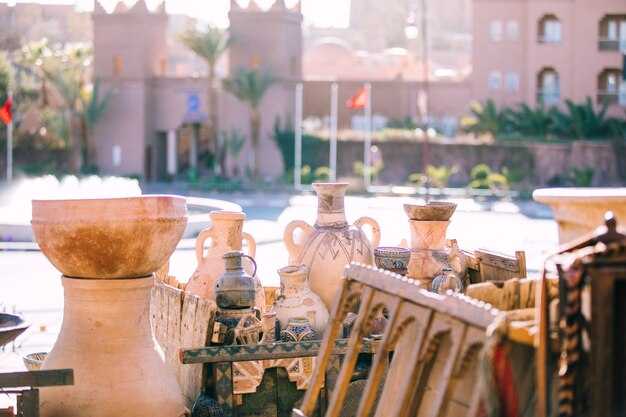
Start with a 5-day plan centered on Marrakech, chefchaouen, Fes, and a mountain day in the Atlas. This focused loop minimizes backtracking and frees time for in-depth experiences. The massive medina streets pulse with color, spice, and texture, and a stroll through a quiet jardin offers a calm counterpoint before evening markets. For connections, compare a few flights and check policies at the border; booking early locks in better prices.
From Marrakech, hop a reliable shuttle to the Atlas foothills, then string together stops that reveal terraces, kasbahs, and villages. The window of sunrise photography over the mountains is brief, so tailor the first stop to catch the light. The chefchaouen visit deserves a dedicated afternoon, and you can allocate a quarter of your day for blue lanes, overlook points, and cafe breaks.
Next, add Fez for a network of alleys and historic markets, including leather workshops and dye pits. Look for accommodations with clear inclusions such as guided walks and breakfast; the price will vary by season, typically 70–150 USD per room per night for mid-range riads. If you prefer a coastal finish, a boat trip from Tangier to Tarifa makes a useful Spain add-on; plan a buffer for ferry schedules, which depend on wind and tides.
For rail and road, plan the backbone of the trip with a mix of trains and buses. Morocco's network covers multiple stops between major cities, and a shuttle can cut transfer times at airports. In the south, the mountain passes connect to valleys that open to the Sahara. If you crave a water-based option, a quick boat ride along the Atlantic coast can be a scenic break between Essaouira and Agadir, or a day cruise to a nearby bay. Keep a window seat on flights for coast-to-dessert views.
Trip planning notes: check local policies on tipping and photo rules in religious sites; refer to official tourism pages for visa requirements and inclusions in city passes. An amount of time in each town helps you sample markets, gardens, and rooftop restaurants. For transport, compare domestic flights and trains, then reserve a shuttle from the airport to your hotel to avoid delays. A smart move is to keep a daily budget and track expenditures by city; this makes it easier to adjust plans when you see a price swing during peak seasons.
Recommended top destinations and practical tips: Marrakech's lively souks and the jardin experiences around Majorelle, the blue streets of chefchaouen, Fez's ancient medina, and the dramatic mountain scenery of the Atlas. If you want deeper culture, book guided walks that cover crafts, inclusions, and museum entries. Expect a total daily budget around 70–160 USD per person in high season, excluding flights; this covers meals, entries, and a key city walk. If you’re combining Morocco with a Iberian leg, a boat crossing to Spain can add flexibility and be worth it when flight prices rise.
Morocco Travel Guide: Practical Tips and Top Destinations; Fez Airport Transfers for Arrivals and Departures
Make a reservation with a licensed Fez airport transfer service at least 24 hours before your arrival to guarantee a fixed price and a dedicated driver. Starting your trip with this step saves time and reduces stress from the moment you land.
The amount you invest in this step pays off with smoother arrivals and departures, avoiding long taxi lines and last-minute negotiations at the terminal.
Several transfer options exist, and lucky travelers often stick to private door-to-door service for predictable schedules, while shared shuttles save money.
What to expect at Fez–Sais Airport and during transfers:
- Meet-and-greet with a name sign, assistance with luggage, and a clean, comfortable vehicle.
- Clear pricing, receipts, and refunds policy if plans change; ask for refunds or credits when booking.
- Providing driver contact details for changes and 24/7 support, especially if your flight is delayed.
- For families, specify infants or child seats in advance; some operators provide these at no extra cost.
From Fez, several itineraries connect you to unique coastal, cultural, and desert day experiences. The following stops balance tradition and adventure, starting with essaouira and extending to other highlights:
- Essaouira – picturesque, windswept coast with a charming medina, fresh seafood, and film-worthy sunsets.
- Chefchaouen – Andalusian-inspired blue lanes, traditional crafts, and a relaxed pace that invites lingering.
- Volubilis and Meknes – explore the roman ruins at Volubilis and the cultural legacy of Meknes.
- Merzouga and desertday excursions – camel rides, dune camps, starry skies, and a rugged, adventurous feel.
- Rabat or coastal towns near the Atlantic – a cultural complement with museums and seaside strolls.
When planning, tailor itineraries to your desired pace and interests. For families, select routes with frequent breaks and infant-friendly stops; for adventurous travelers, weave in markets, mountain roads, and waterfalls stops along the way to create a more unique experience.
Practical tips for bookings and experiences:
- Choose refundable or flexible reservations where possible, and confirm the same-car arrangement for seamless transitions between legs of your trip.
- Compare options from several providers to find the best value and service quality, and read reviews for hospitality standards.
- Ask about infant seats, luggage limits, and multilingual drivers to enhance the experience.
- For a cultural immersion, ask your driver or guide about local stories, markets, and restaurants offering traditional dishes.
For those who appreciate history and cinema, plan a stop at Volubilis or nearby Roman sites to capture unique pictures and learn about ancient life, then reflect on how Moroccan hospitality layers tradition with modern comforts. This approach adds a starting point for a broader Moroccan journey, while keeping logistical details simple and transparent.
Refunds and rescheduling options help you adjust plans without stress. Review cancellation windows and any fees before confirming a reservation, and keep documentation handy in case plans shift. Described choices along the way provide several ways to adapt your trip, ensuring you have an almost effortless, enjoyable experience from arrival to departure.
Fez Airport Arrivals: Fast Immigration, Baggage, and SIM Options
Grab a local SIM from Orange, Maroc Telecom, or Inwi counters right after you claim baggage. Data packs with 2–6 GB are budget-friendly, activation adds a small surcharge, and staff frequently speak french and arabic, helping you stay online for maps, translations, and ride-hail apps.
Immigration moves clear and smooth when you have your passport ready and any required form filled. Follow the posted signs to the passport control, answer routine questions, and proceed to the exit once stamped. Peak flight times can slow lines, so plan to move quickly with your documents in hand.
Baggage claim sits near the arrivals area; monitors display the flight number and belt assignment. If a bag doesn’t show, contact the baggage desk with your claim tag and flight details. Clear signage and helpful staff speed up the process, so you’re not taking extra steps before exiting to the pickup zone.
SIM options at Fez airport are straightforward: three main operators–Orange, Maroc Telecom, and Inwi–offer starter kits with data. Expect 1–10 GB data options, priced roughly in the 20–60 MAD range, with activation completed on the spot. Some counters add a small surcharge for quick activation; ask for an English-speaking agent if possible. If you prefer flexibility, check for eSIM availability on compatible devices and ask about multi-day passes.
Plan your onward transfer: a taxi to the city center runs around 150–200 MAD depending on your stop and time of day; rideshare apps are available, and a direct line to Fez’s historic core is common. For budget-minded travelers, consider a short bus hop if offered by the airport shuttle service, though taxis remain the most reliable option with luggage. From there, you’ll step into a historical city where accessible routes and bike-friendly lanes let you explore the pearl of Morocco with ease, adding to your itinerary a cool mix of murano-bracelet shops, traditional musicians, and atmospheric souqs.
Fez’s arrival point helps you set the pace: almost every traveler praises how easy the initial steps feel when you plan ahead. If you’re continuing to Casablanca or tangier, you’ve already set a practical baseline for timing, costs, and comfort. Hotels around the medina offer a unique stay with easy access to major sights, and taking a dawn hike along ramparts provides clear views of the old town–the kind of experience that makes Fez a standout start to any Moroccan trip.
From Fez Airport to Fez City Center: Cheapest, Fastest, and Easy Routes
Take a direct transfer from Fez Airport to Fez City Center for the fastest and easiest start.
Cheapest option is a shared transfer from the arrivals hall to the city center, typically 60-80 MAD per person, with a travel time around 25-35 minutes depending on traffic.
For more comfort, hire a private transfer arranged in advance; price roughly 250-350 MAD and a 20-30 minute ride. Pickup points are at the terminal desk, and drivers can help with luggage; reserve ahead with the provider of your choice.
Budget travelers can also use a public transit option by taking a city bus to central areas and finishing with a short walk; this option costs around 10-15 MAD and takes about 40-60 minutes.
Budget-minded stops include hostel options near the older quarter; you can plan day trips to century-old sites and still enjoy meals and relaxed views of the mountain and the city.
For itineraries that connect Fez with other cities, consider a marrakeshday excursion or a Florence-inspired day trip to nearby sites; you can reserve a driver for a few hours to visit a village and scenic viewpoints, and you may even notice a decorative snake statue near the market along the way.
Keys to success: use reliable pickup points, check the driver’s name in your confirmation, and keep a relaxed pace so you can enjoy the sights and meals along the route.
| Route | Type | Price (MAD) | Duration | Pickup Point | Notes |
|---|---|---|---|---|---|
| Direct transfer | Private | 250-300 | 20-25 min | Arrivals hall | Most time-efficient; cash or card accepted |
| Shared transfer | Group | 60-80 per person | 25-35 min | Airport terminal curb | Cheapest; seating varies; good if you don’t mind waiting |
| Private transfer pre-booked | Private | 250-350 | 20-30 min | Pre-paid pickup desk | Most comfortable; luggage handled; set pickup time |
| Public bus + walk | Public transport | 10-15 | 40-60 min | Terminal bus stop | Low cost; plan connections; carry-on needed |
Top Moroccan Destinations by Experience: Fez, Marrakech, Chefchaouen, and the Sahara
Plan a four-stop loop that starts Fez for a hands-on feel of morocco's crafts, then Marrakech for vibrant markets and tasting streets, then Chefchaouen for blue-washed calm, and finally the Sahara for a desert pulse. A relaxed 10–14 days lets you stay in each place, spend time in markets, and riding at a gentle pace. In morocco, you reach most locations with door-to-door transfers, enjoy guided tastings, and sample delicious meals without rush. Carry cash and cards; choose a sturdy bag like jbilets for day trips. those moments in morocco's markets bring french notes on pastries and coffee, adding a subtle polish to your meals. Take notes and plan flexible breaks to save time and avoid issues with logistics.
Fez and Marrakech: Contrasts and plans
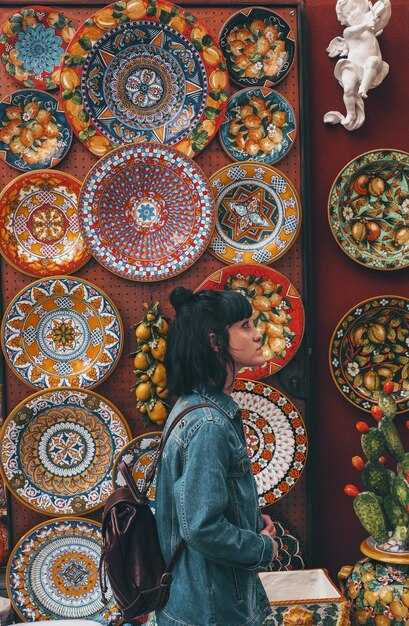
Fez delivers medieval texture: the tanneries, the medina gates, copper markets, and tile workshops. Hire a local guide to avoid dead-ends; a two-hour stroll can evolve into a half-day loop if you explore spice courtyards and lustered workshops. Entrance fees for key monuments typically range 20–60 MAD; save by buying a combined pass where available. Stay in a riad with strong hospitality, sip mint tea, and savor tasting plates that show different flavors of morocco’s cuisine, with a french twist on pastries and breads. In Marrakech, the vibe shifts to markets that thrum from dawn to dusk; plan 2–3 hours to wander the souks, then climb to a rooftop for leisure hours and a view over the Atlas foothills. Guided tastings of spices, olives, and breads help you compare flavors without rushing. These experiences pair with generous courtyards and hospitality that makes every stop feel welcome. Take advantage of above-the-city views and doors-to-door service to keep the day smooth for those long exploration stretches.
Chefchaouen and the Sahara: Blue streets and desert skies
Chefchaouen slows the tempo with blue lanes and easy hikes into the Rif Mountains above town. In chefchaouenday, locals host friendly music nights and small markets where you can shop for woven baskets and wool robes. Stay two nights to enjoy leisure strolls, then head toward the Sahara for a contrasting pace. In the Rif Mountains above town, easy trails reveal blue alleys from fresh angles. In the dunes, a camel ride at sunrise becomes a quiet moment; the transfer from town is straightforward, and a hired guide keeps the route simple. Camps serve delicious Berber meals, and hospitality shines through shared tea and storytelling. Pre-book a two-night desert plan to save time on logistics and to spend more hours under starry skies, and be prepared for cooler evenings with a bottle of water and a light jacket.
Intercity Travel: Trains, Buses, and Private Transfers – Booking Tips
Book trains 14 days ahead on popular routes to secure seats and lower prices, then use the ONCF app for hassle-free mobile tickets and confirmations.
Trains connect major hubs across moroccos with reliable schedules. Al Boraq handles high-speed legs, while standard services link Casablanca, Rabat, Fez, Marrakesh, Tangier, and beyond. Expect 2nd class cars with comfortable seating and 1st class with more space; amenities typically include air conditioning and quiet cars. For a scenic daytime ride, choose trains that fit your arrival and drop-off location, and read the timetable in advance. If you plan to learn about local life along the route, rides through rolling hills and kasbah-lined coastlines offer ample photo chances.
CTM and Supratours cover most intercity routes with predictable schedules and competitive prices; booking ahead saves time and avoids crowded buses. Expect amenities like air conditioning and power outlets on newer coaches. For routes through palm-studded plains and endless landscapes, a late afternoon ride provides great light for photos. If a stop isn’t convenient, private transfers can provide a tailored option with door-to-door service and fewer transfers, ideal for arrival days and travelers curious about moulay Idriss and local kasbahs.
Private transfers provide a personal, door-to-door option from airports or train stations to your location; prices vary by distance and vehicle, usually starting around 350–600 MAD (40–70 USD) for city centers. Book with a reputable company and confirm the driver will meet you with a sign inside the arrivals hall. Request a tailored pickup that suits your location and driving style; you can add a short stop at a mosque or a kasbah, or drop you off near a pearl of a neighborhood to grab a souvenir and start your stay with a feel of local life. If plans change, you can adjust your course with the driver to optimize arrival timing, and you can arrange a music-filled drive with local musicians along the way.
Departure Day in Fez: Check-in, Security, Luggage Storage, and Lounge Access
Arrive at Fez airport two hours before international departures, riding a direct taxi from the city center to the terminal, and be ready with online check-in and your documents. Fez's historic medina dates back to the 9th century, and the modern terminal keeps travel convenient. In the pre-security zone, you’ll find french pastry counters and mid-range dining options, with some quick dinner choices for a smooth start, and if you began your day with a morning hike, the calm space helps you reset before the next step.
Check-in and Security
In the check-in hall, select the line with the fewest people to reach your desk quickly. Have your passport, boarding pass, and visas ready, then place liquids in a clear bag and remove laptops for screening. Guides at the information desk can point you to the fastest route to your gate, and their knowledge helps you adapt to any changes. After the security sweep, keep your items organized to move toward the gate, and the staff will help with any last-minute adjustments. The terminal’s compact size makes almost every area reachable within a few minutes, so you can stay on schedule.
Luggage Storage and Lounge Access
For baggage, ask at the desk about storage options near the arrivals or departures area; some desks offer day rates, others shorter holds, depending on your needs. The lounge, located near the domestic concourse, provides amenities such as wifi, power outlets, coffee, tea, snacks, and comfortable seating. Access comes via lounge programs, credit cards, or direct pay, and it’s convenient if you want to review the next steps before heading to your gate. The space has been praised by travelers for its calm atmosphere and practical layout; if you’ve enjoyed a visit to jardin majorelle or udayas in Rabat earlier, you’ll appreciate the same sense of balance here. For couchsurfing fans, coordinate with a host for possible early pickup, and for campers, keep camping gear separate to simplify checks and keep your hands free for boarding.


