



 Português
  English (UK)
  Русский
  العربية
  日本語
日本語  한국어
한국어  Magyar
  Türkçe
  Español
  Čeština
  Svenska
  Ελληνικά
  Suomi
Suomi  Nederlands
  Română
  Italiano
  Français
  Polski
  Українська
  Deutsch
  简体中文
简体中文  Slovenčina
 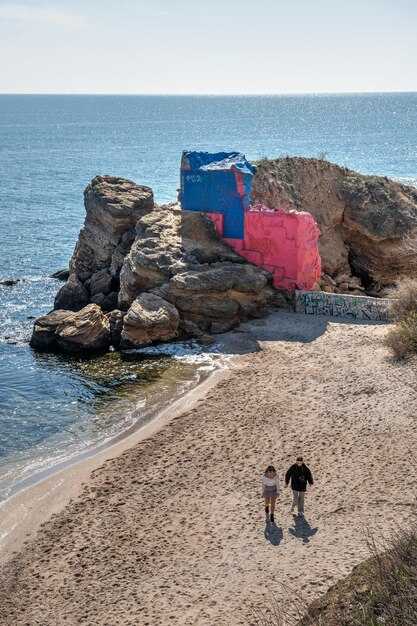 Lisbon Beaches – A Guide to the Best Beaches Around Lisbon">

Head to Carcavelos Beach for a quick, reliable start to your Lisbon beach day. This heading points you to the closest big stretch with easy train access from Cais do Sodré and a long line of sands that stay lively through the afternoon.
For a calmer escape, figueirinha offers soft sands and quiet coves, ideal for a pessoal recharge. Grab meals at a seaside cafe and watch fishing boats roll in; nearby cidades offer quick loops if you want to extend your day with bars and a casual club cena.
Between lisbons and the coast lie towns with distinct vibes: Costa da Caparica provides the longest sands and busy bars; Sesimbra offers sheltered coves and fresh meals, while Ericeira brings surf culture and an active evening crowd. they offer multiple options for a flexible day.
Taking the train from Cais do Sodré to Carcavelos or Cascais keeps travel simple, with services every 20–30 minutes. If you cant rely on public transport, driving along the coastal road takes 25–40 minutes depending on traffic. You can head back after sunset easily, as the coast stays lively with sunset-friendly bars and night services along the stations.
Getting There: From Lisbon to the coast by train, bus, or car
Take the train from Lisbon to Cascais for a quick, relaxed getaway. The sintra-cascais rail line links central Lisbon with Sintra and Cascais, letting you begin your coastal tour without traffic headaches. Trains are the fastest means to reach the coast, and you’ll be on the platforms in minutes.
Trains from Cais do Sodré to Cascais run roughly every 15-30 minutes in peak times, with a ride of about 40 minutes. From Rossio to Sintra, expect around 40-45 minutes and frequent departures, especially early in the day, which helps you maximize daylight for hiking trails or Pena Palace surroundings. In Lisbon, you can also use the elevador to shorten the climb to the riverfront before you catch the train, a small sheltered start to your day. If you stay near the river, the classic bridge views tempt quick photo stops along the way.
Bus options cover the same area but offer limited frequency on weekends. A coastal bus can take longer than the train (60-75 minutes to reach Praia das Maçãs or Estoril), but it may be convenient if you’re staying outside central Lisbon or want a view of the shoreline between stops.
Renting a car gives flexibility for a day trip or a longer stay. A typical drive from central Lisbon to Cascais is 30-40 minutes, to Sintra 40-60 minutes depending on traffic. Parking near popular beaches can be limited in high season, so plan to arrive early or park in a designated lot and stroll to the sand. If you prefer a low-stress start, choose a rental with space for surfboards or hiking gear.
For a balanced plan, combine train into Cascais and continue along the coast by bike or on foot to sheltered coves and viewpoints. Pack lunch or enjoy a seaside cafe; many spots welcome a casual break with a view. If you’re traveling with friends, a quick hike in Sintra’s hills or along Estoril’s promenade makes a classic trip. The vila charm of Colares or Cascais adds a quaint touch to the day, and this approach has broad appeal for many types of travelers. This route is especially helpful when you want a flexible itinerary that fits a short getaway or a longer trip.
Want more details? Check our page with practical tips and the latest articles, or email us for ideas tailored to your type of traveler, whether you’re chasing a surf session, a hiking morning, or a relaxed coastal stroll with a lunch stop and a photo by the bridge near the lighthouse. This overview helps you plan within 60 minutes of the city center and still leave room to explore more beaches on your getaway.
Praia da Rainha: Access, vibe, and facilities
Go early to Praia da Rainha to enjoy calm water and unwind before the crowds hit.
- Acesso: From Lisbon, ride the Cascais line from Cais do Sodré to Cascais (about 40 minutes). Exit Cascais and follow the coast on a pedestrian path for roughly sete minutes to reach Praia da Rainha; a short flight of stairs descends to the sand. Parking is limited, so the best options are train, bus, or bike; in June the area gets packed on weekends, so plan ahead. Using public transport minimizes the entire hassle.
- Vibração: The cove feels intimate and family-friendly, seen as a calmer option than many busier shorelines. Expect tons of sun and plenty of space for kids, with small wave sets that beginners and seasoned surfers can ride on calm days; the vibe has evolved from a quiet locals’ spot to a mixed crowd, yet remains a culture-forward place to unwind. Visitors from lagos often compare it to the more crowded spots, but Praia da Rainha keeps a more relaxed tempo for everyone. If you decide to stay late, you can watch the sun sets over the horizon.
- Facilities: Basic showers and public toilets are accessible, with lifeguards during peak season. A small kiosk near the access point sells drinks and snacks; telha-roofed cafés line the adjacent path, offering shade and views. The vibe reproduces a simple beach setup and, while facilities are limited, there are plenty spots nearby to sit, spend time together, and watch the entire Atlantic roll in.
Estoril & Cascais Coast: Quick day-trip options and what to expect
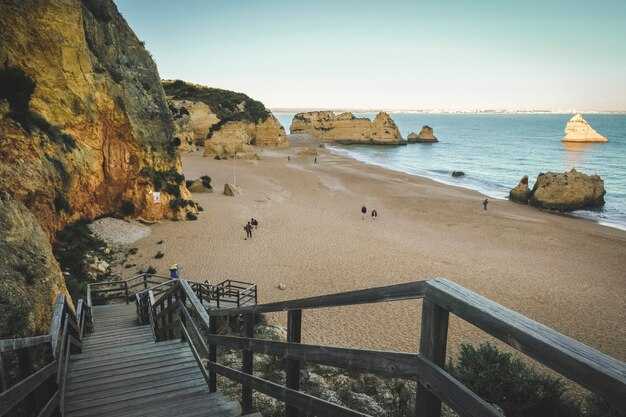
Recommendation: take the Lisbon-to-Cascais train from Cais do Sodré, then walk Estoril’s promenade toward Tamariz Beach and finish at Guincho for a wave action session. This quick loop has evolved into a compact, practical day trip that blends city energy with coastline elegance. Getting there is easy, and you can stay for lunch in Cascais or head back when you’re ready. Guincho is known for its wave, making it a solid option if you surf or simply want to watch the action.
Alternatively, tailor the day: drive to sesimbra for calmer water and a sheltered lunch, or cruise north along the oeste coast for wind, cliffs, and cliff-top views. Think of it as a compact 23km belt along the green riviera, with popular spots such as Guincho, Carcavelos, and nearby coves. It provides plenty of variety for surfers and sun-seekers alike, anywhere along the route, and there are sets most days.
What to expect: the coast delivers a popular Portuguese vibe with elegant coastline architecture, rugged headlands, and ample green spaces. The beaches around Estoril and Cascais are easy to reach and have reliable surf spots like Guincho and Carcavelos; theyre easy to combine with a sunset view, tasty seafood in town, or a riverside stroll. If you crave califórnia vibes, sunsets over the water bring a bright, relaxed mood along this riviera.
Getting around is straightforward: trains from Lisbon run regularly, and you can stay in Cascais or Estoril to minimize transit. For planning, search real-time schedules and book a flexible stay if you want a longer escape. If you want variety beyond beaches, search for fonte beaches near the coast, or add a Douro wine-tasting option for the evening. This coast provides a balanced mix of scenery, activities, and easy getaways from the city.
Carcavelos Beach: Long stretch, surfing, and family-friendly zones
Go to Carcavelos Beach for a long stretch, reliable surfing, and family-friendly zones. June brings steady breezes, car-free mornings, and central vibes that welcome locals and visitors alike.
Here’s a quick introduction: Carcavelos sits on Lisbon’s coast with a three-kilometer run of sand, tiny coves tucked into the dunes, and a lively promenade with shops and cafés just steps from the sand.
Surfing dominates most days, with left- and right-hand breaks that suit beginners to intermediate riders. Local clubs offer one-hour lessons and board rentals, and lifeguards cover the central area during the busy season for extra safety. The ocean-facing sweep keeps space for everyone, from tiny kids to seasoned surfers.
For families with children, the mid-beach zone stays shallow longer and has calmer water, while the far end delivers bigger waves for more daring lovers. Theyre popular with parents who value safety and easy access to restrooms and parking.
Youve got convenient access from Lisbon: about 25 minutes by train from central Lisbon, on the Cascais line, and the central station is a short walk to the sands. This makes it ideal for citys visitors who want a quick beach fix without driving. june crowds grow along the central promenade, so arrive early or plan sunset visits.
Many travelers combine a Carcavelos visit with a quick troia day trip, making a 3-day break feel like a mini coastal tour. The long promenade hosts a mix of favorites–local cafés, delicious bites, and trendy spots–while a few outdated souvenir stalls remind you of the old days. If you’re planning, you can check a page at the station for current shops and offers.
Best zones for surfing and family time
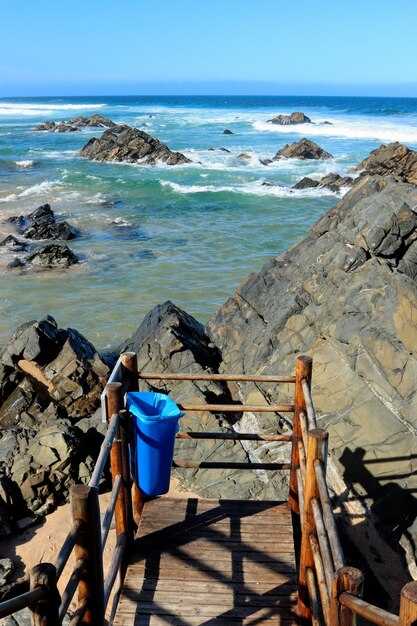
The three main zones split the beach: near the central cafés and lifeguard post for families, the middle section with easy access to parking and restrooms, and the far end where bigger waves draw lovers of surfing. The central area keeps the most vibrant vibes and the widest range of services, from quick bites to delicious meals.
Practical tips for visiting Carcavelos
Check the tide and wind in the morning; the ocean shifts quickly, so plan a few minutes for a snack break. The central station is a short walk to the sand, and you’ll find local shops and boards nearby. If you’re after a quick sunny retreat, Carcavelos often outperforms outdated beaches with newer facilities and trendy cafés that keep locals and visitors coming back.
Guincho Beach: Wild scenery, wind, and practical access tips
Arrive before 9:00 to secure a parking spot and catch the first light on the cliffs; parking often fills quickly, especially in July and August. A dawn walk will unveil the coastline’s raw power, while the scene reproduces the wild energy of the Atlantic. This location sits on portugals sintra-cascais coast and draws visitors for sights of wind and surf.
From Lisbon, head along the A5 toward Cascais and follow Estrada do Guincho to the beach. The road climbs along the coast and ends at a small parking area near Praia do Guincho; spaces are limited in peak season, so arrive early or consider nearby street parking a short walk away.
Getting there by car and public transport
Public transport is doable but involves more time: take the train from Cais do Sodré to Cascais (about 40–45 minutes) and then a short taxi ride or a local bus (5–15 minutes) to Guincho. This option is popular with tourist groups who want a relaxed day without driving.
Car travel offers the most flexibility, especially if you plan to stay for sunset or explore the Sintra-Cascais coastline after Guincho.
Surfing tips, bars, and facilities
Guincho is known for its powerful winds, huge swells, and a long stretch of sand–ideal for experienced surfers and windsurfers. Several clubs offer gear rental and lessons; if youve never tried Guincho before, opt for a lesson with a local club before jumping in; prices vary by season and equipment, so compare a few options to keep costs reasonable. For photographers, Guincho offers something memorable at sunrise.
There are a few bars and snack spots along the coastal road where visitors can grab coffee, a quick bite, or a cold drink with views over the water. On sunny weekends, lots of people gather there, so keep an eye on parking and arrive early to avoid queues. Nearby sights in portugals sintra-cascais add a short trip to the day, making Guincho a known stop for tourist itineraries; keep an eye on tide and wind, as high waves bring more crowds on sunny weekends. This spot is a great choice for a trip with friends.
| Access option | Typical travel time | Notas |
|---|---|---|
| Car from Lisbon (A5 to Cascais, Estrada do Guincho) | 40–50 minutes | Best flexibility; parking is limited in peak season; arrive early. |
| Train to Cascais + taxi/bus to Guincho | 60–90 minutes | Relaxed option; scenic ride; final leg ~5–15 minutes by taxi or bus. |
| Bike along coast | 1.5–2 hours | Stretch for fit travelers; wind can affect pace and safety. |
Packing, Safety, and Timing: What to bring and when to visit
Pack a lightweight daypack with water, sunscreen (SPF 30+), a hat, and a compact towel; include a light windbreaker for evenings and a small first-aid kit. For rocky stretches, add water shoes and a sturdy sandal; keep heads safe as you explore slippery ledges. Pack extra snacks, and pastries from nearby bakeries taste great after a beach walk. You will notice how much better you feel with regular sips and a reusable bottle–this setup makes making a day at the beach smoother and helps you keep valuables away from sand. A map or offline guide helps you follow the rios and the backdrop of the city. Families will find this setup keeps a good pace for a trip, avoiding a packed bag and stressed moments, and youd appreciate how calm the plan keeps the day, especially on tourist days.
Best timing for visiting Lisbon beaches
Plan visits in May, June, or September for quieter beaches and lighter crowds; July and August bring tourist traffic and fuller car parks. Weekdays stay much calmer than weekends. Early morning (7–9) and late afternoon (5–7) deliver cooler water and softer light, with the rios reflecting the sky as a dramatic backdrop. Choose classic beaches like Carcavelos and Guincho for rocky sections and famous surfing; Costa da Caparica offers long sandy stretches. A few beach clubs along Costa da Caparica offer shade and refreshment, making a longer day more convenient. If you want a smoother vibe, target coves near Lisbon that feel califórnia-style in sun and space, but enjoy the local hospitality and pastries after the swim. Evening visits let you extend the trip and catch the sunset behind the city.
Safety and practical tips
Swim between lifeguard flags and heed posted signs; on rocky coasts, go slowly and wear sandals or water shoes to avoid slips. Stay hydrated with water, apply sunscreen regularly, and take shade breaks for heads, especially during the hottest hours. Keep valuables secured in a zipped bag and plan your return by train or bus if you stay late. For families, choose beaches with calmer water and a visible lifeguard presence, and bring a lightweight jacket for the cool sea breeze in the evening. This approach gives you good experiences about safety and planning, helping you enjoy the coast without stress and making memories that last.
Comentários