



 Português
  English (UK)
  Русский
  العربية
  日本語
日本語  한국어
한국어  Magyar
  Türkçe
  Español
  Čeština
  Svenska
  Ελληνικά
  Suomi
Suomi  Nederlands
  Română
  Italiano
  Français
  Polski
  Українська
  Deutsch
  简体中文
简体中文  Slovenčina
Take the metro for most daily trips in Kunming; it saves hours, stays punctual, and serves major districts with clear signage. For diverse travelers, this ligações to cultural sites, dining streetse museus, all reachable from a single fare across dozens of stations. The network operates from around 6:00 to 23:00, with frequent trains every few minutes during peak hours and connections to different neighborhoods that reveal the city’s ethnic flavors and hidden corners. If you need to switch, another line or a city bus is only a short walk away.
Kunming Changshui International Airport handles dozens of domestic flights daily to hubs like Beijing, Shanghai, and Guangzhou, plus seasonal international routes to Bangkok, Singapore, and Kuala Lumpur. In practice, you’ll find better options in the morning, but late-afternoon flights often dock at less crowded gates. For a smooth start, check the ligações between flight times and hotel etiquette nearby the arrivals zone, and plan to arrive at least two hours before your departure during peak month periods.
High-speed and regional trains connect Kunming with major cities and scenic towns across Yunnan; plan your primeiro rail leg to maximize time on the road and minimize transfers. A typical rail day lets you cover long distances without long road hours. First-class cars offer extra space and a quiet environment for editing photos with a camera, while coaches suit budget travelers. Expect travel times of a few hours to several hours depending on the destination, with comfortable seats and ample luggage space near the doors.
Buses fill gaps where metro and rail don’t reach, with routes into markets, campuses, and hillside villages. Fares start around 1–2 yuan and nerves ease with preloaded transit cards. Buses operate from about 6:00 to 21:30, and many lines run more frequently on weekends. Etiquette matters: queue orderly, let passengers alight before boarding, and offer seats to the elderly or disabled. For days of sightseeing, buses give you access to hidden corners and museus outside the central zones, where you can sample a range of dining options along the route.
Taxis, buses, bicycles, and other veículos cover the rest of the city; door-to-door convenience remains affordable with meters or licensed ride-hailing apps. After a day of exploring, switch to public bicycles for flexibility across hidden lanes and the mountain backdrop on the outskirts. The bike-share network has docks around the Green Lake and Old Town; prices are affordable in most meses with per-half-hour charges. If you travel in a shoulder month, you’ll notice fewer crowds. Always lock the bike, respect pedestrians, and use etiquette at intersections. Keep a compact camera handy to capture dining streets and city views from a different angle.
Kunming Flights: Airport Access, Airlines and Practical Arrival Tips
Start your trip with a taxi-hailing ride the moment you exit the arrivals hall; this is the fastest route into Kunming, typically 40-60 minutes to the city center and around 120-180 RMB depending on your hotel location.
Prefer cheaper options? Public buses and airport shuttles offer the lowest fares, but expect 60-90 minutes and potential traffic delays. For a small group, a shared ride can still be economical plus convenient.
At the terminal, rentals desks handle cars and vans, and parking is available if you plan to drive yourself. If you prefer to roam, choose a hotel with a shuttle service to cut stops and save time. The airport operation runs smoothly, with staff ready to assist in locating your ride.
During peak vacation months, taxi queues lengthen and some routes fill quickly, so check the live status in your taxi app and book ahead when possible. Communicate your destination in Chinese characters if possible to reduce issues with drivers or signs.
From central Kunming, plan scenic day trips to the west and to Shilin, combining nature, heritage sites and village life. You’ll find a savory array of street snacks along the way, and a well-timed visit leaves you with a memorable experience that lets you immerse in local culture.
Trains connect Kunming with other cities via Kunming South Railway Station; if you want to start a rail leg after your flight, arrange a transfer that links airport arrival to the rail station. This option gives travelers flexibility and a broader set of choices for their itinerary.
Airlines, Arrival Process and Local Connectivity
Major domestic airlines operate from Kunming Changshui International Airport, including Air China, China Eastern, China Southern, Hainan Airlines and Shenzhen Airlines. International routes link to several Asian hubs on a seasonal basis, expanding during peak travel months.
On arrival, transportation options include taxi-hailing, hotel shuttles or pre-arranged transfers. If you need to get to Kunming South Railway Station for trains, a short ride will usually suffice. For travelers who want flexibility, rentals–cars or vans–are available in the arrivals area, with parking at the terminal for those who drive themselves.
To maximize your stay, locate rooms in neighborhoods that are located near central sights, making it easier to explore surrounding districts and to take day trips to Shilin or village areas. Though language can pose occasional communication issues, a few Chinese phrases and a translation app resolve most problems quickly. Doing so helps create a memorable vacation with scenic views and delicious savory foods along the way.
Kunming Trains: From Major Cities, Booking Tips and Rail Stations
Book the earliest departures from Kunming South Railway Station to lock in the best seats and shorter waits, and reserve two to three weeks ahead during holidays.
Rail Stations in Kunming
Kunming’s rail network centers on two hubs. Kunming South Railway Station (Kunmingnan) handles the fast routes, while Kunming Railway Station in Guandu serves conventional services. The South Station sits south of the city core and connects to major destinations, while the main station remains a practical option for regional trains. Access by walk, taxi, or metro depends on your hotel location, and staying near the location saves time.
Both hubs cater to domestic travel with easy connections to downtown sights and markets. You’ll find lojas and amenities around the stations, and the setting around dawn or dusk often reveals a calmer rhythm of travelers and locals. If you aim to explore cultura and nearby towns, plan for a little time around platforms to observe routine operations and performances by vendors, a hidden charm of the network.
Booking Tips and Key Routes
De Kunming South, high‑speed trains reach Guangzhou in about 7–8 hours, Xangai in roughly 10-12 horase Pequim in around 12–14 hours, with exact times depending on the train model and stops. For scenic regional hops, slower services head toward jianshui and other domestic towns on the older network. If your plans include a quiet day in jianshui, check regional timetables for occasional direct or convenient feeder trains.
Booking means using official portals or trusted apps; search by date and station pair, then select seats and passenger details. For overnight trips, soft sleeper offers a private, comfortable cabin, while daytime trains present hard seat or reserved options. Foreign travelers should carry a passport to collect tickets or verify identity on supported platforms. Forget about unreliable sellers by sticking to official channels and trusted providers, and you can pay conveniently with mobile wallets on many services.
In the setting onboard, meals and snacks vary; you’ll often see a dish menu with local options like tofu or noodle bowls. Private compartments provide extra space, while passengers frequently walk through cars during longer stops to stretch. Traveling by rail keeps you close to the scenery and offers a reliable means to move between cities without lengthy drives or flights.
Below are practical tips to streamline your trip: arrive 30–40 minutes early for checks, keep your ticket and passport handy, and plan a light bag for easy walk through stations. The hubs’ central locations let you combine rail with buses or metro to reach cultura districts, markets, and hidden eateries beyond the main streets, making the plan conveniently flexible for viajar couples and families alike.
For a balanced itinerary, consider a stop in jianshui for a slower pace and a local tofu dish, then ride back toward Kunming for your next leg. The morning platforms offer calm views and a chance to hear birds wake as trains prepare to depart. If you enjoy practical transport, the combination of fast connections and regional lines gives you means to see more without stress, and you can even weave in a quick river outing–perhaps a kayak excursion–before continuing your journey with the rail network.
Kunming Metro: Lines, Tickets and How to Navigate
If you’re a short traveler on a vacation, definitely grab a rechargeable card and keep a little cash for ticket machines; you’ll definitely save time and stress when you move around the town, though you may still use buses or a driver for last‑mile hops.
Lines at a Glance
- Line 1 runs north–south through central districts, linking major hubs and making daily commutes simple for locals and visitors. Trains run every few minutes during peak times, so you can plan a day without long waits.
- Line 2 runs east–west and connects residential areas with business districts; it offers quick transfers to Line 1 at central interchange stations for longer hops across the city.
- Line 3 is under construction and will broaden access to northern suburbs and popular day‑trip spots; when complete, it will be a convenient alternative for visitors aiming to reach Jiuxiang or other nearby sights.
Tickets, Cards and How to Use
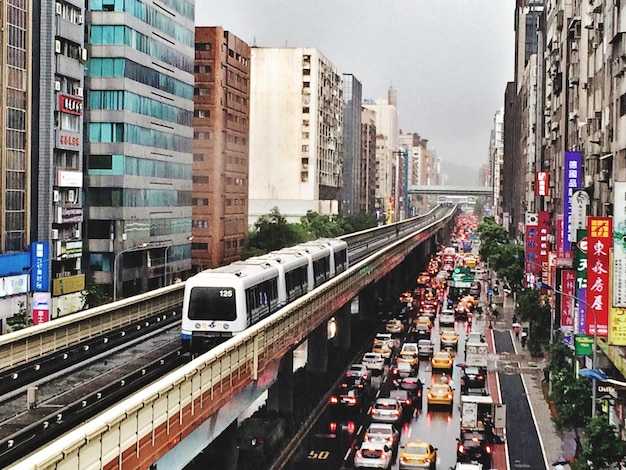
- Ticket options include single‑ride tokens at machines and a rechargeable card for multiple rides; English language options appear on many touch screens at stations.
- Enter by tapping your card or inserting your ticket; the gate will open and you exit by tapping or re‑inserting at the gate. Keep your ticket until you exit to avoid extra charges.
- Platform boards and station maps are bilingual, helping you navigate quickly. For day trips to places like Yuanyang or other countryside spots, plan transfers during off‑peak hours to avoid crowds.
- Operational hours typically start early and end late; trains run more frequently in the day and slow after hours, so check live boards at the station for the latest times.
Kunming is a vibrant town where cultures mix–buddhist temples with stone courtyards sit near markets selling products, shoes and crafts. For a traveler arriving by flights, the metro is a convenient anchor to reach rooms and hotels in the center, while the driver of a taxi can handle take‑offs to more remote places. Though the system is simple to use, you’ll get the most out of your vacation by taking advantage of bilingual signs and a clear map that helps you navigate things quickly. If you’re looking to combine urban exploring with nature, Yuanyang rice terraces and Jiuxiang caves are reachable via a smart mix of metro and local transport, making the journey feel like a well‑planned deal rather than a rushed dash. This alternative approach lets you sample local cultures and keep moving smoothly, whether you’re a Chinese speaker or a first‑time visitor, and it keeps your agenda flexible for rain, crowds or changed plans.
Taxis and Rideshares in Kunming: Fare Ranges, Apps and Hail Etiquette
Choose a reliable mobile ride option: flexible, select a nearby driver on trusted platforms and confirm the fare estimate before departing.
In the Kunming region, fares vary by district. In the north region and around central squares, short rides cost roughly 12–25 CNY; trips toward Dongchuan or university zones run 25–50 CNY. Base fares range 8–12 CNY, distance charges 1.6–2.6 CNY/km, and time charges 0.4–0.8 CNY/min; night and rain surcharges climb 20–50%, with peak hours adding 10–30%.
Smart riders prefer to monitor driving and request a reroute if the driver deviates, while staying courteous.
Fare Ranges
| Component | Typical range (CNY) |
|---|---|
| Base fare | 8–12 |
| Per kilometer | 1.6–2.6 |
| Per minute | 0.4–0.8 |
| Minimum fare | 10–15 |
| Night surcharge | 20–50% (6pm–6am) |
| Peak-hour surcharge | 10–30% |
Note: In Dongchuan and other high-demand pockets, you may see higher prices during festival days and religious holidays. Plan daily trips with a backup route or platform to avoid delays; you may spend a few extra minutes comparing options to save money; these conditions are likely to push fares upward.
Apps and Hail Etiquette
Use reliable mobile platforms to request rides; select a nearby driver and prefer options that display the driver’s name and car model on arrival. Before boarding, show the destination and fare estimate on the screen and confirm the plate number and name to avoid mix-ups, especially near busy squares.
When hailing on the street, stand at a safe curb, make your intent clear with a simple hand signal, and depart from the curb only after the car stops beside you. If there is a second platform or a different driver available, compare names and routes to choose the faster option.
In daily routines around Kunming, you’ll see many air-conditioned sedans and compact cars from various providers. In high-demand periods, ordering a ride a few minutes earlier helps, and you can spend time exploring savory street broth options near a festival market. Some travelers even encounter Deliveroo-style integrations to see cross-platform availability, though rides should be booked through dedicated taxi apps for reliability.
Buses in Kunming: Ticketing, Routes and Handy Passes
Use a transit card or mobile wallet to pay at entry and speed onboard boarding–it’s the direct, straightforward way that meets expectations. This approach minimizes lines, keeps you comfortable, and avoids language hurdles when scanning at the reader. Early arrival at busy stations helps you find the correct gate without rush, and the simple flow makes your day smoother for being in the city.
Ticketing is budget-friendly and clear: inner-city rides usually cost 1–2 CNY, with slightly higher fares for longer hops. Most buses accept the city card, while some lines require exact change at entry. If you carry a small amount of cash as backup, you stay flexible. The system provides more room to move, especially on popular routes, so you won’t get stuck waiting. For non-Chinese speakers, bilingual information boards at major stations stand ready to help, and the language barrier tends to be minimal with well-marked pictograms.
Routes connect the east side with central hubs and beyond, with direct links to key stations and commercial districts. Buses cover major arteries, so you can head quickly toward Kunming Railway Station or nearby transit hubs. Planning ahead gives you richer options: you can combine lines for faster trips and greener travel, reducing traffic stress. In spring, the city’s parks and riverside paths become nicer to traverse, and you’ll notice birds near busy stops as you ride a comfortable, reliable network.
Handy passes include day passes and multi-ride cards, which save money if you ride several times. Look for these choices at teller counters or station information desks, and compare them against paying per ride to choose the better option for your itinerary. If you’re staying near a popular district, a pass often brings better value than single fares, especially for longer stays or weekend explorations.
Tips for smooth travel: head earlier to avoid crowds at the main station, keep biji notes of line options and transfer points, and check green buses that emphasize eco-friendliness. When you plan a day trip to lakeside spots, buses can drop you near Dianchi Lake areas suitable for a kayak outing, making the day both affordable and rich in places to explore. Always verify entry locations, and use onboard information if you need a quick refresher on routes or transfer choices–this keeps your journey calm and efficient.
Hidden Gems in Kunming: Getting There by Public Transport or Bike
Direct buses drop you at the edge of Cuihu Park, and a flexible bike ride unlocks a smoother, budget-friendly way to explore heritage lanes, bustling markets, and quiet alleys.
-
Green Lake and the old-town lanes
Getting there: from Kunming Railway Station, board a direct bus to Cuihu Park. Parking is available nearby, and many stops use air-conditioned buses in warm months. Once you roll onto tree-lined paths under the shade, youll feel a touch of ancient Kunming. The route size is compact, with every corner offering a specific story–from restored teahouses to biji stalls selling handmade crafts.
- What to do: sip a broth-rich bowl, then try cross-bridge noodles for a hot, comforting meal.
- Tips: flexible timing helps you meet locals and sniff out deals at market stalls; budget-friendly options are plentiful.
-
BijI Market Corridor and neighborhood craftsmanship
Getting there: take a bus from the city center or ride a bike along a quiet cycle lane; parking near the corridor is usually easy. This area is tight but lively, with markets around every corner.
- What to do: browse biji-inspired crafts, sample noodle soups and simple meals, and barter for small gifts at budget-friendly stalls.
- Tips: youll find deals more often in the late afternoon; drivers and other riders share the road with courtesy, making the ride smoother.
-
Dali-inspired murals and hillside tea houses
Getting there: cycle or take a direct bus to a hillside lane that hosts art, with a gentle climb suited for bikes. The path is size-friendly, and the dali-inspired murals give Kunming a whimsical touch in everyday life.
- What to do: stop at a tea house for a quiet break, order a broth or light meals, and enjoy mountain views.
- Tips: some spots offer air-conditioned spaces; combine with a stop at a bustling market for a full experience.
- Note: this route suits casual day trips and offers a memorable cultural touch without crowds.
-
Dianchi Lake bike path and lake-edge markets
Getting there: catch a city bus heading toward Dianchi and ride the flat, scenic bike path along the shoreline. There are parking lots near major access points, and the route is popular with families and riders–smoother to navigate than tight city streets.
- What to do: sample fresh noodles at a lakeside stall, then grab a broth-based meal before finishing at a market area with local products.
- Tips: the route is widely signposted; you can tailor the distance to your mood, meeting locals along the way for genuine insights and small deals.
Use these options to discover Kunming’s hidden gems with direct transport plus bike versatility, ensuring every ride brings a touch of local life, wide market variety, and a comfortable, affordable pace.
Comentários