



 Português
  English (UK)
  Русский
  العربية
  日本語
日本語  한국어
한국어  Magyar
  Türkçe
  Español
  Čeština
  Svenska
  Ελληνικά
  Suomi
Suomi  Nederlands
  Română
  Italiano
  Français
  Polski
  Українська
  Deutsch
  简体中文
简体中文  Slovenčina

Start with a firm recommendation: check the DOH live arrivals board before you head out. This part of your journey benefits from an ongoing stream of updates–gate changes, delays, and the current status of those arriving. With a quick check, your arrival experience begins with confidence and clarity.
The live board is conducted in partnership with airlines and airport partners, and the data includes flight numbers, origins, ETAs, and bags status. For those meeting guests, this ensures you know exactly when to move to the arrivals hall and avoid waiting in the wrong location.
Terminal guide: Hamad International uses a single, large terminal with a central baggage reclaim area serving all international arrivals. Follow the clear signage to the arrivals hall, where the belt area is located, and then exit to the curb for pickups. The layout minimizes walking, so most passengers reach the main area within a short time.
Locations for meet-and-greet: outside the terminal’s arrivals curve, near the main exit, with dedicated pickup lanes and the DOH Arrivals Meeting Point. If you need a hotels stay, nearby locations include the Oryx Airport Hotel within the terminal complex, offering a convenient option for those with long layovers. This choice helps you minimize extra travel and keeps you close to the main terminal.
Arrival tips for smooth processing: use the official taxi queue or the airport fixed-rate transfer desks, which helps you avoid surges. For sustainable options, consider ride-hailing apps that are tied to the airport partners. If you plan a quick city visit, check visa rules and your airline’s baggage allowances. The right preparation reduces stress during the check and bags collection processes and helps you manage viajar time more effectively.
Years of operation at Hamad have served millions of passengers, and the ongoing strategy by leaders e partners focuses on comfort, efficiency, and safety. Those arriving can benefit from well-lit corridors, clear directions to baggage claim, and a right balance of self-service options and desk assistance. The result: a smoother, more predictable arrival experience across all DOH locations.
To maximize the arrival experience, plan your transfer from the terminal and keep your bags within view, check the live status, and use the official contact points if surprises arise. DOH’s ongoing updates and partners coordination ensure a secure, sustainable flow for much of the day, with a quick path to hotels or onward connections.
Real-Time DOH Arrivals: How to check live status and understand delay indicators
Check the DOH live arrivals feed on your mobile and subscribe to official updates. This limited, real-time information across terminals keeps you informed and comfortable while waiting.
Delay indicators are straightforward: a status tag shows the estimated arrival and a color cue. Green signals on-time, yellow or orange signifies a delay, and red marks a disruption or cancellation. An ongoing disruption is often caused by weather or ground operations, so use the feed to gauge how much time to add to your plans.
Official DOH pages include a dedicated arrivals section and trusted mobile partners that deliver accurate updates. Tailored alerts let you filter by flight number or route, so you only see the data that matters every time. Our work is inspired by traveler needs, and if you subscribe, you gain exclusive updates and discounts on services when available.
Common causes include weather and high traffic volumes. If a flight is delayed, the status line often notes the cause; weather-related delays can push times by 20–60 minutes. Data includes insights from denmark-based partners delivering flight details, which extends coverage across routes to DOH.
Practical steps to read the indicators: check the expected arrival timestamp and compare it with the scheduled time. If you see a 50-minute delay, adjust your plans accordingly for every leg of your trip. For cross-check, reference kennedy and other major hubs to understand typical patterns and anticipate shifts, including flying times. If you need a quick confirmation, john from support can declare and verify the latest feed entry.
Extra tips: use the mobile app, keep your alerts tailored, and subscribe to updates. The system delivering updates through partners across the network includes green status for on-time moments. For kennedy-bound flights and other high-traffic routes, excluding some flights during peak windows can occur, but you’ll still receive core updates. Data is approved by the airport and partners, delivering reliable, on-go information you can trust, even when you travel with a container and a busy schedule. This approach inspires travelers and helps you work through changes with less stress.
Arrivals Terminal Guide: Identifying the correct terminal, arrival halls, and baggage reclaim zones
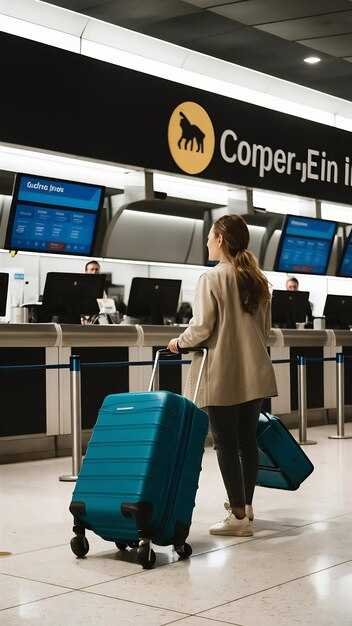
Verify your terminal using the DOH live flight status on the official app or display boards to identify the arrivals hall you’ll use. These updates are managed by the airport office and reflect the expansion plan, so you’ll see the belt range and reclaim area clearly shown. The footprint of the terminal supports a smooth delivery of passengers and bags alike, with open signage and discreet staff help if needed.
Lets start with a practical sequence to find the right space after landing:
- Check the flight status screen for your arrival terminal and the belt range labeled in the baggage reclaim area.
- Follow the overhead signs marked Arrivals toward the ground-floor reclaim zones; these maps point you to the correct belt range quickly.
- Visit the information desk if you’re unsure which hall houses your flight; staff can confirm the exact reclaim belt and the nearest exit.
- Keep your plastic baggage tags handy; staff use them to locate cases fast and provide discreet delivery to the reclaim floor when needed.
Arrivals halls: layout and access
The main arrivals zone is wholly open and designed for short walks from the aircraft to reclaim. Signs direct you to погружающиеся escalators or stairs to reach the ground floor. These halls connect to services such as currency exchange, an office for passenger assistance, and a flagship information desk. During peak times, the layout helps you move from the plane to the pickup area without delays.
- Zones and signage: Look for zone markers near the escalators; maps show which hall addresses your airline’s arrivals.
- Accessibility: Ramps and elevators are available, with clearly marked routes to the baggage reclaim floor.
- Facilities: Seating, restrooms, and refreshment kiosks are located within easy reach of the reclaim area.
Baggage reclaim zones: finding and collecting your cases
On arrival, head to the baggage reclaim area on the ground floor. Screens display the flight number and belt range; belts are grouped by destinations and airline partners. The system supports a fast flow from plane to belt, with plastic tags scanned for delivery to your hand or a curb-side pickup area. After grabbing your bags, follow the discreet exit signs toward customs or the meet-and-greet zone outside.
- Monitor belts: Each reclaim belt shows a current flight; match your flight number to the reclaim area.
- Lost and found: If you can’t locate a bag, visit the dedicated office near the reclaim zone for case checks and assistance.
- Time-saving tips: If you have multiple bags, head to the outer reclaim belts first, then circle back if needed to fetch carry-ons from the same belt range.
Tips for a smoother exit from arrivals
After reclaim, proceed to the customs exit or the designated meeting point. For pickup, use the taxi stand or the airport partners’ ride-hailing desks located in the arrivals area. Please have your ticket or pickup confirmation ready to speed up the process. If you’re traveling with family or a large group, inform the information desk so staff can assist with a seamless handoff to your driver.
For repeat travelers, recently updated boards and maps reflect the plan and expansion, making these spaces easier to navigate during peak times. If you’re arriving from abroad, especially from europe routes like germany, these routes feed into the same efficient footprint, with open, clear directions and well-marked signage to help you move from plane to pickup with minimal steps.
Arrival Tips for Passengers and Visitors: Immigration queues, assistance services, and meeting points
Go to the Arrivals Help Desk immediately after you clear immigration to arrange assistance, then follow staff directions to your meeting point. This quick step helps travelers with mobility needs, families, or guests who are new to the airport stay on track.
Immigration queues: speed, signs, and documents
Prepare your passport, visa, and any required health documents before you queue. If eligible, use the e-gates to speed processing; keep your boarding pass and arrival card handy for quick checks. In recent peak periods, staff may guide you to a dedicated assisted queue; tell them if you are departing on a tight connection or need extra support. The queues are clearly signposted, near the central corridor, and you will be served promptly by trained officers. After you clear, proceed to the baggage belt only if you have luggage; otherwise head to the main arrivals area to meet your party behind barriers and continue your plan.
Meeting points and on-site services: quick pickups, medical, and food options
Choose a reliable meeting point such as the kennedy corner near the exits; this spot is popular with drivers and travelers who want a simple pickup. If you need medical support, head to the medical office on the arrivals level; staff there assist every traveler. For a quick bite, several food outlets are within a short walk of the meeting zones. If disruptions occur, the airport app provides clear updates and you can subscribe to alerts to adjust your plan in real time. Upon arrival, make sure your party knows where to meet, and that your plan covers both near and far members of your group so no one is left behind. Discuss any delivery items with the information desk; staff will guide you to the correct pickup area. This approach is inspired by recent improvements in customer service and reflects the airport’s commitment to a smooth experience for passengers, arrivals, and visitors alike.
Customs and Goods Collection Center: Location, required documents, declaration steps, and pickup process
Visit the Customs and Goods Collection Center in the main arrivals area immediately after you claim your baggage to complete duties on purchased items. This approach keeps passengers informed and offers clear visibility of each step, reducing unnecessary delays.
Location and space: The center sits in the main arrivals zone, with assigned counters near the baggage claim and customs lanes. Follow the high-visibility signs from the arrival concourse; staff guide you to the secure pickup space, where containers and bags are scanned for quick processing.
Required documents: Bring your passport and boarding pass; carry receipts for purchased goods; fill out the digital customs declaration if you are on an intl itinerary, or complete a paper form on site; include permits for aged items; keep invoices for items in cases; for drinks, carry purchase slips; pork or other restricted foods require declaration; originals preferred; this speeds up processing. Recent heaththrows cases show why accurate declaration matters.
Declaration steps: 1) At the assigned desk, present your documents; 2) State whether you declare any goods; 3) Officers classify each item as dutiable, exempt, or restricted; 4) Pay duties or proceed to exemption checks using the terminal; 5) Receive the declaration receipt; 6) If required, proceed to the secure inspection area; 7) Return to the main flow with your items. Typical wait times vary by queue and item type, but straightforward cases move quickly, within a short visit this main step remains efficient. Recent heaththrows cases remind why accurate declaration matters.
Pickup process: After clearance, proceed to the Goods Collection Center pickup lane and present your passport, the receipt, and the assigned pickup slip. Items are placed in secure containers; staff verify the container matches your slip and scan the container for confirmation. Collect your goods and exit via the dedicated corridor. This approach lowers queue times, improves space utilization, and supports sustainable growth of airport services. For large purchases, staff may escort you to a nearby pickup bay to ensure safe handling and a smooth handover.
Ground Transport from DOH Arrivals: Taxis, rideshare, car rental, and public transit options
Start with the official taxi desk in the arrivals hall of Hamad International Airport’s terminal for a quick, door-to-door transfer to your hotel. This proactive option uses a fixed pickup point and rides are billed by meter, delivering predictable totals to central zones such as West Bay or Msheireb. Typical daytime fares range from 50 to 70 QAR; after-hours or heavy traffic can push the total toward 90–110 QAR. If you travel with a companion, rideshare can reduce the amount when you share a ride via the app; confirm the price before you confirm the ride. For movements to medical facilities, taxis provide direct routing and spare you from negotiating directions with unfamiliar streets. For travelers in qatar, this option often sets the right tone for a smooth start to your trip.
Taxi and rideshare options right after arrival
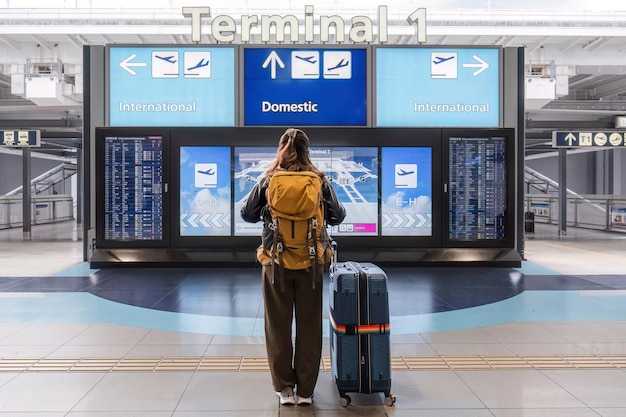
Official taxis operate 24/7 with pickup points near the baggage claim. The meter starts at a base rate (roughly 10 QAR) and per-kilometer charges run around 1.8–2.5 QAR, plus a small airport surcharge. Rideshare apps (Careem, Uber) give you a price estimate before booking and let you select a vehicle class based on luggage needs; a sedan suits light bags, while an SUV or van handles multiple suitcases or medical gear. Payments can be card-based, and you should verify the driver’s name and plate in the app before boarding for safety. This option remains the fastest way to reach a hotel after you land, especially if you’re coordinating a late arrival or a tight schedule.
Car rental and public transit: budget-friendly choices
Car rental desks are in the terminal area, offering a range from compact cars to SUVs. Bring a valid driving license, passport, and a major credit card. Daily rates commonly fall in the 100–250 QAR range depending on vehicle class and insurance coverage; expect an airport surcharge and a refundable security deposit. For travelers with medical equipment, ask for a vehicle with extra space or flexible seating arrangements; verify the policy on carrying liquids in the cabin of the car you rent. Corporate programs and frequent traveler plans can provide tailored rates or daily discounts, so check whether your company or travel plan has a preferred partner. If you prefer to skip driving, you can secure a driver-inclusive rental package or choose a vehicle with prepaid fuel and a fair return policy.
Public transit options connect the airport to central Doha via the Karwa network and routes to key districts. Fares are modest (roughly 2–8 QAR per ride), with a daily travel card or shorter-term passes available for multiple trips. Buses run from early morning to late evening and frequencies are typically 20–30 minutes, though peak times may see shorter gaps. For itineraries that include several stops or hotel districts, a bus or metro link can save on daily costs, but check current schedules on arrival to align with flight times. And if you’re carrying medical liquids or equipment, ensure you comply with local guidelines and keep necessary documentation handy when you switch between modes of transport. This public network represents a practical, budget-conscious option for travelers seeking to maximize their daily comfort and savings.
Comentários