
Guide to Ecuador Taxis - Cuenca, GYE, Salinas, Quito – Tips &
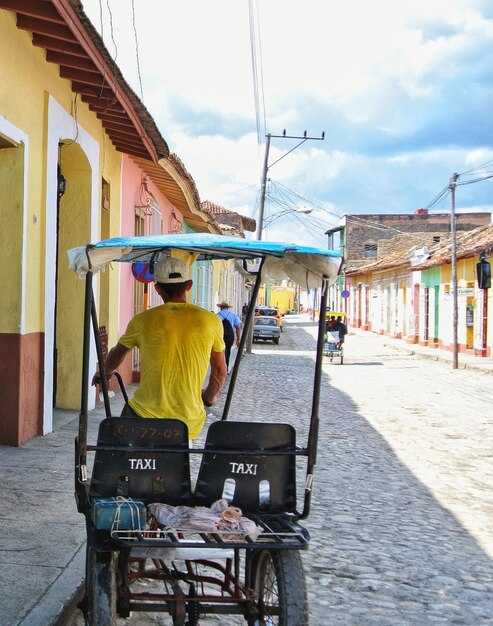
Always choose a licensed taxi at an official stand or book through a trusted app when arriving in Ecuador. For Cuenca, a short ride within the historic centro typically costs around 3–6 USD, with a flag drop near 1.5–2 USD. Confirm a meter reading before departure and keep small bills for quick payment along the way, though buses can be cheaper than taxis.
In Cuenca, the colonial core is compact and walkable, though some norte zones and hills raise the fare quickly. If you plan to visit restaurants along the river, request a ride that uses the meter or agrees on a fixed fare in advance. Most drivers speak basic Spanish; bring a map to show the destination and avoid detours.
Guayaquil (GYE) taxis cluster around the airport; use the official booths and avoid street hails. A ride to the Malecón 2000 or to santay Island typically runs 25–35 USD, depending on traffic and time of day. If you want a large group or extra luggage, ask for a van-type taxi with a roof rack; for added safety, verify the driver's name on the plate and request a rate before leaving the stand. Saving the driver’s phone number in your notes helps in case of delays.
Salinas and the norte shore in Santa Elena Province offer easy taxi service from the malecon to nearby beaches. Short hops cost roughly 5–12 USD; for remoter sites along countrys roads, hire a licensed driver with a clear rate. If you are sightseeing, align with a driver who can wait for you for a few hours, or choose an alternative option like a private transport service. Always confirm the fare before departure.
Quito's colonial Old Town sits at altitude, so plan for variable traffic and weather. Use official stands or the city app to summon a taxi. A ride from the airport to the historic center costs around 25–35 USD; intra-city trips in the norte zone or between districts typically fall in the 6–12 USD range. If you wanted a predictable ride, pre-arrange a private driver and specify a pickup time; Quito offers several restaurants and hotels along the hills with easy taxi access.
Health tips: traveling with a small medical kit helps. If health issues arise, locate a clínica nearby and keep the hotel’s address in your notes; carry the local taxi driver’s phone or a local SIM so you can call for help if needed. Save the phone number of the driver and ask for a receipt; this is useful for expense reports or insurance claims.
If you decided on a flexible plan, hire a driver who can wait for you and offer fixed-rate options; this alternative setup suits large groups and rural day trips. Traveling across Cuenca, Guayaquil, Salinas, and Quito becomes smoother when you keep a map at hand and compare fares before rides. If you are traveling from lima, Peru, you will find taxi norms similar: use official stands or vetted apps to reduce delays.
Guide to Ecuador Taxis: Cuenca, GYE, Salinas, Quito – Tips & Best Time to Visit Guayaquil
Book official cabs at airport booths or hotel desks and insist the meter runs; pre‑arrange a pickup if you’re near the diplomatic quarter or the city center. These steps help you reach Cuenca, GYE, Salinas, or Quito quickly and avoid trouble. In unfamiliar areas, avoid street hails; use a trusted blog listing or your hotel concierge, and verify the car’s plate before departure. If something feels off, don’t leave your ride until the driver confirms the destination. Wanderbus options exist for coastal hops, but for city centers cabs are the simplest and safest option to reach your destination with a clear view of the route.
Cuenca: the colonial core is compact and cabs navigate cobbled lanes to views over the river in minutes. Ask for a licensed vehicle with a visible plate; as you ride you may pass classic houses painted in warm tones. If you walked from the Plaza de Armas, you could stop at a nearby museo such as Pumapungo or the cathedral precinct. The surrounding hills offer volcanic views that frame the skyline, which makes the larger cathedral appear even more dramatic from side streets. Drivers in this zone often know local routes by heart, which helps when you want to see the larger cathedral spire from a side street.
GYE and Salinas: from José Joaquín de Olmedo International to the Malecón 2000, expect a 15 minute ride in light traffic; from the airport to the coast, the ride is short and the vehicles are plentiful. A driver named Jose at the airport stand can point you toward the fastest route. Some drivers refused to use the meter during peak hours, so insist on a meter or a fixed, transparent fare before you start. Salinas rides are typically quick–10 minutes to beachfront dining and resorts–and there are many drivers who know the large hotel complexes along the beach. These simple rules also apply when exploring Quito or Cuenca; stay with official stands and you’ll avoid unfamiliar routes and trouble.
The best time to visit Guayaquil for taxi travel is May through November, when rainfall is lower and streets stay drier. It’s hot year‑round, but early morning or late afternoon rides feel more comfortable. You can combine a quick ride with dining along the Malecón, and there are large dining spots nearby. The museo circuit near the riverfront can be enjoyed in daylight, and a quick stop at the waterfront viewpoints gives a fresh view of the city skyline. источник official tourism data confirms the May–November window and reliable taxi service during daylight hours, making exploring these neighborhoods safer and more enjoyable.
Dining and safety: always have your hotel name and house address on hand; these cabs usually accept cash and sometimes cards, but always confirm payment method before you start. For those who want flexibility, blog posts from fellow travelers can highlight which offices or stands rate well; these recommendations also help you avoid hard‑to‑interpret routes. When travelling at night, keep to well‑lit streets near the tourist districts and walk if you feel unsafe; if a driver refuses a meter, you can tell them you want a different cab. If you didnt bring change, some stands accept card payments, but carrying small bills speeds things up and keeps you from getting stuck with an awkward fare.
Cuenca taxi basics: fares, payment options, and safety tips
Fares and payment options
Book a licensed taxi at a designated stand or via an official app before you head out in Cuenca. Base fares cover the first kilometer; after that, rates generally run 0.50–1.00 USD per kilometer. Short rides in the busy historic center usually cost 2–4 USD, while trips to the outskirts can reach 6–10 USD. If a driver quotes a fixed rate, ask to confirm and compare with the meter. Carry cash in USD for exact fares; most taxis rely on cash, though a growing number of newer camionetas in suburban zones may accept cards. Be ready with small bills to avoid delays at payment. In addition, some drivers offer flat rates for major routes, but you should verify this before you depart. If you’re traveling with others, you can compare options and choose the standard that keeps the price fair. Regardless of method, insist on seeing the meter or a posted rate card. For context, Cuenca’s taxi scene follows Ecuadorian standards, and you’ll often notice stands near kennedy avenue during peak hours. When you’re enjoying the ride, you’ll get a view of the city and the huge Andes beyond, including peñas and trees along the hills. A driver named juan or another local may share route tips, others said the same; it's fine as long as you confirm numbers on the meter. If a driver wasnt clear about the fare, ask for clarification before moving. Also, haggling is common for fixed-rate trips, but keep it respectful and never pressure the driver.
Safety tips
Choose marked taxis from a recognized stand or a trusted app; avoid hailing from dark or deserted spots. Verify the taxi’s license, plate, and the driver’s ID before you get in. Sit in the back seat, keep valuables tucked away, and set the destination on the meter when possible. If the meter isn’t used, insist on a clear fare before departure. Note the route on your map so you can compare it with the progress, and if the driver deviates, request to return to the intended path. If you feel unsafe, ask to be dropped at a busy, well-lit area and switch taxis. The rule for safety is simple: stay in known zones, stay aware of your surroundings, and stay with the group when possible. In summary, Cuenca obeys basic taxi standards; use official stands, ask questions, and trust your instincts regardless of where you are staying in Ecuador. You can enjoy the city’s view, the trees, peñas, and the huge Andes as you plan your next ride. Many travelers enjoyed the calm after a short ride.
Guayaquil (GYE) airport taxis: pickup rules, meter vs fixed rates, and scam avoidance
Always use the official taxi desk in arrivals and demand a meter ride; fixed rates can be offered, but verify them at the desk before starting. This choice saves time, reduces risk, and is already trusted by locals and travelers alike. If you’re traveling with friends, you’ll find the same practice keeps your group safer and your location clearly known from the start.
Pickup rules at Guayaquil (GYE) airport
- Location: head to the arrivals hall front after immigration and customs. Look for the official taxi desk; posted rates are listed and staff can guide you. Some desks still use wooden signboards, so confirm with the staff if you’re unsure. (источник)
- Identification: choose a driving service with a clearly displayed license/ID and a meter in use. If the driver pushes a fixed price, walk away and request a desk-assisted pickup. You can also book through the desk or a reputable app or shuttle option there.
- Communication: speak Spanish when possible; show the driver the hotel name or exact location on your phone to avoid detours. This quick confirmation helps you stay within your planned route.
- Payment and receipt: carry small bills for the meter and request a printed receipt at the end of the ride. If a card option is available, ask ahead of time to prevent delays at checkout.
- Safety and practicality: don’t accept rides from anyone outside the official queue or from unmarked cars. If you feel unsure, ask staff for a verified alternative. For health and comfort, keep water and light snacks handy in your bag while you wait.
- Planning aid: if you want extra assurance, book a ride at the desk or through an airport-approved shuttle service; this is especially helpful in busy periods or during rain and floods when lines can be long.
Meter vs fixed rates and scam avoidance
- Meter operation: the meter starts with a base charge and increases with distance and time driving. A typical downtown trip falls within a modest range; always monitor the meter and ask for a breakdown if something seems off.
- Fixed rates: posted, listed rates exist for common routes; confirm these at the desk and compare with the meter before you depart. If a driver refuses to use the meter, decline and request a desk-confirmed car. You can book a ride from the desk to ensure the rate is correct.
- Scams to avoid: be cautious of detours, requests for upfront cash beyond the agreed fare, or drivers without proper identification. If a driver asks you to pay extra for “tolls” or “airport fees” that aren’t on the rate card, stop the ride and escalate to staff. For added protection, always aim to end the trip with a receipt and, if needed, report any issue to the information desk.
- Practical tips: carry a map or save your destination as a location reference; you can show it to the driver in Spanish or English. Keep essential health items (medication, water) and snacks accessible during longer rides, and consider pre-booking a shuttle or private car for a predictable price, which offers a dynamic advantage in busy or uncertain conditions.
- Additional notes: there are known sources and general guidelines that travelers rely on; as a precaution, you can check the latest advice from trusted guides or hotel staff. Some travelers even consult a quick reference from Amazon for up-to-date taxi tips while planning their stay.
Salinas taxi guidance: beach routes, seasonal demand, and ride-hail options
Hire garaicoa taxis at the Salinas promenade for Chipipe Beach; they offer fixed routes and a minimum fare visible at the stand, making early-morning trips reliable. If you need a calm start, ask for the prearranged pickup location and a quoted price before stepping in.
From Chipipe, popular beach routes go to Punta Carnero and along the Malecón toward the parque by the water, where you can pause to enjoy a dish and sample local cuisine. For a longer outing to nearby islands and river viewpoints, renting a taxi for a half-day is a practical option with a clear stop plan.
Beach routes and practical tips
Seasonal demand spikes in December–February and July–August; night travel can bring higher fares, so schedule daytime trips or pre-book via app to lock a direct route. Always confirm the fare in cash at pickup and ask for a minimum fare if traveling short distances.
Open communication, reliable drivers, and local knowledge help you rely on the quickest path between destinations. If you want a memorable pause, stop by the parque to enjoy street food and soak in the coast's beauty.
Ride-hail options, payment, and safety
Hailed rides via apps are available in Salinas and the Guayaquil region; you can hail on the street or at a designated stop. Open the app, set spanish-language preferences if needed, and choose direct routes to your destinations. Carry cash to cover the minimum fare and tip; many taxis still prefer cash, while some apps support card payments. For night travel, travel with a companion and stay aware of surroundings; the advantage of a local taxi is predictable routes and a short stop at a safe, well-lit area.
Quito taxi scene: hailing, app options, and night-time safety
Always book via a reputable dispatch or app for Quito nights; you wont regret avoiding street hails after dark. Necessary steps include confirming the driver's name, plate, color, and ETA before you enter. Night hours from 9 pm to 5 am demand extra caution, especially if youre traveling alone or as foreigners. If you arrive at quitumbe, use the dispatch option to request a ride; youll be matched with a vetted driver. This setup helps everyone stay safer and makes the experience smoother.
On-street hailing in Quito is possible but best avoided after dark. If you must hail, stand on the curb in a well-lit area and signal with clear hands. Note the plate and confirm the taxi is yellow and has a visible meter and license; enter only if the driver is clearly the one who stopped you. Avoid hailing between parked cars or from the middle of the street; wait at a safe spot between crosswalks and bus stops.
Choosing between apps and dispatch
App options in Quito include official taxi dispatch apps and popular regional ride-hailing services. Open the app, select your pickup, and youll see the driver's name, plate, photo, and an estimated time of arrival. Match the plate and name before you enter. Use trip sharing to notify others in your traveling group; many apps let you share the route with others. In the norte area, taxis tied to a dispatch desk respond more reliably; in quitumbe and other zones you may find different response times, so have a backup option ready.
Night safety basics: ride only with a booked taxi, and verify the plate, color, and driver before you enter. If something seems off, cancel and wait for another ride. Keep doors closed and hands visible during the ride, and sit in the back seat for safety. Do not make unscheduled stops or deviate from the app-provided route. If you feel worry or danger, use the app's help feature or contact the dispatch right away; you can also leave the car at a safe curb and request another ride again.
After-hours safety checklist

After the ride, grab ceviche at a well-lit stall; Quito offers a blend of street food and reliable eateries. This adventure adds flavor to your experience; youll find options near Plaza de la Independencia and along busy avenues. For traveling solo or with others, these spots help you refuel before going back to your hotel. If you need to leave a ride mid-route, exit at a safe curb and request a new ride through the app's dispatch system.
Best time to visit Guayaquil: climate, rain patterns, and events affecting taxi travel
Go during June–September; this dry period seem the best window for taxi travel with fewer rain delays and costs that stay reasonable. Using a fixed-rate shuttle helps keep costs predictable. If youre arriving by airport shuttle, lock in a fixed rate before heading to the riverfront. For passengers, morning rides tend to be quicker, and drivers often route you along the same route when weather cooperates. Visiting the heritage districts by the river is a good option, and the lowlands breeze keeps you comfortable after long trips traveled through humid months. Youre likely to find drivers serving foreigner travelers with a straightforward chat, and you can keep chatting to confirm the route. If you heard about a festival, it wasnt always easy to navigate at first–plan ahead, though, and it will be smoother; to avoid haggling with them, consider a fixed-rate option. Fares can be free from surges in the dry season, which helps travelling with kids or companions. If you need the trip again later, the same shuttle route will serve you well.
Climate and rain patterns

Guayaquil sits in the lowlands by the river and features hot, humid days with a sea breeze. Daytime highs hover around 31–33°C, with nights of 23–25°C. The rainy season runs October through May, with peak rainfall in March and April. Rain arrives as brief, heavy afternoon showers that can flood small streets and cause detours, though traffic generally keeps moving. In the dry months (June–September), skies stay clearer and transport times are more predictable. Trees along the river provide shade for waiting passengers, and the overall vibe remains good for travelers, whether you traveled here before or visiting for the first time. Also, visiting in the dry period keeps you comfortable, and costs stay stable.
| Month | Avg high C | Avg rainfall mm | Travel tip |
|---|---|---|---|
| June | 31–32 | 10–40 | Dry, calm; early rides |
| July | 31–32 | 20–40 | Stable routes |
| August | 32 | 10–30 | Independence Day events; plan detours |
| September | 31–32 | 20–60 | River trips favorable |
Events and practical tips for taxi travel
Major celebrations can push traffic onto riverfront routes and increase shuttle times. If youre visiting during August for national or city events, expect detours; always check with your driver about the planned route. For foreign travelers, using a trusted transport app or a known firm reduces the risk of overcharging and helps ensure you reach your destination. Youre better off reserving a shuttle or taxi in advance, which often serves fixed routes and keeps costs predictable. Before you go, heard about a market or festival? Plan to start early and keep a second option in mind. If you heard about a festival, plan to start early and keep a second option in mind. If you need the trip again, keeping the same driver or shuttle helps with consistency. This approach will make your transport smoother again when the city fills with visitors, and drivers kept to the most direct routes to minimize detours. Also, chatting with them about the route and timing helps you stay informed and avoids wrong turns.


