



 Português
  English (UK)
  Русский
  العربية
  日本語
日本語  한국어
한국어  Magyar
  Türkçe
  Español
  Čeština
  Svenska
  Ελληνικά
  Suomi
Suomi  Nederlands
  Română
  Italiano
  Français
  Polski
  Українська
  Deutsch
  简体中文
简体中文  Slovenčina

Start with a quick, concrete action: run a pickup-site accessibility audit today. Review curb spaces, signage, route times, and visibility for guests arriving by car, taxi, or ride-hail to serve all guests. Current practices often overlook guests with mobility devices or language needs, which sends a weak message before the lobby doors.
Step one focuses on language, signage, and welcome cues that serve a broad range of tourist profiles. Use proper greetings spoken by staff and visible signals in multiple languages. Break down walls of jargon with simple, respectful phrases. Biases left behind can affect interactions, so ensure no guest is left behind by planting signage in at least fifty key languages and providing multilingual maps at the curb. Creative icons and color cues help guide guests who read less or who are new to the area, unlocking the potential of every guest.
Step two pairs inclusion with sustainability: configure pickup options that are financially accessible and environmentally-friendly. Expand shuttle options with low-emission vehicles and offer alternatives like walking routes or bike-sharing where feasible. Replace single-use plastics with durable, eco-friendly materials; this concrete move reduces waste and signals respect for the planet.
Step three trains teams to handle a variety of needs, from mobility to privacy and cultural respect. Provide micro-trainings of fifty minutes each, with real-life scenarios that show how to serve diverse guests. Use role-play to practice neutral tone and avoiding assumptions. This step also covers how to manage feedback and make later adjustments based on guest input and manager reviews.
Step four frames measurement and iteration so changes stay relevant to guests and staff. Track: average wait time for pickups, share of passengers assisted with mobility devices, and guest-satisfaction scores broken out by language and background. Collect feedback with simple forms in multiple languages and offer a direct channel to handle concerns. With planting of inclusive practices, teams gain confidence, carriers improve, and the next season brings clearer, more planet-friendly service.
Be an Ally: 4 Steps to Create an Inclusive, Diversity-Friendly Hotel Welcome Pickups; – Top tips from Hafsrød
Step 1 & Step 2: Foundation for an inclusive pickup
Step 1: Language-inclusive welcome and quick needs check. Greet guests at curbside with a multilingual message and ask a brief, privacy-safe questions about seating, accessibility, and special occasions. Use a single proper script across front desk, bell, and transport teams to preserve consistency. Record preferences in lightweight notes (grams of insight) so items like dietary restrictions, mobility needs, and weddings-related arrangements are ready at check-in. This data stays in a central place for accessibility across departments, ensuring guests feel seen, especially during peak season when signage should be visible with solar lighting in the entrance area.
Step 2: Cross-departmental training and aligned systems. Design a standard pickup workflow that involves stakeholders from operations, guest experience, cleaning, security, and fitness/leisure teams. Use a shared checklist and digital board that any team member can access; ensure processes were tested and refined to reduce errors and improve response times. Align transportation, parking, and luggage handling with a common protocol; organise contingency plans for delays and misroutes. Keep spare items such as wheelchairs, strollers, or mobility aids available as needed. The benefits include fewer miscommunications and a smoother welcome, which is especially valuable for weddings and group events. Since peak moments require better coordination, schedule rehearsals before major events at Schweizerhof and similar properties. Consider solar-powered signage in the pickup area and planted greenery that guides guests to the main entrance.
Step 3 & Step 4: Accessibility, partnerships, and measurement
Step 3: Accessibility and inclusive spaces. Audit curb appeal, lobby layout, and transport routes for clear signage, accessible seating, and restrooms. Provide quick-access guides in multiple languages and a dedicated hotline; ensure staff can interpret needs quickly. Conduct cross-departmental cleaning and safety checks to keep spaces clean and welcoming. Plant a welcoming touch with greenery that is planted thoughtfully and maintain a bird-friendly environment with safe bird deterrents if required. This supports leisure and fitness guests who need easy routes to gym and pool areas. Preserve privacy by avoiding intrusive questions and collecting only essential information; offer opt-out options and clear explanations of data use. Partner with Schweizerhof’s community initiatives to share best practices with local organizations.
Step 4: Measurement, adaptation, and scale. Implement post-stay feedback loops across channels and a simple cross-departmental dashboard. Track metrics such as on-time pickups, guest satisfaction, accessibility requests, and language coverage. Review feedback weekly with stakeholders and adjust scripts, signage, and training accordingly. Organise quarterly initiatives, including local partnerships and community programs, to keep inclusion alive across seasons. Ensure confidentiality and compliance with privacy standards by minimising data collection and using aggregated insights. The result is a more connected community and a hotel welcome that feels warm, efficient, and respectful of diversity.
Audit arrival messages and signage for inclusive, gender-neutral language
Audit every arrival message and signage for inclusive, gender-neutral language; replace gendered terms with “guest” or “you” and remove binary titles, ensuring every script, welcome note, and lobby sign uses consistent pronouns and avoids assumptions about gender, family status, or relationship. This change, applied across a million guests annually, sets a tone of safety and belonging from check-in onward and should be documented in a central programme that tracks roles, owners, and deadlines. This approach does not disrupt core operations; guests feel seen and respected and do not feel down or overlooked.
Assign a cross-functional ally within the network: department leaders, hosts, and housekeepers, who will pilot the revised language in front-desk and housekeeping communications. Create a shared glossary, test phrases in frequent guest touchpoints, and train teams to engage guests with respectful prompts. Use a resource hub on the intranet to store signage templates, staff scripts, and multilingual equivalents, and ensure printed bottles are replaced by dispensers to save plastic and preserve resources. Sign design engages guests and cues staff to respond inclusively.
Take quick wins to scale: update check-in screens, elevator posters, and in-room guides within hours; switch to refillable dispensers, avoid single-use bottles, and mark plastic reductions as a season-wide effort to inspire sustainability. Monitor feedback with a frequent guest survey and target a significant lift in satisfaction scores, tracking changes over time to validate the approach.
Practical steps to implement the audit
Map all arrival touchpoints across the organisation and france market, then set a two-week cadence for reviews. Create a master glossary with gender-neutral terms and include a sample language bank. Pilot changes with a small group of hosts and housekeepers, collecting feedback before a broad rollout. Update signage and digital prompts, then publish revised guidelines as a living document. Monitor guest sentiment monthly and refine language to remain inclusive and aligned with guests’ expectations. Staff follow these guidelines to ensure consistency across shifts.
Map guest needs with a simple profile toolkit (accessibility, culture, language)
Implement a lightweight profile toolkit at booking or arrival to capture three core data points: accessibility needs, cultural background, and language preferences. This gives a full view of guest requirements, enabling your team to personalize offers from the first contact and gain a competitive edge. Guests can book preferences in advance, provide consent, and staff access stays limited to operations teams responsible for guest experience. This could be done in tandem with pre-arrival emails. Having this tool in place reduces delays and speeds up service. This approach is a door to personalized, frictionless service. An innovative toolkit design keeps staff focused and guests feeling seen.
Structure the toolkit with three sections: accessibility, culture, language. Use a one-word summary field for quick cues, a set of checkboxes for common needs, and an optional notes box for specifics. Keep input free of jargon; use short prompts, e.g., wheel chair access, braille signage, language preference: English, Spanish, Mandarin, and dietary considerations. Whether the guest is a tourist or a business traveler, the specific details help us open doors to a smoother stay and reduce front-desk friction during peak season. This approach covers everything from accessibility to language.
Core data fields for your toolkit
Accessibility: step-free routes, accessible bathroom, hearing or visual assistance needs. Culture: dietary restrictions, greetings, cultural sensitivities, holiday observances. Language: preferred contact language, translation support needs. Include a one-word summary of the main need and a given notes field for context. Keep the amount of data minimal and actionable; avoid collecting sensitive information beyond what supports a safe, respectful experience.
Practical integration and benefits
In operations, front desk staff consult the profile at check-in to guide room allocation, facility access, and messaging. Use the profile to lead service teams, ensuring the right room, the right accessibility features, and the right greeting. This reduces miscommunications and boosts guest satisfaction. Awareness-raising campaigns promoted with local partners can invite guests to engage in biodiversity-friendly activities or reforestation efforts, turning a stay into a meaningful experience for those seeking responsible tourism.
Metrics show this approach produces higher guest satisfaction scores and a tangible gain in loyalty. A full rollout supports seasonal demand, during peak periods, by matching needs with available resources without over-committing. The toolkit offers benefits for both guests and hotel operations, opening opportunities to book valued experiences and increasing guest retention. It also engages guests with their preferences from booking through stay.
Develop scripts and role-plays for front desk and drivers to handle diverse situations
Create a centralized scripts library behind the front-desk portal, store it in the property management system, located on the staff intranet. The kit includes modular scripts for check-in, check-out, accessibility needs, and language support. Each script specifies the needed steps, a warm opening, and options guiding the guest through the next action. Track value by guest satisfaction across shifts and teams, and update it after every feedback cycle. Use solar-powered signage or displays to reinforce calm, accessible interactions. Planting a habit of courteous behavior supports everyday service across departments.
Each script includes a short objective, a warm opening, a language switch cue, and a 2-3-action menu. For french-speaking guests, begin with ‘Bonjour’ and offer translator support or in-house interpretation when available. The источник of these practices is guest feedback and staff input; include awareness-raising prompts to recognize bias and practice inclusive language. Ensure access to services across departments and coordinate with reception, housekeeping, and security when needed. The content is updated over years and currently reflects guest needs; feedback from guests is collected daily to refine.
Script structure and language choices
Keep scripts concise, with a clear objective in the first sentence, then listening, then options and wrap-up. Front desk and drivers share a common skeleton, adapted to their roles. Use transition phrases to move smoothly from greeting to a concrete action, such as offering a translation option or calling a translator. Use inclusive language, include access to services, and remind colleagues that each interaction contributes to the guest’s comfort. Refer to the behind-the-counter steps, needed responses, and a simple return policy when appropriate. Just ask clarifying questions rather than assuming, and avoid jargon.
Role-play prompts and evaluation
Prompts for practice in a 15-minute session: A guest from zürich asks for a quiet room due to noise in the corridor; A guest from hafsrød needs a wheelchair-accessible room and driver assistance to the elevator; A French-speaking guest requests translation help; A guest arrives with a service animal and asks for space in the lobby and a route to the lift; A guest calls in, reports a missing item, and the driver must locate and return the item to the desk; A guest with limited mobility requires accessible routing to the room; A guest questions a bill discrepancy; staff use the greeting and offer alternatives; An international guest asks for local restaurant recommendations, with awareness of dietary needs. After each role-play, supervisors provide quick feedback focusing on tone, pacing, and whether the guest felt heard. Use organic feedback loops to adjust scripts and track improvements over years, contributing to ongoing awareness-raising training.
Redesign pickup logistics to prioritize accessibility, comfort, and clear pickup points
Deploy a primary accessible pickup point at each hotel entrance, approximately 20 meters from the curb, with high-contrast signs, tactile indicators, and a sheltered seating area. Use clear labels such as Pickup A and Pickup B, plus a staff desk, to guide guests efficiently and maximize speed and comfort. Ensure the path from curb to point is step-free and well lit for mobility devices and parents with strollers.
Establish a cross-departmental task force led by a chief of pickup logistics, including reception, operations, housekeeping, and security. Create a shared dashboard to monitor wait times, misdirected pickups, and guest feedback, and allocate resources to cover peak periods.
Train hosts to greet guests, confirm accessibility needs, and guide them to the correct pickup point. Offer assistance for heavy luggage, mobility devices, and strollers. Design the flow to foster belonging, with explicit welcome cues for youth and visitors from developing markets, so they feel valued upon arrival.
Equip signage with large fonts, high contrast, and universal icons; provide audible prompts and text notifications; ensure curb ramps and smooth routes from doorway to pickup zone; enable curbside pickup options for guests who prefer not to enter the lobby.
Standardize a four-step process: arrival, check-in, pickup point guidance, and transport to rooms; train staff to handle carts and luggage smoothly; minimize walking distance for guests; aim for an average handoff time of approximately four minutes from the moment a guest reaches the curb.
Align with mercure and other establishments to share practices that support inclusion; add a baussant-style information booth in the lobby that highlights services, breakfast options, and seasonal offerings (including vegetables); invite youth ambassadors and staff alike to choose ideas and co-create improvements; review outcomes quarterly and reallocate resources to sustain progress and inspiration across teams.
Implement lightweight feedback loops and metrics to track inclusion progress
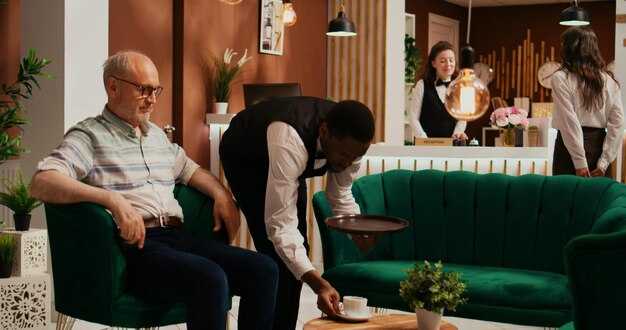
Launch a 90-day lightweight feedback sprint within your inclusion programme to capture guest and staff experiences, then plant actionable changes into operations. Start with a bread-and-butter set of questions that reveal access, options, and foods quality while keeping responses quick and easy to share via qloapps or in-room prompts. This approach will produce remarkable, fast-moving data you can act on without slowing daily work.
- Define the loop and data sources
- Channels: post-stay survey, brief in-desk check-ins, and a lightweight digital prompt via qloapps. Ensure prompts are accessible in multiple languages and formats to boost participation.
- Touchpoints: front desk door experiences, restaurant or cafe service, event spaces, and room amenities (foods, portions, taste, size). IncludeSeasonal tests for winter and Songkran-related events to assess inclusivity during peak activity periods.
- Planting mechanism: map each data point to a potential improvement backlog item and assign a clear owner. Track ideas from frontline thinking to action in the programme backlog.
- Define lightweight metrics that are meaningful and easy to track
- Inclusivity score: a composite metric from access (physical and digital), language options, meal/dietary accommodations, and event accessibility.
- Access and accessibility usage: number of guests using accessible features or requesting accommodations; percentage of rooms with improved accessibility features.
- Food and beverage inclusivity: variety of foods and dietary options, taste satisfaction scores, portion size alignment with guest needs.
- Event participation: attendance and feedback from diverse guest groups at events (e.g., Songkran, winter gatherings); measure whether event formats offered are welcoming to different cultures and abilities.
- Support and role clarity: staff confidence in handling inclusive requests; completion rate of inclusive service trainings; time-to-resolution for accessibility requests.
- Retention and attraction signals: repeat stays or referrals from guests who experienced inclusive practices; social sentiment related to inclusivity promotions.
- Set targets and dashboards that are practical
- Targets: increase inclusivity score by 10–15 points over 90 days; raise access-feature usage by 20%; expand dietary option coverage to accommodate at least three common restrictions; improve event accessibility ratings to a minimum threshold agreed with guests.
- Dashboards: display in leadership huddles and frontline team rooms; include color-coded alerts for missed targets and quick next steps.
- Reporting cadence: weekly data pulses, monthly reviews, and a quarterly summary that informs the next programme cycle.
- Turn data into rapid actions
- Action items tied to specific data: if taste or portion size feedback indicates misalignment, adjust menus and portioning in the bread line or dining options; if access feedback shows gaps, schedule quick improvements to door-access systems and signage.
- Close the loop with visible changes: publish a monthly “what changed because of your feedback” note to guests and staff to build trust and momentum.
- Promoting improvements: share remarkable case studies from Songkran or winter events where inclusivity boosts guest satisfaction and staff morale.
- Assign roles and support structures
- Role clarity: assign a dedicated inclusivity coordinator for the programme, with frontline support from team leads. Ensure cross-functional participation (front desk, F&B, events, housekeeping).
- Supports: provide quick-reference guides for accessibility tweaks, dietary accommodation templates, and multilingual prompts to reduce response friction.
- Door-to-door feedback loops: managers collect short observations from guests at key touchpoints (arrival, dining, event entry) to capture real-time hints for improvement.
- Iterate with seasonal and cultural considerations
- Event-focused learning: tailor prompts around Songkran and other cultural events to evaluate inclusive experiences during peak activities.
- Winter readiness: test heating, quiet spaces, accessible transport routes, and dining options during colder months with clear metrics on comfort and accessibility.
- Options and creativity: continuously expand options for meals, activities, and room configurations so guests feel seen and supported.
- Leverage tools and data integration
- qloapps as a central intake: use a lightweight form with a language toggle, request fields for accessibility needs, and a free-text box for quick ideas.
- Integrate with operational systems: feed insights into daily standups, the front-desk script library, and the event planning checklist to drive faster improvements.
- Creatively visualize progress: use color bands, bite-sized data cards, and simple trends to communicate progress to staff and guests.
- Examples of concrete improvements driven by data
- Improved door access: install clearer signage and accessible door handles based on guest feedback, reducing friction at entry points.
- Food options and taste: broaden menus to include gluten-free, vegan, halal, and allergy-safe options; adjust tasting notes and portion sizes to improve satisfaction.
- Event design: adjust room layouts, lighting, and seating to accommodate guests with mobility or sensory needs during Songkran or other events, leading to higher participation and positive reviews.
- Communications: translate key guest communications and menus; ensure prompts are readable and culturally respectful.
- Continue building momentum
- Embed inclusivity thinking into daily routines, not just quarterly reviews. Each team should test one new accessibility or inclusivity tweak every sprint.
- Celebrate progress publicly with a per-event wrap-up that highlights gained access, improved options, and guest feedback highlights.
- Document learnings in a living cheatsheet for future programmes, and reflect on potential to scale successful tactics to other properties or markets.
- Outcomes to expect
- More guests feel welcome from arrival through departure, evidenced by higher scores on access, foods, taste, and event inclusivity.
- Staff report clearer roles and smoother collaboration across departments, enabling faster response to inclusive requests.
- A growing repository of ideas from planting grassroots feedback evolves into a richer, more accessible guest experience program.
Engage local communities and guest councils for ongoing improvement
First, establish a standing Guest & Community Council for the hôtel area and invite local residents, business owners, associations, and travelers to join in rotating cohorts. This element keeps input fresh and grounded in real needs.
Set up two engagement layers: formal panels that meet quarterly and informal channels such as lobby cards, digital check-ins, and local events to capture organic feedback. Use what works best for each area to maximize participation.
What to discuss: safety, accessibility, service quality, and inclusion; frame this as part of a warming culture and embed awareness-raising around diversity in every session. Clarify success criteria so discussions translate into concrete steps.
Choose actions that are suitable and ready to implement; assign a role to a staff liaison and to a guest council member, and ensure proper welcome for all visitors. In the hôtel context, frontline staff can lead the welcome and build trust with local residents.
Leverage partnerships with local companies and neighborhood associations; invite them to co-fund projects that improve areas with high impact for travelers. Maintain a challenges list and document actions taken to resolve them, so progress stays trackable and transparent.
Make progress visible by saving time and resources through prioritization; share results with guests and staff via clear updates and open sharing channels, and check in on outcomes at the next panel. When participants fully engage, they feel inspired to act and contribute ideas that move actions forward.
| Ação | Stakeholders | Frequência | Key Metrics | Notas |
|---|---|---|---|---|
| Form Guest & Community Panels | guests, residents, local business owners, staff | quarterly | attendance rate, number of actions implemented, guest-satisfaction trend | panels drive practical ideas |
| Establish organic feedback channels | guests, staff, community groups | ongoing | volume of feedback, response time, resolution rate | include lobby kiosks, digital forms, and event surveys |
| Host awareness-raising sessions on diversity | local groups, staff, guests | bi-monthly | participation rate, diversity of ideas, implemented actions | link to community projects |
| Implement and report on actions | hotel teams, local partners/companies | quarterly | time-to-completion, cost impact, number of improvements completed | transparent progress notes |
| Share progress with travelers | guests, online channels | quarterly | reach, sentiment, documented case studies | public updates and success stories |
Comentários