10 Most Beautiful Bridges of St. Petersburg - Photo Gallery


Start your tour with the Palace Bridge at golden hour for a ready-made impression of St. Petersburg's architectural soul. Usually, visitors pause on the embankment while the blue water can find quiet reflections and the bridge's silhouette paints the horizon.
This gallery features 10 bridges along St. Petersburg’s embankments, each with its own color and mood. On the Moika and Fontanka shores, you’ll spot blue water, ornate arches, and architectural details that still please tourists and locals. Each bridge belongs to the city’s riverine character and offers a unique angle for photos.
Among the highlights, look for hidden corners where sphinxes guard access to the Bank Bridge and the embankment edges. The ironwork is shodded in places, a reminder that craft and adaptation meet on the water's edge. For alexander-era motifs, this area feels evocative and connects memory with the present skyline.
For photographers and casual observers, plan blue hour sessions when the reflections sharpen and the crowds thin. Stand on the embankment opposite the bridges to capture views across water and architecture; try a tripod for long exposures to smooth the river. The ready-made gallery routes you from one iconic span to another, so you can switch viewpoints without losing momentum.
Each bridge belongs to St. Petersburg’s living panorama, and the collection invites you to discover another angle with every visit. Whether you shoot from a nearby embankment or cross to the opposite side, you’ll find that the city’s bridges offer cross-cutting narratives–water, light, stone–and a sense of blue distance between history and today.
Best Times to See Drawbridge Openings: Schedules and Practical Viewing Tips
Plan to stand on the Palace Embankment by 1:25 a.m. during the summer window to catch the first opened spans, and stay until about 4:30–4:45 a.m. for the full sequence. This moment when the river waters reflect the city lights turns the bank into a small theater of steel and light, a sight that both tourists and locals remember as a highlight of the night.
- Season and timing: In the warm months, the Neva drawbridges are commonly opened around 1:15–1:40 a.m. and stay opened until roughly 4:30–5:00 a.m. The exact moment shifts with ship traffic and wind; on some nights the window may move 15–30 minutes. The system grew from soviet-era construction and is fine-tuned today by local engineers to handle busy river traffic.
- Best viewing spots: The Palace Embankment near the dvortsovy corner offers a broad view of multiple openings with reflections on the water. From prospekt along the bank you get a long line of sight toward the river, while the site near the theater district gives you a cinematic feel. Such vantage points give you a chance to compare how different spans open and how their silhouettes frame the city.
- Practical tips: Arrive early to secure a comfortable corner where the legion of tourists gathers; wear layered clothing for cool dawn air; bring a compact tripod or stabilize your camera on a railing for steady shots. Stay aware of safety signs and keep bags close–the open water nearby adds a dynamic element to every shot.
- What to expect: When a bridge is opened, its blades swing up in a precise, mechanical motion; the moment is brief but dramatic as the ship cruises past. After the vessel clears, the bridge closes again and the next span may follow. Some nights you’ll see back‑to‑back openings, some nights only one or two; plan for some variability.
- Photo and viewing etiquette: Share space with a steady stream of fellow watchers but avoid blocking traffic on the bank. If you want crisp reflections, choose a calm wind night and shoot with a slightly longer exposure to capture the glow over the water; each opened span offers a unique composition of steel, light, and water, a true couple of masterpieces from a long construction tradition.
Where to Photograph Each Bridge: Angles, Lenses, and Vantage Points
Petrogradsky Bridge Shoot from the left-bank quay at dawn for a clean skyline with the bridge’s arches in a single frame. Use a 24-70mm lens on a full-frame camera to balance foreground river dynamics and the silhouette of towering elements, then switch to 70-200mm to compress the span and emphasize tower details. Standing on the low stone ledge near the fortress perimeter, you’ll catch lamps along the embankment that glow gold as a backdrop; this opening perspective makes the composition feel intimate and structured, and it’s better when the water level is calm. Place the riverboats in the foreground to become a three-layer scene that also highlights the architect’s clean lines and the ironwork carried along the rails behind the bridge.
Pevchesky Bridge Position yourself on the right-bank sidewalk where you can frame the arch ring with a telephoto 85-135mm for close-up curvature, then widen to 24mm to show the bridge in context with the surrounding city streets. The closer vantage from this side gives a compact, architectural feel, and you’ll notice the state lamps lining the parapet–their glow can be captured as a soft halo. Look for a longer exposure to smooth water and emphasize the reflection blocks, especially near the corner where the railway embankment intersects the river. Also try a tighter 50mm to isolate the texture of the masonry and the intricate florstein-style detailing on the pedestals.
Sampsonievsky Bridge Stand on the central pier of the Neva embankment for a balanced shot that includes the bridge’s tapering approach and the opposite riverbank. A 35-70mm range works well for mid-framing, while a 16-35mm captures the full span from a distance. The most compelling version blends the bridge’s arches with a glimpse of the Peter-era skyline; look for a slightly lower angle so the arches align with the water’s edge, and wait for the boats to drift past to add motion without overpowering the structure. If you can, shoot during blue hour–the cool tones contrast with the warm lamps and bring out the sampsonievsky motif in a single frame.
Liteyny Bridge For this one, position yourself on the Liteyny Avenue side and shoot upward with a wide lens (16-35mm) to reveal the bridge’s vertical lines against the sky. A mid-range 50mm helps you isolate the arch rhythm from the street-level activity, while a longer 200mm compresses the approach spans for a more imposing look. The lamps along the pedestrian walkway provide a repeating pattern; shoot with a small aperture to keep the distant towers tack-sharp. The balance between architectural geometry and city life creates a calm, stronger image–opening angles from this side feel natural and immediate, almost like you are standing inside the state’s urban narrative.
Birzhevoy Bridge Photographers should start from the Exchange embankment, facing the bridge so the river’s current leads the eye toward the central arch. A 24-105mm gives flexibility to frame both the broad view and intimate details of the railing work. Look for a vantage where the bridge’s latticework lines converge with the market district silhouettes; this “other” angle often yields a stronger place for the shot. Stand close to the railing to capture the lamps’ glow reflected in the water, and consider a longer exposure to smooth the water while the traffic lines create moving light trails behind the bridge.
Florstein Bridge A frontal view from the plaza near Florstein’s landmark stones works well with a mid-long lens (70-200mm) to emphasize the bridge’s proportions relative to adjacent buildings. From a slightly elevated dock, use a 24-70mm to keep the bridge centered while letting the surrounding architecture loom in the background. The opening between the arches can produce a dramatic frame; shoot with a narrow aperture to lock all arches in focus, then switch to a wider setting to capture the interplay of street lamps and river reflections that give the scene a timeless feel–this is the moment when the florstein motif comes to life in gold-toned light.
Fortress Bridge Stand along the Kronverkskaya side where the fortress silhouette rises behind the bridge. A 35mm to 135mm range works well for a clean profile shot and a tighter close-up of the masonry, while a 16-28mm option lets you capture the entire width with the fortress backdrop. The best shots emerge when you place the bridge off-center and allow the water’s ripples to carry the composition forward. The fortress influence is strong here, so include state-like military lines and the protective mood of the location to convey its historical weight.
Railway Bridge The railway embankment on the river’s edge offers a very practical vantage. Use a 24-70mm lens to cover both the bridge’s arch and the moving railcars in the same frame; a longer focal length from a nearby pedestrian platform can isolate the ironwork’s repeating patterns. If you want a dynamic scene, shoot with a slower shutter while a train passes, and you’ll see the tracks carried by the bridge appear as a light trail that adds motion without losing clarity. This perspective often requires a slight shift in height between the railing and the tracks, so choose your standing spot carefully to avoid obstructing the rails.
Bank Bridge (and nearby arenas) For a classic shot, position yourself on the Bank Bridge side to include the gilded arches and the nearby lampposts in a tight composition. A 50-135mm range is ideal for compressing the bridge with the cityscape behind, while a 14-24mm option captures the arch’s opening against the river. The “gold” tones of sunset reflecting off the bridge create a stronger mood, and you’ll find a near-perfect balance between foreground detail and background architecture, which becomes a strong, stand-alone image to share in the gallery. The corridor of lamps along the balustrade provides a natural leading line to draw viewers into the frame.
Additional note on all images Choose a calm moment to shoot and avoid crowds; if you must shoot from a sidewalk, stay behind the lamps’ halos and use a tripod to lock exposure as light fades. If you face a crowded frame, switch to a longer lens to isolate a single arch, then later blend the two frames in post for a cleaner, more controlled result. Each angle can feel unique, and with the right lens, you’ll capture the bridges’ character beyond the obvious, from the fortressed echoes of history to the modern river traffic that keeps these places alive, once and again.
How Drawbridges Work: Basic Mechanisms Behind Petersburg’s Lifts
Check the daytime lifting times here on the official site before you go. This quick check helps you catch the moment when the bridge rises and the embankments stay clear for crossing.
Mechanical basics you can trust
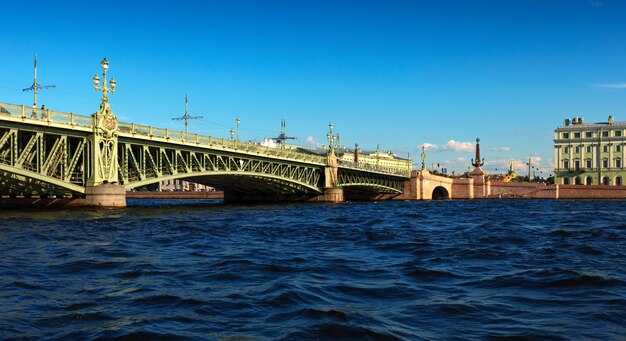
St. Petersburg drawbridges feature a permanent balance between leaf weight and counterweights. Each span pivots on a robust hinge, with a counterweight system that keeps motion smooth. In modern installations, hydraulic rams or electric motors drive the lift, while a linkage ensures safe, controlled movement. Starting the lift triggers alarms and a current of signals from the control room, and sensors verify there is no vehicle on the crossing. The result is a quick, predictable rise that lasts just a few minutes during daytime daily operations. This architectural feature is a city staple, and locals hail it as a practical representation of how engineering and elegance meet on the embankments. The griboyedov canal and dvortsovy district skyline frame the lift’s site, creating a striking attraction that visitors watch with fascination. Below the starting mechanism lies the counterweight pit, the permanent core of the system, while the crew monitors the state of the wind, water, and traffic to keep the operation safe.
источник
Tips for visitors and photography
Plan your visit to catch a lift during daytime when river traffic is active; check the current schedule before you head out. The crossing near nicholas garden provides a clear view of the opening, and you can compare angles from the embankments for a dramatic shot here. Photographers should set exposure for fast motion and use a tripod to keep the context sharp as the leaves rise. For reliability, watch for the name of the bridge on the plaque and read the nearby architectural notes to place the shot in the right context. The official site checks list keeps travelers informed and lets visitors plan quickly, ensuring you catch the moment when the span moves from horizontal to vertical. As you explore, remember that these lifts are a daily attraction and a permanent feature of St. Petersburg’s crossing culture, connecting two sides of the river and making daytime crossing possible for residents and tourists alike. The источник of this information is the city transport site, which publishes the current schedule and any temporary closures.
Top 10 Bridges: Quick IDs, Distinctive Features, and Photo Highlights
Choose Bank Bridge first for its still, cast-iron details and close-up sculpture work, then visit the rest to plan your photo walk along the canal and near the Mariinsky, where local guides often point out classic angles.
Bridge A – Palace Bridge: Quick ID: central Neva crossing with strong towers. Distinctive features: bascule design, twin white towers, lifted for ships; date completed 1916. Photo highlights: blue-hour reflections with the Hermitage across the water; Getty captions often emphasize the dramatic silhouette against the night sky.
Bridge B – Bank Bridge: Quick ID: pedestrian link between Nevsky Prospekt and the Griboedov Canal. Distinctive features: cast-iron railing, ornate lamps, sculpted griffins at the ends. Photo highlights: intimate close-ups of the griffin motifs; when the cast shadows lengthen, the bridge feels almost cinematic.
Bridge C – Trinity Bridge: Quick ID: three-arch stone crossing over Fontanka Canal. Distinctive features: clean lines, granite piers, stately approach to the center; completed in the early 20th century. Photo highlights: expansive canal views with city centers in the background; architects often note the balance of mass and light.
Bridge D – Anichkov Bridge: Quick ID: Fontanka crossing near Nevsky Prospect. Distinctive features: legendary horse statues by Klodt along the balustrade; a theater-adjacent, legible silhouette. Photo highlights: dramatic horse sculpture with passing trams; once photographed, the bridge becomes a symbol of Petersburgs’ romantic streetscapes.
Bridge E – Liteyny Bridge: Quick ID: a Fontanka crossing with a tall, arched profile. Distinctive features: iron-arch profile, decorative lanterns, steady traffic flow; date-and-century design cues show the state of early 20th-century engineering. Photo highlights: morning mist over arches and water; a favorite for wide-angle shots of the city’s core buildings.
Bridge F – Blagoveshchensky Bridge: Quick ID: across Griboedov Canal near the theater district. Distinctive features: robust stone arches, modest ornamentation; early-19th-century roots give it a timeless feel. Photo highlights: canal reflections and rows of pastel houses; this spot is a favorite for visit captions and captions from local centers of culture.
Bridge G – Alexander Nevsky Bridge: Quick ID: broad Neva crossing near central landmarks. Distinctive features: wide roadway, multiple arches, bold railing design; a late-20th-century addition that blends with historic silhouettes. Photo highlights: skyline views with the city’s dome and spires as a backdrop; some photos align with a sense of world-class city planning.
Bridge H – Canal Row Bridge (near Mariinsky): Quick ID: canal-side span close to the theater district. Distinctive features: slender profile, stone deck, and easy access for strolls in front of the historic cast of theaters. Photo highlights: intimate water-level shots and reflections of a nearby theater complex; this area often hosts cast photo shoots and media visits.
Bridge I – Fontanka Corridor Bridge: Quick ID: connects two water corridors just east of the city center. Distinctive features: light, airy arches, clean stonework; completed in the early 1900s, reflecting a period of confident urban work. Photo highlights: long canal views, with the Eiffel-inspired hints in some decorative motifs observed by enthusiasts; ideal for sunset sequences and quiet city portraits.
Bridge J – Pedestrian Viaduct with Eiffel-Influence (General View): Quick ID: elevated crossing with a distinctive, elegant arch rhythm. Distinctive features: slender steel lines, decorative lattice, and a nod to European arch traditions; date varies by rebuilds, with modern touches harmonizing with historic surroundings. Photo highlights: panoramic city views, capturing a broad stretch of domes and spires; Getty credits often accompany wide-angled frames that celebrate the surrounding world.
Plan Your Visit: Transit, Crowds, and Safety Around Drawbridges
Check the lift schedule for today and arrive at least 30 minutes before the first opening. Plan a route to central granite embankments along the Neva, with a middle view of the span as it lifts over the waters. rather than chasing crowds, choose a point near trinity bridge or on a nearby island; the scene often features griffins carved into the balustrades and a broad overview of the river. in november the crowds were larger, so a quieter vantage on the island side helps keep things safe. getty photos capture the moment the span lifted, a reminder of the scale and speed you’ll see. betancourt notes about the construction details show how engineers from different backgrounds–including a small french crew–contributed to upgrades that underwent multiple refinements. Some egypt motifs appear in reliefs along a pier, reflecting decorative influences from earlier eras. Today you’ll discover how the span, the granite, and the islands connect the city, creating a vivid urban arc on the river. betancourt also highlighted how they were implemented across the river system for safety and efficiency.
Transit Tips
To minimize crowds and maximize safety, plan to board a metro or tram that serves the central districts, then walk to the riverfront. If you prefer water routes, ferries connect to small piers along the islands; these options minimize street congestion. Leave enough time for interchanges and use the local transit app for real-time updates. The middle part of the city is lively; schedule your visit so you aren’t pressed by crowds near the lifted span. Construction zones may affect routes, so follow posted detour signs. The local route options are varied, so choose the one that places you closest to the granite embankments and the best overview of the scene, while keeping the crowd density manageable.
Safety and Viewing Etiquette
Keep a safe distance from the rails and never lean over when a span is lifted. Watch for sudden gusts and moving crowds; stay with your group and use designated pedestrian zones along the banks. Crowds tend to swell at lift moments, especially in november evenings, so choose stable ground away from the waters and avoid blocking access for others. If you want to photograph the moment, set your camera to a quick shutter and avoid blocking the view of locals. For a calmer experience, seek smaller vantage points on islands that offer a broad overview without crowds; always follow local signs and guards’ instructions.