
The Ultimate Guide on How to Survive a Long Flight - Essential Tips, Hacks, and Comfort

Pack a compact carry-on with a refillable bottle, nutritious energy bars, and a lightweight travel blanket to take control of comfort from wheels up. Seize the opportunity to set your energy level and stay alert. Such preparation is what adults wanted to feel more in control during long travels.
Choose a seat that gives space for movement and quick breathing; in an airbus cabin, opt for an aisle row when possible, so you can stand and stretch without disturbing neighbors. If you can, request extra legroom in advance or use the airline's seat selection tool to place your pack and devices within easy reach. Here are practical steps to optimize comfort.
Practice a simple breathing pattern: inhale for four counts, exhale for six, and repeat four times. This helps balance cabin pressure and reduces fatigue. If you wanted a calmer flight, maintain a mindset focused on small, doable steps, and incorporate breathing cycles and micro-breaks throughout the flight.
Wear comfortable, breathable layers and apply compression socks if you tend to swell. Choose loose pants and slip-on shoes, and keep a lightweight scarf that can function as a blanket. If you cant tolerate tight clothing, adjust your outfit to move freely.
Adopt a practical mindset of small, repeatable rituals: sip water every 20 minutes, choose nourishing snacks, and schedule micro-breaks. Your role is to listen to your body, recognize signals, and adapt pacing during travels. If you dont skip breaks, you reduce stress and improve comfort.
Keep a compact kit in your bag: a charger, earbuds, hand sanitizer, and a couple of fragrance-free wipes. For entertainment, download a mix of offline shows and a short playlist so you dont rely on constant data. Have a plan for bars and hydration, mixing energy bars with fruit to maintain energy throughout the flight.
The Ultimate Guide on How to Survive a Long Flight: Tips, Hacks, and Comfort; - Movies
Start with a small, soothing movie pack of two to three titles that fit the size of the screen and your mood; this ultimate approach keeps you relaxed and focused on content, not fatigue.
Filter choices by content and pace to manage challenges in the cabin; pick light comedies or gentle dramas that align with your feeling and help you relax, so you can enjoy the flight without overloading your senses.
Before takeoff, download content and set up a secure offline library on your airplane device; if you didnt leave your area for a stretch, you risk missing the best moment, so periodically check your battery and quietly sip from your drinks as the lights shift.
Dress in comfortable clothing and keep a small throw handy; position the table for snacks and organize the contents of your personal kit so everything stays within easy reach and your area stays tidy.
During service, let the aisle stay clear, use headphones, and keep the volume low; lets you enjoy the film without disturbing people nearby, and pause when you need a short break during the cart pass.
By blending content choices with mindful pacing, you maintain comfort and prevent unnecessary fatigue, turning a long flight into a manageable period of rest and entertainment.
Packing for a Long Flight: A Practical Cabin-Type Checklist
Pack a compact 1-2-3 kit: a clean outfit, a tablet with offline entertainment, skincare in travel sizes, sturdy headphones, and a compact neck pillow. This might save you time and earn calm from boarding to landing, especially if delays hit and anxiety rises.
In background, set a simple strategy: fit key items in a single cabin bag and keep a tidy pocket for tickets and documents. Your choices determine how comfortable you stay during the flight, especially at times when the cabin is quite warm or quiet. A simple rule found by frequent flyers is to keep a single compact pouch for cords and tickets. Being prepared reduces stress.
Carry-On Essentials
- Clothing: two lightweight outfits, a clean set of underwear, socks, and a compact jacket for temperature shifts.
- Skincare and hygiene: cleanser, moisturizer, lip balm, sunscreen, travel-size toiletries, hand sanitizer, wipes, tissues.
- Tech and power: tablet with offline downloads, charger, power bank (15,000 mAh or higher), USB-C/Lightning cable, noise-canceling headphones.
- Comfort: neck pillow, eye mask, earplugs, lightweight travel blanket or scarf.
- Onboard organization: keep a compact pouch in the seat-pocket and a small zip bag to separate liquids and cords.
- Documents and money: ticket, passport, boarding passes, wallet with cards, a small travel pouch for passes.
- Snacks and hydration: a few compact snacks, empty water bottle to fill after security, resealable bags for keeping items neat.
- Storage and fit: suitcase or backpack should fit under the seat plus one outside, with cords and adapters held in a dedicated organizer.
In-Flight Comfort and Mindset
- Movement and rest: plan short stretches at aisles, rotate ankles, roll shoulders, and stand up every 60-90 minutes when possible.
- Sleeping setup: use a sleep-friendly layer, eye mask, and a light blanket to ease sleeping, especially during episodes of rest between tasks.
- Mindset and choices: keep tasks simple, rely on a single charging cable, and set a flexible schedule to reduce anxiety. If you blog or track tips, note what works for you on this flight.
- Comfort routine: wipes or a small cloth clean surfaces around your space and refresh your skincare quick-trick before landing.
Seat Selection for Maximum Legroom and Easy Aisle Access
Choose the aisle seat in the forward half of the cabin for easy access and extra legroom. Exit-row seats often provide a pitch around 38–40 inches, while standard rows sit about 30–32 inches. If you travel with a small carry-on, store items in the overhead bin to keep the floor clear for passengers passing by. Thinking ahead, there are sometimes restrictions on exit rows; there, you should be able to assist in an emergency. Watching the flow of activity in the aisle helps you gauge when it's your turn to pass, and you can stretch your legs without waking neighbors. It may seem like a small detail, but the choice affects comfort for hours.
To stay comfortable on long flights, wear breathable clothing and carry a compact balm for lips or hands. Have your belt easily accessible for quick fastening during ascent, descent, and turbulence. If you choose a window seat, you gain a wall to lean against, but aisles keep you connected to the cabin and the passing traffic. For nights flights, extra layers help; consider socks to improve fitting before you settle. For everything you need, personal items stay within reach under the seat, and you can stash a small paper notebook to note anything you want to remember.
Before buying an upgrade, compare legroom on the airline app or paper seat map to gauge pitch, seat width, and armrest bars. If you’re buying extra space, choose a seat that leaves room for your personal items and the paper boarding pass. Once you confirm, make sure your bag stays under the seat in front of you and your jacket sits on top of your blanket to keep everything easy to reach. Connect with a crew member if you need help; their guidance can streamline the process. At this point, thanks for planning ahead–red-eye nights become more comfortable.
Sleep Setup: Pillows, Eye Masks, Earplugs, and Lighting Strategies
Pick a small memory-foam neck pillow and secure it with the strap before takeoff, so your head stays supported the moment you settle in on planes. Pair it with a soft eye mask and quiet earplugs, and set them as your first line against light and cabin noise. Use a light blanket or sweater to cocoon your upper body, and tilt the seat slightly to create a gentle incline that relieves pressure on your lower back. In economy, a newer, inflatable cushion can be easier to carry, potentially boosting comfort. Whenever you dress for a long flight, choose layers and comfy bottoms like sweatpants. Bring a compact audio device–or use your phone for watching a preferred show–to stay entertained and distract yourself during the transfer between gates. This basic routine definitely helps parents, fellow travelers, and solo travelers alike, and you can keep it simple without adding unnecessary clutter. Skip overpacking; a small kit with the essentials usually fits in a pocket, and keep it within reach at the armrest bars for easy access.
Comfort setup: Pillows and sensory gear
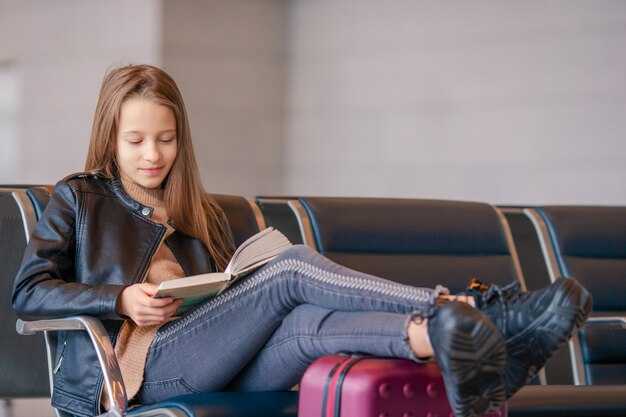
Choose memory-foam or inflatable options based on how you travel; both reduce neck fatigue and keep your head centered. Clip the mask to your bag if you don’t wear it during meals, and use foam earplugs when conversations around you pick up. The kit should be lightweight, easy to reassemble during a beverage service, and designed to fit your routine whether you are on an overnight flight or a shorter hop. Inexpensive tweaks, like a compact blanket and a strap-on cover for the pillow, make a big difference without adding bulk. In this article, you’ll find a flexible idea you can adapt for each trip and even share with fellow travelers to stay comfortable during long transfers.
| Item | Benefit | Setup Tips |
|---|---|---|
| Memory-foam neck pillow | Head alignment; reduced neck strain | Use strap; adjust height before takeoff |
| Inflatable travel pillow | Compact when packed; customizable firmness | Inflate to mid-firm; wrap around neck |
| Eye mask | Blocks cabin light | Choose contoured; wear with earplugs if needed |
| Earplugs (foam or wax) | Noise reduction | Insert before dimming lights; remove during turbulence |
| Lightweight blanket | Extra warmth and cocooning | Drape over torso; tuck sides for privacy |
Lighting strategies and sleep timing
Use a warm, dim reading light or your device’s red-night mode to minimize blue-light exposure in the final hours before sleep. If the cabin offers a dimmed environment, keep brightness low and avoid screens when you can. For watching entertainment, prefer short episodes or podcasts to reduce screen time while still staying entertained. When you need to wake up, take a short walk in the aisle area and drink water to reset your rhythm. Mastering a light sleep routine helps you feel rested even in cramped spaces. This habit is easy to maintain even on busy travel days and helps you recover faster after arrival. Investing in a simple night routine–hydrate, stretch your legs, then drift–works on planes as well as at home.
Hydration and In-Flight Nutrition: What to Drink and Eat
Start by drinking water every 15–20 minutes from boarding, aiming for about 250–350 ml per hour on long-haul flights to cover humidity losses and prevent dehydration.
Hydration strategy on long-haul
- Investing in a 500-ml reusable bottle makes it easy to sip regularly; fill at the gate and top up in-seat. In boeing cabins, cabin humidity stays low, so steady intake supports comfort over hundreds of miles and many hours.
- Choose water, herbal tea, or a diluted fruit juice; you can pick either if you want a small flavor shift without dairy heaviness.
- Set reminders to drink every 15–30 minutes and use wipes to freshen up when thirst hits between sips and meals. Those small resets ease your sense of fatigue during the flight.
- Avoid excessive alcohol; limit caffeine; these reduce hydration and can upset your stomach. If you drink coffee, offset with extra water and a light snack.
- Movies, a screen-based distraction, can help you stay consistent with sipping; pair a break between scenes with a quick water top-up to handle humidity and jet lag factors.
In-flight nutrition: smart snacks and meals
- Choose meals and snacks with basic contents that balance hydration and energy to cover energy needs on long-haul flights. This keeps you fueled without feeling heavy.
- Fruit and high-water-content vegetables are ideal for basic hydration; slices of citrus, watermelon, cucumbers, and grapes boost fluids while you chew.
- Keep portions moderate to prevent upset; pick small, frequent meals rather than one heavy meal. If you choose a heavier option, pair with water to ease digestion.
- Pack a simple kit: fruit, nuts, yogurt cup, whole-grain crackers, and a compact electrolyte packet. These options cover basic cravings and keep your energy steady across miles.
- Reminders and planning: before boarding, decide Whats in your in-flight kit and email yourself a quick checklist so you don’t miss essentials. Also, between meals, drink a glass of water and grab a wipe for a fresh feel.
Entertainment Strategy: Movies, TV, and Short Games for Time Pass
Start with a concrete setup: download a 90-minute feature film, two light TV episodes, and three short games for offline use. Pair them with a soothing soundtrack so you can switch mood without fiddling with devices. Pack soft blankets and a small pillow; rest your head on the headrest. Keep a paper notebook handy for quick notes, and toss in a few toys for younger travelers. Plan to periodically rotate activities to stay alert without fatigue. Passengers appreciate a balanced mix; this setup is likely to satisfy varied tastes.
Movies strategy: choose comforting, low-intensity stories. A light comedy or gentle drama steadies your pace and minimizes fatigue. Lower the screen brightness and choose a soothing volume; noise-canceling headphones cut cabin hum. If you have a tablet, keep it in airplane mode and use offline files; airlines offer a standard library of shows, but offline downloads give you reliability if the cabin signal falters.
TV strategy: for longer serialized shows, pick episodic formats around 20–30 minutes. Set a plan to watch two episodes, then take a walking break or stretch; a short walking break helps circulation and lower risk of thrombosis. Passengers around you will appreciate the quick breaks too.
Short games and activities: offline puzzles, word games, memory games, and tiny drawing pads keep hands busy. Carry a small set of toys for kids or a compact deck of cards to mix in. A paper notebook can host quick brain teasers or doodles; making use of these options helps fill time efficiently. This approach, plus thinking ahead, helps you rotate activities to avoid burnout.
Onboard health and comfort: keep hydrated, periodically stand for a minute, and perform ankle circles to keep circulation going. If you take pills for sleep or pain, have them in your carry-on with labels and a note from your doctor if needed. Noise-canceling gear stays with you; blankets and a light neck pillow add comfort. A working power bank keeps devices ready; most boeing aircraft onboard offer built-in entertainment, but rely on your offline stash for reliability between seatbacks and flight Wi‑Fi.
Onboard Comfort Gear: Blankets, Cushions, and Temperature Control
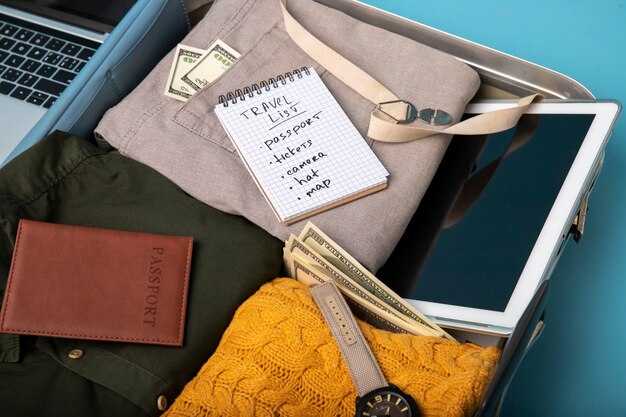
Pick a compact fleece blanket and a neck cushion to set your baseline comfort. A practical setup includes a blanket of size 50 x 60 inches, a memory-foam neck pillow, and a lightweight wrap to block drafts. Bring these three items; then you can stay rested throughout the flight. If your seat has three sockets, it means you can power a small heated pad or a USB hub, possibly keeping devices charged. Imagine the worst cabin chill, and how a simple kit can make the cabin feel warm and controllable before you reach your destination, letting yourself rest. This kit has you covered.
Temperature control hinges on layering. Wear breathable base layers, a mid-layer, and the blanket as a top layer, so you can dial up or down as the cabin temperature shifts throughout the flight. Alternatively, you can layer a thin jacket and the wrap for extra insulation. Add a light scarf or socks to address drafts; adjust the window shade to reduce glare and modulate the background light. If you need more warmth, a small portable fan or heated pad can enhance comfort if permitted, and that can kindle warmth without overheating. This being a practical habit helps everyone on board, letting you tailor the feel around the armrest as you wait at the gate before pushback. Also watch for any risk of overheating and adjust layers accordingly.
In-cabin entertainment comes from using your devices. Download movies to a tablet, stream a show, or cue relaxing music so you can entertain yourself without relying on the cabin's connection. The differences between aircraft models matter for comfort: some seats offer more under-seat storage or a better recline, others squeeze a pillow and blanket into a tight zone. Want extra control, bring a compact cushion and place it for lumbar support; before boarding, claim your space by stowing gear at your seat and in the overhead bin, gate crews permitting. Then you can focus on being rested and ready to enjoy the flight.
Pre-Flight and Post-Flight Routines: Jet Lag Prevention and Energy Recovery
Do this: shift your sleep window by 1 hour earlier or later each day for the three days before departure to align with your destination. This pre-flight preparations approach reduces jet lag and helps you arrive rested and ready to start the local schedule. Usually, pair this with bright light in the morning and a lighter dinner to support the shift. A sure routine adds consistency and makes the plan feel reliable.
In-flight, set your environment to mirror destination hours as much as possible. If you have a window seat, use daylight cues to guide your body clock; avoid disturbing others by keeping conversations quiet and using headphones. Wear comfortable layers and a light sleep mask if you plan to rest. Include stretching and perform it periodically–neck rolls, shoulder rolls, ankle flexes, and calf pumps every 30 minutes to boost circulation. Keep a cable handy to charge devices, and have audio or podcast plays ready to guide breathing or light movement. Hydrate regularly and limit alcohol; a full meal right before sleep can delay rest, so time meals to fit your target window. Usually light exposure helps reset your clock; plan to be by a window or outdoors when possible. Avoid impractical nap schemes and keep the plan feasible across flights and crossings. While en route, think about doors at the airport and on the plane and bring something small to snack if hunger hits. You can also prepare a quick idea for an activity during waits to stay on track. Any activity can disturb your rhythm, so keep it calm and predictable.
Pre-Flight Preparations
Set a practical plan for the days before the flight. Identify your target wake time, plan bright light exposure in the morning, and dim lights in the evening. Pack a compact kit: eye mask, earplugs, a small bottle of moisturizer, comfortable wear, and a reliable charger cable. Review your seating option–window provides light cues, while the aisle offers easy movement. Prepare a light snack for crossing security and bring something to snack if hunger hits. Carry a water bottle to stay hydrated and check the price of a travel neck pillow or sleep mask to balance cost with comfort. Keep a considered carry-on list to reduce clutter, and limit the number of items. When you pass the airport doors, be ready to move a little or stretch to stay awake. If you travel with children, include short walks and stretching breaks every hour to keep them calm. This idea helps you arrive with less fatigue and can be shared with companions through a quick podcast or audio. Limit Facebook use to quick updates to reduce blue-light exposure during travel, and keep a small set of plays or audio options handy for calm moments.
Post-Flight Energy Recovery
On arrival, get natural light within the first hour to reset your clock. If it's daytime, go for a 15-20 minute walk near a window and gradually increase activity. Plan a light, balanced meal to restore energy and drink water frequently. If you feel a nap is necessary, keep it brief (20-30 minutes) and avoid napping close to local bedtime to prevent disturb your rhythm. Allow yourself to adjust to the new setting by staying awake until an early local night, then sleeping in comfortable wear. Use a quiet, dim environment to ease the transition, and periodically assess how you feel; if you have a long crossing or a short rest, adjust your plan accordingly. For families with children, keep expectations realistic and include short energy-restoring activities for kids to avoid meltdown. You may listen to audio plays or a light podcast during the first hours back to maintain calm energy, but avoid heavy screens in the evening to set a smooth bedtime routine. Limit Facebook use to quick updates and ambient tasks, and end the day with something restful to help you finish the transition.


