
San Andres Island, Colombia - 18 Things To Know Before You Visit
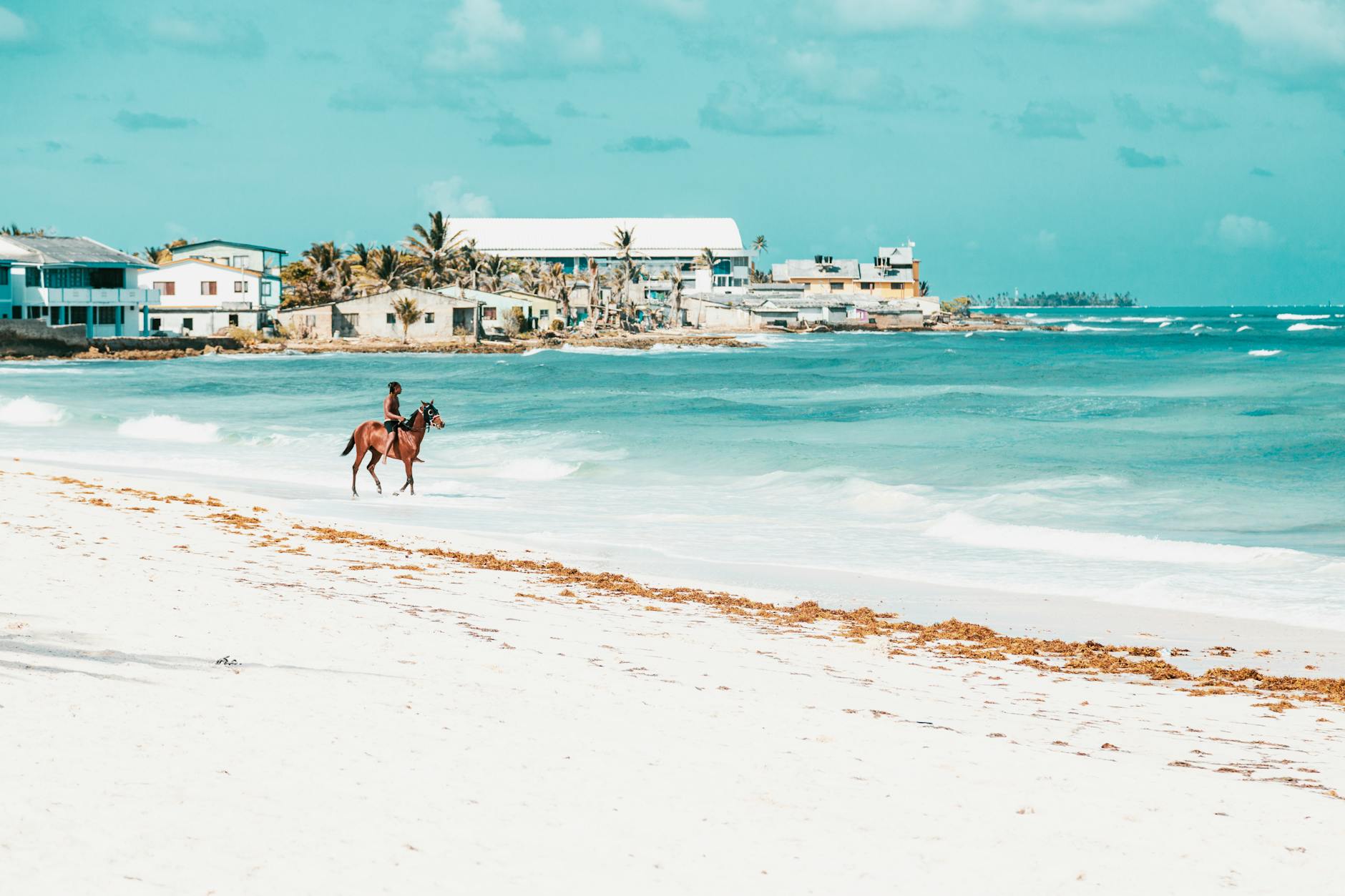

Recommendation for readers: one-way flight and stay at least four days to absorb the vibe. San Andres sits in the Caribbean, reachable by direct flights from Bogota, Medellin, Cartagena, and Panama City. Plan your timing with the sun: the dry season runs roughly December through April, but showers can pop up year-round.
Location and access: San Andres is a Colombian island in the Caribbean, part of the colombias department that also includes Providencia and Santa Catalina. The island's airport is Gustavo Rojas Pinilla International (ADZ). Direct flights connect from Bogota, Medellin, Cartagena, and Panama City; regional boats run from nearby mainland ports. For travelers, a scooter is a practical move, as distances between main spots are short and traffic is light outside peak hours. If you plan to add Providencia later, arrange that as a separate one-way link. This location suits travelers who prefer to move at their own pace.
Where to stay and how to move: Many accommodations are rented directly from owners or managed by small operators. A scooter rental typically runs about 25-35 USD per day, with discounts for multi-day bookings. Central San Andres near Spratt Bight gives easy access to beaches, shops, and pizza places; each option has a slightly different vibe, so read the listing details before booking. If you travel with family or a group, a serviced apartment can cut costs and give more space. spent more days, you save with longer stays.
Beaches and water time: The waters around San Andres stay clear and warm, with standout snorkeling along coral reefs near the west coast. The most accessible spots are within a short scooter ride of the main town; the flats near Johnny Cay are especially popular. Be aware that strong currents can be difficult for first-time snorkelers, so consider a guided tour or a life vest. If you prefer not to swim, glass-bottom boat trips let you take in the reef without getting wet.
Food and fueling your days: The island blends colombias flavors with Caribbean seafood. Try arroz con coco, fresh ceviche, and locally caught fish. Pizza joints line the beach, offering late-night slices after sunset. If you crave foreign-inspired dishes, seek spots that blend herbs from the mangrove with Creole spices. On a casual dinner night, many diners spend about 12-18 USD per person, with better value options at small family-run eateries.
Timing and crowds: Weather stays warm year-round, with a dry season roughly December through April. many readers plan trips during those months to maximize beach days, but you may encounter higher prices and crowds. If you need to adjust plans, the island's small scale makes changes easy. If you visit in the off-season, you’ll still find sunny windows and shorter waits. Always check local advisories for sea conditions and any public holidays that may affect hours at shops and tours.
Safety, money, and respect: Carry cash in small bills and have an emergency fund; ATMs exist in San Andres town, but some places only accept cards above a threshold. call ahead to confirm tour times and pick-up points, especially for boat trips. The island welcomes visitors but expects respect: dress modestly at religious sites, avoid stepping on coral, and understand the roots of tourism that grew from fishing families and family-run guesthouses. If you need extra options, local guides tailor low-pressure itineraries, and a sunset stroll to a local market makes for a gentle end to the day.
How to Reach San Andres with a Motorcycle: Transport Options and Bike Import Rules
Best option: ship your motorcycle as air cargo to San Andres and handle the temporary import with a local agent; you can manage the paperwork yourself if you gather the documents in advance.
Air cargo: Flights with a motorcycle to San Andres
- Check with airlines serving San Andres to confirm motorcycle acceptance as cargo; verify crate size and weight limits; typical crates run around 1.8–2.0 m long.
- Prepare documents: passport, driver's license, vehicle registration, proof of ownership, insurance, and a temporary import permit filed through a local broker or with DIAN; plan for peak season delays around holidays.
- Pack the bike securely: drain fuel, disconnect the battery, and pack the crate with padding and tie-downs; label the crate with your destination and contact details; pack spare parts you might need on island.
- Costs: freight, insurance, and handling; expect roughly 700–1500 USD for the cargo leg, depending on origin, crate size, and season; some charges rise during easter or other holiday periods.
- Timing: book early; processing can take 1–3 weeks; have a buffer if your travel window coincides with busy weeks around Easter or other local holidays.
- On arrival: arrange pickup from the airport; taxis are common; rojas can help coordinate inland transport to your hotel; once you’re in town, look around the caribbean culture area, enjoy restaurants with local dishes, and visit a Colombian church or statue in the center; you’ll feel the holiday vibe during easter events and weekend markets.
Sea freight: Bike shipping by water
- Options: RoRo service or container shipment; inquire with rojas or another local forwarder about schedules from Cartagena or Santa Marta to San Andres; confirm door-to-port or door-to-door service if you want less handling.
- Packaging: pack the bike securely; remove fuel, disconnect the battery, and crate with ventilation; secure handlebars and all loose parts; label the crate clearly.
- Costs: typically 600–1200 USD plus handling; add insurance and port fees; total varies by origin and service level; expect higher charges during busy periods.
- Timing: sea transit plus port processing; plan for roughly 1–3 weeks from origin to island, with potential extra days for customs checks.
- Import steps: temporary vehicle permit with DIAN; hire a local agent to handle the paperwork and keep copies handy during your stay; the island atmosphere offers colombian culture, with churches and statues dotted around town, and a strong easter holiday presence that makes the wait feel shorter.
- On arrival: coordinate unloading at the San Andres port or designated storage; taxis can take you to your lodging; then you can drop into nearby restaurants for local dishes and start exploring the full island experience.
Where to Hire or Rent a Motorcycle on the Island: Licensing, Insurance, and Rates
Rent from a licensed operator with a clear contract and included helmet; this protects you on the road and keeps your budget predictable.
Licensing and Documentation
Take your valid driver’s license from your home country and an International Driving Permit if you have one; many companies speak English, but confirm in advance. The minimum age is typically 18–21, and some shops prefer at least two years of riding experience. Look for companies that publish clear terms and provide a local call number if you run into issues. Some spratt outlets near Spratt Bight offer delivery to homestays, saving you from extra transport. If you dont have IDP, choose a provider that will guide you in your language and explain the rules for where you can ride. If youre new to bikes, choose a guided option. Always inspect the bike before you roll, and note any pre‑existing issue so they don’t mean you’re responsible later. A relaxing ride is easier with traditional guides who can show safe routes and help you decide which coast to explore.
Insurance, Rates, and Practical Tips
Rental packages offering CDW or basic insurance can reduce risk, and some cover tires and theft; verify the deductible and what’s excluded. Confirm whether helmets and locks are included, and ask about fuel policy–some places include fuel, others charge per refill. Compare several companies to find an affordable spot with transparent terms; the best operators speak honestly about what you’re paying for and may offer a weekend or night‑ride discount. The island offers a range of options, and you can decide quickly once you see the rate sheets. For budget travelers, scooters are typically the most affordable option, around 40–90k COP per day, while mid‑range motorcycles run 110–220k COP per day and premium bikes higher; rates vary by season and demand. Look for packages that deliver to your homestays or laguna area, making it easy to start your ride without extra travel. Pack a light backpack with water, sunscreen, and a small towel; you’ll value the compact gear when you stop at a pond or marine viewpoint for a calm break. If you want a more guided experience, traditional guides can tailor routes that mean less risk and more local flavor. Before you head out, call the shop to confirm your pickup spot and that the bike is in good condition; this helps you avoid issues on the road. After the ride, inspecting the bike with the attendant keeps everything clear and the rental experience really smooth. The island offers affordable choices, helping you treat yourself to a great day on two wheels.
Gear to Bring and Local Safety Rules for Riding on San Andres
What to bring
We recommend renting from a reputable shop and wearing a helmet on every ride. For security, request a lock, spare key, and a compact first-aid kit. Pack sunscreen SPF 30+, a light long-sleeve shirt, breathable pants or shorts, sunglasses, and a small rain poncho for coastal riding. Bring a reusable water bottle, a dry bag, and a phone with offline maps plus a power bank. Include cash for nearby markets and a couple of local restaurant stops; a quick dish at a nearby eatery can be a nice recharge. The course includes city streets, coast roads, and mixed terrain, so this gear keeps your experience quite comfortable across area routes. Also, note there are nearby suppliers with experienced staff, and visitors alike often switch bikes for the best fit. The setup is worth the effort for a relaxed day on the island.
Riding safety and etiquette
Three core rules guide every ride: stay on the right, maintain a safe distance, and slow down near residential zones or tight curves. Always use indicators, signal pedestrians before passing, and avoid riding after a drink or when fatigued. Night rides require lights and reflective gear. Keep both hands on the handlebars, respect signage, and switch on lights after dusk. In the centre and along the coast, traffic mixes with walkers and delivery vehicles; plan your moves and yield to others when unsure. Park only in designated spots to prevent disputes with property owners. If you feel uneasy, pause at a nearby café to regroup with friends or fellow visitors from every part of the world; this approach helps everyone enjoy a relaxing ride together, and riders alike will appreciate the calm pace around busy areas. However, know that local rules may vary by area, so observe posted signs and follow directions from security or police when present. Keep a number of local emergency contacts in your phone for quick help.
Must-Do Motorcycle Routes and Day Trips: Best Roads and Scenic Stops
Rent reliable motos at the airports area or a nearby rental shop, then begin a coastal ring ride that circles San Andrés; it’s perfect for a holiday pace, with space for photos and hibiscus-lined viewpoints. A one-way option is often available through booking desks; confirm security and return terms before you commit, as this route makes the most of what visitors expect from San Andrés tourism.
dian notes the hibiscus along the road and suggests a quick photo stop at each major overlook.
Top Motorcycle Routes
The Circumferential Route around the island covers about 25 km and delivers a packed mix of coast, reef views, and easy beaches. Start at Spratt Bight, ride west along the ring road, pass Morgan’s Cave and La Piscinita, then reach Hoyo Soplador for dramatic spray, and finish at Punta Sur Eco Reserve before heading back to town. Major pullouts at Spratt Bight, Hoyo Soplador, and Punta Sur keep time flexible; plan 10–20 minutes per stop for photos or a quick swim if permitted. This route is a huge crowd-pleaser and often worth a second pass for sunset photos.
Route 2: Northeast coastal loop. After Spratt Bight, take a lighter inland spur to a quiet beach or lookout, then rejoin the ring road for a seaside lunch. This variation gives you a different perspective on the space around the island and keeps the ride relaxed for those with a shorter schedule. You’ll still enjoy strong ocean views and the island’s characteristic hibiscus blooms in several roadside gardens.
Practical Tips and Scenic Stops
Booking ahead for motos can save time; one-way rentals are convenient but sometimes more expensive, so compare options. If you wont return to the starting point, arrange a pickup near your hotel or airport for security; most shops offer drop-off at Hotels or airports. Previous visitors have received warm welcomes from locals at beach kiosks and viewpoints, which flavor the roots of local cuisine you’ll taste along the way. This experience appeals to visitors seeking authentic space for exploration and a relaxed pace; it’s worth the effort to plan a morning ride, then a return to your base for a comfortable night at nearby hotels. Bring cash for small vendors, wear a secure helmet, and check tire tread before you take off. Call ahead to confirm bike condition and any route advisories, and if you’re short on time, spare a few minutes to stop at hibiscus-lined beaches for a quick photo before the last light fades.
Road Conditions, Traffic, and Safe Riding Practices on the Island
Always wear a helmet and ride at or below 40–50 km/h; never drink and operate a vehicle. For a first-time visitor, choose a licensed rental with insurance and clear local rules so safety stays top of mind during your vacation.
San Andres is located in the Caribbean Sea, closer to Nicaragua than to the Colombian mainland, and road quality reflects that mix of paved arteries and beaten sidestreets. The ring road around the island is mostly paved and smooth, but access to beaches and villages may rely on dirt or gravel sections that can loosen under rain. In november and other wet months you’ll encounter slick surfaces after showers, so slow down and give yourself more stopping distance. A full loop around the island takes roughly 1 to 2 hours by scooter at relaxed pace.
Traffic rules: drive on the right, keep to the posted speed limits, and signal when turning. Expect pedestrians, cyclists, and stray animals near villages; slow near the town centre and near church yards or markets where everyone crowds the sidewalks. Use the horn sparingly on narrow streets and watch for vehicles from blind curves; if you see a crash, reduce speed and give space.
Safe riding practices: inspect your vehicle before you start–brakes, tires, and lights matter. Wear a proper helmet and protective gear; never drink while riding and keep a beer or other drinks at a safe spot. Book rentals from reputable shops; the best options include clear insurance and roadside assistance. If you are unsure, hire a local safety guru or join a guided course for beginners. For travel planning, consider a booking that includes a pickup point near the centre to simplify your first ride; latam and wingo offer convenient flight options to San Andres for many visitors. If you have received safety tips from locals or the rental shop, apply them on the road.
Budget tips: set a daily budget and choose shorter rides between beach points; some local dishes and hibiscus drinks are affordable, while premium seafood dishes cost more. For visiting families, a half-day tour can be a good course to cover the main sights. Please learn about the local rules during november, easter, and other peak periods when crowds and traffic increase; booking ahead ensures you have a vehicle and a clear point to start from.
Safety reminders: always wear bright clothing; carry water and a map; if you stop to admire hibiscus or a church, park legally and re-check your route before continuing. Where you go, respect local residents and keep noise low; this helps everyone enjoy a stress-free vacation. As a visitor, you’ll appreciate clear signals and calm driving on your budget trip.
Costs, Payments, and Fuel Strategy for Moto Travelers
Fill up before you arrive in San Andres and keep a spare fuel reserve for the first leg in the country; island pumps can be sparse on weekends or during peak tours, so topping off at Pinilla before a coastal loop saves you time.
- Bike hire costs: expect 90,000–130,000 COP per day for a reliable 125cc motorcycle or scooter; deposits commonly run 150,000–250,000 COP. If you travel with passengers, consider upgrading to a bigger bike or sharing the rental with a second rider; some shops offer weekly rates around 500,000–750,000 COP for 5–7 days, with helmets and basic gear included.
- Fuel economy and costs: a 125cc bike averages roughly 2.5–3.5 L per 100 km; typical island loops plus detours run 60–100 km, so a full tank costs roughly 25,000–40,000 COP depending on tank size and local price of 11,000–13,000 COP per liter (colombian pricing). Plan 2–3 fuel stops if you explore away from El Centro to areas such as Pinilla or the pond near La Loma.
- Payments and security: cash in COP remains widely accepted for fuel, street food, and smaller shops; card readers are common in El Centro and larger hotels, but carry enough cash for a few days as a buffer. If you have previous trips with bikes, you know why a receipt helps. Always get a receipt from the rental outfit, lock the bike when leaving it, and use a sturdy chain or disc lock. If you share gear with others (ours group or passengers), label gear and keep it close to the bike to reduce risk. Some outfits may require a passport copy or a security deposit, so read the contract carefully before you sign.
- Gear and safety: bring a DOT/ECE-certified helmet, gloves, a breathable jacket, long pants, closed shoes, rain gear, and a small toolkit. A spare inner tube or patch kit pays off on quieter roads. Check tire tread and brakes before leaving, and keep a map or offline route on your phone to stay closer to the coast at night.
- Routing and timing: plan routes that avoid long inland stretches; the area around Spratt Bight and Pinilla offers scenic stops within mins of El Centro. If the day starts early, you can cover more places in a day and still have time to grab a snack or do a quick parasailing session at the pretty coast. For a relaxed pace, set a max daily distance of around 60–80 km and use the rest of the time for exploring towns and market stalls along the coast (cities on the island).
- Local options and tours: some operators offer combined tours that include a bike rental with a day plan to visit Pinilla, the pond area, and a sunset stop near the coast. If you want to explore with a group, share costs for a second bike: it’s often cheaper than hiring a single guide for yourself and a passenger; personally I prefer booking direct with a shop to avoid middlemen and get the latest deals.
Finding Bike-Friendly Stays and Parking: Lodging Tips for Motorcycle Travelers

Book a property with on-site, secure parking before you arrive, and request a dedicated bike bay or lockable garage. This true approach protects your gear and makes it easy to start riding right away along the waters around the archipelago.
Look for accommodations that clearly state free parking for guests, kept in a gated area or behind a staffed front desk. The experience improves when staff understand motorcycle needs, and if you can store your gear in a safe corner or provided cabinet. This helps visitors arrive relaxed after a long day of riding.
Ask about parking access hours and one-way routes to the property to avoid circling town; compare return times from rides and think about parking away from heavy traffic near the restaurants.
Here are practical steps to compare options: verify the number of spaces, confirm security, ask about overnight access, and get a written confirmation. Decide early whether you want a place near the waterside or closer to town if you plan long rides through the archipelago and want quick routes to history museums or local tours. Some properties offering options may require a small deposit, so be ready to check for that detail.
When you arrive, inspect the parking area: check the gate and surface, confirm there is space for your bike, and ensure your gear can be stored safely. After doing this check, you can start exploring the island with confidence and ease.
Some properties feature a garden with a pond; this provides a relaxing backdrop after a ride and a place to dry gear before heading out in the afternoon. If a place starts your afternoon with a view of the sea, it helps you feel connected to the true waters of the archipelago. For golf lovers, seek a lodging that can arrange a nearby practice facility or provide a small putting area to stay active without a long drive.
Decide how many spaces you need and whether a second bike can be accommodated if a friend visits. The number of spots is often a deciding factor when you compare offers; read reviews from experienced riders about the quality of parking and access, not just the price. Here is a quick reference to typical options and what to expect.
| Option | Parking Type | Security | Access | Typical Cost |
|---|---|---|---|---|
| On-site gated lot | Dedicated bike bay | 24/7 guard or CCTV | 24/7 | Free with stay / varies |
| On-site covered garage | Lockable bays | Controlled entry | 24/7 | $5-15/day |
| Nearby public lot | Shared | Limited security | 5-10 min walk | Variable |
What to look for in bike-friendly lodging
Prioritize secure, well-lit parking with a dedicated bike bay or garage, and ask whether helmet storage is provided. Favor properties that are close to main roads yet shielded from street noise, so you can start rides easily and return without complications. Look for clear access hours, US-style or local security practices, and a response that shows the staff understands the needs of riders who travel with gear.
Smart parking tips for motorcycle travelers
Before you book, compare the number of spaces and security features, and request written confirmation of your arrangement. Arrive with your gear secured and consider bringing a heavy-duty lock for extra protection. After arriving, photograph the space for reference and use one-way streets when possible to simplify your route back to the lodging. If you plan to visit restaurants, choose a property with safe drop-off points and easy access to lanes that lead you toward the coast and afternoon rides.


