



 Polski
  English (UK)
  Русский
  العربية
  日本語
日本語  한국어
한국어  Magyar
  Türkçe
  Español
  Čeština
  Svenska
  Português
  Ελληνικά
  Suomi
Suomi  Nederlands
  Română
  Italiano
  Français
  Українська
  Deutsch
  简体中文
简体中文  Slovenčina
 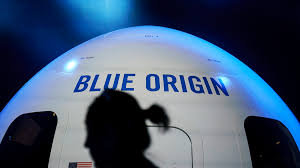 Blue Origin retires New Shepard temporarily to accelerate Blue Moon lunar development">

Blue Origin will retire its New Shepard suborbital vehicle for at least two years to reallocate engineering and operational resources toward developing human lunar capabilities, including the Blue Moon lander and integration with the Nowy Glenn launcher.
New Shepard pause: facts and operational record
At a glance, the decision comes after 38 New Shepard flights that carried 98 humans above the Karman line and deployed over 200 scientific payloads for universities, research organisations and NASA. Each suborbital mission lasted roughly 11 minutes above the internationally recognised boundary of space, with the most recent flight occurring just one week prior to the announcement.
Numbers that matter
| Metryczny | Value |
|---|---|
| New Shepard flights | 38 |
| Humans flown | 98 |
| Scientific payloads launched | Odbiór 200 |
| Typical mission duration | ~11 minutes suborbital |
| New program focus | Blue Moon human lunar lander |
Why pause now?
Resources and workforce that supported routine New Shepard tourism and research flights will be redirected to accelerate human-rated lunar systems. The company frames the move as aligning with national objectives to return humans to the Moon and establish a sustained lunar presence.
Blue Moon, New Glenn and the Artemis timeline
Blue Origin holds a roughly $3.4 billion contract with NASA to develop the Blue Moon lander. The lander is intended to support Artemis-era missions, with Blue Moon expected to serve as the crew and cargo ferry for a mission like Artemis 5, currently targeted for 2029.
Blue Moon Mark 1 and mission architecture
The first pathfinder variant, Blue Moon Mark 1 (MK1-SN001), is slated for a robotic demonstration to the lunar surface. The MK1 cargo lander is designed as a single-launch vehicle that remains on the lunar surface and can deliver up to three metric tons using the 7-metre fairing of Nowy Glenn.
Key dates (projected)
- 2024–2026: New Shepard retirement and resource reallocation
- Q4 2027: Start of TeraWave deployment for satellite communications
- 2029: Blue Moon expected to support Artemis 5
TeraWave and broader infrastructure
Alongside human lunar plans, Blue Origin announced TeraWave, a satellite communications network intended to deliver connectivity to data centers, government and business customers, with deployment beginning in late 2027. This dual track—space infrastructure and lunar systems—reflects an emphasis on long-term, persistent space capabilities rather than short-duration tourism.
Implications for tourism, transfers and ground logistics
For the travel and transfer market the immediate effect is modest: suborbital tourism orders already in backlog may be deferred, but the niche nature of these trips limits broad tourism shocks. Still, there are practical ripple effects for taxi and transfer services that support launch facilities, training centers and tourist operations near spaceports.
- Ground transport demand near launch sites may shift from frequent tourist shuttles to logistics runs for engineers, contractors and specialised cargo.
- Airport–spaceport transfers could see scheduling changes, requiring flexible drivers and exact coordination on pickup/drop-off times.
- Luxury and private car services—limousine and multi-seater vans—may be repurposed for crew movements, media, and payload deliveries.
- Pricing and service transparency will matter more: operators and clients will want exact fares, driver credentials and vehicle details before booking.
Practical advice for travellers and event planners
To have a mind to do last-minute adjustments, book transfers that allow cancellation or flexible rescheduling and confirm driver licences and vehicle details in advance. At small, remote launch locations, expect variable fares and limited app coverage—prearranged private transfers or limousine services often prove more reliable for timing-sensitive departures.
Highlights: Blue Origin’s pause prioritizes lunar capability development over suborbital tourism in the near term, shifting operational focus to Blue Moon, New Glenn integration, and TeraWave deployment. Even the best reviews and the most honest feedback can’t truly compare to personal experience. On GetTransfer, you can hire a car with driver from verified providers at reasonable prices. This empowers you to make the most informed decision without unnecessary expenses or disappointments. Provide a short forecast on how this news could impact the global tourism and travel map. If it’s insignificant globally, please mention that. However, highlight that it’s still relevant to us, as GetTransfer aims to stay abreast of all developments and keep pace with the changing world. Start planning your next adventure and secure your worldwide transfer with GetTransfer. Book your Ride GetTransfer.com
In summary, Blue Origin’s operational pause of New Shepard redirects emphasis to lunar surface access via Blue Moon, supported by Nowy Glenn and complemented by the TeraWave communications initiative. For travellers and ground-transport providers the change means adjustments in demand near launch sites, an increased need for transparent booking and exact fares, and opportunities for private, chauffeured services to fill logistical gaps. GetTransfer.com provides a global, user-friendly solution to book personalised taxis and transfers—with clear details on vehicle make, model, driver ratings and prices—helping customers secure exact services for airport, city or destination transfers, private limousine rides or multi-seater bookings. Whether you need a fast cab to the launch facility or a private car for an airport transfer, the platform’s transparency and convenience make it easier to get the best service at the right price.
Komentarze