
Nagoya Airport Taxi Transfers - From and To the Airport

Choose a shared transfer from Centrair Airport to your destination city center if you want the best balance of price and reliability. This starting option suits every traveler traveling light or with small groups. According to official pages, a shared ride costs roughly 2,000–4,000 JPY per person, while a private taxi for a door-to-door trip can run 23,000–30,000 JPY depending on destination and traffic. Expect 60–90 minutes to central Nagoya, with peak hours adding time. источник
If your party is larger, or you want more control over the schedule and comfort, consider the private option or a minivan for groups of 4–6 people. Whether you drop at a hotel, station, or a private address, you can arrange a door-to-door transfer that fits your destination and timing. Cards are widely accepted for payment, and many services offer a cashless checkout. In the open economy segment, per-seat pricing can lower costs for solo travelers on trips with no luggage-heavy needs.
To ensure a smooth start, book at least 24 hours in advance through the operator’s site or a trusted app. The medium of payment is typically cards (credit/debit), with some desks offering cash or mobile wallets. If you need a formal receipt, request it during booking and keep the confirmation handy for expense reports.
Arrival logistics are straightforward: follow airport signs to the taxi pickup zone or the pre-arranged meeting area. A driver will greet you with a name card and help with luggage. For trips to Nagoya Station, Sakae, or other popular destination areas, you’ll usually reach your hotel within an hour outside peak hours; in peak time expect longer waits. Always confirm pickup time and the route in advance to avoid miscommunication and delays.
NGO to Nagoya City: taxi routes, duration, and fare expectations
Book a taxi with a valid license in advance at centrair for NGO to Nagoya City transfers; a direct ride to Nagoya Station or Sakae takes about 40–60 minutes depending on traffic, with fares around 20,000–25,000 JPY. The centrair taxi desk accepts major cards and cash, and you can choose between a kogata car or a larger sedan if you travel with multiple customers or extra luggage. This option keeps things simple on arrival at your address and avoids lengthy waits after a flight. centrair provides ample parking and a dedicated pickup area, with color-coded signs to guide you to the taxi stands.
Routes and duration
There are two practical routes. Direct NGO to Nagoya Station/Meieki covers central access in about 40–60 minutes in normal traffic; peak hours can stretch to 60–75 minutes. A second option targets the Sakae or Fushimi districts, helpful if your hotel address sits in those neighborhoods. In both cases, drivers favor the Tomei-Meishin corridor when traffic allows, and a kogata taxi moves smoothly through crossings and city streets. For larger groups or families, a bigger car or van adds space and keeps you together; multiple customers can share the fare and reduce the per-person cost while enjoying clear views of the river edges and parklands along the route. If youve just landed after a flight, this direct ride minimizes delays and lets you relax soon after arrival.
Fare expectations and tips
Fare ranges from 20,000–25,000 JPY for a daytime ride; cheap options exist if you mix train and taxi or share a ride. Late-night hours add roughly 20–30% due to night surcharges. For cheaper options, take a train from Centrair to Nagoya Station and finish with a short taxi to your hotel; this mix works well for smaller groups or budget-minded customers. If you come with multiple customers, a larger car or a club-style transfer can reduce per-person costs and simplify parking at the hotel before you check in. The centrair desk accepts a range of payments, and you can request a fixed-rate quote in advance if you want to lock in a price; this is popular with frequent travelers and clubs. If you know your flight details, such as what flight youve booked, you can time pickup to match baggage claim and avoid extra waits. Some countrywide providers operate across Japan, offering NGO to Nagoya City transfers. Reputation for punctuality matters, so choose operators with a good reputation. If you need Chinese language support, tell the desk; some drivers and desks can assist in Chinese. Youve got good flexibility to pick a route that matches your flight and address, without rushing after landing.
Nagoya City to NGO Airport: typical pickup points and travel time
Take the Meitetsu μ-Sky from Nagoya Station to NGO: it’s the right first pick for speed, with English-speaking staff at the counters and a clear destination. The ride lasts around 28–35 minutes, costing around 1,250–1,800 JPY one-way. For door-to-door comfort, private transfers offer an excellent alternative with English-speaking drivers, open billing, and fixed rates; costing varies by pickup point and vehicle type around 40,000–60,000 JPY.
Pickup points close to Nagoya City center include Nagoya Station, Sakae, and Kanayama. From these points you have several method options: train (μ-Sky) for the fastest route; taxi or private transfer for convenience; or direct airport bus from the Meitetsu Bus Terminal for cost efficiency. To find the best option that fits your timing and group size, weigh reliability against price and plan into your course.
Pickup points and travel times
| Pickup point | Best transfer option | Approx. time to NGO (minutes) | Notes |
|---|---|---|---|
| Nagoya Station (Meitetsu Terminal) | Meitetsu μ-Sky to NGO | 28–35 | Direct service; english support at counter; fares around 1,250–1,800 JPY; card accepted at machines |
| Sakae (downtown) | Private transfer or taxi | 50–65 | Door-to-door; nighttime charges may apply after 22:00; open 24/7 options with bookings available |
| Kanayama | Taxi or private transfer | 50–65 | Quick highway route; costings vary; card accepted by many providers |
| Meitetsu Bus Terminal | Airport Limousine Bus | 60–85 | Cheaper option; timetable dependent; 1,000–2,000 JPY; English assistance on many routes |
| Fushimi area | Taxi or private transfer | 55–75 | Good if you stay near metro; may be cheaper with share-ride options |
Tips for choosing: check reputation of the operator, compare offers, and confirm that the service accepts your preferred payment option. The online booking option is common, with some operators offering online bookings and others allowing transfers without advance reservations at the terminal. For nighttime travel, charges may apply; private transfers booked in advance may offer the smoothest experience, with the driver waiting at arrivals. If your plan includes hot springs on the way, you can add a short detour into your route, enjoying scenic coastal views on the approach to NGO.
Where to find taxi stands and signs at Chubu Centrair International Airport
Go straight to the arrivals hall exits on the ground level and follow the clearly marked taxi stands outside. Signs display Taxi in English and Japanese and direct you to a short queue that stays efficient even at busy times, helping you reach your hotel quickly.
Inside the arrivals area, staff at information desks assist foreigners and first-time visitors, because this system is user-friendly and designed for the world traveler. The signs are consistent, easy to spot from the main corridors, and show the pickup point from the corridor to the street outside. In springs or other seasons, signs stay the same and help you reach the queue quickly.
Signs and queues at a glance
Advanced booking is available for larger vehicles, and should be considered if you have a lot of luggage or are traveling with family. This is the only taxi queue you need for a straightforward pickup. Taxi2airport options let you arrange a pre-paid transfer from the airport to your hotel, which many visiting foreigners appreciate. The pickup area is clearly labeled, so you can show the driver your destination and be on your way within minutes.
Payment is straightforward: cash is widely accepted at the stands, and many taxis also accept cards; just check the sign before boarding. If you arrive from a flight heading south, or from a neighboring country during busy seasons, you’ll still find the signs easy to follow, and the line moves quickly for a smooth start to your sightseeing or hotel stay.
For travelers visiting Nagoya, the taxi stands at Centrair connect easily to central streets and major hotels in nearby districts. The ride can be a comfortable first leg before you switch to the train for longer trips, or you can simply stay within the city to visit top attractions. If you have much luggage, consider a larger vehicle, and you’ll be happy with the pace and rating of your pickup, especially when you book through taxi2airport or your hotel’s recommended service.
How to request a taxi at the airport: counters, queues, and English-friendly options
Booking in advance online is the easiest way to secure a yellow taxi at centrair. This article covers counters, queues, and English-friendly options so you can move quickly after flights. If you travel with friends, you can share a ride to cut cost, and you’ll see the posted charges and a clear list of options offered at the arrivals hall, including taxi-hailing services. In springs and busy periods, expect larger lines, but online booking keeps you moving fast.
Where counters operate and how to queue
In the arrivals area, go to the taxi counters near baggage claim. Large boards list the next available desk, and staff offer basic English help to choose a ride. In case of long lines, use taxi-hailing options online or on official sites to join a virtual queue and get a time estimate. If you need clarification, call the desk and ask for the next steps.
English-friendly options, costs, and how to choose
English signage helps travelers from global origins, including those arriving from hokkaido or other regions. For cheaper or faster options, compare the charges at the counter with the online booking price list. You can choose express taxis, large vans for groups, or standard yellow taxis. Known providers and takara are offered by centrair partners. If you stay in a village near Nagoya, or you want a home ride after a long flight, these methods still apply. Use the sites to book, then quickly confirm your booking. Next, pick up at the curb or use taxi-hailing apps that rank services by price and views from other passengers. The list of options ranks by price, including cheaper and faster choices. If you miss a counter, a quick call to the desk helps you switch to a nearer option.
Key Japanese phrases for hailing a taxi and giving your destination (with romanization)
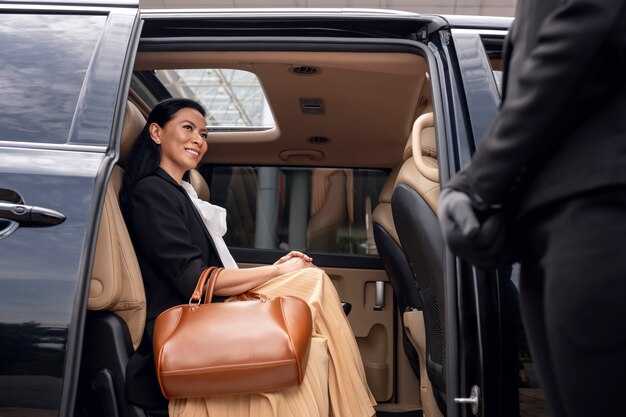
Call タクシーをお願いします (Takushii o onegaishimasu) at the platform to secure a kogata taxi, ensuring a smooth pickup after flight arrivals. This direct approach helps you navigate busy station queues and avoids hidden fees by confirming the fare before departure from the airport.
- Hailing a taxi at the airport or station
- タクシーをお願いします。 (Takushii o onegaishimasu.) – Please summon a taxi.
- タクシーを止めてください。 (Takushii o tomete kudasai.) – Please stop here.
- ここで止めてください。 (Koko de tomete kudasai.) – Stop here, please.
- このプラットフォームのタクシーはいますか? (Kono purattofōmu no takushii wa imasu ka?) – Is there a taxi on this platform?
- kogataのタクシーをお願いします。 (Kogata no takushii o onegaishimasu.) – Please assign a kogata taxi.
- プラットフォームはどこですか? (Purattofōmu wa doko desu ka?) – Where is the platform?
- クレジットカードは使えますか。 (Kurejitto kaado wa tsukaemasu ka?) – Do you accept credit cards?
- Giving your destination
- Nagoya-eki made onegai shimasu. 名古屋駅までお願いします。 – Please take me to Nagoya Station.
- Chūbu Kokusai Kūkō made onegai shimasu. 中部国際空港までお願いします。 – Please take me to Chubu Centrair International Airport.
- Hoteru [Name] made onegai shimasu. ホテル[Name]までお願いします。 – Please take me to Hotel [Name].
- Ryōkin no mitsumori o onegaishimasu. 料金の見積もりをお願いします。 – Could you provide a fare estimate?
- There’s a taxi stand near the arrivals hall. 到着ロビーの近くに待機所があります。 – There’s a taxi stand near the arrivals hall.
- この車はkogataタクシーですか? (Kono kuruma wa kogata takushii desu ka?) – Is this a kogata taxi?
- Chūbu Centrairを through routeでお願いします。 – Please take me through the route to Chubu Centrair.
- Practical notes for smooth trips
- There’s a popular option for airport arrivals: kogata vehicles offered by standard fleets. This helps reduce waiting time and improves seat comfort, especially for longer transfers.
- Ask for a fare estimate before departure to avoid hidden surprises and to protect reservations.
- Meeting points are usually at the station or airport taxi stands; confirm the exact platform or stand with the driver.
- For added assurance, mention your flight number and arrival time so the driver can monitor changes and adjust if there’s a delay.
- Additionally, specify seat preference (front seat or rear) if you have a preference or luggage constraints.
- If you need a receipt, say so before departure: レシートをお願いします (Reshī o onegaishimasu) – Please provide a receipt.
- Quick phrases for a confident exchange
- Sure, to Nagoya Station, please. 名古屋駅までお願いします。 (Nagoya-eki made onegai shimasu.)
- Through the shortest route, please. 最短ルートでお願いします。 (Saitan rūto de onegaishimasu.)
- Are there any additional fees? 追加料金はありますか。 (Tsuika ryōkin wa arimasu ka?)
- We’re set for a kogata taxi. kogata taxi set pieces now. (Kogata takushī wa settei sareteimasu.)
Etiquette, payment, and luggage tips for taxi rides in Japan
Confirm fare method before you start: most taxis operate on meters, with airport surcharges and occasional night rates. Tell the driver your destination clearly or show it on a map; if you need speed, ask for a fixed-rate option from a licensed company, and note any luggage charges that may apply. Fare information can vary by region, so check the notes at the airport sites for the latest details.
Etiquette matters: greet the driver politely in Japanese when possible (for example, “konnichiwa” or “arigato”), offer a brief nod, and let them open the door. Sit up straight, keep your voice low, and avoid loud conversations or loud phone calls. Close the door gently when you exit. Load luggage into the trunk, keeping bags stable; if the trunk is full, ask whether a larger taxi or a company van is available from the same company.
Luggage tips: place heavy bags in the trunk or rear area and keep valuables with you. For Hakone or other scenic routes, plan for extra bags or gear and consider a vehicle with roof racks if you have bulky items. If you’re traveling with delicate items, wrap them and mention fragile handling to the driver. In public areas with little space, coordinate loading to keep aisles clear.
Payment: cash remains common, but many taxis accept credit cards, IC cards (Suica, Pasmo), and mobile wallets. Paying by card usually requires tapping or inserting at the reader; for cash, have small bills ready to speed things up. Fare totals should be checked on the meter before paying, and you can request a receipt if you need it for reimbursement. Fare methods are changing as more operators adopt digital options, so ask upfront if you’re unsure and consider paying the driver directly to avoid delays.
Airport and city transfers: At Nagoya's Chubu Centrair International Airport, licensed taxis line the arrivals area and operate from well-marked stands. If you’re heading toward Hakone or other destinations, discuss the route and estimated time with the driver; for groups, a company van can fit more luggage and passengers. In busy urban areas, population density can affect wait times, so consider booking ahead via the operator’s phone or app. When you’re close to your stop, request a drop-off near the hotel entrance to minimize carrying bags. Always have your destination ready in writing or on your phone to avoid confusion.
Notes on language and sights: theres plenty of public information at stations and on sites about etiquette and fare structures. Weve found that some routes pass through streets with historical architecture and scenic views, so asking the driver for a brief pause to admire the surroundings can be pleasant. If you’re curious about local points of interest, share your interests and the driver may show you convenient stops along the way, helping you make the most of your country-from-city transfer with smooth, paying attention to the meter and your timetable.


