



 Polski
  English (UK)
  Русский
  العربية
  日本語
日本語  한국어
한국어  Magyar
  Türkçe
  Español
  Čeština
  Svenska
  Português
  Ελληνικά
  Suomi
Suomi  Nederlands
  Română
  Italiano
  Français
  Українська
  Deutsch
  简体中文
简体中文  Slovenčina
 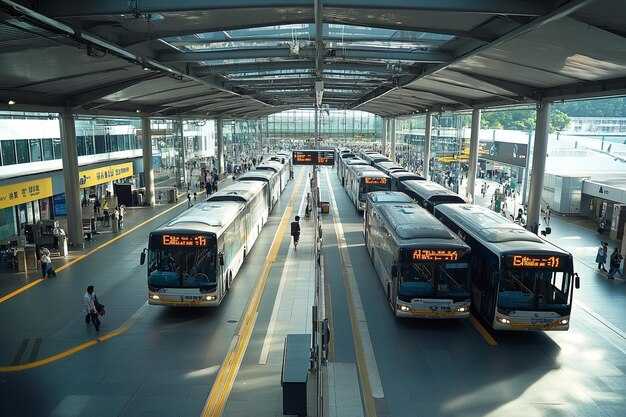 Mumbai Airport to City – A Practical Guide to Local Buses, Taxis & Trains">

Taking an air-conditioned taxi from the airport to Andheri will save time when traffic peaks. From Andheri, a regular Western Line train will move you toward Churchgate, delivering podróżni into central Mumbai in roughly 30–40 minutes depending on congestion.
If you prefer a cheaper option, look for regular miasto usługi that run from nearby stops toward Vile Parle oraz Parle neighborhoods. Buses fill up during peak hours, so aim for mid-morning departures. Signs show route numbers in English and Marathi, helping podróżni who are new to the city. Along the way, you’ll pass areas with Mumbai’s dziedzictwo visible in street life and building facades.
For faster rail access, head to Andheri and board the Western Line train toward the city, or try the award-winning Versova–Andheri–Ghatkopar Metro, which links Andheri with Ghatkopar and central corridors quickly. This instance shows how rail options cut travel time, especially for last-mile access from Parle oraz Vile Parle stations.
When using taxis, confirm the fare before departure; prefer meters or reputable apps. Keep belongings in sight and watch for overclaiming drivers. If you ride trains, buy a day pass or use a stored-value card. For first-time travelers, note platform numbers and last-mile options, especially near Parle oraz Vile Parle stations. The signs are in English, Hindi, and Marathi for easy navigation. This świat includes a mix of bus, taxi, and train options.
Following these options, travelers will reach the city center with a practical balance of comfort and cost. This approach suits Indian and international visitors who value predictable schedules and clear signage, making it simple to start your Mumbai explorations.
Which Local Bus Routes Connect Mumbai Airport to Downtown and South Mumbai
Take a Western corridor BEST bus from Mumbai Airport Terminal 2 toward Churchgate or CST; this route offers the most straightforward connection to Downtown and South Mumbai.
From the arrivals area, read the destination boards and look for buses headed to Churchgate, Fort, Marine Drive, or Nariman Point. Choose a route that matches your downtown target, and buy a prepaid ticket at the counter if available or pay the conductor on boarding. Regular service runs through the day, keeping fares low and making it easy to plan an advance trip without a taxi toll.
Several options head west toward Versova and Parle after passing through central hubs, giving you a flexible choice if you want to visit nearby neighborhoods before finishing your city tour. With the right route, you can reach your hotel or a metro connection with minimal transfers and maximum convenience.
Ticketing and timing are simple: cash or prepaid cards work, and the Brihanmumbai BEST team operates the network with clear boards at the terminal. If you need to adjust your plans, you can switch to a different route at major stops; regular updates appear on the terminal boards and at the website. For taxi alternatives, note that taxis are metered and can be faster during peak hours, but buses offer a cheap, steady option for a longer, scenic trip.
For current routes and timings, consult the official Brihanmumbai BEST website (источник) and traveler insights on TripAdvisor. These sources help you compare options, read recent traveler experiences, and plan your trip with confidence.
Practical tips for choosing the right ride
Advance planning matters: decide in advance which downtown stop you want to reach, then pick a route that lists that destination. If you requested a stop closer to your hotel, stay on board until you see your preferred landmark. Carry exact change or use prepaid passes, which speeds up the process at the terminal. Regular service is available during the day, with longer waits possible in peak time, so map your time accordingly and keep a small backup plan in case the first option is full.
Where to Buy Bus Tickets and How to Pay (Cash, Card, or Mobile Wallet) at the Airport
Buy at the airport BEST counters in Terminal 2 for the quickest start to your travel; cash, card, or mobile wallet are accepted at all official outlets.
Ticket Counters and Kiosks
In Terminal 2, visit BEST ticket counters near Gates 2 and 7 or the Arrivals desk to buy single-ride tickets or value passes offering multiple rides. Automated kiosks in Terminals 1 and 2 dispense tickets fast; you can use cash, debit/credit cards, or mobile wallets with a tap. The award-winning staff can guide you to the correct fare type for your itinerary.
Inside the airport complex, private providers such as innova and uberola operate desks offering transit tickets and transfer options between routes. If your plans include Worli or ghatkopar, ask for a route linking to these hubs and check transfer steps at the counter. The источник notes mobile wallets gain popularity across the terminal, speeding up payments and reducing queues. A travel card can cover miles of city travel, saving time during a longer stay or museum visits.
Routes to ghatkopar are frequently served from the airport, making a transfer easier when you plan a multi-stop trip. However, check the latest boards for direct options beyond the core routes.
Payment Options and Quick Tips

Cash remains widely accepted; carry small notes for exact change. Cards work at all counters, and mobile wallets provide the fastest checkout with a quick scan or tap. For a smoother experience, consider a prepaid pass if your travel needs are higher or you plan multiple rides in a day; it saves time at each transfer. Preferences vary; match your method with the level of convenience you want. If you have questions, staff at counters help with payment options and route choices. For Indian travelers, the impact of mobile wallets is clear in long lines at peak hours; mobile payments maintain a better flow of travel through the terminal.
| Opcja | Gdzie kupić | Metody płatności | Uwagi |
|---|---|---|---|
| BEST counters | Terminal 2; some Terminal 1 outlets | Cash, Card, Mobile Wallet | Best for single rides and quick starts; observe fare boards |
| Kiosks | Near baggage claim in Terminals 1 & 2 | Cash, Card, Mobile Wallet | Fast, self-serve; signs show zones and prices |
| Private providers (innova, uberola) | Airport complex desks | Card, Mobile Wallet | May offer transfers to Worli, Ghatkopar; verify miles coverage |
Estimated Travel Times and Frequency: Buses Versus Taxis During Peak Hours
Recommendation: From the airport, take a taxi or auto to reach south Andheri or central city quickly during peak hours; buses save money but expect longer travel times. Use apps to compare live ETAs and price estimates before you choose; yellow taxis with meters provide predictable costs, while rickshaws offer flexible access through crowded streets.
Peak Hour Travel Times and Frequency

Buses: On the airport corridor, buses run on popular routes with a headway of about 10–15 minutes during morning and evening rush. Door‑to‑door times to Andheri commonly fall in the 60–90 minute range, while trips to central and south Mumbai can reach 90–120 minutes depending on traffic conditions and detours. For a user planning a museum visit or a short tour, add extra buffer for pauses and transfers; the following details come from official istό источник transport data and city schedules.
Taxis and auto-rickshaws: Availability at the arrivals curb is high, with typical waits of 5–15 minutes in peak. Drive times to Andheri are usually 30–60 minutes; to south Mumbai or Fort can extend to 60–90 minutes during heavy traffic. Prices rise with distance and congestion; use apps to view live price estimates before you ride, and remember that meters apply for yellow cabs and auto-rickshaws. If you need a quick, predictable ride, the opposite option–taking a bus–will save money but cost you time.
Choosing Based on Your Itinerary
For a time‑sensitive itinerary or a tour plan, prioritize a taxi or auto to secure access and shorten the journey, especially from south Andheri to central city points. For a more budget‑friendly option, a bus works well if you can spare 60–90 minutes or more and you don’t mind possible delays from traffic. A practical approach is to combine modes: taxi to a transit hub, then bus for a leg of the route, then a short auto at the end if needed. This strategy suits most travelers, including social media users who want steady access to real‑time updates via apps and team recommendations. Also, if you must cancel, some ride‑hailing apps offer refunds before pickup; verify the following terms in your region and app settings.
Choosing the Right Airport Ride: Taxis, Ride-Hailing, and Fixed-Fare Options
Choose a metered taxi from the front curb for transparent fares and a straightforward commute to the city. In indias busiest airports, meter-based taxis display the fare as the ride starts, so your decision stays clear even during peak hours. If you travel with luggage, a metered taxi keeps things simple at the centre and helps you reach Andheri or other towns with minimal questions.
Ride-hailing apps offer upfront estimates, simple pickup, and a predictable route network that would serve travelers heading to Andheri, the centre, or other cities along the routes. The first mile from the terminal sets the tone for your day, so compare the upfront fare to a metered ride, especially at night or during events when surge pricing appears. If you prefer door-to-door service, this option keeps your commute smooth while you stay in the back seat.
Fixed-fare desks provide prepaid options to popular destinations. These desks publish a maximum fare to the destination so travelers know the price before you ride. For longer commutes or busy times, fixed-fare can save time by avoiding route questions and meter delays; you simply pay and go.
Auto-rickshaws (rickshaws) offer the cheapest side route for short hops to nearby towns or city corners, but they often have limited luggage space and no reliable meters. If you need a compact option for a quick trip, choose compact sedans or city taxis. For groups or families traveling with bags, taxis or ride-hailing ensure comfort and speed, while the network maintains profits by keeping trips efficient. Advertising at the airport and within apps helps keep fares affordable for travelers.
Rail Connections from the Airport Area: Using Suburban Trains to Reach Key City Districts
Recommendation: From the airport area, head to Andheri Station on the Western Line and ride to Bandra for fast access to central zones; for Worli and the center, a short taxi or uberola ride from Bandra or Churchgate is practical. For Ghatkopar, Thane, and other eastern targets, transfer at Dadar or Kurla to the Central Line and continue.
Suburban trains in Mumbai use electric traction and modern signaling technologies, so real-time information at access points helps you plan without delays. The network around the airport area is dense, and most signs are in English and Marathi, making navigation straightforward for first-time travelers.
- Western Line basics: From Andheri or Santacruz, you can reach Bandra, Churchgate, and other western stations quickly. This is the closest option if your destination lies west of the city center. The ride to Bandra is usually shorter than to the center, and the fare is modest, typically in the Rs 12–25 range, depending on distance.
- Center and southern routes: To reach the center around CSMT or Churchgate, ride the Western Line to Churchgate or CSMT directly, then finish with a short walk or taxi ride to your hotel or meeting point. Travel time from the airport area to the center is roughly 25–40 minutes, with price variations based on distance and crowding.
- Ghatkopar and Thane connections: For ghatkopar or Thane, take Western Line to Dadar and switch to the Central Line. From Dadar, Ghatkopar is on the Central Line, and Thane continues on the same corridor beyond Kurla. The route is reliable, but you should expect more stops during peak hours; the total journey can take 40–60 minutes from the airport area.
- Airport area feeders: The stations closest to BOM are Andheri, Vile Parle, and Santacruz. From the terminal, a short walk or a quick ride to these stations is normal, and it keeps you close to the rail network without wasting time on local traffic.
- Plan your route using the signs inside the station and on board the trains; use the information boards to confirm arrivals, departures, and platform numbers.
- Check price and payment options: tickets can be bought at the counter or via prepaid cards. Carry small notes for convenience, though many staff and machines accept cards. If you ride intermittently, consider a pass or smart card option when available.
- Access and comfort: platform access is generally straightforward, with stairs and escalators at major stations; if you have luggage, choose less crowded trains and arrive early during peak times.
- What to carry: a light bag, water, and a charged phone for live updates; avoid bulky items that hinder boarding during rush hours.
- What to expect at signs: station signs show the line (Western or Central), direction indicators, and next trains; always verify the line before boarding to reach the intended district.
Practical tips for a smooth ride: If you need a quick city-center arrival, Bandra offers a close starting point to many south Mumbai destinations; for a broader reach into the eastern and central zones, Dadar and Kurla are reliable interchanges. The price difference between routes is modest, so choose the option that minimizes transfers and walking times. For a comfortable option, pair train travel with a short ride in Etios taxi or viauberola to finish your trip.
Opening hours and reliability: suburban services run most of the day, with brief gaps at night; but in normal operation, morning rush and evening rush periods see the highest crowds. Please plan extra time during peak hours, especially if you are coordinating meetings in the center. Access to information is consistent at major stations, and station staff can assist with the latest schedules and platform changes.
Komentarze