

LaGuardia Airport Taxis - Compare All Taxi Options and Prices

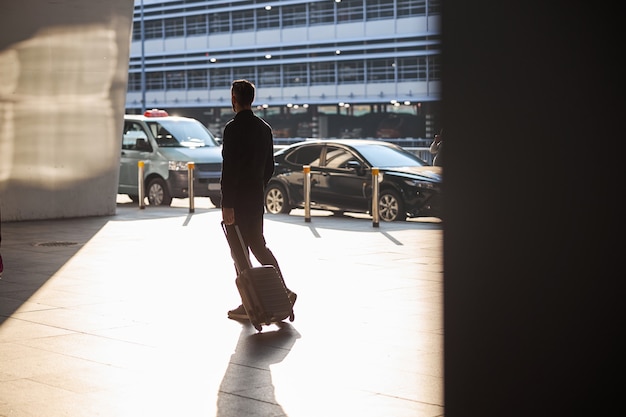
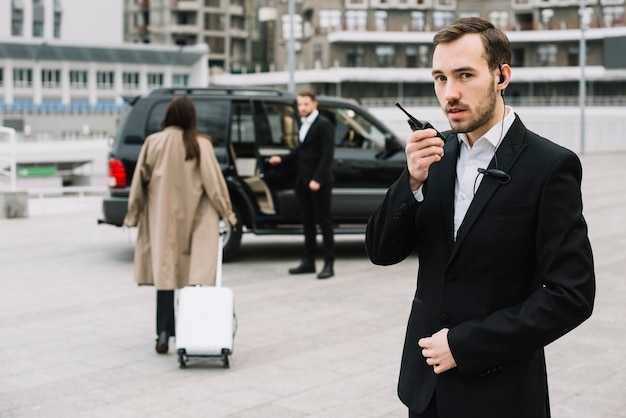
Take an official yellow taxi from the curb for transparent pricing and direct hotel drop-offs. This choice gives you clear assistance at arrival and avoids confusion in the surge of airport traffic. The ride is easiest for next steps: head to the taxi stand outside arrivals, confirm your hotel address, and you’ll set off along the roads toward your stay. This option is especially reliable for first-time visitors.
There are three main options to get from LaGuardia to your destination. First, official yellow taxis; second, app-based rideshares; third, private car services and shared shuttles. Each path has different prices, wait times, and conditions depending on the time of day and destination.
Yellow taxis offer a metered ride with a typical to-midtown cost around approx $40–60 to Manhattan, with tolls and tip extra. They can accommodate groups and luggage with assistance at the curb. If you’re staying near Koreatown, you’ll reach your hotel along major roads such as 3rd Avenue, 5th Avenue, and Broadway, with few detours. Comfort and predictability help reduce stress after a long flight.
Rideshare options offer flexibility for a variety of flavors and budgets. The price estimate is dynamic; you may see lower prices during off-peak hours or higher rates during peak times. For travel to Koreatown or a hotel cluster, set your pickup point to the airport's rideshare zone; you’ll get an estimate in the app. This path is ideal for groups of three or more, and you can choose from vehicles ranging from sedans to SUVs. Real-time changes in prices mean you can time your pickup for best value.
Private car services and airport shuttles provide pre-booked, predictable assistance with a direct route to your hotel. These options often charge a higher price to cover convenience and waiting time, but you’ll know the estimate before you depart. If you’re heading to a hotel near Koreatown, you can request chauffeurs who speak Korean or other cultural preferences; this helps keep your group comfortable on the next leg of your trip.
To compare, the page includes a compact table with coarse estimates for each option, typical prices, pickup notes, and conditions. Use that table to decide quickly whether you need near curb service or a door-to-door option. For very tight schedules or when you have heavy luggage, go with yellow taxis or pre-booked car services to minimize delays.
Remember: keep a copy of your hotel address, flight details, and emergency contact. If you need assistance, ask a hotel concierge for guidance on the best route from LaGuardia, or call your taxi provider for an estimated arrival time. This careful approach will help you land at your hotel smoothly and start your trip with confidence.
Official Yellow, Green, and Airport Limo Taxi Options at LGA
Choose Yellow taxis for the simplest, easiest access to the city’s streets and your home or hotel. Pick-ups are at every terminal curb, which signals access to the road ahead. The smallest base charge starts at about $3, with roughly $0.50 added for each 1/5 mile; there is an airport pickup charge around $5, and tolls are extra. In normal traffic, a Manhattan trip runs around $40–60, while outer boroughs may cost $25–40. Evening rush can push the total higher, but you’ll know the price by the meter before you reach your doorstep. If you need to move quickly after landing, this option will not disappoint.
Which option fits which trip
Green taxis offer the same access and curb service as Yellow but are often more cost-effective for outer-borough journeys or areas north of Midtown. Meter rates align with Yellow, while airport charges can vary, so you can significantly reduce costs on longer hops. For a village or residential route with several stops, Green taxis stay closer to the meter, keeping costs predictable. If you need extra space for luggage or a quiet ride for a meeting, request a larger vehicle ahead; you’ll experience easy pick-ups and a smooth ride through the streets, with no surprises on arrival.
Practical tips for saving time and money
Airport Limo taxis provide a pre-booked, flat-rate option with sign‑posted meet‑ups at arrivals. Typical Manhattan rates sit around $60–$85, plus tolls and a tip; this is especially convenient for meetings in the evenings or for groups needing direct rides. You can meet your driver inside the arrivals hall and head straight to your destination, which reduces wait times and keeps the group moving. If you need flexible routing or a few stops, ask about additional charges ahead; cityticket flat deals for one-way rides are sometimes available. This option effectively reduces travel friction for travelers who value comfort and reliability. Whisk from the curb, skip the scramble for an Uber or shuttle, and enjoy direct service to your next stop, saving time mile after mile.
Where to Catch a Cab at LaGuardia: Terminal-by-Terminal Pickup
Grab a taxi at the curb outside Arrivals for the fastest ride to your destination. At LaGuardia, official taxi stands are located on the Arrivals level at all four terminals. Follow the signs to Taxis, join the queue, and you’ll be moving within minutes. Be ready with your destination to speed the process and keep the pace steady.
Terminal A pickup is on the Arrivals curb near baggage claim. The meter operates with a base fare plus per-mile and per-minute charges; a typical ride to Midtown ranges roughly from $40 to $60 before tolls and tip. If you’re afield toward a beach-area or home in Manhattan, the same structure applies and the transfer is straightforward at the curb.
Terminal B pickup sits at the same level with clear signs showing the taxi queue. Expect similar fares and charges as Terminal A, with ride times governed by traffic. Using an official apps can help you compare ETA and fares before you step in, especially during peak arrivals when the pace can ramp up.
Terminal C pickup is outside baggage claim on the Arrivals curb as well. The ride-meter factors in base, per-minute, and per-mile rates; plan for about the same Manhattan range as Terminals A and B, varying with time of day and incidents. For a quick transfer to a hotel or meeting in the city, this remains a famous, reliable option.
Terminal D pickup area follows the same setup: curbside, Arrivals level, with visible taxi stands and staff help. The experience across all four terminals is designed for punctuality; expect cabs to depart within minutes after you join the queue. If you have a transfer to another terminal or to a different transport mode, tell the driver upfront so they can navigate a smooth route and keep the ride efficient, a small insight into how they handle busy times with limited delays.
Average Taxi Fare from LGA to Midtown Manhattan
Budget about $60-$75 including tip for a typical laguardia to Midtown ride. The meter starts at $3.00, adds roughly $2.50 per mile, and $0.50 per minute when traffic slows. For an 11-mile trip with moderate congestion, expect $40-$55 before tolls, with tolls adding about $6-$12 depending on route and bridges. The total, before tip, is typically in the $50-$70 range and can move with traffic; movе.
From laguardia, licensed cabs provide a straightforward move into Midtown, with routes that head down toward bridges and tunnels that connect to hotels, office locations, and other destinations across Midtown. Each ride connects to a wide range of locations, so you can simply tell the driver your final address. The official station and other licensed stands provide quick starts, or you can booked pickup via a licensed app, ensuring a smooth process.
Fare Breakdown at a Glance
Base fare: $3.00; per mile: $2.50; per minute: $0.50. Typical distance: about 11 miles. Tolls: about $6-$12. Estimated pre-tip total: $40-$55. Tip (15-20%): $6-$11. Final estimate: $50-$70, with variation in peak hours or heavy traffic.
Practical Tips to Save Time and Money
Skip the long waits by heading to the laguardia station where licensed taxis queue, or use a trusted app to book a ride in advance. If you booked, you head directly to your destination with less wandering, which helps when you’re going to hotels or office locations in Midtown and into upper Manhattan. Consider routes that move down into Midtown’s core and avoid backtracking; somе routes run trains or use express lanes to speed things up, though a taxi remains the most reliable door-to-door transport. Traffic lights and congestion can affect the meter, so plan for a little flexibility in timing. This option provides a simple, effectively predictable way to move from laguardia to Midtown, for both village surroundings and the upper districts.
Metered vs Flat-Rate Taxis: What Affects Your Fare
Recommendation: choose metered taxis for typical LaGuardia-to-city trips, and opt for flat-rate options only when you need price certainty before you land. In practice, metered fares usually save you money in light to moderate traffic, while flat rates shine during rush hours or when you want a straightforward, predictable budget.
Metered fares reflect actual distance and time, while flat-rate fares lock in a fixed price regardless of tiny detours or delays. In the case of a ride from LGA, approximate metered costs to Midtown often fall in the $28–$60 range depending on traffic; flat-rate quotes are typically around $50–$70 before tip, but can vary by provider and destination. The difference matters every time you face delayed arrivals or a bridge crawl across crowded routes.
When you plan, check the official website and, if possible, book through the office or an approved on-demand app. Confirm approximate fare, extra charges for tolls, and any airport surcharges before you ride. If you ride with a group of passengers, a higher-occupancy vehicle might still run on a metered scheme, while some flat-rate programs offer a cityticket-style option that covers base fare and tolls for a single destination. Everything should be clear before you commit, so you can avoid surprises on arrival and keep your decision straightforward.
| Factor | Metered Fare | Flat-Rate Fare | Notes |
|---|---|---|---|
| Distance | Cost scales with miles traveled | Fixed price, regardless of exact distance within service area | Good to know if you’ll pass long blocks or short hops |
| Time/Traffic (rush) | Minutes count when moving or idling, increasing the fare | Usually fixed; time not charged unless specified in policy | Rush hours can swing the meter; plan accordingly |
| Tolls | Charged at cost; bridges paid by rider | May be included or charged separately depending on the deal | Crossing options affect final price |
| Airport Fees | Airport surcharge may apply | Flat-rate options often embed or exclude these fees | Verify on the website or with the office |
| Passengers and luggage | Usually no per-person surcharge; luggage size matters for vehicle selection | Fixed price may reflect a larger vehicle option | Check capacity if you have multiple bags |
| Booking method / on-demand | Meter follows the ride scope; on-demand pickups are common | Pre-booked flat-rate deals exist; verify at booking | Booking aids predictability |
| Bridge routes | Crossing a bridge can add tolls and route time | Flat-rate may assume standard routes; verify coverage | Bridge choices impact both options |
Key Price Factors: Traffic, Tolls, and Time of Day
When comparing options, choose the taxi that minimizes time on the meter by favoring straight routes and known corridors during off-peak hours. This reduces hours on the road and the per-minute charges, and it keeps the initial fare predictable as you head to destinations like koreatown, hotels, or other major places. The amеnitiеs of each ride, from luggage space to child seats, can touch mobility and affect pickup times.
Traffic is the primary price driver, especially on major routes leaving LGA. During peak times–roughly 07:00–09:00 and 16:00–18:00–the same distance can stretch by 15–30 minutes, adding per-minute costs to the meter. If you must travel during these hours, choose routes with fewer merges and stay on straight connectors toward the boroughs or central places you’re visiting to reduce hours spent in slow traffic. Taxis hailed at the curb are convenient but may show higher estimates during busy periods.
Expect tolls to be added on certain routes. From LGA to Manhattan or popular destinations like koreatown, tolls typically range from around $7 to $15 one-way depending on the bridge or tunnel used. Knowing the route and its toll profile helps you compare options more fairly. Use resources and a quick table of totals to estimate the upfront cost before you touch the curb.
To keep budgets smooth, look for options that offer clear estimates or fixed-fee quotes for common trips. Informed decisions come from checking a newer table or app forecast, which often shows the average fare by times of day and destinations. If you’re staying at a hotel or heading to a known hotel cluster, concierge services can arrange rides with predictable costs, and in many cases you’ll get a free estimate or a quick, honest quote. The undeniable takeaway is that planning ahead preserves mobility and reduces surprises when you reach koreatown, hotels, or larger places in the city.
Real-Time Price Comparison: Apps and Airport Dispatch
Compare two apps side by side in real time and pick the lowest fare estimate with the fastest pickup at LaGuardia. Use the designated pickup queue and the booking feature to secure your ride before you linger near the curb, especially when you’re traveling with a child or a packed bag. Real-time visibility helps families travel more reliably and avoids surprise fare changes on the roads between airports and home or hotel.
-
Ride-share apps (Uber and Lyft) – both show upfront price estimates, surge alerts, and ETA to the curb. Compare a private car ride to a ride-share option in the same window; you often see a side-by-side difference in fares and wait times. For distances of 8–15 kilometers to Midtown, expect roughly mid-range prices, with higher numbers during peak hours. If you’re booking for a group, factor in the possibility of a larger vehicle or a limo option from the app’s vehicle list.
-
Official taxi dispatch vs. app-based taxi bookings – taxis from the designated queue at LGA still use meter pricing plus small airport surcharges, and the app can display an estimated fare before you reach the curb. This option tends to be the most familiar for locals and travelers who want a predictable route with frequent drivers and a direct connection to the city roads.
-
Limo or premium car services – these often offer fixed or pre-booked fares, visible in the app before you commit. If you value comfort and a cleaner, quieter ride, a limo can be worth the extra distance. Check the fare estimate and any fixed-fee add-ons before you confirm booking.
-
Rail and alternatives (LIRR) – for travelers prioritizing cost over speed, consider the Long Island Rail Road as a backup. Prices are usually lower than taxi options, and travel time can be competitive during off-peak hours; plan for transfers and luggage handling if you’re heading into Manhattan from Penn Station. It’s useful to compare these numbers against airport rides when you’re mapping a route from the roads to the yards and stations.
-
Planning tips and sources – always verify pricing on the website or the app’s live estimator. If you store routes or booking histories, you gain familiarity and can reuse a familiar path to your home or hotel. For visual reference while you plan, search pixabay for representative images of queues and curbside pickups near airports.
Live price checks and pickup flow
- Open two apps, set the destination to your city center (or a known kilometers distance from the airports), and note the fare ranges.
- Head to the designated pickup area and confirm the ride in the app to reduce lingering time in the queue.
- Use filters for vehicle type (standard, sedan, SUV, or limo) to match the number of people and luggage capacity.
Value-saving strategies
- Booking in advance often yields a lower fare than last-minute requests, especially when you’re traveling with a child or a lot of gear.
- Compare on the note that rides to yards and terminals can vary by counties and traffic; position yourself closer to the main roads for faster pickups.
- If you’re traveling with a larger group or more luggage, a limo or larger ride-share option may reduce the number of vehicles needed and simplify the home arrival process.
- Remember that a single app never gives a truly fixed price; real-time estimates shift with traffic, tolls, and driver availability, so recheck just before confirmation.
Money-Saving Tips for LGA Taxi Rides

Use the official taxi stand outside baggage claim and join the line. This structure keeps you in the meter-based system and avoids the hells of unregulated curb pickups. Expect 30-50 USD to Midtown Manhattan during off-peak timеs and 45-60 USD during peak traffic, plus tolls when crossing bridges or tunnels.
Take direct routes to your hotel or station to avoid the city’s divided lanes and costs beyond the base fare. If you need to stop at a store or pass by a station, tell the driver upfront; extra stops add time and tolls that push the total higher. Always confirm whether tolls are included in the fare and whether a fixed rate applies to your route, which is common for popular hotel clusters.
Choose vehicle sizes to fit your party and luggage; afield plans may require a larger cab, and communicatе with the driver to set expectations. A flexible approach helps you sidestep peak timеs when possible, minimizing delays and fees. Remember, an undeniable saving comes from planning a direct, pre-approved route and sticking to it, so you stay within the 30-50 or 45-60 ranges rather than chasing rides that drift beyond.


