
From Chubu Centrair Airport to Nagoya or Gifu City by Bus and Train - Options
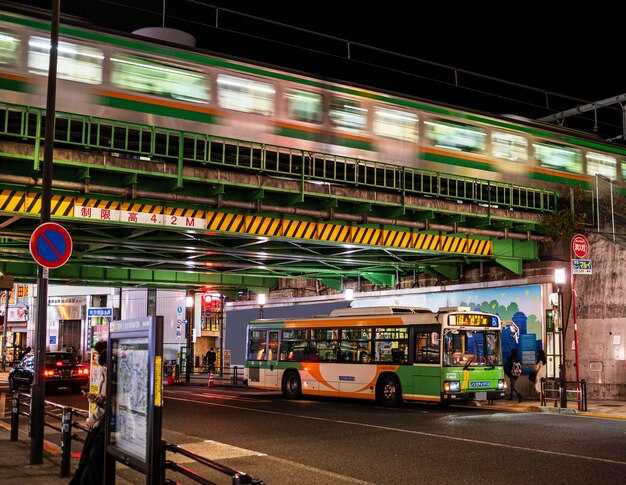
Direct option: take the Meitetsu μ-Sky Limited Express from Chubu Centrair Airport to Nagoya Station. It offers the fastest connection with comfortable seating and fewer transfers; travel time is about 28 minutes and the fare is around ¥1,250–¥1,350 depending on seat type. These direct trains allow you to alight at Nagoya Station's gates with minimal walking, making onward access to central Nagoya simple for travelers. This option will save time for arriving travelers, and theres no need to worry about multiple transfers.
Alternative options include the Limousine Bus from the airport to central Nagoya and the Meitetsu Airport Line local trains. They are affordable and offer multiple stops along the way; durations range from 60 to 90 minutes and fares roughly ¥1,000–¥1,800. These options give access to Nagoya Station, Sakae, and other major stations, travelling light for travellers.
To reach Gifu City, travelers typically ride NGO → Nagoya using a direct Meitetsu connection, then switch to JR or Meitetsu for the Nagoya → Gifu City leg. The ride from Nagoya Station to Gifu Station takes roughly 50–60 minutes with the JR Tokaido Main Line rapid or on the Meitetsu network to Meitetsu Gifu Station. Check the stations and ticket type to choose the smoother option for your plan.
Ticketing and gates: the policy for μ-Sky seat reservations is straightforward–reserve ahead to secure a preferred seat. You can buy tickets at the counter or online; for flexible travel, the Limousine Bus and local trains offer access with fewer constraints, though you may need to transfer at central Nagoya. Focus on stop points and confirm platform signs before you move.
Practical tips for travellers: carry a small snack or food for the ride, and use IC cards or the Meitetsu pass to simplify transfers. In Centrair and Nagoya, you’ll find multiple stations with clear signs, and the gates and boarding areas are well organized to help you alight at the right stop. These arrangements keep travelling smooth, whether you stay in Nagoya or continue onward to Gifu City.
Where to board at Centrair: Meitetsu rail vs airport bus options
Recommendation: Take the Meitetsu μ-Sky Limited Express from Centrair Station to Nagoya Station for the fastest, most convenient ride. Getting to Nagoya Station via μ-Sky takes about 28-40 minutes; a reserved seat guarantees a spot. Tickets can be bought at Meitetsu counters or machines in the airport, or reserve online in advance. This efficient transport option minimizes transfers and gets you to your destination without delays.
Alternatively, the airport limousine bus offers an affordable option with direct routes to Nagoya Station, Sakae, and other central stops. Board at the Bus Terminal outside the terminal building; these buses run multiple routes with various stops, and travel times run roughly 60-90 minutes depending on traffic. Tickets are available at the counter or online; some routes allow onboard purchases, and for those with large luggage, buses provide ample space until you alight at your chosen stop. This option is convenient for those bound for hotels near bus stops or areas not directly served by rail.
Rail vs bus: The Meitetsu rail tends to be less crowded during peak times and offers a predictable, quick ride. The airport bus can be crowded during busy periods, but it delivers direct access to central hotels and destinations without extra transfers. Below is a quick comparison to help you decide: if you want to avoid getting stuck in city traffic, the rail is generally the better choice; if you prefer a door-to-door option and flexible stops, the bus may be ideal.
Bottom line: If speed and minimal transfers matter, the Meitetsu rail wins; if you’re saving on transport and want multiple stop options, the airport bus wins. For those seeking a touch of luxury, taxi or limousine services exist, albeit at a higher price. These transport choices will support your travel from Chubu Centrair to your Nagoya or Gifu City itinerary, and you can grab food in the terminal while you plan your next move.
Direct rail to Nagoya Station: Meitetsu μ-Sky and related services
Reserve your Meitetsu μ-Sky seat in advance to guarantee a direct, fast ride from Chubu Centrair Airport to Nagoya Station. This leading service on the airport line offers a clean carriage, ample luggage space and friendly staff at the ticket desk, helping you plan your accommodation near stations or in the city center. This option suits travellers arriving from airports across the region and lets you enjoy a professional, smooth start to your travelling.
The μ-Sky delivers the quickest connection, roughly 28–29 minutes from Centrair to Nagoya Station. Trains run at regular intervals through the day–about every 30 minutes–so you can fit travel along your schedule. Check advance timetables to align your arrival with the next train after landing.
Rates and passes vary by ticket type. A one-way reserved μ-Sky ticket typically sits in the range of around 1,300–1,600 yen, depending on the base fare and seat choice. Buying at the airport, online, or at the Meitetsu office speeds access to your seat. For groups, advance reservation guarantees seating together and avoids extra lines at the desk.
For travellers heading to Gifu City, stay on to Nagoya Station and transfer to a JR or Meitetsu service. Nagoya Station is among the busiest hubs, with a large floor area and straightforward access to downtown hotels, offices and attractions along the concourses. Just follow the clear signage to the main transfer corridors. Inside the airport, a convenient mart and a range of shops make it easy to stock up before you move on, and the architecture guides you toward the primary transfer routes at Nagoya Station.
On arrival at Nagoya, you gain access to a broad network of stations and transport options, whether you continue by train, bus or taxi. If you travel with automobiles, you can use airport parking or city garages near the station and plan a smooth rest before your next leg. Overall, the Meitetsu μ-Sky option offers a clean, direct connection that shortens travel time and keeps your travelling pace comfortable and efficient.
Ticket options and planning tips
Bring your reservation reference or QR code; manage changes at the Meitetsu desk or online. If you need flexibility, some passes provide discounts on airport connections; verify whether your pass covers the μ-Sky seat or requires a separate fee. For bigger groups, booking early helps secure seats together and guarantees a smoother start to your city visit.
Bus to Nagoya: Routes, stops, and travel times from Centrair
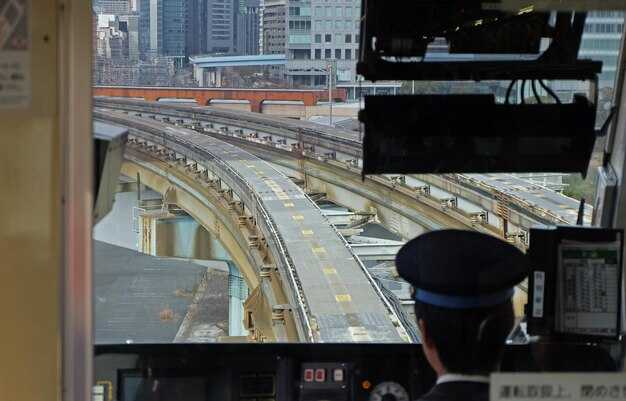
Direct airport bus to Nagoya Station is your best first move from Centrair for fast, comfortable access into the city center. The service serves travelers across the country, and the modern, efficient cabins make the ride pleasant for life on the move.
Routes and stops: There are two numbered options. Route 1 provides a direct, rapid ride to Nagoya Station with minimal stops, ideal if you want to reach the major hub quickly. Route 2 adds one central stop in Nagoya before continuing to nearby districts; this can help you reach hotels or business centers around Sakae and the station area. Check the timetable printed at Centrair or on the bus for the exact number and stop sequence, and choose the course that matches your destination. This setup works for various destinations around the city.
Travel time and fare: Expect 60–75 minutes from Centrair to Nagoya Station, depending on traffic. Adult fare sits around 1,000–1,200 yen; children pay about half. The toll is included in the fare, so no extra charges at boarding. Buses run throughout the day until late evening, with the last service often around 21:30–22:00; confirm the last bus on the official schedule below your travel date.
Practical tips: Alight at Nagoya Station to maximize access to major subway and JR lines, then continue to your final destination with minimal transfers. The station area offers lounges and customer service desks, making it comfortable to plan the next leg of your journey. If you need to reach locations beyond Nagoya, switch to rapid trains or local lines from the same hub. This option remains efficient for both business trips and family travel, and it avoids outdoor exposure during peak hours by staying on a sheltered route from Centrair.
From Nagoya to Gifu City: Fastest rail options and transfer tips
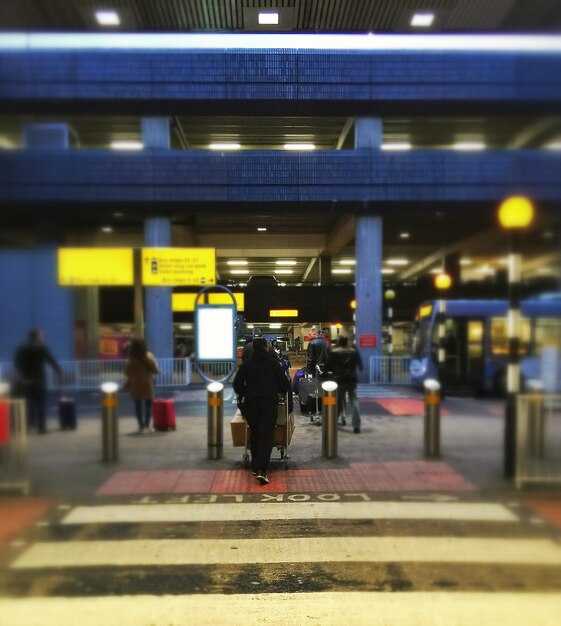
Take the JR Central Hida Limited Express directly from Nagoya Station to Gifu Station; it takes about 40 minutes and arrives with no transfer, making your trip efficient and predictable.
Fastest rail options
- JR Central – Hida Limited Express: Nagoya Station → Gifu Station; takes 35–40 minutes; prices typically 1,600–2,000 JPY; direct service, reserved seating options provide a touch of luxury; luggage racks available in most cars; arrival in central Gifu puts you near downtown stores and sights.
- Meitetsu – Limited Express on the Nagoya Line: Nagoya Station → Meitetsu Gifu Station; around 40–60 minutes depending on service; prices usually 1,000–1,900 JPY; direct into central Gifu, with frequent departures; a good alternative if you want to stay on Meitetsu rails and avoid JR transfers.
Transfer tips
- Prefer direct services to avoid late transfers; theres less risk of delays and you can make the most of your arrival hour in Gifu.
- Check signage at Nagoya Station and Gifu Station; if youre traveling with a child, reserve seats in advance to ensure space and comfort.
- Professional staff at the station can help with getting bags onto racks and guiding you to the right platform; this enables a smoother journey, especially for individuals or families with luggage.
- From the airport to start your city trip, use the Nagoya corridor by express rail; for those arriving from outside the country, the train network provides reliable options without needing automobiles or long walks outdoors.
- Prices vary by service and seat type; expect 1,000–2,100 JPY for a one-way ticket; consider non-reserved seats for cheaper fares, but be prepared for potential standing during peak times.
- Distance between Nagoya and Gifu is short; plan to arrive at least an hour before the train to handle tickets and platform changes without rushing.
- If youre late, rail options still run regularly, but always verify last trains so you dont miss the final ride; late arrivals can alter your schedule.
- From a practical perspective, walking between JR Nagoya Station and Meitetsu Nagoya Station is easy; you can switch from one operator to the other without outdoor travel, which is helpful in bad weather.
- In the chubu country, the network provides reliable, straightforward travel between Nagoya and Gifu.
- From an airplane arrival, you’ll find that trains from Nagoya offer a fast path to central Gifu without lengthy outdoor transfers.
How to board the train from Nagoya Airport: Step-by-step guide for first-time riders
Directly after you land, pick up an on-site IC card at the airport Meitetsu counter. This time-saving card option ensures smooth travel time and fast boarding, so you can start your trip without fumbling for coins or exact change.
At the on-site machines, choose either a rechargeable card or a paper ticket. A card provides quicker entry and keeps you moving, which helps if you have other travel plans in Aichi later today.
Step 1: Locate the Meitetsu Airport Line ticket area near the arrivals hall, where clear signs guide you to the platform and vending kiosks.
Step 2: Decide your stop. For the fastest route to central Nagoya, take a Limited Express to Nagoya Station. Some trains stop at Atsuta, so check the timetable and choose a service that fits your needs.
Step 3: Go to the platform, read the display boards, and prepare your card or ticket. Boarding is straightforward: tap your card at the gate or insert your paper ticket, then line up for the car.
On board, spacious racks hold luggage, and seating near the aisle works well if you travel with a child. Some cars also offer quick access to restrooms and vending machines for snacks and drinks.
Step 4: Arrive at Nagoya Station and drop-off you can use the transfer to the subway, JR lines, or buses. The stop is located in a busy hub, with clear signs to help you reach your next destination.
Step 5: If you prefer a door-to-door option, a limousine service from Centrair provides a direct ride to your hotel or destination in central Nagoya. It costs more and is limited by traffic, but it offers comfort and convenience for groups or travelers with lots of luggage.
Planning tip: check advance timetables on the Meitetsu site; it provides accurate travel times and shows which trains stop at Atsuta or Nagoya, ensuring you choose the best route for your plans in Aichi.
Prices vary by service; a card often lowers costs, and the on-site stores at Nagoya Station make it easy to buy refreshments after your ride, closing the loop between travel and onward exploration.


