Top Religious Sites in Nepal - Sacred Temples, Monasteries, and Pilgrimage Routes
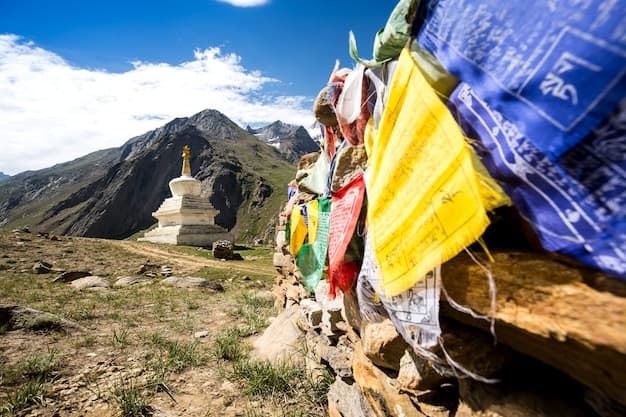
Plan a four-day circuit during October’s Dashain to immerse in Nepal’s temple culture. In Kathmandu, start at the Pashupatinath Temple, where the Bagmati River flows past ancient cremation ghats and bronze spouts. Visitors notice the surrounding rituals, the flame of oil lamps flickering above the crowd during evening ceremonies, and the sense that this city houses a living tradition. Then walk to the Boudhanath Stupa, the world’s largest spherical stupa, where centuries of devotion circle the square with prayer wheels turning in the breeze. From there, study the Swayambhunath complex, perched on a hilltop with views over mountains and city roofs, and take in the calm of the surrounding monasteries. Whether you are Hindu or Buddhist, the Kathmandu Valley offers a compact, high-impact glimpse into the kingdom’s spiritual rhythm that must be on any Nepal itinerary.
Extend the circuit to Lumbini, the birthplace of Siddhartha Gautama, where he was born. Lumbini dates back to the Mauryan era and dates from the 3rd century BCE, with the Maya Devi Temple marking the exact birthplace. The World Peace Pagoda and monastic zones hosted by international communities make this site popular for tours and quiet reflection. Lumbini lies roughly 300 kilometers by road from Kathmandu, and many visitors combine it with a short flight to Pokhara or a day in the terai rivers, depending on time.
In the Kathmandu Valley, monasteries expand the spiritual map. Kopan Monastery near Boudhanath hosts meditation courses for anyone, from curious travelers to seasoned practitioners, often sharing program dates posted in October and spring. Visitors can observe the daily prayers and join short sessions; the compound is housed within a quiet campus while maintaining a traditional atmosphere. Many bhutanese visitors travel here for short stays, and nearby Thrangu Tashi Monastery and Rato Dratsang in Bhaktapur offer additional meditation halls and tours of prayer rooms and study halls.
Beyond Kathmandu, Nepal hosts pilgrimage routes that connect temples across the hills and plains. The Mustang–Muktinath corridor, the Manakamana Temple circuit in Gorkha, and riverside paths along the Gandaki offer long routes for devoted pilgrims and curious hikers alike. For a compact plan, a two- to three-day circuit from Pokhara through Ghorepani to the temple sites along the Bagmati river makes a popular choice. You can hire a guide to span about forty kilometers of trail, with stops at sacred water springs and ceremonial spouts. Remember to check village tempos, meals, and the weather in October when higher altitudes can bring crisp air.
Best Time to Visit Nepal’s Sacred Sites: Weather, Festivals, and Crowds
Plan your visit for late october to early november, when post-monsoon skies are clear, daytime temperatures are comfortable, and dashain energy fills temple precincts. If youre after rich rituals with sensible crowds, this window can offer a favorable balance for worship and exploration.
- Weather window: In Kathmandu Valley and surrounding lowlands, daytime temperatures hover around 20–25°C, with cool evenings in the 8–12°C range. Higher passes stay chilly, so pack warm layers. Rain is rare, humidity drops, and mornings can be misty near ponds and temple complexes.
- Festivals and crowds: dashain dominates the season, drawing nepalese locals and visitors to pashupatinath, boudha, swayambhunath, and janaki temple. purnima nights bring special worship rituals at sacred sites. In janakpur, janaki celebrations attract pilgrims, and some travelers extend their route, reaching varanasi for broader spiritual honors. Weekends and purnima dates frequently see larger lines, so plan inside visits to monasteries or museums early in the day. For anyone seeking quieter windows, aim for the days immediately after dashain peak or mid-to-late november when crowds ease.
- Site experiences: boudha's tibetan-styles stupa offers impressive architecture and calm worship spaces. pashupatinath and other shiva shrines draw a steady flow of worshippers; inside temples, maintain respectful silence and remove shoes before entering. In janakpur, janaki temple complex blends Hindu art with local craft, and ponds around the site provide reflective spots. museums near kathmandu provide exploration of nepalese culture and the honors these sacred places have earned.
- Practical tips: Dress modestly; cover shoulders and knees, carry water, and use sun protection on open temple squares. If youre pla