The Ultimate First-Timers Guide to Visiting Split, Croatia - Top Tips and Must-See Sights

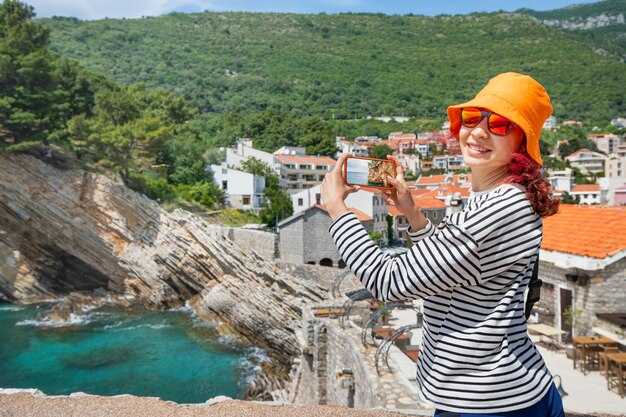
Begin your visit with a sunrise stroll through Diocletian's Palace and the town walls, then loop toward the Riva for coffee. This straightforward plan sets the pace for a city that blends bustling waterfront energy with intimate, still, lived-in corners.
Looking for a compact, paced first day? Explore the alleys of the old town, then detour to the salona ruins on foot to feel centuries of heritage beneath your feet. Over the years Split reveals destinations that combine the seaside and urban life.
Must-see sights include Diocletian's Palace, the Cathedral of Saint Domnius, and the bustling Riva promenade. Wander toward the marina and the telegrin arcade, where stone arches frame cafes along the quay. These destinations reveal the city's heritage in a single stroll.
For lovers of tasting and local flavor, a morning market crawl followed by a tasting menu at a family konoba gives you a sense of Split’s heritage. Try the Dalmatian platter with fresh sardines, octopus salad, and olive oil–these specialty dishes capture years of coastal craft. The chefs lived here, know the best ingredients, and can steer you to seasonal catches near the marina and seaside spots; you’ll have felt the warmth of community in every bite.
Practical tips: stay in a central hotel or apartment to minimize transit time, then walk on foot between each destination and keep space for late-evening strolls along the sea. If you’re traveling with a partner, plan two short trips–one near the marina and another into the alleys of the old town–and you’ll feel a second wind of energy. Split’s rhythm remains bustling but approachable for first-timers.
Best Time to Visit Split: Weather, Crowds, and Budget by Season
Visit Split in late May to early June or September for the best balance of sun, manageable crowds, and reasonable spending. Outside peak season you’ll find easier access to the coast, the wall around the old town, and the alleyways where locals share delicious bites. If you had to name one highlight, it’s exploring the alleyways near the wall and tasting fresh seafood there. gregory, a local guide, says the straightforward plan is simple: choose a shoulder window, check ferry schedules, and go with the authentic pace of life there.
Shoulder Seasons: Spring and Autumn
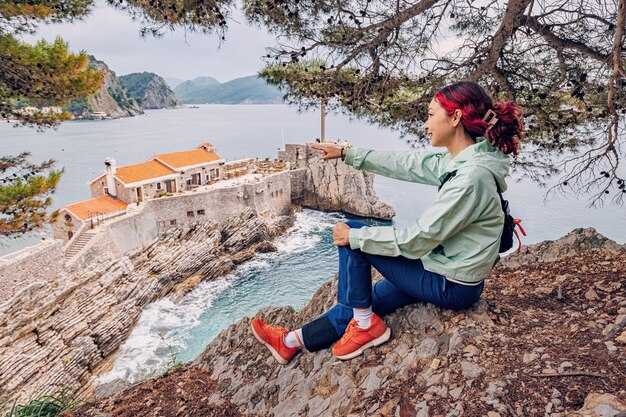
Spring (April–June) brings average highs around 18–24°C (64–75°F) and sea temperatures of 16–20°C (61–68°F), with cooler nights suitable for a light jacket. Crowds stay moderate, making it easier to explore Diocletian’s Palace, the Riva, and the coast without rushing. Spending remains friendly, with mid-range hotels often 20–40% cheaper than peak, and you’ll find delicious seafood at smaller konobas and market stalls. You’ll miss the biggest crowds but won’t miss authentic local life.
Autumn (September–October) keeps temperatures around 20–25°C (68–77°F) and sea temps near 20–22°C (68–72°F), with the busiest days fading. This period is ideal for long people-watching strolls along the coast, sunset views from the wall, and measured sightseeing of major sights without the peak-season queues. Check weekly deals on stays and day trips; many operators offer near-peak discounts, so you get more value without sacrificing atmosphere. You’ll still enjoy a deliciously fresh menu of local plates and a relaxed pace that invites a few bottle-of-wine evenings by the harbor.
Peak Summer and Budget Tips
July and August bring hot days–highs around 28–32°C (82–90°F)–with water in the 22–25°C (72–77°F) range. The biggest crowds gather in the center, at the ferry terminals, and on popular beaches. Prices rise across accommodation and dining near the coast. To keep spending in check, book at least 4–6 weeks ahead, opt for guesthouses or apartments outside the immediate Old Town, and take advantage of free or low-cost activities like strolling the coast, checking out street performances, and enjoying open-air markets. If you’re there for nightlife, you’ll still find dancing spots along the Riva without splurging on private tours. For day trips, check ferries to Brač or buses to Trogir, and plan a full afternoon with a picnic and a local wine bottle to maximize value.
Where to Stay in Split: Neighborhoods, Price Ranges, and Convenience
Start your Split stay in Bacvice for beach mornings and quick strolls to th