San Andres Island, Colombia - 18 Things To Know Before You Visit
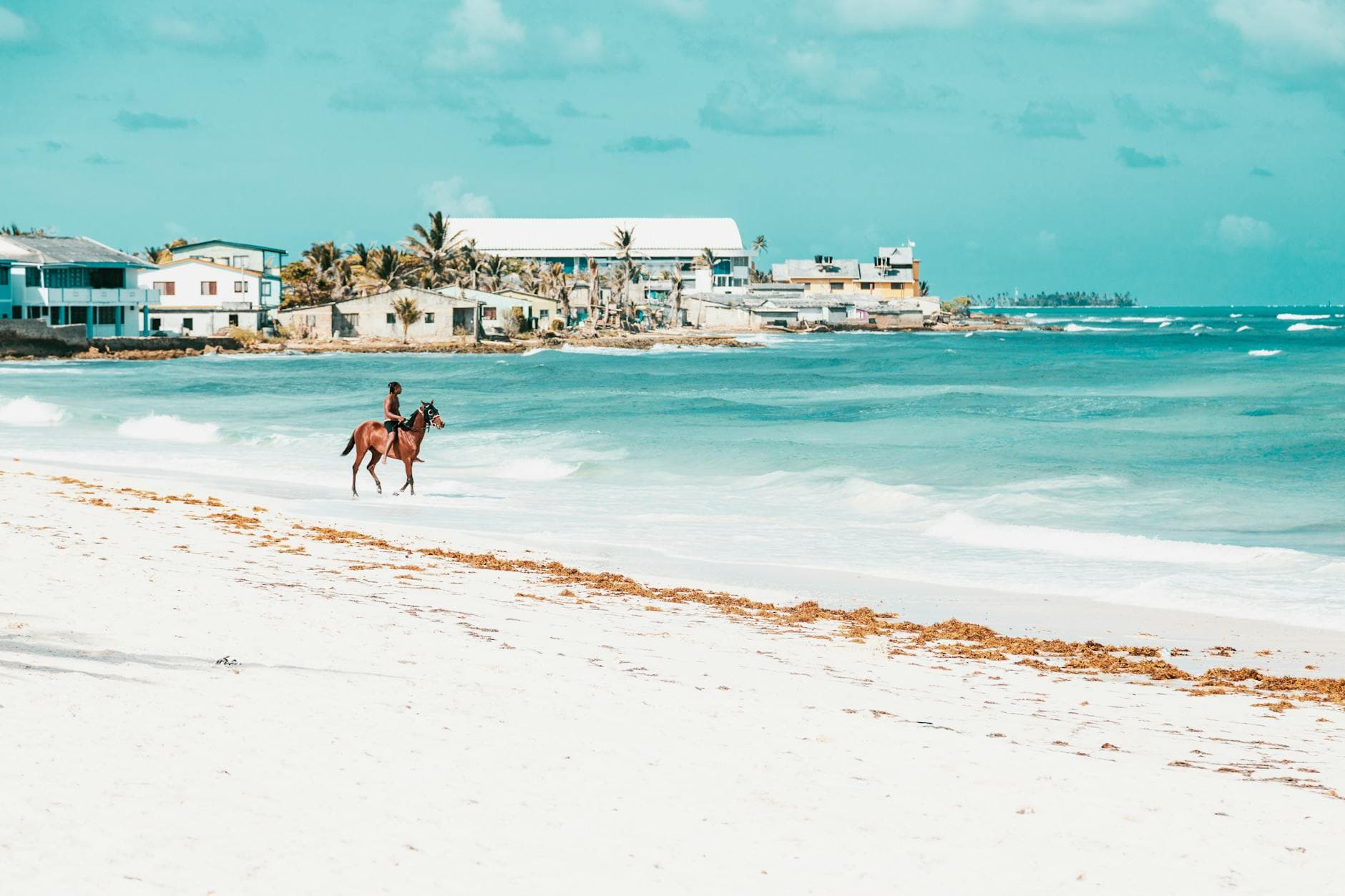

Recommendation for readers: one-way flight and stay at least four days to absorb the vibe. San Andres sits in the Caribbean, reachable by direct flights from Bogota, Medellin, Cartagena, and Panama City. Plan your timing with the sun: the dry season runs roughly December through April, but showers can pop up year-round.
Location and access: San Andres is a Colombian island in the Caribbean, part of the colombias department that also includes Providencia and Santa Catalina. The island's airport is Gustavo Rojas Pinilla International (ADZ). Direct flights connect from Bogota, Medellin, Cartagena, and Panama City; regional boats run from nearby mainland ports. For travelers, a scooter is a practical move, as distances between main spots are short and traffic is light outside peak hours. If you plan to add Providencia later, arrange that as a separate one-way link. This location suits travelers who prefer to move at their own pace.
Where to stay and how to move: Many accommodations are rented directly from owners or managed by small operators. A scooter rental typically runs about 25-35 USD per day, with discounts for multi-day bookings. Central San Andres near Spratt Bight gives easy access to beaches, shops, and pizza places; each option has a slightly different vibe, so read the listing details before booking. If you travel with family or a group, a serviced apartment can cut costs and give more space. spent more days, you save with longer stays.
Beaches and water time: The waters around San Andres stay clear and warm, with standout snorkeling along coral reefs near the west coast. The most accessible spots are within a short scooter ride of the main town; the flats near Johnny Cay are especially popular. Be aware that strong currents can be difficult for first-time snorkelers, so consider a guided tour or a life vest. If you prefer not to swim, glass-bottom boat trips let you take in the reef without getting wet.
Food and fueling your days: The island blends colombias flavors with Caribbean seafood. Try arroz con coco, fresh ceviche, and locally caught fish. Pizza joints line the beach, offering late-night slices after sunset. If you crave foreign-inspired dishes, seek spots that blend herbs from the mangrove with Creole spices. On a casual dinner night, many diners spend about 12-18 USD per person, with better value options at small family-run eateries.
Timing and crowds: Weather stays warm year-round, with a dry season roughly December through April. many readers plan trips during those months to maximize beach days, but you may encounter higher prices and crowds. If you need to adjust plans, the island's small scale makes changes easy. If you visit in the off-season, you’ll still find sunny windows and shorter waits. Always check local advisories for sea conditions and any public holidays that may affect hours at shops and tours.
Safety, money, and respect: Carry cash in small bills and have an emergency fund; ATMs exist in San Andres town, but some places only accept cards above a threshold. call ahead to confirm tour times and pick-up points, especially for boat trips. The island welcomes visitors but expects respect: dress modestly at religious sites, avoid stepping on coral, and understand the roots of tourism that grew from fishing families and family-run guesthouses. If you need extra options, local guides tailor low-pressure itineraries, and a sunset stroll to a local market makes for a gentle end to the day.
How to Reach San Andres with a Motorcycle: Transport Options and Bike Import Rules
Best option: ship your motorcycle as air cargo to San Andres and handle the temporary import with a local agent; you can manage the paperwork yourself if you gather the documents in advance.
Air cargo: Flights with a motorcycle to San Andres

- Check with airlines serving San Andres to confirm motorcycle acceptance as cargo; verify crate size and weight limits; typical crates run around 1.8–2.0 m long.
- Prepare documents: passport, driver's license, vehicle registration, proof of ownership, insurance, and a temporary import permit filed through a local broker or with DIAN; plan for peak seaso