Ruta de las Flores El Salvador - Everything You Want to Know About the Flower Route

Recommendation: Choose a 2-day loop along the Ruta de las Flores, starting in Santa Ana, then Juayúa, Apaneca, and Ataco, finishing in Salcoatitán. This plan minimizes back trips and provides a clean exit by the highway on day two, with time for a relaxed walk through markets and town plazas.
Practical information: The Flower Route sits about 120–140 km southwest of San Salvador, with 2–3 hours of driving between towns in light traffic. On weekends, markets in Juayúa attract visitors and can slow you down, so plan for occasional waits at intersections or parking. Check official links for current restrictions, exit points, and parking rules. The article gathers information from local tourism offices and regional chambers, plus firsthand experiences from travelers who went there. If you plan to combine the route with other places, consider options that connect with nearby countries via land borders, and note time you’ll spend in each country.
Experiences on the ground: Locals greet visitors with a friendly pace and share stories with them. In Juayúa and Ataco you can walk along narrow lanes, browse hanging crafts, and try street food. In Apaneca, coffee farms offer guided tastings and hillside views. If you speak Spanish, markets are easy to navigate; if you speak English, look for younger guides who can help. Plan a safe return to the main road before dark to avoid empty stretches.
Extensions and mood: If you add a coastal break, snorkeling sessions near La Libertad or Costa del Sol broaden the experience. The towns along the route offer venice-like charm in the colors and plazas, with hanging pots and painted shutters adding to the scene. For accessibility, the language barrier is low in tourist zones, and you can speak basic Spanish phrases to connect with vendors. You can receive travel tips directly from tourism offices via their links and from fellow travelers who went there.
Additional tips: Gather information from the article as a starting point, then cross-check with official tourism pages. Save all links before you travel, note local holidays, and keep a flexible plan in case you want to revise the route. The experiences from fellow travelers can help you decide where to eat and where to walk at sunset, ensuring you feel safe and welcome in all towns you visit.
Best Time to Visit for Bloom Colors and Weather
Visit February to March for peak bloom colors and comfortable weather along the route.
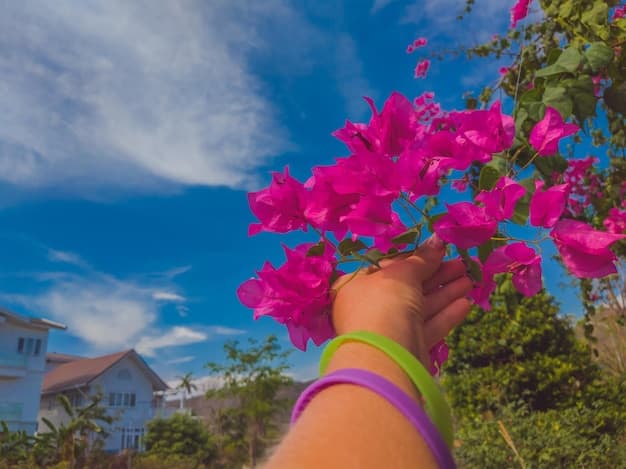
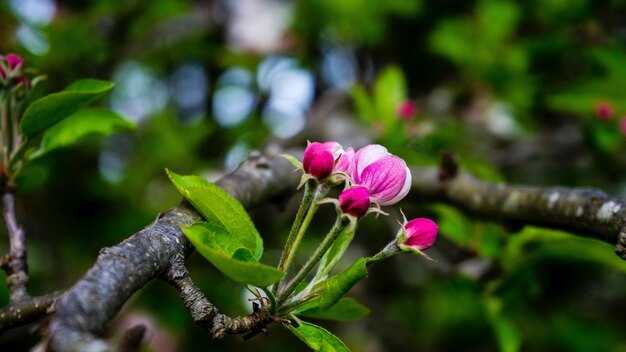
- Peak bloom window: Late February through early March offers the brightest flower displays in Juayúa, Ataco, Apaneca, and surrounding villages. Colors linger into mid-March and can extend into early April if rains stay light; although year-to-year variations exist, this period remains the most reliable for photo-worthy scenes.
- Weather snapshot: In the central highlands, days are mild and mostly dry during this window. Expect daytime temperatures around 18–24°C and nights around 12–16°C; izalco area can be warmer by day, 22–28°C, with cooler evenings. Pack a light jacket for evenings and sunscreen for sunny afternoons.
- 2–3 day loop: Start in Juayúa for the weekend market, then move to Ataco for color-saturated streets, and finish in Apaneca for coffee farms and viewpoints. If you have time, add a short stop at izalco for a volcano view. Directions between towns are straightforward along the CA-8 corridor; a local guide can save time and help you receive optimal light for photos.
- Prices and lodging: during peak bloom, prices for guesthouses near the route rise, with simple rooms typically from 25–40 USD per night and higher on weekends. Meals at street stalls and small cafés average 4–8 USD, with more formal dinners 10–20 USD. Reserve seats on tours or shuttles in advance to secure a good seat and avoid sold-out options.
- Food and experiences: the route is known for delicious local cooking; exploring markets and small cafés delivers authentic flavors, including fresh coffee and regional snacks. A short cooking class in Ataco or Apaneca adds a hands-on taste of the culture.
- Safety and practicalities: the route is generally safe to explore during daylight; follow local restrictions and respect hours in village centers. Keep valuables secure in crowded markets and use a licensed driver for night travel. For luggage, carry a light daypack and leave bulky items in your hotel; central towns o