
Why Hotel Lobbies Have Become the New Workplace - Hybrid Work Trends
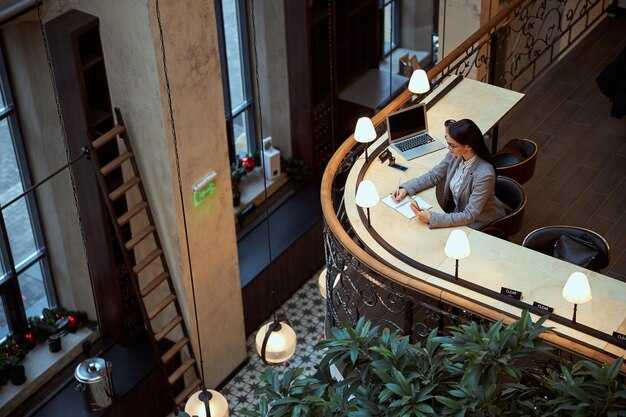
Choose a lobby with reliable Wi-Fi, abundant power outlets, and quiet zones to use as your office today. Treat this setting as an alternative workspace, not a placeholder, because the best places for work now span lobbies, lounges, and mezzanines. A welcoming and well-equipped area helps you get tasks done with comfy seating, natural light, and quick access to coffee–the kind of human space that keeps focus intact. The lobby can be a practical start to a productive day, especially when it’s made for collaboration and focused work in a comfortable, contemporary environment.
Seeing the shift, property teams align layouts with three core principles: efficiency, privacy, and flexibility. Many guests arrive seeking shared zones where conversations flow and teams grab quick decisions, even for human encounters, seeing how this pattern cuts travel time. In todays market, a majority of hotels report dedicated zones that mix coworking outside the traditional desk, with reservable booths for calls and first-class amenities. The source источник highlights steady growth in lobby workstations, driven by convenience and cost savings for members and teams alike.
To capitalize on this trend, design teams should deliver a few concrete features: comfy chairs with ergonomic arms, accessible power, and free high-quality Wi-Fi in every zone; label shared areas clearly and offer hang spaces for casual brainstorms. Aim for a chic aesthetic–soft textures, warm lighting, and natural materials–that makes guests feel welcoming and confident in meeting deadlines. A simple rule: provide at least two quiet corners and one collaborative table per 200 square meters, so teams can grab space and start working without distractions. Make sure staff can guide visitors toward the right zone, turning a quick visit into a productive session in a true setting for todays hybrid teams.
For operators, implement a lightweight policy: online bookings for group work, visible occupancy indicators, and predictable noise management. Track usage by shared zones and adjust acoustics and climate to keep spaces welcoming through peak hours. Regular maintenance of outlets and charging hubs matters as much as plush places and chic interiors; up-to-date signage and a quick hub for coffee pickup keep momentum. In practice, properties that align staff training with guest expectations see higher satisfaction scores, longer visits, and repeat bookings–proof that the lobby can function as a strong setting for todays hybrid teams.
Lobby Amenities That Support Short-Term Work Sessions
Install hourly workstations with fast Wi‑Fi and abundant power outlets immediately inside the lobby to accommodate 60–90 minute sessions. Pair them with daylight, comfortable seating, and clear wayfinding so guests can read messages and settle in quickly.
These zones should integrate with the lobby flow, enabling interaction among guests and staff. This first step helps ensure a smooth transition from check-in to working and back to leisure; perhaps a staff-led tour helps guests discover the best spots and potential for productivity.
- Power, connectivity, and devices: provide two outlets per workstation, USB‑C charging, and high-speed Wi‑Fi (1 Gbps or higher). Add a small print/scan station and a digital reservation display to indicate where to sit. Setups like these support guests who read emails or plan the day without leaving the lobby, even during holidays.
- Ergonomic furniture and dining adjacency: offer height‑adjustable desks and chairs with good lumbar support. Place a dining/coffee niche within a short walk for quick breaks; this keeps guests very comfortable during holidays and busy periods.
- Acoustics and privacy: install sound-absorbing panels, ceiling baffles, and optional private phone booths for calls. A quiet corner reduces distractions for calls and video meetings, making short sessions more effective.
- Layout, flow, and signage: use modular seating to support two-to-four person groups or individual work. Clear wayfinding directs guests to go-to zones and away from busy entrances, improving focus.
- Interaction and collaboration: create spaces for stand-ups and quick demos with whiteboards or glass boards. Provide one or two large screens for shared viewing, enabling like-minded guests to collaborate without leaving the lobby. Guests enjoy these options as a flexible extension of the lounge environment.
- Booking, access, and service: allow slot reservations via QR codes or the hotel app; display current availability on lobby monitors. A friendly host can assist, guide guests through the process, and thank guests for choosing the property as a productive stop. The founder’s approach in some brands emphasizes easy access and smooth turnover for guests.
- Brand alignment and data-informed tweaks: align tech and comfort with the property's positioning. expedia data suggests millennial travelers value go-to work zones that are integrated into the lobby, increasing the potential for guests to stay longer and be productive in environments like these.
- Holiday readiness and flexibility: add seasonal snacks, extended power outlets, and more flexible seating to accommodate fluctuating guest patterns during holidays. Keep the space well lit, inviting, and comfortable anywhere in the lobby.
Booking, Access, and Space Availability in Hotel Lobbies
Please implement a real-time lobby space booking pilot that reserves 30% of seating for guests in 60-minute blocks, ensuring a guaranteed space for working and other visitors. Knowing the life of travelers, the lobby becomes a haven, involving a philosophy that space should serve work and rest, offering an alternative where guests can focus, collaborate, or simply decompress.
Display capacity on a floor-wide digital board and via a mobile app to show available blocks, zones for focused work, and a go-to seat map. This helps customers choose quickly, supports the brand, and drives revenue through drinks, shop purchases, and related services. Youre able to guide guests to preferred areas, because smooth access keeps the experience consistent and comfortable for everyone.
Smart Booking Mechanics
The system should enforce 60-minute blocks, a small grace period for late arrivals, and a cap of two blocks per guest per day. Knowing occupancy in real time lets hotel staff reallocate spaces for events, conferences, or guest needs. A Miller-branded property has shown higher satisfaction when seating is predictable, and the policy aligns with insurance guidance to reduce risk while preserving the spirit of hospitality. The approach lets guests hang in designated zones, work, or socialize without disturbing others.
Access Rules and Space Layout
Non-guests may access non-work zones for limited times or via paid passes, with clear signage and front-desk verification. After peak hours, spaces reallocate to guest use; pricing rates for passes should be transparent and posted at the entrance. Ensure floor-level accessibility, ample power outlets, reliable wifi, and comfortable seating across work, lounge, and beverage zones. This setup supports life in the lobby, reinforces the brand, and creates a well-balanced rhythm between shopping, drinks, and rest for guests and customers alike. Hang in the lobby is acceptable in designated zones, and staff can guide flow so youre never blocked by long lines.
Technology Setup: Wi-Fi, Power, and Privacy in Public Work Areas
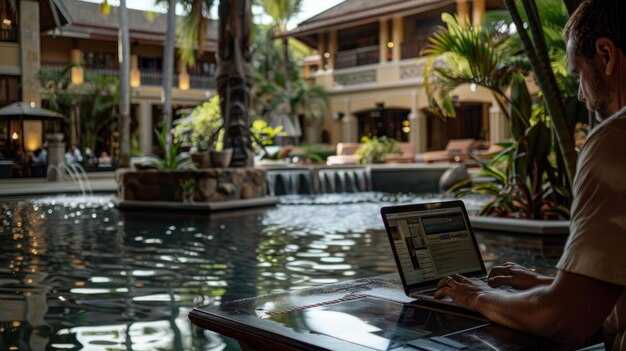
Set up two networks: a fast guest Wi‑Fi with captive portal and a separate private network for staff and sensitive operations. Use WPA3, enable client isolation, and require online authentication at first connection. Create clear policy cards with usage guidelines and place them in rooms and at reception, aligning with policies. This setup balances access with security for locals, freelancers, and businesss policies. This arrangement offers a nice balance between openness and control, and facilitates management involving IT teams.
Open, communal spaces demand solid coverage. In angeles hotels, position access points in open communal rooms–lobbies, lounges, and large seating areas–so signals reach long sessions and fit the lobby setting. This matches modern-day workstyles. Use dual-band APs to support long sessions, with 2.4 GHz for range and 5 GHz for speed. Provide outlets and power near seating areas; run power over Ethernet (PoE) where possible, and route cables into discreet channels. Label power availability with simple signage to minimize clutter. Key points: maintain clear labeling, keep networks stable, and respect privacy.
Privacy and etiquette: on the public network, disable intrusive tracking by default, require consent for data collection, and set idle logout timers to protect privacy when devices stay online on shared spaces. Avoid storing sensitive data on guest devices and apply short retention windows for logs. Publish brief, friendly policies so guests understand what is collected and why, protecting their privacy. Create a guide for locals and freelancers to engage and socialize without disrupting others. Offer alternative work zones and long tables that are suitable for solo work or collaboration.
Design for Collaboration: How Lobby Layouts Foster Local Partnerships
Place modular seating clusters within 15–20 feet of the main entrance, with accessible power and a compact food and beverage station. Use low-height screens to create semi-private alcoves that preserve sightlines and invite focused conversations. This setup helps guests looking to connect read cues about who is inside and find the right moment to talk, increasing the likelihood that a casual chat becomes a local partnership.
To maximize impact, designate three zones: open collaboration desks for rapid ideation, semi-private nooks for negotiations, and a visible partners page that introduces local creators and potential collaborators, as well as local products. Fact-checked data from hospitality researchers shows these zones lift engagement by 25–40% and generate meaningful conversations that become partnerships for local businesses and employers. Certain events work best when you align with nearby businesses or associations; insurance brands seek opportunities to sponsor gatherings, earning rewards for guests and partners alike. In angeles markets, travelers who traveled for work and remote workers repeatedly choose properties with this design, elevating the lobby's popularity as a place to meet. The thing is to open the space to collaboration, not reserve it for check-in alone, and to adapt it seasonally to reflect partners’ needs. Reading the space like a page in a magazine helps you tune lighting, color, and seating to keep energy high.
Layout Principles
Adopt three core design rules: keep sightlines to the front desk, use modular furniture on wheels, and place power hubs every four seats. Create acoustic balance with soft panels so conversations stay private enough to talk business yet remain welcoming to others. Use color and materials that signal collaboration (warm wood, soft textiles) and preserve a premium feel for guests and partners alike. This approach feels open and intentional, helping you attract and retain local partners and makers.
Operational Tactics
Turn space into an engine for collaboration by scheduling micro-events, posting a weekly schedule on a lobby page, and inviting nearby businesses to showcase products or services. A dedicated section at the entry, with partner logos and a rotating mini-exhibit, can spark interactions. In angeles markets, managers report that such events generate a steady stream of partner conversations and even new product ideas from local creators; guests and hosts benefit from a simple, repeatable routine. Keep a simple feedback loop so guests can share what worked, what didn’t, and what they want to see next. Create a process to track outcomes–leads collected, meetings set, and partnerships formed–so you can prove the impact to sponsors and city partners.
| Layout Element | Purpose | Impact (estimate) | Implementation Tips |
|---|---|---|---|
| Semi-private alcoves | Confidential talks with potential partners | 25–40% more meaningful conversations | Acoustic panels, movable screens, 2–4 seating units per alcove |
| Open collaboration clusters | Rapid ideation with guests and local teams | 20–35% higher interaction density | Low-height desks, power hubs every 4 seats |
| Partners wall / digital board | Showcase opportunities, profiles, events | 30% higher awareness of local partners | Real-time feeds; page references; fact-checked notes |
| Food & beverage corner | Attracts foot traffic; supports longer dwell time | +10–20 minutes dwell time; higher co-hosting interest | Rotate local vendors; logos on signage |
| Mobile event kiosks | Host and attendees relocate sessions | Improved adaptability by 15–25% | Lockable wheels; push-button height adjust |
With these choices, lobbies shift from arriving and checking in to connecting, becoming a platform for partnerships that travel beyond a single stay.
Hybrid Scheduling: Aligning Hotel Lobby Hours with Team Routines
Start with atomic scheduling by designating core lobby hours that mirror your team's routines. The lobby becomes an inviting hub during 9:00–11:00, guiding customers and teammates toward purposeful collaboration during peak hours. This creates better experiences for the workforce and customers and reduces ad hoc meetings in corridors. Thank younger staff for adapting quickly.
Though some teams work remotely, core hours provide a reliable rhythm that translates to a calmer floor and a better guest experience throughout the hotel. This viennas approach is a form of innovation that blends hospitality with agile work. To make this concrete, adopt a viennas model with stacked blocks that cover morning, post-lunch, and early-evening windows. For example, run blocks 9:00–11:00, 14:00–16:00, and 17:00–19:00 to balance collaboration with guest flow. Create a bank of seating and modular zones near the lobby to support teams during those windows, then offer flexible lounge seating for guests who want to work during off-peak times. Train hosts to guide them to the right zones and make space feel welcoming and purposeful.
Practical steps to implement hybrid scheduling in the lobby:
- Define core hours as visible, public blocks in signage and on the hotel app; update quarterly based on occupancy and feedback.
- Provide a bank of seating and modular furniture so teams can reconfigure spaces during peak and off-peak times.
- Launch a simple booking system integrated with team calendars; display blocks on visible signage and the hotel app, so customers and staff know where to go during their routines.
- Design zones: a quiet lounge for focus, a collaborative area with movable tables, and a welcoming café corner to host quick sessions.
- Solicit feedback from the younger workforce and guests; iterate monthly to improve flow and experiences.
Key metrics to track and act on:
- Lobby occupancy during core hours (baseline vs. after rollout).
- Average meeting duration and frequency of ad hoc room requests.
- Guest satisfaction scores related to lobby interactions; sentiment from hotel customers.
- Staff time spent assisting guests with wayfinding or space reservations.
- Revenue impact from in-lobby experiences and food & beverage upsell during designated blocks.
Implementation timeline to scale the model:
- Week 1–2: Audit current lobby usage, map team routines, and set initial core hours; prepare signage and a checklist for the calendar system.
- Week 3: Pilot the core hours in one location, validate with a short guest survey, adjust blocks as needed.
- Week 4–5: Roll out to additional properties, align signage, and launch a simple dashboard to monitor occupancy and feedback.
- Week 6: Normalize schedule, train staff on hospitality during busy windows, and review results with leadership; plan next iteration.
Local Business Impact: Partnerships, Sponsorships, and Community Engagement
Launch a quarterly co-branding program with three local partners to turn lobby stays into tangible value for guests and the neighborhood. Pair a beekman coffee pop-up with a Wellington-area bookstore event and a giselle-designed wellness corner to create an inside-facing experience that travels well through social posts. Use a lightweight information card to collect guest preferences and a straightforward investment plan to measure ROI after each quarter.
Set up a partnerships department within the hotel team to coordinate initiatives, negotiate offers, and track outcomes. Each collaboration centers on practical benefits: guest comfort, local visibility, and measurable revenue lift. In the first six months, aim for six events, roughly 1,800 attendees, and 120 direct referrals or bookings tied to sponsor offers.
Strategic Sponsorships That Align with Travelers and Locals
Design sponsorships around the needs of a hybrid workplace: a monthly coworking day, a weekend pop-up market, and a Friday coffee-and-chat series with local creators. Each event carries a clear call-to-action, like a discount code or a partner-hosted workshop, and a budget target of about 12,000 USD per quarter. Expect 20% of attendees to engage with partner offers and aim for 5% to book a stay attributable to the event. Use QR codes and internet referral data to track interaction and value for partners.
Community Engagement and Long-Term Value
Build a feedback loop: post-event surveys, partner dashboards, and a monthly leadership brief with wins and learnings. The data helps decide which partnerships to scale and which to rotate out. For example, a Beekman coffee session paired with a giselle-led design tour can lift local spend per guest by a small but meaningful margin and increase repeat stays by double-digit percentages. Maintain a favorite list of partners and rotate experiences to keep travelers and locals curious about what’s next.
Measuring Success: Key Metrics for Lobby-Based Hybrid Work Programs
Start with a 30-day pilot to quantify fast, reliable data: track lobby occupancy, seat turnover, dwell time, and the share of visits that convert into working blocks. This provides a practical baseline you can compare against company goals and use to guide quick tweaks. youre able to see which teams engage most and which spaces they prefer, turning raw numbers into opportunities for optimization. This pattern is becoming the norm in hospitality and workspace design.
Define four metric groups: space usage, engagement, productivity, and business impact. Space usage includes occupancy rate, peak hours, and average stay; engagement tracks sign-ins, repeat visits, and the proportion of guests who reserve a workspace or lounge seat. Productivity measures include total working sessions started, average session length, and the share of sessions that involve video calls or collaborative work. Business impact looks at purchases in the lobby cafe, average check size, cafe revenue tied to lobby activity, and the influence on marketing outcomes. Knowing these concepts helps you align teams across the company and prioritize opportunities for improvement. fact: the data should be fast and actionable; keep it simple for editors and writers to report.
Data sources and cadence
Practical data sources include the property's app, access logs, and point-of-sale data for food purchases. Use privacy-safe heatmaps to show where people sit and a live dashboard for fast iterations. the источник of insights comes from guest surveys, staff observations, and platform logs. Update the dashboard daily in the first month, then weekly as stability improves. This cadence lets managers react quickly and justify investments to the rest of the organization.
Turning data into action
Use the metrics to guide changes: adjust seating density, re-balance cafe hours to align with peak working blocks, extend quiet zones for deep work, and tailor service offerings to tech-savvy professionals. For example, if angeles teams show two-hour lobby blocks with low afternoon activity, shift cafe promotions to late mornings and offer fast options to sustain focus. This approach resonates with helsinki teams and others, where editors and writers respond to concise updates and clear benefits. Marketing can highlight successful pilots to attract more guests and widen the opportunities for hospitality-based work.


