Step-by-Step Airport Pickup Process - Your Complete Guide to Meeting Arrivals


Recommendation: Choose designated pickup areas at the terminal and confirm your driver's name, vehicle, and terminal before landing to set a level, confident, smooth welcome.
Before boarding, browse your flight status and maps to chart a path from baggage claim to the curb, noting the correct pickup zones in each airport area to avoid circling and keep connections seamlessly.
Step-by-step plan for the meet: 1) getting bags, 2) locating arrivals, 3) confirming the driver’s identity and plate, 4) loading into the vehicles, 5) traveling to your destination, with clear signals and precise timing to ensure reliability.
Tips to maintain level confidence: share the exact pickup point with the driver, hold a visible sign, stay near the arrivals screens, and keep your bags ready to move. On rainy days, move quickly under cover and confirm the driver’s ETA to avoid gaps.
Verify the driver’s identity via the app, check the plate, and match the vehicle description before approaching. If anything feels off, cancel politely and request a re-match through the app. With dedication, you can load gear carefully to protect items and speed up the handoff for delivery at your finish.
For travelers from ibyiwacu, a straightforward approach aligns adventurous expectations with real arrivals, making every trip easier to manage. This method applies cleanly to trips and other routes, across areas and parking lots, with clear signage and steady timing.
With this plan, meeting arrivals becomes a complete, stress-free step-by-step process you can repeat on future trips, building peace of mind and faster handoffs.
Pre-Arrival Prep: Confirm Flight Details, Driver Contacts, and Preferred Meeting Point

Lock in flight details and driver contacts 24 hours before arrival. Gather flight number, airline, date, and local arrival time; note terminal and baggage area to identify the correct drop-off curb.
Capture driver contacts: full name, mobile, alternate number, vehicle color, make and model, and license plate. Share a copy with a trusted contact for monthly updates so information stays fresh and delays are minimized.
Choose a compact meeting point near the arrivals area with clear signage. Confirm a landmark (for example, near the red curb at Terminal A, Level 1) and prepare a backup location in case of crowding.
Prepare for changes: if a flight shifts, confirm new times with the driver and share updates. Maintain a buffer of 60 minutes for domestic arrivals and 90 minutes for international arrivals, depending on airport flow, to maximize reliability during event or trips.
Logistics for drop-off and pick-up: specify a clear drop-off location and verify the guest knows the meeting point. This helps maintain satisfaction for communities of travelers and reduces friction for monthly use or occasional trips.
| Item | What to Confirm | Notes |
|---|---|---|
| Flight Details | Flight number, airline, date, arrival time, terminal, gate (if known) | Share with driver; update if changes occur; add buffer |
| Driver Contacts | Name, mobile, alternate, vehicle color, make/model, license plate | Provide to guest and backup contact; verify before arrival |
| Meeting Point | Exact location, signage, accessibility, backup site | Agree on landmark; confirm with guest via message |
| Change Management | How to handle delays/early arrivals; notification channel | Use WhatsApp or SMS; time buffer 60/90 min |
| Documentation & Privacy | Contact permission; storage location | Keep secure; review monthly for updates |
Where to Meet at Kigali International Airport: Arrivals Hall, Signage, and Designated Meeting Points
Meet at the Arrivals Hall, near the main exit and the information desk, where prominent signage guides you to the designated meeting points. This choice is cost-effective, reduces unnecessary walking, and ensures a quick, secure handover with a short wait for both sides, without confusion.
Arrivals Hall: Practical Meeting Position
Choose a visible spot by the glass doors just outside customs, where security staff manage the flow and among travelers you stand out. Have your pickup name or rolling sign ready to minimize contact and confusion. Keep devices charged for quick contact and share updates on status if delays occur. The etiquette here favors a calm, cultural approach: greet warmly, confirm the driver’s vehicle description, and proceed without obstructing the flow. If inquiries or changes arise, use the information desk to coordinate and avoid unnecessary fees or missed connections. This setup typically secures a smooth pickup and helps all parties relax. It also requires you to know your exact pickup point and to touch base with the driver as soon as you spot them.
Signage and Designated Meeting Points
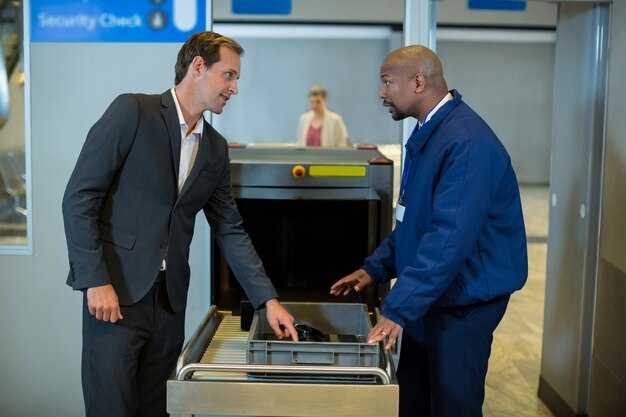
Follow large, color-coded boards that point to Meeting Points A, B, and C just outside the arrivals area, within the covered walkway. Signage is typically clear, with arrows, landmarks, and a visible timeline for flight arrivals. Stay within the marked zones to stay safe, while the security team monitors entry points. For a quick touch, confirm the driver’s name and vehicle description before stepping away from the curb; this reduces the risk of misidentification among crowds. If you have inquiries about parking fees or payment arrangements for private pickups, the inquiries desk can help, and many locations offer cost-effective options such as short-term staging areas rather than long waits on the streets. Modifications to pickup plans can be handled promptly, so you and your driver can roll out together with confidence.
Planning meet points with clear signage and designated meeting zones ensures an excellent first impression, a safe experience, and a relaxed pickup flow for all involved.
On-Arrival Actions: Clear Customs, Collect Baggage, and Locate Your Driver
Go directly to the Customs area with your passport and valid documents. Present any required forms, answer concise questions, and follow the signs to arrivals. This straightforward combination of preparedness and calm will speed clearance, ensure safety, and includes a clear plan for your first greeting with the driver. Check the pickup schedule at the arrivals desk to align expectations. When you stay focused, the entire process stays efficient, the stars align, and the experience remains unforgettable and convenient. This approach covers everything you need for a smooth start. This approach brings peace of mind.
Clear Customs efficiently
- Have itinerary, flight number, and records ready; this helps the knowledgeable staff verify details quickly.
- Carry a small folder with receipts and declarations in a single, organized place to minimize holds and questions.
- Answer questions succinctly and truthfully; concise responses speed up verification and keep the line moving.
- If the area is busy, ask a seasoned staff member for guidance to resolve any issue smoothly.
Collect Baggage and Locate Your Driver
- Follow the rolling luggage flow to the correct carousel; keep valuables close, and notice beautiful, clear signage that guides you to the baggage claim.
- Confirm each bag by tag and visual cues; verify the label matches your itinerary to avoid missing items.
- Look for a driver holding a sign with your name or company logo; if needed, ask for confirmation before leaving the terminal.
- Confirm the vehicle, driver, and passenger count to prevent issues and ensure a convenient transfer; your schedule will appreciate this.
- Choose a driver who specializes in airport pickups for consistent, reliable service and value.
- If any issue arises, contact your booking provider immediately; they will coordinate a rapid solution.
- If you carry rugged luggage or gear, point this out to the driver to arrange suitable space in the vehicle.
- Ride with a capable, knowledgeable driver who can share rich details about the route and local safety tips for a beautiful, memorable arrivals.
Identification and Verification: Confirming Your Ride Before Leaving the Terminal
Always verify your ride in real-time before leaving the terminal. Open your booking and confirm the driver’s name, vehicle color, and license plate. Show the confirmation screen to the driver and match the pickup details with the designated drop-off area. This quick check saves time and prevents confusion at curbside.
- Confirm identity by asking the driver to spell their name, read the plate, and confirm the car model. Compare these with your booking details and the ride type (one-way or return).
- Use assistance if anything mismatches. If the driver isn’t present or the details don’t align, approach a staffed desk or call the taxi information line. Availability of staff varies by terminal, but help is usually within reach.
- Specify pickup instructions clearly. If you reserved a one-way trip, remind the driver of the final stop. Check for any charges or luggage fees before departure and select the car that matches your needs, including amenities and accessibility. If you’re visiting or traveling with a diaspora group, confirm a pickup zone that works for everyone and select the appropriate vehicle type. For a visit, specify pickup details if needed.
- Meet in a safe, open area near the curb. Confirm the vehicle’s color and plate again before entering, and avoid crowded exits. If you seek privacy or quiet with the driver, arrange a quick meeting at a nearby open space and report any emergency to airport staff immediately.
- During the process, stay flexible. This approach supports a smooth transition from terminal to vehicle and keeps meetings efficient, especially for adventurous travelers or groups like the diaspora. If you travel with ruggedness–heavy gear or bulky luggage–request loading help in the designated area.
After verification, have your phone handy for real-time updates and be prepared to book another leg if plans change. If the curb area is dirty or muddy after rain, step carefully and follow staff directions to avoid slips. This practice ensures a superior pickup experience with great assistance and minimal stress.
Parking, Access, and Quick Exit: Navigating Parking Areas and Departure Lanes
Park in the covered, short-term lot closest to the terminal entrance to minimize walking and ensure timely pickup; this keeps your departure lane clear for a quick exit and reduces delays for others. Be aware that circumstances requiring fast, clear decisions can arise, so have a plan and a backup route.
From the moment you arrive, follow clearly marked signage to your designated area and pull up to the curb where attendants direct loading. If you want to stay flexible, park in a nearby option and move to a designated pickup lane when your guest arrives. Trained staff can confirm the fastest route during peak times and help you avoid steep ramps or congested intersections. Think of a gorilla in a busy zone–steady, observant, and respectful of others' space.
Channel nimble movements like a chimpanzee moving through a crowd when you approach the curb, and keep the drop-off zone clear for others. This approach supports independence for drivers and reduces stress during busy periods.
Parking Options and Signage
Covered lots offer weather protection and faster access to ground transportation. For short stays, use the near-terminal bays; for longer stays, switch to the long-term area that has a dedicated exit lane. The selection of zones is posted by color and letter, with clear signage indicating time limits and unloading rules. Ongoing updates from airport signage reflect real-time changes, so check the display before you pull away. Always verify your ticket details against the license plate or reservation in your app, and use official airport sources for guidance. In Kigali, signage is designed to be multilingual and straightforward, helping you navigate under different circumstances.
Efficient Exit Tactics
In the ending stage, join the right departure lane well before you reach the pickup point to avoid last-minute merges. Timely exits depend on smooth communication with your passenger and a quick bag load. If traffic blocks the main road, use the back exit or an alternate route to save minutes. Maintain a calm, adventurous pace and stay aware of other drivers; this flexibility keeps the process moving and reduces stress for everyone involved.
Delays, Missed Flights, and Special Occasions: Coordinating for Groups, Events, and Late Arrivals
Establish a dedicated group liaison who handles all arrivals and provides personalized updates to every participant.
During peak periods, run a single tracking dashboard for all flights and group statuses; the liaison receives alerts and can reallocate drivers to maintain a smooth flow. Typically, the plan could scale to a thousand travelers with the right coordination and proactive messaging.
Collect mandatory details at booking: traveler names, flight numbers, arrival times, origins and destinations, accessibility needs, and a primary contact. This data supports identification checks and speeds up the welcome process.
Ensure access control: issue branded badges, verify identification on arrival, and direct groups to the designated pickup area with clear signage at each destination's arrival hub.
For events or late arrivals, coordinate a scalable response: assign extra staff, arrange multilingual signage, and offer a combination of transport options to fit group size; this represents unparalleled support and reduces waiting times while preserving the spirit of hospitality.
If delays occur, adjust plans promptly: update ETA boards, notify hotels and transport providers, and reassign escorts as needed to keep the trip moving smoothly and minimize disruption.
Regularly review performance after each pickup: collect feedback from clientele, track punctuality, and identify bottlenecks; use a thousand data points to refine procedures for future trips.
With a clear right of priority and a fixed data backbone, confirm mandatory pickup times with clients, keep contact details up to date, and maintain a proactive mindset to prevent cascading delays.