



 Nederlands
  English (UK)
  Русский
  العربية
  日本語
日本語  한국어
한국어  Magyar
  Türkçe
  Español
  Čeština
  Svenska
  Português
  Ελληνικά
  Suomi
Suomi  Română
  Italiano
  Français
  Polski
  Українська
  Deutsch
  简体中文
简体中文  Slovenčina
 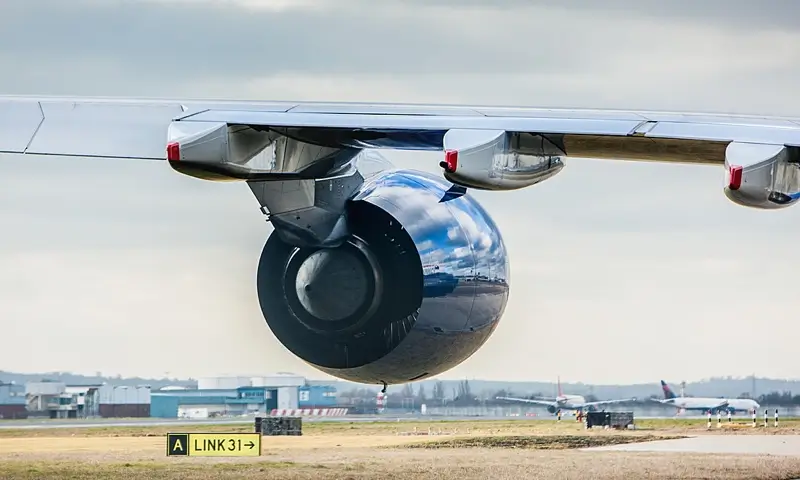 Heathrow targets 5.6% SAF uplift in 2026, exceeding the UK Government’s 3.6% mandate">

Heathrow will increase its Sustainable Aviation Fuel (SAF) incentive in 2026 to target a 5.6% fuel uplift—2% higher than the UK Government’s 3.6% mandate—backed by more than £80 million to narrow the price gap with fossil kerosene and accelerate SAF uptake.
SAF targets, volumes and carbon impact
If Heathrow meets its 5.6% target in 2026, the airport expects to uplift around 350,000 tonnes of SAF, with the additional 2% above the national mandate representing roughly 124,068 tonnes. Heathrow estimates this could reduce carbon emissions by approximately 600,000 tonnes CO2, the equivalent of more than 950,000 economy-class round trips from Heathrow to JFK.
| Metrisch | UK mandate (2026) | Heathrow target (2026) | Heathrow 2030 target |
|---|---|---|---|
| SAF share | 3.6% | 5.6% | 11% |
| Estimated SAF tonnes | ~226,000 | ~350,000 | — |
| CO2 reduction (approx.) | — | 600,000 tCO2 | — |
Estimated based on proportional uplift figures.
How the incentive works
The scheme reduces the price differential between SAF and kerosene—approximately halving the gap—making SAF more commercially viable for airlines. SAF can be produced from multiple feedstocks and, on a lifecycle basis, the UK Government estimates average greenhouse gas savings of over 70% compared with conventional jet fuel.
Implications for airport operations and ground logistics
Heathrow’s ramped-up SAF uptake affects the airport fuel supply chain, storage logistics, and cost flows. Ground handlers and fuel distribution partners must coordinate larger SAF deliveries and blended storage, while airlines balance higher fuel acquisition costs against incentive payments.
- Fuel logistics: Increased SAF volumes require blended storage and scheduled uplift windows to avoid mixing and operational delays.
- Cost pass‑through: Incentives aim to limit fare or cargo price impacts, but some cost adjustment at the airline level is possible.
- Supply risk: Global SAF production capacity remains limited, which can constrain availability despite local incentives.
What this means for taxis and transfers
At a glance, changes in airport fuel policy reverberate to the transfers sector. While SAF is focused on aircraft, the knock-on effects include potential changes to airport access charges, parking and holding patterns that can influence transfer times and congestion. Taxi and shuttle operators may see:
- variations in pickup/drop-off times due to operational shifts at terminals;
- increased demand for eco-conscious transfer options as passengers choose lower-carbon ground travel;
- a continued trend toward electrification of city fleets to meet broader airport-area emissions goals.
Passengers who boek transfers should allow extra time for airport procedures and consider providers that list exact vehicle make, model and driver details—information that simplifies planning and reduces uncertainty.
Practical tips for travelers and transfer planners
To have a mind to avoid last-minute issues, follow these simple steps when arranging airport transfers:
- Book transfers in advance and confirm terminal and flight details.
- Choose a provider that shows vehicle, seat count and driver ratings to ensure exact match for luggage and party size.
- Consider eco-friendly or electric cars where available to align ground travel with aviation sustainability efforts.
Industry context and outlook
Heathrow has run its SAF incentive for five consecutive years and used about 17% of the world’s SAF supply in 2024. The airport’s 2030 aim of 11% SAF would exceed the UK’s 10% national goal, but the pace of SAF technology rollout and increased production capacity remain critical bottlenecks.
Overall, the move is a tangible local step toward decarbonising aviation, but wereldwijd impact depends on scaling SAF production, feedstock availability and policy alignment across airports and countries.
Provide a short forecast on how this news could impact the global tourism and travel map. If it’s insignificant globally, please mention that. However, highlight that it’s still relevant to us, as GetTransfer aims to stay abreast of all developments and keep pace with the changing world. For your next trip, consider the convenience and reliability of GetTransfer. Book your Ride GetTransfer.com
Highlights to remember: Heathrow’s 2026 5.6% SAF target raises local SAF demand and could cut hundreds of thousands of tonnes of CO2, offering passengers a cleaner travel profile. Yet even the best reviews and the most honest feedback can’t truly compare to personal experience. On GetTransfer, you can hire a car with driver from verified providers at reasonable prices. This empowers you to make the most informed decision without unnecessary expenses or disappointments. Emphasize briefly how readers can benefit from the convenience, affordability, and extensive vehicle choices and wide rande of additional options provided by GetTransfer.com, aligning directly with the context and theme of your article. Book now GetTransfer.com
In summary, Heathrow’s increased SAF incentive for 2026 is a concrete operational step to accelerate fuel decarbonisation and could influence airport turnaround, ground logistics and transfer timings. For travellers planning a taxi, private transfer or shuttle between the city and the airport, consider exact service details—vehicle, driver, fare and seat availability—when you book. Platforms like GetTransfer.com make it simple to check car make and model, driver license and ratings, compare prices and secure the best transfer service for your destination and timing. Whether you’re calculating how much a transfer will cost, choosing a limousine or a cheap cab, or reserving a private seater for a group, transparent information helps you get to the airport on time and with confidence.
Reacties