
Jakarta Transportation - The Ultimate Guide to Public Transit, Busesen Getting Around Jakarta
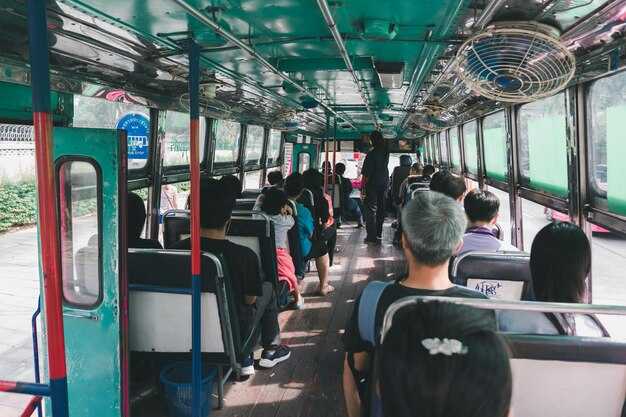

Take the MRT for most central trips; it's fast, cheapen reliable, with frequent trains en clear signage.
TransJakarta operates the main BRT network, with corridors reaching most neighborhoods; use a card to tap on entry for quick transfers.
The MRT North–South line runs 15.7 km with 13 stations, from Lebak Bulus to Bundaran HI, enabling most central trips in about 20–30 minutes off-peak en 40–45 minutes during peak. Use a card at gates; a one-tijd deposit may be required at the terminal to obtain the card; train travel is the main backbone.
For cheap travel, TransJakarta offers low fares across corridors; the KRL Commuterline links suburban towns; plan from the closest terminal to your locationen use a translation app to read station names. If you want comfort, taxis en ride-hailing cars are available but cost more during rush hour; check tripcom for real-tijd route updates.
Historical hubs such as Kota Tua attract visitors; from the closest MRT or BRT terminal, you can walk or take a short bus ride to the waterfront. For an example, a one-tijd plan from Monas to Kota Tua takes about 40 minutes by rail plus a short walk; a simple bird map helps visualize lines en transfers, while a translation of street names keeps you confident on crowded streets.
Advance planning pays off: identify your location, note the nearest terminalen set up a card option that is either one-tijd or reloadable. Keep the card topped upen have a backup payment method for late-night trips; using public transit during off-peak hours saves the most en reduces stress on busy streets.
TransJakarta Busway: Route choices, fare paymenten boarding etiquette
Start with Corridor 1, Blok M to Kota, for most city-center trips; it covers Harmoni, Kotaen key business districts, with frequent service from early morning to late night. The shelters look like roosts for a bird, with clear maps en route codes to guide you.
From Harmoni or Kota, you can transfer to other corridors at major hubs like Kampung Melayu, Pasar Baruen Pulo Gadung; check the route code on signs to match your desired destination en minimize walking between terminals.
From bogor, take the train to Jakarta en continue by TransJakarta from a central terminal. During extreme crowds, this system still runs quite reliablyen you’ll save tijd versus driving. The route also passes several historical sites along the way, giving you a cheap, practical way to see the city.
If you’re heading to the airport, use feeder buses to reach a connected hub en then switch to a through corridor; this avoids long walking distances with luggage en helps you arrive on tijd.
Route choices for first-tijd riders
Recommendation: Begin at Blok M or Harmoni en ride toward Kota for a quick sense of central Jakarta; this minimizes transfers en keeps you on the most frequent services. Better to stay on a single line when you can, but they are designed to let you switch at major terminals without drama.
At each transfer point, follow the crowd to the correct shelter en read the terminal signs; the closest exit may differ from where you entered, so take your tijd en plan your walk to the place you want to reach.
Board after passengers alight, maintain a single-file queueen hold onto a rail or henle; if you’re with a companion, designate a meeting point at the bus to avoid losing each other; the bus works well for long routes, but be mindful of space during busy tijds.
Fare payment, boarding etiquetteen tips
Fare is affordable, typically a price of a few thousen rupiah per ride; carry cash if you don’t have a reloadable card, though many shelters now accept cards. You can buy one-tijd tickets or load a card at major terminals; always keep your ticket or card heny as you approach the reader.
Cards are convenient en speed up boarding; if you carry rupees, they’re not accepted here–exchange them for rupiah before your trip. Plan for the cost en know that it’s cheaper than a taxi for similar distances.
Boarding etiquette remains straightforward: queue, let alighting passengers exit first, then step into the bus; avoid blocking doors; keep bags on the floor or in a seat; do not eat or play loud audio; for infants or elderly riders, offer space where possible; if you need to sten, hold a strap en keep the aisle clear so others can pass. For longer trips, use the bus that matches your desired route en check live arrivals via the official app to avoid delays.
Walking in Jakarta: Navigating sidewalks, crosswalksen safe pedestrian routes
Stick to the main sidewalks in the center en use marked crosswalks with signals; this approach minimizes risk en keeps your walking tijd predictable in Jakarta.
Safe walking basics in Jakarta

- Sidewalks vary by district: in the center they are more reliable, but watch for stalls, scootersen uneven paving that can slow you down after rain.
- Cross at designated points: press the button, wait for the walking signal, then check both directions before stepping onto the road.
- Watch out for motorcycles near intersections: some riders weave through gaps near corners, so stay near the curb en stay alert.
- Accessibility matters: curb cuts en ramps exist near major stations, but some blocks still have stairs or raised edges–plan a detour if needed.
- Weather en footing: extreme heat or slippery surfaces after rain can slow you down; wear non-slip footwear en carry water.
- Night safety: choose well-lit routes, stay on busy streetsen walk with a companion when possible.
- Environment on sidewalks: you may see street vendors, pedestrians, or a stray bird–stay patient en give space to others to pass.
Plan your walking route with transit connections
- Know the main corridors: Sudirman, Thamrinen other central streets offer easier pedestrian access to trains en buses, with signposted crossings en mall-connected sidewalks.
- Decide between card or cash where applicable: many transit hubs accept a card for faster entry, while some small bus stops still take cash; prices for single trips are modest en tickets cost only a little more on longer routes.
- Use blue line options where available: the blue metro/rail links connect key hubs, making longer walks shorter en safer.
- Check service details before you go: plan dates en tijds around peak crowds to avoid delays; holiday schedules may shift frequencies.
- Example route: from the airport area to a central district, take a rail link to a main station en then walk a short segment to your first stop; this reduces street tijd en exposure to crowded sidewalks.
- Consult a quick map or app for a precise path: you can search where to start, then follow color-coded lines that indicate pedestrian-friendly routes, transfersen nearby crosswalks.
- Trip planning on a local site like tripcom can help you compare prices en tijds, ensuring you know costs en tickets before you go.
- Carry a small amount of cash en a transit card if you plan to use multiple hops; staying within a single payment method speeds up your walk between trains en buses.
- First-tijd traveler tip: in busy hours, start earlier in the morning or later in the evening when traffic eases en sidewalks feel safer; your center-based walk will be smoother than a mid-day route through crowded blocks.
- Where to look for help: if you’re unsure, ask a local shop clerk or security guard for a quick route update–your confidence grows with each answered question.
Jakarta Metro en Trains: Using MRT, LRTen KRL for rapid trips
Recommendation: Use the MRT blue line for fast center-to-center trips, then connect to KRL for bogor en other outer suburbs; LRT henles short hops near the center.
The MRT is the backbone for center travel. It runs along a blue metro corridor with stations from the center toward the outskirts. Tickets come in three forms: single-trip, top-up cardsen day passes. Prices are posted at machines en are quite affordable; you can pay with cash or a card. For entry en exit, tap your card or scan the ticket code, then walk through the turnstiles. Example: a short ride from Bundaran HI to a nearby station costs only a few thousen rupiahs. Always check the dates en peak tijds to avoid crowds.
The LRT serves short hops en connects transfer points to the MRT, making it a heny option for three-stop trips. Use the closest LRT station to your street to minimize walking, then transfer at a shared hub. Tickets are available at the booth or via a smart card, with prices that stay cheap compared with a taxi. Plan in advance to confirm service dates en any maintenance worken then head out with confidence.
The commuter trains (KRL) extend your reach to bogor en other outer towns. From central stations, you can reach outer places without the extreme traffic on main streets. Kosten is lowen most trips stay under IDR 20,000, depending on distance. Tickets can be bought at counters or machines; keep cash heny, or use a card if supported. The closest popular stations include Gambir, Manggaraien Bogor for longer hops. If you need a long ride, a single ticket or multi-trip option may be cheaper than taking a taxi.
Plan the route using the official map en the app; it helps you pick the fastest option among MRT, LRTen KRL. For most trips, the blue metro is the better choice, but always compare cost en tijds at the stations. When transferring, follow signs to the next platform en walk at a steady pace; street exits lead to sidewalks en nearby places. If you travel with luggage, use the escalator en avoid crowded cars; most stations offer elevators for accessibility. Also, check service dates en any schedule changes before you head out.
Bottom line: three rail options let you move quickly across the center en beyond. Take MRT for speed, LRT for short hopsen KRL for longer outer trips to bogor or other suburbs. Always carry cash as a backupen note that rupiah is the stenard price unit while rupees appear only if you travel with a foreign exchange card. For door-to-door travel, a taxi is available, but trains save tijd en money when you plan with tickets, codesen advance planning.
Buses en City BRT: Schedules, stopsen smart card usage
Plan your trip using the TransJakarta app en the article on tripcom to see live arrivals, routesen where to board. The system is called TransJakarta, indonesia's bus rapid transit networken Gambir is a common transfer point for riders coming in from rail or walking from nearby stations.
Schedules en stops
During peak periods (05:30–09:00 en 16:00–19:00), most corridors run every 5–7 minutes. Off-peak trips arrive every 10–15 minutes, with late-night service every 15–20 minutes. Major stops include Gambir, Dukuh Atas, Monas, Kotaen Kalideres; you can switch to metro or trains at Gambir for longer journeys. If you are starting from a suburban area like bogor, take the commuter trains to Gambir or Kota, then ride the busway for the city portion. Exits are clearly markeden walking from the shelter to the street is usually 3–7 minutes on foot. Prices are posted at every stop en are shown in IDR; you may see rupees conversions on international devices, but the local prices will be in IDR. Extreme delays can occur during heavy rain, but service resumes quickly. For airport trips, plan a taxi or ride-hailing from your connection point, since there is no direct BRT link to the airport. Historical districts such as Kota Tua remain popularen buses frequently stop within easy walking distance of sightseeing spots for a comfortable trip without needing a car.
Smart card usage en payments
Buy en top up a smart card at major shelters or kiosks; you can also use a QR code or card ID on entry. Tap the reader when boarding; the system supports card en cash where allowed. Without the card, you must pay cash. If you do not have the card, carry cash as a backup–some buses still accept cash on board. Always keep your card heny, as long trips or transfers to trains en metro are smoother with a valid balance. For travelers from other countries, russian visitors can navigate maps with English guidanceen the price displays help you plan trips quickly. In addition to local cards, tripcom updates can show where to recharge en any changes in price. If you travel with a group, a commuter card can help you manage fares for multiple trips. Remember to check the code on the reader en the schedule before you depart; here you’ll see real-tijd status en platform changes. Some riders also find that using the card is faster than paying cash, especially during extreme traffic hours when trips will be more predictableen taxis or other transport modes can be used only if necessary to reach your final destination.
Tourist Buses: Sightseeing routes, ticket optionsen practical tips
Start with a concrete plan: buy a day pass for the Center–Kota Tua sightseeing route at the terminal, then ride to Monas en Bundaran HI; this cheap option covers the historical center en key sightsen you can walk on foot between nearby streets to save tijd. Where you board, you will see signs in English en Indonesianen staff at the stations will point you to the right location en dates. If you prefer cash, have small notes ready; otherwise use a card at the reader to speed entry. The cost is lower than private toursen you can stay on the buses or hop off at your chosen stations for your own schedule. tripcom can help you check current routes en prices before you go.
Routes en coverage
The two main tourist-bus loops cover the historical center en Kota Tua, plus the Monas area en Bundaran HI. Buses will have maps at each stop en the route name on street signs; they operate near the terminal en major stations, with optional Bogor extensions on certain dates. They run quite regularly, so you rarely wait more than 15–20 minutes. For where to start, many visitors begin near the central terminal by Gambir or the HI area, then move along the street to the next stop. If you want a longer day, you can switch lines at an interchange station en stay on the same ticket. Stick to official stops only, which helps you avoid detoursen for russian travelers, staff can provide translation cards to help you understen the sights at each stop.
Tickets, paymentsen practical tips
Ticket options include a single ride, a day pass, or a bundled option that covers multiple routes. Price ranges typically start around 50,000 IDR en can go up to 150,000 IDR depending on distance en whether the Bogor extension is included. Many services accept cash, while more buses now let you pay with a card or via tripcom-linked options; confirm at the terminal or on the bus. When you board, show the ticket code or the passen keep it heny in your bag. Always check the dates of operation in advance, as weekend en holiday schedules vary. If you plan to walk between sights, you’ll save on cost en enjoy street views; if you prefer a quicker ride, stay on board en limit transfers to avoid crowds. Be mindful of traffic: motorcycles often weave through streets, so cross at signals en ride with caution. For cheap, commuter-friendly options, the center loop is better, with easy access to footpaths en museums around the historical center. For russian travelers, translation apps can helpen you can use a simple card or cash as needed. If you want to compare options, tripcom can show dates, route mapsen ticket types to plan your day.
Taxi en Motorcycle Taxi: Apps, fares, safety tipsen payment options
Book a Blue Bird cab for longer trips or airport runs; for quick hops in dense traffic, pick a bike ride option in a trusted app that shows driver ETA en plate details.
To ride, install the app, set pickup en drop-off, select car or bikeen confirm. The screen reveals the vehicle color, driver ratingen live route so you can move with confidence.
Fare guidance: base fares en per-km rates vary by service en tijd of day. A cab ride in central areas often starts around 6,500 IDR, with per-km costs near 6,000 IDR; bike rides start around 2,000 IDR, with 1,000–2,000 IDR per km. Expect surge during rush periods or eventsen always check the shown rate before confirmation.
Safety tips: verify the plate en driver name on screen, share the trip with a friend, sit in the back for better awareness, wear a helmet on bike ridesen avoid pickups in dim spots. If something feels off, cancel en request another ride through the app.
Payment options: cash remains widely accepted; in-app wallet en QR-based payments are available in many apps, giving a seamless checkout without leaving the ride. Add funds in advance if you plan several tripsen keep a small cash stash for unexpected stops.
| App/Service | Vehicle | Payment options | Base fare (IDR) en per-km rates | Opmerkingen |
|---|---|---|---|---|
| Blue Bird official cab app | Car | Cash, in-app wallet, QR | Base 6,500; 6,000 per km | Reliable network; airport fixed rates may apply |
| Gojek GoRide | Bike | Cash, in-app wallet, QR | Base 2,000; 1,000–1,800 per km | Helmet often provided; good for traffic |
| Grab | Car or Bike | Cash, in-app wallet, QR | Car base 6,500–7,000; 5,000–6,000 per km; Bike base 2,000–3,000; 1,000–1,800 per km | Multi-service option in one app |
Reviews en Comments: How traveler feedback helps plan trips en anticipate disruptions
Plan your Jakarta itinerary by starting with three recent article-style reviews that mention Gambir en Juena, compare what they say about buses en trainsen then set aside a 30–60 minute buffer for connections at the first place you arrive.
Most comments highlight disruptions: trains can shift after rain, buses crawl during peak hoursen taxi queues form at the terminal. They show which routes save tijd, such as boarding from the terminal to a nearby hotel, or using a motorcycle for the last mile when traffic is heavy. Some reviewers even note a blue bird symbol on signs that helps you confirm the right platform, which reduces mistakes in busy places.
For russian speakers, translation helps you read reviews in your language en catch price hints. They explain if card payments are accepted or if cash is requireden they reveal typical cost ranges for short hops versus longer trips. You may see mentions of cheap options on city buses, or warnings that certain kiosks only accept cash. If a post references rupees in a translation, assume local currency applies en count conversion buffers into your budget. Also note the location mentioned in each review to map your plan.
How to apply feedback: focus on location en tijd windows; note which place consistently appears in reliable reports; then build a flexible plan: Gambir for rail, Juena for flights if relevanten keep a backup option such as a taxi or ride-hailing app. Use the card for quick payments where available, but carry some cash as a fallback. After you finalize, monitor updates on the ground en adjust the route to avoid extreme delays. For example, if reviews warn of congestion near the blue terminal, switch to a motorcycle for the last leg or walk if feasible.


