



 Nederlands
  English (UK)
  Русский
  العربية
  日本語
日本語  한국어
한국어  Magyar
  Türkçe
  Español
  Čeština
  Svenska
  Português
  Ελληνικά
  Suomi
Suomi  Română
  Italiano
  Français
  Polski
  Українська
  Deutsch
  简体中文
简体中文  Slovenčina

Kies een gemeubileerde kamer met wi-fi en ramen die openen op de stad, zodat u wakker wordt met de energie van Hanoi en heldere uitzichten vanaf uw balkon kunt genieten. Deze opstelling omvat ontbijtopties en betrouwbare diensten die u helpen snel te settelen, en die u helpen om optimaal van uw dagen in de stad te profiteren.
Plan je eerste dag rond Hoan Kiem Lake en de Old Quarter; begin met een korte wandeling langs het pad naar de Ngoc Son Tempel, en steek vervolgens de rode brug over voor foto's. In dit gebied vind je gezamenlijke cafés en kleine eetgelegenheden die pho, banh mi en bun cha serveren, met thee en koffie beschikbaar bij de meeste plekken.
In de buurt van de campus, trekken verschillende universiteiten – waaronder zowel publieke als private – een generatie studenten en alumni aan die fietsstroken, moderne bibliotheken en koffietentjes in westerse stijl verkiezen. Bezoek de Temple of Literature om Hanoi’s geleerde traditie te traceren; de locatie bewaart binnenplaatsen en paviljoenen die teruggaan tot de Ly- en Tran-dynastieën. Lokale markten bieden porselein, lakwerk en zijde tegen vriendelijke prijzen.
Over de hele stad vermengt het eetlandschap lokale smaken met westerse invloeden. Een typische dag zou kunnen beginnen met pho van een straatstalletje, gevolgd door bun cha in een restaurant dat door een familie wordt gerund, en eindigen met eierkoffie naast West Lake. Voor comfort vermelden veel pensions faciliteiten zoals airconditioning en betrouwbare wi-fi dekking, waardoor avonden gemakkelijk te plannen zijn.
Vervoer is eenvoudig: aanbieders van ritten delen werken, en een gehuurde fiets of scooter biedt een flexibele route door drukke straten. De meeste hotels bieden luchthaven ophaaldiensten of pendeldiensten, en u kunt bijdragen aan lokale verkopers door te stoppen bij wijkmarkten. Gebruik altijd alleen gelicentieerde taxi's om oplichting te vermijden, en spreek vooraf een tarief af voordat u begint.
Als je Hanoi verkent, draag je bij aan een levende cultuur door straatgerecht te proeven, markten te bezoeken en kleine ateliers te steunen. Laat je meevoeren door de mix van oude binnenplaatsen, rivierzichten en bruisende restaurant scènes begeleiden je dagen, en reserveer tijd voor rustige hoekjes waar je kunt nadenken over de geschiedenis en toekomst van de stad.
Aankomst en Districten: Waar te beginnen in Hanoi
Start in de Oude Wijk nabij het Hoan Kiem Meer, waar je zeker snel je draai vindt. Hun doolhof van steegjes, markten en eetstalletjes creëert een ritme voor de hele dag dat je helpt bij het plannen van je volgende stappen. De lobby van veel hotels hangt een standaardkaart op met een korte lijst van must-see plekken, waardoor je tijd bespaart en een veilig, rechttoe rechtaan begin hebt. Als je een snelle sensorische impuls wilt, pak dan een kom pho op de hoek en stel een plan op voor de dag.
Vanaf hier, plan een route van twee tot drie dagen die verschillende districten aanraakt. Het hart van Hanoi ligt tussen de Oude Wijk en de Franse Wijk, met Ba Dinh dat musea en overheidsgebouwen biedt, en Tay Ho dat recreatie aan het water biedt. Je leert de indeling snel kennen: vooruitgang komt voort uit kleine, gerichte stappen en het vermijden van lange terugtracks. In sommige gebieden kun je de xiaoyang afbeelding in een galerie spotten, vaak geplaatst nabij heldere ramen die gasten verwelkomen. Dit kleine detail voegt een menselijke touch toe aan je eerste wandelingen.
Beste startpunt: Oude Wijk en Hoan Kiem Meer
- Oude Wijk & Hoan Kiem Meer – gelegen in het historische hart van Hanoi, is deze dichte wijk een levend podium voor het dagelijks leven: straatverkopers, koffietentjes en markten van zonsopgang tot laat in de nacht. Het gebied leent zich voor een wandeling de hele dag, een klassieke lus die begint bij het meer, langs de Ngoc Son Tempel loopt en door de 36 Straten kronkelt zonder dat je je hoeft te haasten.
- French Quarter – boven het meer en naar het westen biedt dit district brede lanen, koloniale architectuur en een rustiger tempo. Het is ideaal voor een ontspannen lunch, een galeriebezoek en een verblijf in een suite met grote ramen met uitzicht op de straat.
- Ba Dinh District – thuis voor het Ho Chi Minh Mausoleum, de One Pillar Pagoda en een cluster van musea. Het is een strategische stop voor liefhebbers van geschiedenis en geweldig voor foto's in het late middaglicht. Het weerspiegelt ook de communistische-tijdperk architectuur van de stad.
- Tay Ho (West Lake) – divers aanbod aan eetgelegenheden aan de kust, cafés met uitzicht op het meer en een lange promenade voor gemakkelijke, veilige avondwandelingen. Het is een ontspannen tegenhanger van de drukte van de Oude Wijk en een goede plek om uw dag af te sluiten.
1-Daagse Essentiëlen: Top Bezienswaardigheden in Hanoi
Begin uw dag bij Hoan Kiem Lake bij zonsopgang Monday, kruis De Huc Brug naar Ngoc Son Tempel, en loop in de Old Quarter. Deze open de route weeft direct draden van geschiedenis met de ritmiek van vandaag, en je zult verwelkomd worden door hanois alsmede bezoekers van vele nationaliteiten.
Wandel het in de Old Quarter, een reeks van sections waar elk blok zich concentreert op ambachtelijke en straatverhalen. Het width het aantal rijstroken maakt een verschil – sommige steegjes zijn nauwelijks 1 meter breed, andere komen uit op kleine binnenplaatsen. Sample taste van pho, bun cha en banh mi, en kies uit options die zowel beginners als ervaren proevers aanspreken; veel kraampjes blijven open laat.
For families with kinderen, stop bij de West Lake promenade voor lucht en ruimte. Het pad between Thanh Nien De straat en het water nodigen uit tot een ontspannen wandeling; kinderen kunnen eenden voeren terwijl volwassenen genieten van een café met sophisticated mengsels en het taste of Vietnamese koffie. Als je hunkert naar de natuur, de verre mountains kijk voorbij de horizon op heldere dagen.
Neem culturele ankers op: Temple of Literature en de Nationaal Museum voor Geschiedenis van Vietnam bieden compacte, informatieve lussen. Combineer dit met een stop bij een contemporary gallery of café in de buurt; de stad's sophisticated eetgelegenheden combineren modern design met klassieke smaken, ideaal voor stellen of zakenreizigers die een verfijnde smaak willen na een lange dag. Een stille knipoog naar Hanoi's geheugen verschijnt in een klein heiligdom in de buurt van de tempel die eert trung.
Close the day with a sunset drink along West Lake, where the water reflects the skyline and the open air complements a light dinner. If you’re coordinating with someone, ask your hotel secretary to book a riverside table in advance. This route, coupled with easy transport, serves as a complement to a full Hanoi day.
Old Quarter Street Food Routes and Must-Try Bites
Start with a six-stop walk: Ta Hien Street, Hang Ga, Luong Ngoc Quyen, Dinh Liet, Ma May, and Hang Dao, hitting bites in sequence. First, visit a walk-in counter on Hang Ga for banh mi with crusty bread and herbs; next, pho on Luong Ngoc Quyen, with a clear, aromatic broth and tender beef; then bun cha from a small restaurant near Dinh Liet, served with herbs and dipping sauce; continue with goi cuon on Ma May, wrapped with shrimp, rice noodles, and greens; finish with egg coffee on Ta Hien as the evening lights rise. This premier circuit puts you in touch with the community and the people who cook with pride, and it reflects the designs of lanterns and storefronts that line the lanes. The route is located just steps from Hoan Kiem Lake, and the view from the bridge over Ta Hien invites a short pause between bites. This route offers only a handful of steps between spots. Ready for a quick, satisfying taste? If you visit on monday, you’ll find the streets even more alive after dusk. This route works under mild conditions and even rain, and keeps the momentum through the evening.
Along the way, you’ll notice accents in every stall–smiles, calls, and the clang of tiny pans–making the walk-in experience feel personal and connected. The content of each bite evolves with the vendor’s touch, and you’ll sense a subtle liberation in the way bold flavors challenge your expectations. This path keeps the local community at its heart and connects visitors with locals, inviting you to compare textures–from crisp banh mi crusts to silky pho broths–and to reflect on how different stalls share a single street’s story, anchored by located kitchens near the lake and busy pedestrian lanes. Some teachers of Hanoi’s kitchen traditions share tips with curious visitors.
Must-Try Bites and Where to Find Them
Banh mi on Hang Ga delivers a crusty baguette, pâté, and herbs that sing with each bite; Pho on Luong Ngoc Quyen presents a clear broth with brisket and tendon; Bun cha near Dinh Liet pairs grilled pork with a bright dipping sauce and fresh herbs; Goi cuon on Ma May rolls shrimp, pork, mint, and vermicelli in rice paper with a tangy sesame-soy dip; finish with ca phe trung, the egg coffee on Ta Hien, for a smooth, foamy finish that lingers after your stroll. Each bite comes with different textures and aromas, reflecting a sophisticated street-food culture that thrives in this corner of Hanoi. The stalls located along these lanes welcome walk-in guests, making it easy to hop from one flavor to the next without losing the flow of your evening.
Cultural Etiquette: Dress, Greetings, and Temple Protocol in Hanoi
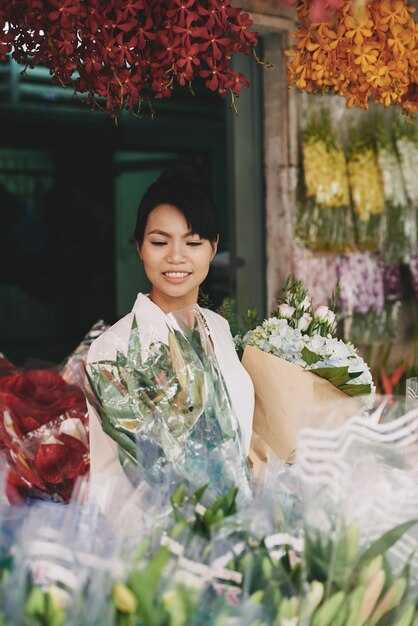
Dress for respect when visiting Hanoi temples: wear long pants or knee-length skirts and cover your shoulders. Choose breathable fabrics for the weather, and carry a light scarf for indoor spaces. Remove shoes before entering most pagodas and monasteries; wear socks to protect feet. Bright logos and athletic wear can distract others, so keep outfits simple to maintain calm around the sacred spaces.
Greet locals with xin chao and a warm smile. A handshake is common with adults; with elders or monks, a gentle nod or slight bow complements the gesture. When addressing officials or teachers, use titles until invited to use first names. If you travel with western companions, follow local cues and avoid loud behavior. This approach helps complement respectful interaction.
Temple protocol: Three quick checks help you stay in harmony with practices. 1) Dress modestly as above. 2) Remove shoes before stepping onto prayer spaces. 3) Speak softly, avoid pointing feet at altars, and keep phones silent. Do not touch statues unless invited; photography is allowed only where signs permit. Walk slowly, observe queue lines, and let monks lead when they appear. Children should stay close with guardians; this consideration fosters a calm environment that they can enjoy as well.
Planning and logistics: Ask your hotel to book a local guide who can deliver a respectful route around major temples. A guide named joseph can tailor a programme to your group and cover three stops. If you travel with unis or family groups, choose options that fit the size and pace; many packages include gentle routes, rest stops, and time for questions. Sharing these experiences with members of your group makes everything feel united and supports authentic hospitality.
Culture and etiquette notes: You can discover local customs by asking with curiosity and listening attentively. Everyone appreciates polite behavior, and staff around sites will point out what to do or avoid. Keep in mind that they elicit a calm, reflective mood at sacred spaces, so speak softly and move respectfully along the path. Remember to avoid flash photography near altars and to dress for the season and climate as it shifts with the months.
Getting Around: Grab, Bus, and Walking Tips for Hanoi Streets
Use Grab for fast, reliable rides from your hotel to the Old Quarter. When you chose a ride, compare Car and Motorbike options in the app to save time; keep wi-fi on to share ETA and verify your current location. Your driver will usually welcome clear directions in English, and the map shows the route as you pass through central lanes toward cathedral squares and other main sights. Added tip: set a pickup point a few meters ahead to avoid delays in crowded streets. Different neighbourhoods have designs that favour cars or pedestrians, so pick the option that fits your pace and save some time. The world outside your door can feel liberation as you move between blocks, and the route often arrives perfectly at your chosen spot.
Public buses cover central routes at a tiny cost. Typical fares range from 3,000 to 8,000 VND per ride, and travel times run 25–40 minutes depending on traffic. Start at the main stops around the Hoan Kiem area; some corridors pass by the cathedral and busy markets. Check the источник for live updates on routes, and use the centre signs in english or chinese to confirm the line. If you’re near a campus district, several lines cross that area and stop near the main gates. Buses can be crowded, so carry light clothing and water to stay well-being during a hot day; this option has been a staple for locals who value affordability and reliability.
Walking lets you soak in charming street life and shortcut paths that cars can’t take. Plan routes along common streets near the lake, the cathedral area, and other central blocks; you’ll find amenities like coffee shops, water kiosks, and free wi-fi along the way. Wear comfortable shoes, stay alert for jaywalkers, and cross at crosswalks with signals. whenever you need a break, head to a courtyard or cafe to recharge, or head to a hotel pool terrace for shade. If you want to reach a university campus, you can enter through the main gates and follow pedestrian paths into the centre.
Practical options by distance
| Mode | Typical Cost (VND) | Approx. Time | Opmerkingen |
|---|---|---|---|
| Grab | 50,000–120,000 | 10–25 min (central routes) | Door-to-door; motorcycle option saves time in traffic; enable wi-fi to share ETA |
| Bus | 3,000–8,000 | 25–40 min | Cheapest; use main stops; check источник for live route updates; watch crowding at peak hours |
| Wandelen | Gratis | 15–60 min | Great for short hops; stick to main streets; wear comfortable shoes |
With these options, you’ll shape your current plan to fit your goals, while staying flexible. The centre of Hanoi rewards thoughtful choices, and a mix of Grab, bus, and on-foot steps helps you discover both charm and practicality on your path through the city.
Markets & Crafts: Where to Shop for Local Goods
Visit Dong Xuan Market first to get a direct feel of vietnams this market scene and what you can buy; it helps you make quick judgments about selection, price points, and the people around you. This article focuses on goals for practical shopping and cultural insight.
Within the aisles you encounter a subtle mix of textiles, lacquerware, ceramic dishes, bamboo baskets, coffee beans, and street-food snacks. The selection mirrors vietnams identity and international tastes, with china-vietnam stalls and Chinese-inspired prints interspersed among Vietnamese crafts. Vendors are approachable; both locals and international visitors negotiate with a smile, creating conditions for fair bargaining. Added value appears in bundled sets, gift wrapping, and quick demonstrations that show how a piece is made.
Beyond the market, dining options wait just steps away, turning a shopping trip into a compact cultural treat. If you need a break, try a bánh mì or bowls of pho, then return with a fresh eye. Some stalls toward the dinh and nearby lanes host small book stalls, while others highlight artisans who were teachers in past careers, sharing techniques and stories as you listen. This mix of people and crafts makes shopping feel personal rather than transactional. Within a short walk you can compare materials and methods, helping you align purchases with your goals and budget. If you stay nearby, several guesthouses offer twin-bedded rooms and are within walking distance to the markets.
What to Buy and How
Look for silk scarves, lacquer bowls and jewelry, ceramic dishes, and handwoven baskets. Choose pieces with clear craftsmanship and proof of origin; practical goods like coffee filters or spice blends travel well. This selection often includes subtle Hanoi motifs that speak to the city’s identity, with options from china-vietnam stalls and Chinese-inspired designs. Carry a small book of phrases to ease bargaining, and ask about provenance and technique. Some vendors are former teachers who enjoy sharing methods, so listen for short demonstrations that reveal glaze or finish details.
Within a few visits you can spot durable pieces that last and fit your dining needs; these items also make thoughtful gifts for friends back home. If you’re visiting with a group, you can sample a few dishes en route and plan for a practical carry-on load.
Practical Tips for Market Visits
Bring cash in small denominations, compare prices across stalls, and avoid rushing to instant purchases if a price seems high. Respect local conditions for bargaining and keep exchanges friendly. Use the added time to explore nearby cafés or dining options that complement your purchases, and consider how your choices contribute to both local livelihoods and your own collection goals.
Offers: Discounts on Tours, Dining & Experiences in Hanoi
Recommendation: Reserve the Hanoi Essentials Bundle to save up to 30% on a curated mix of tours, dining and experiences. The package includes a four-hour Hanoi Old Quarter Walk, a half-day cyclo ride, two meals at partner venues, and a hands-on street-food class. The selection emphasizes quality and comfort, with guides from xiaoyang and dinh ensuring smooth pacing for first-time visitors.
What you get in this country-focused offer
- Tours: up to 30% off on flagship options such as Hanoi Old Quarter Spotlight (4 hours), Temple & Lake Circuit (3 hours), and Hoan Kiem sunset cruise (2 hours).
- Dining: 20–25% off at partner restaurants and street-food stalls; some packages include tasting menus.
- Experiences: cooking class, lantern-making workshop, and pho masterclass, all discounted when booked as part of a package.
Packages includes and additions
- Includes: guided transport, entry fees, and tasting portions; well-being guidelines followed by trained teachers during tours.
- Addition: option to upgrade to a private guide; becomes the default option for groups of four or more.
- Rewards: accumulate points for future bookings; use rewards to offset future tours or dining.
How to follow and redeem
- Follow these steps to book: select a package, apply the discount code shown at checkout, and pick a date.
- Header: check the header area of your confirmation email for the final price and the date window. Footer: note the expiry date of the discount; the voucher is valid for 60 days from issue.
Practical tips
- Midweek bookings often yield the strongest discounts; most popular time slots fill quickly.
- Combineer tochten met dineren om extra beloningen te ontgrendelen; deze combinatie biedt de beste waarde per persoon.
- Bij aanmelding sluit je aan bij een beloningsprogramma en ondersteun je een netwerk van lokale leveranciers en docenten die verhalen delen over de moderniteit en het welzijn van Hanoi.
Bedankt dat u voor deze aanbiedingen heeft gekozen. Wij zetten ons in voor kwaliteit en transparantie, waardoor u er zeker van kunt zijn bij het selecteren van de juiste pakketten voor uw verblijf. Dit artikel is bedoeld om uw reis- en reistempo te ondersteunen, met standaardopties die kunnen worden aangepast aan uw landspecifieke data en interesses. De header volgt de inclusies, terwijl de footer de voorwaarden en vervaldatum bevestigt.
Bovendien beslaan deze partnerschappen jaren en omvatten ze vertrouwde lokale gidsen zoals xiaoyang en dinh om een soepele navigatie door de straten en markten van Hanoi te garanderen, waardoor uw welzijn en cultureel inzicht worden verbeterd.
Reacties