



 Nederlands
  English (UK)
  Русский
  العربية
  日本語
日本語  한국어
한국어  Magyar
  Türkçe
  Español
  Čeština
  Svenska
  Português
  Ελληνικά
  Suomi
Suomi  Română
  Italiano
  Français
  Polski
  Українська
  Deutsch
  简体中文
简体中文  Slovenčina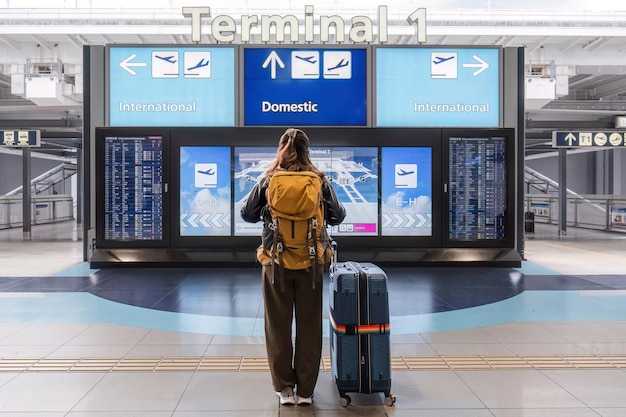

It is advisable to book your official taxi or transfer in advance and confirm by telephone. This simple step avoids long waits at arrivals and secures a fixed price for the passenger heading to Athens, Thessaloniki, or island hubs like Crete or Rhodes. A clear confirmation lets you share the pickup point with companions and keeps your luggage under control as you exit the terminal, making the initial step easily manageable.
Notable airports for visitors are Athens (ATH), Thessaloniki (SKG)en Heraklion (HER). Island gateways such as Santorini (JTR), Mykonos (JMK), Rhodes (RHO), Corfu (CFU), Chania (CHQ), Kos (KGS)en Zakynthos (ZTH) are offering frequent services within a wereldwijd network. Official information desks at these airports provide timetables, terminal guidance, and tips for transfers, simplifying the experience for passenger flow and visitors alike.
Tips for a smooth start include arriving 2–3 hours before international flights and 2 hours for domestic legs. Use the official taxi stands or pre-booked transfers to avoid curb-side negotiations; this verzekert a fixed rate and a space suitable for luggage and strollers. If you fly in with a group, tell the driver your party size to receive the appropriate class of vehicle. Keep your confirmation handy so the pickup is confirmed on arrival, and share the information with your companions to stay coordinated.
For those preferring rail, a train link from central Athens to the airport runs regularly; check the Proastiakos timetable on the official site. From ATH you can reach the city center by train, then switch to a taxi, bus, or metro depending on your destination. This wereldwijd network supports connections to northern Greece and the island gateways, offering visitors flexible, easily navigated itineraries that combine air travel with land links.
Athens International Airport: Terminal overview, lounges, and fastest transit options
Take the Metro Line 3 from Eleftherios Venizelos to central Athens; it’s the fastest route today and the most economical option.
Terminal overview
Eleftherios Venizelos operates a single, streamlined intl terminal with dedicated zones for international and domestic departures that share the same concourse. In addition to fast check‑in desks, clear multilingual signage guides you to the correct wing for your flight, and helpful staff explain which route to take for a smooth transfer. Security screening and arrivals flow are designed for quick movement, with baggage belts located near the central area. The environment is climate controlled, and humidity levels are usually comfortable for long layovers. The terminal offers a mix of shops and eateries that reflect both Greek specialties and global brands, with availability of options varying by time of day. There are family rooms, prayer spaces, and medical assistance points; for serious needs, a hospital nearby provides added support. (источник)
Lounges and fastest transit options
Lounges in the intl zone provide comfortable seating, Wi‑Fi, snacks, showers, and workspaces. Access is possible via day passes, airline status, or lounge programs, and many offerings vary by lounge; tips include checking hours and entry requirements in advance. If you prefer a quieter space, lounges can be a calm addition to a long wait, and you can know which option suits your route by using wingie to compare availability today. There are usually several lounge choices offering good value for intl departures, with common amenities designed for comfort and productivity.
Fast transit options to downtown Athens include the Metro Line 3, which connects directly from the airport rail station; the journey to Syntagma takes about 40 minutes and trains run at regular intervals. The railway service (Proastiakos) also serves the airport and links to central stations, typically taking 35–50 minutes depending on the destination; this option is popular for passengers who want a less crowded ride. The X95 bus provides a lower‑cost, nonstop option to central areas, but travel times can rise to 60–90 minutes during peak traffic. For door‑to‑door speed, a ride‑hailing vehicle remains the easiest choice, with cost and minutes varying by traffic and time of day. Availability of each option changes by hour, so today’s best route may differ; wingie can help you know which route offers the shortest transit time in real time. (источник)
Greek airports for international arrivals: how to navigate customs and immigration
Get through the border checks faster by using the e-Gate if you hold a biometric passport, and keep your passport or ID card, visa (if required), and hotel details ready in a travel wallet.
At major Greek airports, follow the signs for immigration as you exit the aircraft. You’ll see separate queues for EU/Schengen and non–EU travelers; the common approach is to present your passport, answer brief questions about your stay (purpose, duration, accommodation), and then proceed to baggage claim if needed. Expect the process to be smoother in the early morning or mid‑week, with waiting times often shorter in off‑peak periods and a bit longer during the summer rush.
Athens International (ATH) serves most international flights and sits about 27 kilometers from central Athens; a taxi to Syntagma or Monastiraki typically costs around 40–50 euros in daytime, while a ride by the airport metro can add extra time but saves money. Other gateways like Thessaloniki (SKG) and Crete’s Heraklion (HER) offer similar flows, with clear signage and English speakers at the counters. If you fly into Rhodes (RHO), Corfu (CFU), or Kos (KGS), prepare for standard checks and a similar green channel versus red channel option if you have nothing to declare.
Your path after customs
After passport control, pick up bags at the belt if you checked luggage, then exit into the arrivals area where currency desks, SIM vendors, and car‑hire counters sit. If you plan to rent a car, counters are usually in the ground level near the exit; for a city ride, taxi ranks and ride‑hailing pickup points are clearly marked. They also provide information desks if you want to compare options and time estimates for your destination. The area around ATH is well signposted, so you can switch from the gates to the street without confusion, and you’ll find maps and staff ready to help at key junctions.
Within the airport area, consider buying a transit card or single‑ride ticket for rail or bus options; these cards are a value choice for planning where you’ll stay and how you’ll move. If you arrive with a family or a larger group, you can hire a minivan or sedan in advance to keep the ride steps short and predictable, improving affordability and reducing wait times. For arrivals aimed at a beach destination or a specific island, the most common approach is to book a flight, then head straight to your next ride or shuttle that serves the destination from the arrivals zone.
Practical tips for a smoother start at Greek airports
Arrive prepared with your documents in an easily accessible place and know which line to join before you reach the booth; this small planning step saves minutes and reduces stress. If you’re traveling with family, you’ll often find shorter queues if you coordinate who holds the passport and boarding pass. For speed, compare transfer options on the spot: taxi, rideshare, or public transit. A taxi or rideshare is faster in most cases, while transit through the metro or bus can be cheaper if you’re traveling light. Also, if you need data on the go, you can pick up a local SIM or a roaming plan at the arrivals hall to stay connected as you move between terminals and rides.
Flight timing matters: arrivals from Europe usually land around same‑day connections; travelers headed to the islands should account for extra local transfers. In all cases, you’ll have the chance to find a fit between distance, time, and cost, so you can choose a destination‑friendly option that suits your plans and budget.
How to find the best flight deals to Greece: search tricks and price trackers
Begin with direct flights to Athens or Thessaloniki and set price trackers to alert you the moment fares drop. If your dates are flexible, search a 3- to 4-week window and compare ranges across weekdays; midweek departures often save money. Look for options that maximize affordability while enabling you to explore Greece’s attractions, landscapes, history, and beach destinations. Include Patras in your search when there are millions of options, and check how a landing in a different city affects your front-of-trip plans. There, a quick telephone call to the airline’s reservations line can reveal non-public discounts. There are many ways to find deals, and this process makes next plans easier for budget-conscious travelers. Explore options along the coast as well as inland routes to broaden your choices. There are also smaller providers and regional carriers that occasionally offer better rates at certain times of year.
Smart search tricks

- Be flexible with dates; search across a 3–4 week window and compare midweek vs weekend fares.
- Search parallel routes to Athens, Thessaloniki, and Patras to catch cheaper connections and different landings.
- Filter for direct flights when speed matters, then compare with one-stop options for savings.
- Activate price alerts on price trackers; a drop can appear within days of your preferred period.
- Choose wi-fi enabled carriers when you need to work or browse deals during travel, and check for online-only discounts.
- Check ratings and reviews of cheaper options to avoid hidden fees and heavy traffic at airports.
- Look for discount bundles that include baggage or seats, boosting affordability for budget-conscious travelers.
Price trackers and tools
- Google Flights price tracker lets you compare Athens, Thessaloniki, and Patras across dates with a single view.
- Skyscanner, Kayak, and other aggregators show millions of fares and price trends with alerts.
- Join airline newsletters and use provider apps for early-bird offers and discount codes that improve affordability.
- Set up price alerts and use telephone reminders to check for flash sales from budget-conscious carriers.
- Compare total costs by filtering for baggage, seat selection, and other fees to avoid surprises at landing.
Key domestic routes in Greece: top airport connections and smooth transfers
Plan strategically: for every passenger seeking reliable travel, the Athens–Thessaloniki corridor remains the core of domestic routes. Tickets are available online or by phone, and prices vary by season. They can be compared between operators to find the best value; through early booking you secure comfortable seats and easy travel for the entire family. The constantakopoulos network sometimes bundles service across regional flights, offering rides and coordinated transfers from town centers with shuttles and other vehicles. If you travel with kalamata or other towns, you’ll find frequent connections that minimize transfers; lost ticket issues can be resolved at the counter or via staff on the phone, and arrivals information is posted clearly at every gate. This corridor serves as the anchor for exploring landscapes and attractions around the capital and beyond; plan your movements to share time between the two biggest hubs and to enjoy well-lit facilities and quick security lines. Prices and times adapt to season, so plan ahead and check arrivals boards to avoid surprises, and use this corridor as your baseline when you evaluate other legs such as Heraklion, Chania, or Rhodes. You can also plan multi-stop trips through these routes to maximize value. For sports fans, these routes help reach events quickly and comfortably.
Athens–Thessaloniki corridor: the backbone of domestic travel
Flight times: typically 50–60 minutes; departures run from early morning to late evening, with multiple daily options. Prices range widely but are often affordable when you book 2–6 weeks ahead; tickets booked via the airline app or official site offer easy check-in, and you can pay with cards, wallets, or mobile payments. Arrivals are well marked; facilities and features such as lounges, cafeterias, luggage services, and clean restrooms support smooth transitions. These airports also provide questions desks and lost luggage support to assist you quickly. If you plan connections, use the same transit options to reach your next destination, and consider a through-ticket that covers both legs to simplify travel for you and they traveling with gear. Kalamata can serve as a practical side base when you want to extend a southern Greece visit.
Crete and regional routes: Heraklion, Chania, and beyond
From ATH you can reach Heraklion (HER) and Chania (CHQ) in about 40–50 minutes, with several daily flights; seasonal services link to Rhodes and other Aegean towns, making it easy to plan multi-stop trips and explore landscapes and attractions. Ticket prices stay reasonable when you book early, and many flights include a carry-on and a personal item; available seats are shown in the app or on the airline site, and you can ask questions at the information desks. On arrival, facilities such as car rental counters, shops, and transport options from the terminal streamline transfers; for travelers chasing landscapes and attractions such as ancient sites or coastal towns, these routes enable quick rides and flexible plans. If you encounter a lost or delayed flight, contact the airport phone for real-time updates; for sports fans visiting a weekend event in Crete, the direct connections save time and keep your travel on schedule and comfortable throughout your trip.
Book Bus Tickets to Kalamata: routes from Athens, Patras, and major hubs
Book your kalamata bus ahead to secure a comfortable seat and an easy price. Direct routes from athens take about 3 hours and travel through the Peloponnese corridor, with several daily departures in peak season. Tickets are easy to buy online or at the main Athens intercity bus terminal, and you’ll receive a confirmation right away. If you want flexibility, compare discount fares and choose a through option that matches your schedule. In general, these routes offer ranges of times, so you can pick what fits best.
From Athens, direct services head to kalamata, often via Corinth and the Peloponnese highway. The ride lasts about 3 hours, with departures frequently throughout the day, especially in summer. Tickets are easy to buy online or at the main Athens intercity bus terminal, and you’ll receive a confirmation right away. For visitors who want a smoother transit, choose a coach with wi-fi and comfortable seating; many newer buses offer useful amenities. Check departure times ahead to match your plan and keep options flexible if weather or traffic impact schedules.
From Patras, direct Kalamata buses operate daily and take roughly 2.5 hours. Tickets can be bought at Patras central bus station or online, with discount fares available in off-peak periods. These trips often pass through coastal scenery, making the ride pleasant for beach lovers. If you need flexibility, opt for a through ticket that covers both legs with a single confirmation.
From other hubs such as Corinth, Tripoli, and Sparta, you typically transfer in Patras or at a central Peloponnese interchange. Look for through tickets that cover the Kalamata leg with one confirmation. Schedules from these hubs align with daylight and evening wants, so you can plan a comfortable transfer with minimal waiting.
Once in kalamata, exploration starts with the seafront and nearby beaches; the bus network provides easy transit to popular waterfront spots. If you want to explore the area, check whether your accommodation offers a shuttle or use local transit to reach the coast. For saving, combine discount transport options that cover city routes and regional links. Keep your tickets handy, and store the confirmation email or SMS; this helps address any issue with the driver. The impact of a well-timed ticket can be strong in peak season.
On-arrival tips: ground transport from Greek airports to Kalamata and city centers
Book a taxi from the arrivals hall for Kalamata; it’s the fastest, door-to-door option and avoids waiting for schedules. A pickup from Kalamata Airport (KLX) to the city center takes about 15–25 minutes, giving you a seamless start to your trip.
Rental desks in arrivals provide vehicles from major brands, with on-site parking and quick pickup. Look for counters in the arrivals area, and consider pre-booking online to speed up the process and ensure your preferred vehicle is ready without waiting in line.
Public transport offers a budget-friendly path for travelers with time to spare: long-distance buses connect Athens and Thessaloniki to Kalamata. Tickets are usually available at desks or online, and prices vary by route. From ATH you’ll typically spend 3.5–4.5 hours on a bus; from SKG the trip is longer, often 6.5–7.5 hours. During layovers or tight schedules, weigh the time needed against the saving, especially if you’re traveling with luggage or kids.
| Luchthaven | Best ground options to Kalamata / City Center | Typische duur | Price range (approx.) | Tickets / booking | Opmerkingen |
|---|---|---|---|---|---|
| ATH – Athens International | Taxi; Rental car; Long-distance bus via KTEL | Taxi: 3.5–4.5 hours; Bus: 3.5–4.5 hours; Rental: 3.5–4 hours | Taxi: €230–€320; Bus: €40–€50; Rental: €25–€60/day | Tickets for bus can be bought at the desk or online; rental desks are in arrivals | Most flexible for city center access; airport facilities include lounges, shops, and information desks |
| SKG – Thessaloniki | Taxi; Rental car; Long-distance bus via KTEL | Taxi: 4.5–6 hours; Bus: 6.5–7.5 hours; Rental: 4.5–6 hours | Taxi: €320–€420; Bus: €60–€90; Rental: €25–€60/day | Ticket desks or online booking for bus; on-site rental counters | No direct rail link to Kalamata; best to route through ATH or use road transport |
| KLX – Kalamata Airport | Taxi; Local bus; Rental car; Parking facilities | Taxi: 15–25 minutes; Bus: 20–40 minutes; Rental: 15–25 minutes | Taxi: €15–€25; Bus: €2–€4; Rental: €25–€40/day | On-site taxi rank and rental desks; local bus services from airport to city | Best base for quick arrivals; parking available around the airport and in the city center |
| CHQ – Chania | No direct ground link to Kalamata; transfer via ATH or KLX | Flight to ATH/KLX plus ground transfer | Variable (primarily dependent on onward transport) | Combine with bus or rental after arriving in ATH or KLX | Chania has no dedicated Kalamata-bound ground service; plan a two-leg route |
| CFU – Corfu | No direct ground link to Kalamata; transfer via ATH or KLX | Flight to ATH/KLX plus ground transfer | Variabele | Book via airport desks or online for the connecting leg | Corfu arrivals typically require a connection in Athens or Thessaloniki for Kalamata access |
Travelers usually prefer a direct taxi from KLX for a faster first leg, while others look for rental cars to explore the Peloponnese without waiting for schedules. If you have late arrivals or long layovers, consider scheduling a taxi or rental in advance to ensure a smooth handoff, as waiting lines can be longer after midnight or during peak periods. At arrivals, check the support desk for tickets and up-to-date information on local facilities and parking options, and verify which vehicles are available to avoid delays.
Reacties