



 Nederlands
  English (UK)
  Русский
  العربية
  日本語
日本語  한국어
한국어  Magyar
  Türkçe
  Español
  Čeština
  Svenska
  Português
  Ελληνικά
  Suomi
Suomi  Română
  Italiano
  Français
  Polski
  Українська
  Deutsch
  简体中文
简体中文  Slovenčina
 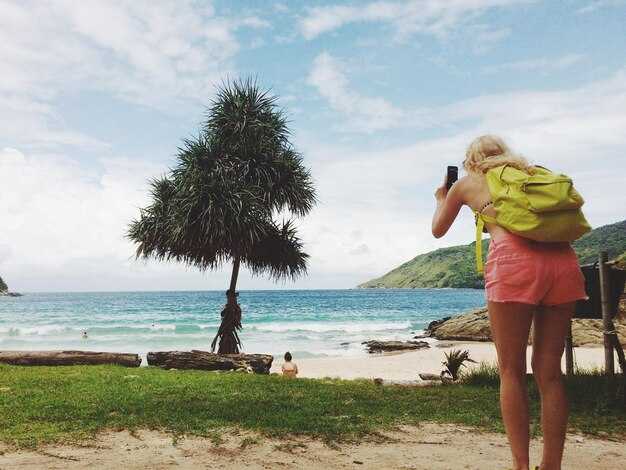 Easter Island Travel Essentials – What to Know Before You Go">

Rent a reliable compact SUV and reserve it four weeks ahead to cover Anakena Beach with white sand, Poike, and the Rano Raraku area at sunrise. The island’s earth and rugged roads can be difficult, so the vehicle keeps you in the rythm of the day and avoids missing light that makes those visits worthwhile.
Set a realistic amount aside for guided visits and park entries; most visitors budget about 100-150 dollars per person per day for lodging, meals, and tours, depending on season.
english-speaking guides commonly lead day visits to Poike, Rano Raraku, and Ahu Akivi. Book at least two weeks ahead to secure slots; locals speak English and the dialect is friendly–mostly smiles from those behind the counter.
For planning, use google Maps to plot routes between Hanga Roa and the quarry; note filming rules at archeological sites and ask permission before drones or wide-angle filming near skull sculptures. This article provides a practical outline for those visits that avoid fluff.
Those arriving from the marquesas will face long connections via Tahiti or Santiago; plan a return ticket and build in a buffer day for possible delays, since flights are irregular and the island is far from other Polynesian hubs.
This article helps you plan a concise, practical itinerary that balances visits with rest, photography, and respectful engagement with island communities.
Easter Island Travel: What to Know Before You Go
Private guides who speak the local language will help you interpret the carvings and understand the archaeological context behind them. They turn the visit into a respectful, culturally aware experience and supports responsible travel. Remember to check the official website for current accessibility, hours, and whats available on tours, and plan around the dry month to minimize rain. Locals told us that each site features stories handed down over generations, so take your time with what you see and speak softly to them.
Plan and stay smart
Choose hotels in lesser-visited areas yet within easy reach of main sites, balancing privacy with access. The least crowded times tend to fall in the shoulder season, but you must still book guides and private transport in advance. The rapa islet and northern coast offer unique viewpoints, but trails over lava fields can be slippery and turned rugged after rain. Always remember safety and respect local customs; note crime is not common, but petty theft can occur in busy spots, so keep valuables secure and use a private bag or hotel safe.
Practical travel notes
Behind fences, you will see archaeological features and carvings that deserve respect; stay on marked paths and do not touch hole openings. When you speak with guardians and locals, you learn the common history of the islet and the rapa people. Support stays in privately run hotels or guesthouses, and avoid relying solely on large chains. Whats available on the website helps you plan, but you should also connect with a licensed guide to ensure accurate context behind each carving and sculpture. Each feature tells a story.
What are the entry requirements and park permits for Easter Island?
Get your Rapa Nui National Park permit online or at the airport on arrival, and confirm open hours with the government before you travel. Keep a printed copy and carry your passport so staff can verify international eligibility.
american and other international travelers should verify visa requirements with their consulate; on arrival in Easter Island you present your passport and comply with Chilean immigration controls. Keep in mind that the island sits under Chile’s jurisdiction, and entry rules differ by nationality.
The park permit is issued by CONAF (the Chilean government) and is required to visit the main ceremonial sites. Pay the fee at the airport or port desk; the permit helps fund thousands of hours of conservation work, protection of motu around the south coast, and safeguarding the oldest ceremonial centers. If you plan to hire a guide, choose a certified guide and double-check the official list before you go.
In the park, respect rights of local communities and cultural places; many sites are sacred to polynesian communities and include ceremonial platforms and cliffs along the south coast; you’ll see motu remains and rock faces with a hole where ceremonial eyes were set; always stay on designated trails and avoid removing artifacts.
todo: pack a flashlight for low-light spots, double-check park hours, and plan three days to cover main sites. For a taste of local culture, try curanto, a seafood dish with fish and shellfish, often served in town; thousands of visitors share the island each year, and the government keeps corridors open for international explorers while protecting island rights.
When is the best time to visit in terms of weather, crowds, and activities?

Plan to visit in April or May, or September and October, to balance pleasant weather, lighter crowds, and rich activity options. Mostly, shoulder seasons offer calmer beaches, easier bookings, and better value on accommodations and tours. In a given month you can tailor a plan that matches your pace and interests.
The island, located in the southeastern Pacific, sits about 3,700 km from Chile and requires a long flight. Daytime temperatures hover in the low to mid 20s C, with cooler evenings; bring a light jacket. White sand at Anakena Beach and palm trees provide a sunny contrast to the island’s dark lava terrain, inviting a relaxing afternoon after a morning hike. The season can turn toward drier skies after mid-year, bringing more sun for island exploration.
Mostly, crowds peak during the yearly Tapati festival in February, when dancing, crafts shows, and a competition of traditional skills fill the streets. If you want to avoid this surge, plan to visit in late April–May or late September–October, when reservations are easier and local service remains reliable. Passengers arriving by air or cruise ships often schedule extra time for airport transfers and park entry. Then you can pace activities to avoid long lines at major sites like the moai statues and Ahu platforms.
To maximize activities, take guided talks about the moai statues and the Rano Raraku quarry, which reveals centuries of carving history. The show of talent during the Tapati festival reflects marquesas influences, and you may catch a night moon-lit performance at a coastal venue. A short hike to a ceremonial site offers views over a tree-lined coast and the crater lake. Taking these chats with a local guide helps you interpret the symbols without needing a language translator. Guides will talk about symbols and stories. If you need extra language help, guides can translate on the spot.
Getting around works best with a vehicle; rent a vehicle or join a local tour, then pick routes that cover Ahu Tongariki, Orongo, and Anakena. The service on the island is generally reliable in main towns, and many guesthouses offer shuttle options and guided transfers. Incredibly, you can combine snorkeling, hiking, and stargazing as the full moon climbs over the sea. If you stay a month, you can spread activities and rest days to avoid fatigue.
For history buffs, you can perouse expedition logs and museum exhibits that reference early contacts, including accounts from La Pérouse. The moai statues stand as a testament to centuries of planning and quarrying, and a night show can bring local legends to life for curious travelers. The island’s language is bilingual in tourist areas, with Spanish and Rapa Nui widely used by guides; picking up a few phrases helps conversations with residents and vendors. Passengers who hire local guides often gain deeper insight into the festival’s meanings and the roles of trees, water, and astronomy in ancestral rituals.
How do you get to Easter Island and what are common flight routes?
Book a nonstop flight from santiago to IPC when possible. LATAM introduced this link in recent years, delivering a roughly 6.5-hour hop that avoids the hassle of multiple connections and the traffic at busy hubs.
If nonstop options are full, choose a 1-stop pattern rather than a direct link; stopping in LIM or another hub is common. These types of itineraries can be efficient if you plan ahead and you are able to find favorable layovers. It can be hard to land a seat during peak season.
Rapa Nui sits in a location placed far from chile’s mainland, roughly 3,700 km west of the coast. The standard pattern remains SCL-IPC nonstop, and many travelers do this when seats are available; others connect through LIM or another Pacific hub.
For broader Polynesian loops, some travelers add tahiti or mangareva as stopping points before heading to IPC. Such options open up different types of tickets, but they add time and hassle.
On the ground, you can walk from the airport to lodging, and the site around Hanga Roa features archaeological monuments. Surfing is possible on several coastlines, so check local conditions before heading out. If you want to balance cost and comfort, consider open tickets or multi-city plans; security and boarding are well controlled, and you’ll be able to back to santiago in a full, straightforward way.
Where to stay on Rapa Nui: lodging options and booking tips
Stay in Hanga Roa at a certified property with english-speaking staff to avoid miscommunications and to access reliable tours from the start. This approach supports smooth planning and makes whats ahead easier to manage, especially if you’re arriving from the mainland.
Lodging options
- Hangaroa Eco Village & Spa – certified luxury on the western coast, with ocean views, an on-site spa, three restaurants, and well-trained staff. It’s a solid pick for those who want comfort after long travel and prefer all-inclusive arrangements plus guided excursions.
- Explora Rapa Nui – a high-end option offering all-inclusive stays with private itineraries and English-speaking guides. Great for travelers who value curated experiences and a seamless daily routine.
- Mid-range hotels and guesthouses in Hanga Roa – characterful, locally run places that offer breakfast, wifi, and easy access to shops and walkable routes to the harbor and main beach. These properties tend to be more affordable and largely family-owned, with a personal touch that lasts decades.
- Private rentals and casas particulares – ideal for planning a longer stay or traveling with a group. You’ll find full kitchens, laundry facilities, and the chance to live like a local while paying significantly less per night than top resorts.
- Camping and eco-lodges near the coast – for adventurous travelers who want to keep costs down and enjoy a simple setup close to coral reefs and beach access. These options typically require advance booking and offer basic facilities.
Booking tips
- Plan early, especially for yearly peak periods. If you’re traveling mon-fri or around holidays, secure your stay at least six months ahead to lock in the best rates and availability.
- Use certified operators or official listings from a guidebook to avoid overpaying and to ensure accurate information on room types, breakfast options, and tours. English-speaking staff can simplify arranging transfers and excursions.
- From the mainland, most travelers fly via Santiago or valparaíso before connecting to Easter Island. Confirm transfer times and airport pickup when you book, so you’re not waiting with luggage after a long flight.
- Ask about what’s included in the rate (breakfast, tours, airport transfers) and confirm cancellation terms. A flexible policy matters more on a remote island where weather or flight delays can require adjustments.
- Check walking distance to town centers, beaches, and the main archaeological sites. A short walk often reduces transport costs and increases your daily exploration time.
- Look for properties that support easy access to the main road and southern beaches; western viewpoints and black-sand shores are popular, but travel times can add up if you’re far inland.
- Ask about gear storage if you’re carrying trekking or diving equipment; some rooms offer secure spaces for your gear, which is helpful when you want to explore multiple days in a row.
- For a more authentic experience, consider staying at a smaller guesthouse for a few nights and then swapping to a larger resort for a couple of nights. This mix gives you both intimacy and convenience and is a common approach that has worked for decades.
- What’s useful in planning is to note that a million stars can appear over the island at night, so choose a lodging with a dark-sky policy or a comfortable viewing area if you’re keen on astronomy during clear skies.
- If you need remote support during your stay, pick a property that can coordinate with local guides, shops, and transport operators; this typically increases your odds of a smooth, well-supported trip.
How to get around the island: transportation options and travel times
Rent a compact car or a reliable scooter for the best balance of flexibility, cost, and safety. This four-option approach lets you explore the north, the southern bays, and the eastern crater line on your own schedule and rhythm.
- Autoverhuur – Most convenient for a weeklong stay. Typical daily rates range from 60 to 90 dollars for a small car, 90 to 120 dollars for a 4×4. Book in advance during peak season, and expect to pay a bit more for insurance and pickup at the harbor. Fuel prices stay economical, and you can plan exact site visits without waiting for a guided line. A car supports visits to Rano Raraku, Orongo, Ahu Tongariki, and Anakena with comfort and speed.
- Scooter or motorbike – A leaner option for solo travelers or couples. Expect 25 to 40 dollars per day, plus fuel. Scooters handle the island’s light traffic well; use protective gear, stay on paved roads, and limit rides after dark. This choice creates a relaxed leaves-of-shore rhythm while chasing four or five site visits in a day.
- Guided tours and private drivers – Ideal for efficient sighting of key sites with local context. Half-day tours run about 4–5 hours and cost roughly 60–100 dollars per person; private drivers for a 4-hour segment typically charge 120–180 dollars. Guides often provide insights on the symbolic moai, the crater line, and the island’s earth history, plus help with timings to catch sunsets near Motu Nui or the northern coast.
- Taxis and arranged shuttles – Useful for short hops or when travel times tighten. Rides within Hanga Roa usually range from 5 to 12 dollars; longer hops to Craters, Puna Pau, or Anakena can be 15–25 dollars. Request a pickup through your hotel or a local shop to secure a reliable line of service.
Major sites and typical drive times from Hanga Roa (approximate and weather-dependent): Orongo Crater with Rano Kau, 8–14 km, 15–25 minutes by car; Rano Raraku Quarry, 18–22 km, 25–35 minutes; Ahu Tongariki, 28–34 km, 35–45 minutes; Anakena Beach, 12–17 km, 25–35 minutes. A full loop around the coast covers roughly 64 km, easily doable in a day with a relaxed pace. Offshore, you may spot tiny islet features such as Motu Nui or Motu Iti on clear days, a reminder of the island’s rich coastal identity.
Practical notes: check vaccinations with a medical professional before travel; routine immunizations are usually advised, and there are no mandatory shots specific to the island. Carry protective sun gear, a reusable water bottle, and a portable GPS or offline map to keep your excursions precise. Shops near the harbor and in town provide fuel, snacks, and souvenirs, so you can pick up essentials without breaking your momentum. If your itinerary includes Mangareva as part of a broader Pacific route, plan separate flights and ports; this island cluster offers abundant experiences, but travel times between atolls vary by air and sea conditions.
What to pack: clothing, gear, and practical reminders
Pack four versatile outfits that layer well for variable conditions. Start with a breathable base layer, a quick-dry T-shirt, a light fleece, and a compact rain shell. Add lightweight long pants for cool mornings and sun protection, plus quick-dry shorts for beach days. Include a wide-brim hat and UV sunglasses to cope with strong sun reflecting off basalt shores. That four-outfit approach is a simple idea to stay flexible.
Footwear and wearability: bring sturdy sneakers for coastal trails and archeological sites, waterproof sandals for beach days, and a lightweight pair of socks with ventilation. Carry a compact towel, a rain cover for your daypack, and a small umbrella if you prefer. For comfort in modern travel, choose breathable fabrics and rotate shoes to reduce odor.
Gear and practicals: reef-safe sunscreen, lip balm, insect repellent, personal medications, and a basic first-aid kit. Pack a compact headlamp or flashlight, a power bank, charging cables, and a universal adapter. For your devices, a compact power bank supports modern smartphone use. Carry a reusable water bottle and consider a small water filter if you expect remote stays. Check whats allowed on hikes and boat trips. You will receive weather updates and safety reminders from your host.
Documents and logistics: passport and copies, travel insurance, hotel confirmations, and a simple itinerary. Bring a guidebook with local maps and emergency contacts. On arrival, a taxi can deliver you quickly to your lodging; the captain of boat trips often takes a safety briefing and weather update before departure.
Food, culture, and tips: plan meals around local specialties like curanto. If you sample a local dish, order curanto or baked seafood at a sea-side restaurant. For a quirky nod to culture, you may hear about ovahe on menus or in stories from locals. When you face rising heat and wind, do a short climb toward the highest point, Terevaka, to enjoy pretty scenic views of the coastline. A day trip from Santiago connects you to archeological sites and scenic coastlines.
Seasonal planning and pacing: seasonal planning helps because growing tourist numbers mean increased check-ins and queue times at popular eateries; book meals and tours in advance, and check the forecast daily. Easter Island sees two main seasons with distinct conditions; pack for warm, humid days and cooler evenings. Look after your belongings, and use the local language to ask whats open during your stay; compared with other destinations, Easter Island offers unique archeological experiences and pretty dramatic views when conditions permit.
Money, connectivity, safety, and local etiquette on the island
Carry cash and a certified card for most purchases; book flights and a certified guide for any trek to craters and carvings. Plan to spend much per day on meals, guided tours, and transport; in remote areas times of the day can affect shop hours, and some vendors have ceased card payments after siesta. When you land, items are transported by local teams to your lodging, so pack light and secure valuables.
Connectivity in Hanga Roa is reliable in hotels, but signal can be patchy in northern and coastal areas. theres a practical option: buy a local chileans SIM or eSIM to stay connected, and you’ll be taking photos and sharing whats happening with friends and family as you explore famous sites and coastal rookeries. For planning, download maps for offline use and consider a data plan with enough allowance to cover a short trek or a day full of coastal discoveries.
Safety comes first on rugged paths and near the coast. Stay on marked routes for crater rims and ceremonial sites, and hire certified guides for remote treks to avoid unstable ground. Be mindful of strong currents when taking a dip near fish markets or shorelines; keep valuables secured and avoid leaving belongings unattended at bus stops or beaches. Respect wildlife by keeping distance from animals and refraining from feeding seabirds, and bring a windbreaker for the cold mornings that often accompany ocean views along the famous northern coast.
Etiquette reflects a traditional respect for heritage and community. Chileans and local residents appreciate modest dress around sacred sites, calm interaction in markets, and asking before photographing people. Never touch carvings or ruins, and follow posted signs in heritage areas to honor the culture behind the carvings and craters. Support local artisans by buying directly from them and tip guides when service is solid. If you’re hoping for authentic insights, engage with families about whats around the island and the stories behind each area–theres plenty of knowledge to share, and your awareness makes the experience richer.
| Aspect | Practical tip |
|---|---|
| Geld | Carry cash for small purchases; use certified guides; plan a daily spend of 40–120 USD; some remote areas may ceased card payments after siesta; expect items to be transported to lodging. |
| Connectivity | Wi‑Fi exists in towns, but patchy zones appear in northern/coastal areas; a local chileans SIM or eSIM helps; download maps offline and note where taking photos is convenient. |
| Veiligheid | Stay on marked trails near craters and cliffs; hire certified guides for risky routes; keep valuables secure; be cautious around fish outlets and seas; respect wildlife and cold winds. |
| Etiquette | Dress modestly near sacred sites; ask before photos; don’t touch carvings; support local heritage by buying crafts; discuss whats around the island with locals; remember theres a long tradition behind every site. |
Reacties