The Role of Queer Photobooks in Cultural Representation
Introduction to Queer Photobooks
Photobooks offer intimate visual stories, inviting readers to explore narratives in a personal way. They create a hands-on experience that fosters a direct connection between you and the art. The Kusuma Gallery, located within the Photography Centre, has a browsing library where visitors can stop, think, and really engage with photography.
Highlighting Queer Narratives
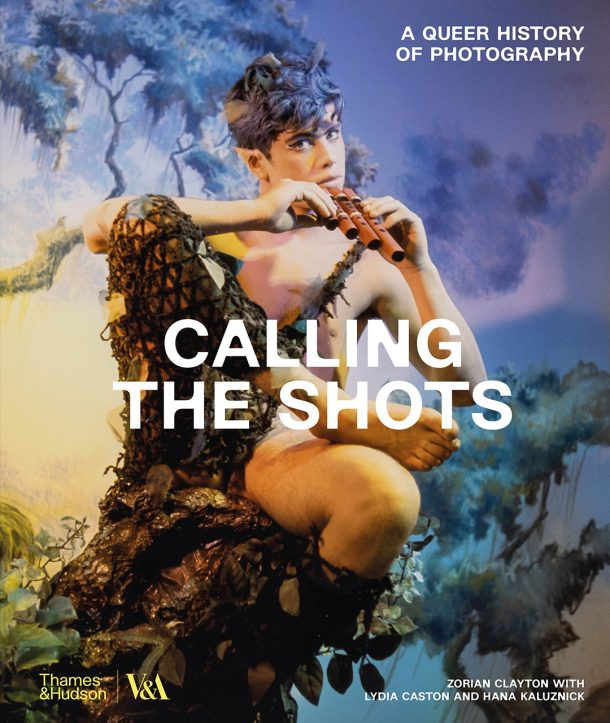
The current exhibition showes a collection of queer photobooks, coinciding with the launch of *Calling the Shots: A Queer History of Photography*. This book examines the V&A’s photography collection, revealing the influence LGBTQIA+ artists have had on the medium since the 1830s. The 15 photobooks on display offer a way to see the evolution of queer representation, challenging norms and examining the environments that shape queer experiences.
Intriguing Examples from the Collection
Among the highlighted works, *Prospect Cottage* by Gilbert McCarragher offers a look into the home of artist and activist Derek Jarman. This residence, shared with Keith Collins, is proof that queer art transcends mere representation, encapsulating the spaces that hold queer histories and the love documented within them. Another compelling entry, *Casa Susanna*, presents portraits of transgender women and cross-dressers from the 1950s and 60s, showing moments of unity during a time of societal repression.
Body and Identity in Photography
In *the beauty & the boys*, Martin de Crignis reinterprets the classical male nude by placing subjects in domestic settings, blending everyday life with the art form. *Queer Tattoo* shows how individuals within the LGBTQIA+ community use body art as a personal expression and a means to reclaim narratives concerning their identities.
Innovative Perspectives in Fashion
Tim Walker’s *Shoot for the Moon* reimagines fashion photography as a surreal journey, featuring iconic personalities like Tilda Swinton and RuPaul. Ardelle Schneider's *Butterflies and Caterpillars* provides a behind-the-scenes look at the modern drag scene in Miami, blending public performances with private insights.
Exploring Personal Journeys
Mahalia Taje Giotto and Whitney Hubbs both use self-portraiture to challenge gender norms. Giotto’s *existential boner* examines the details of their transition through handwritten notes and layered imagery, presenting the messy yet authentic journey of self-discovery. Hubbs' *Say So* plays with traditional femininity through exaggerated self-portraits, provoking thought on societal standards of beauty.
Reflecting Cultural and Global Issues
Vince Aletti’s *The Drawer* transforms a personal collection into a powerful narrative, intermingling ephemera from various cultural realms. Duane Michals's *Portraits* feels like a dialogue with his subjects, revealing truths about identity.
This exhibition also addresses colonialism and conflict. Yuki Kihara’s *Paradise Camp* reconsiders historical narratives through staged photography, drawing from a queer Indigenous point of view. Sitara Thalia Ambrosio’s *Fragile as Glass* sheds light on LGBTQIA+ lives in Ukraine amid ongoing conflict, illustrating resilience and community.
Timeless Impact of Queer Expression
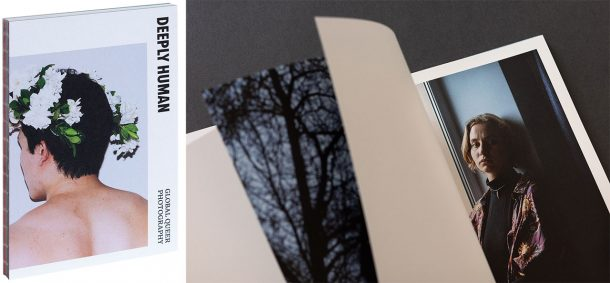
Historical works like Claude Cahun's surrealist self-portraits remain relevant, underscoring that queer expression is at the forefront of artistic innovation. Lastly, *Deeply Human: Global Queer Photography* expands the dialogue beyond borders, celebrating universal queer experiences through diverse artistic lenses.
These photobooks remind us of the presence of LGBTQIA+ individuals and their contributions to artistic expression and cultural understanding. The exhibition in the Photography Centre invites all to engage with these narratives and discover stories that echo across time and identity.
Conclusion
The *Queer Photobooks* exhibition, running in the Kusuma Gallery until May 2025, shows how queer narratives are part of art and culture. Looking at these works enriches one's understanding of diversity but also shows the importance of personal experience.
If you're planning a visit, the Kusuma Gallery is located within the Photography Centre. Factor in extra time to explore the surrounding area, you might find even more.