



 English (UK)
  Русский
  العربية
  日本語
日本語  한국어
한국어  Magyar
  Türkçe
  Español
  Čeština
  Svenska
  Português
  Ελληνικά
  Suomi
Suomi  Nederlands
  Română
  Italiano
  Français
  Polski
  Українська
  Deutsch
  简体中文
简体中文  Slovenčina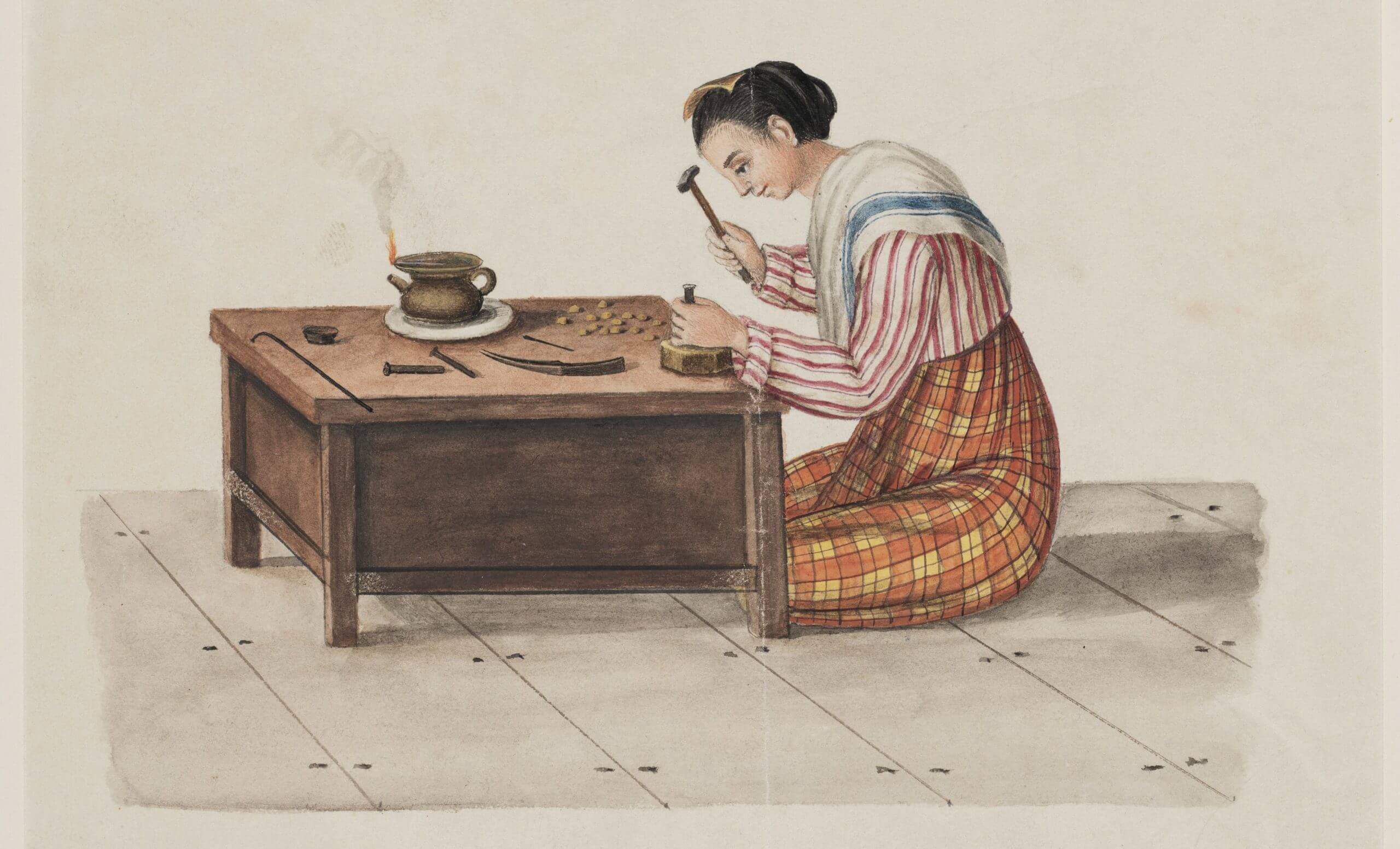

A Glimpse into Early Philippine Watercolours at the V&A
Among the V&A’s extensive collections, a remarkable series of watercolours dating back to the 1840s caught attention for their unique portrayal of Manila’s local life. These early works showcase individuals not just in static costumes but as lively characters, their personalities brought alive in detailed illustrations alongside intriguing Tagalog inscriptions. Originating during the colonial Spanish era, these paintings stand out for their insightful depiction of everyday Filipinos.
Unlocking the Past: Origins and Discovery
The watercolours—some of the earliest acquisitions at the museum—boast provenance that traces back to the Museum of Manufactures in Marlborough House (the V&A’s precursor) in the mid-19th century. The paper used, marked with an 1835 British watermark, helps precisely date the works. What’s more, two complementary sets exist: one on conventional white paper, the other painted with a red ground, both bearing identical inscriptions, underscoring their interconnected narrative.
Tipos del País: Beyond Traditional Costume Studies
The genre of these watercolours aligns with the 19th-century tipos del país, a style that depicted local figures in regional dress for the curiosity of foreigners and textile traders. Typically, such works framed their subjects through a colonial lens, labeling them with Spanish titles that simplified complex identities into fixed socio-ethnic stereotypes.
However, the watercolours under discussion diverge strikingly from this tradition. Their captions, composed mostly in Tagalog, unfold in rhyming verses that voice the inner musings, humor, and daily realities of those portrayed—whether a young man feigning study or a woman lamenting the pressures of her work. This poetic dimension doesn’t just add color; it revives Filipino agency and personhood.
| Aspect | Typical Tipos del País | V&A’s Philippine Watercolours |
|---|---|---|
| Language of Inscriptions | Spanish, categorizing ethnic types | Tagalog, with rhyming verses expressing personality |
| Purpose | Souvenirs or merchant references | Documenting lived experience and humor |
| Artistic Influence | European style, often copied | Blend of native and Western elements |
The Cultural Fusion Evident in the Art
These watercolours are more than simple portraits; they serve as historical records of Manila’s cultural complexity in the 1800s. The British-made paper, Spanish orthography, and hybrid wardrobes highlight a city shaped by multiple influences—an intersection of East and West that reflects the legacies of trade and empire.
Amplifying Voices Through Collaborative Scholarship
Efforts to catalogue and research these works have embraced collaboration between museum departments and external experts. This teamwork has corrected misidentifications—for example, clarifying one figure as a betel-nut seller where earlier records guessed incorrectly—and added translations aided by native speakers. Through inclusion in platforms like Mapping Philippine Material Culture at SOAS, these watercolours have garnered fresh scholarly attention and participatory research, shedding light on the diversity of professions and social roles depicted.
Reframing Narratives and Representation
Such multidisciplinary collaboration enriches our understanding—moving beyond Eurocentric interpretations towards a fuller picture that honours Filipino perspectives. There is a growing interest not only in preserving these artifacts but also in expanding Filipino representation in museums like the V&A, reflecting not just historic Manila but the dynamic Filipino diaspora present in cities such as London today.
Why This Matters for Modern Transfers and Travel
While these watercolours may seem far removed from the world of taxis and transfers, they underscore the importance of cultural depth and local storytelling in every journey we undertake. When travelling, whether by private limousine or city cab, having an exact service that respects and connects with the local landscape improves the overall experience. Booking a transfer means more than getting from point A to B—it offers a chance to engage with destination history and community narratives, much like these watercolours invite us to do with Manila’s past.
Choosing Your Ride with Cultural Awareness
Platforms like GetTransfer.com offer travelers the chance to select vehicles tailored to personal needs, from comfortable seaters to luxurious limousines, all transparently priced and detailed with driver ratings. This clarity helps visitors comfortably navigate foreign cities, appreciating local stories and destinations with ease, and supports a growing trend toward personalized travel that respects both convenience and culture.
Summary and Final Thoughts
The V&A’s collection of 19th-century Philippine watercolours presents a vivid portal into Manila’s past, where art transcends mere depiction and amplifies Filipino voices through playful and insightful rhymes. These works challenge colonial stereotypes and celebrate a culturally rich, hybrid cityscape. The collaborative efforts to document and share these pieces enrich cultural tourism and encourage a more nuanced perspective on history and identity.
In the realm of travel and transfers, such cultural sensitivity reminds us why choosing reliable, transparent services matters—so that every trip carries meaning beyond logistics. Through platforms like GetTransfer.com, travelers enjoy access to an extensive range of vehicles and verified services that reflect respect for destination and heritage, making journeys smoother and more connected to local realities.
Even with the most detailed reviews and honest feedback, nothing compares to experiencing a place firsthand. With GetTransfer.com, users can hire drivers from trusted providers at reasonable prices, empowering them to make informed choices without unnecessary costs or surprises. The benefits are clear: convenience, affordability, and a broad selection of vehicles, all offered transparently to suit any journey.
Book your Ride on GetTransfer.com and enjoy dependable service tailored to your travel needs.
Looking forward, while these historical discoveries may not reshape the global travel map, they enrich our awareness and appreciation of cultural roots everywhere. GetTransfer remains committed to staying informed on cultural developments and accommodating evolving traveler expectations. Start planning your next adventure and secure your worldwide transfer with GetTransfer.
Comments