



 English (UK)
  Русский
  العربية
  日本語
日本語  한국어
한국어  Magyar
  Türkçe
  Español
  Čeština
  Svenska
  Português
  Ελληνικά
  Suomi
Suomi  Nederlands
  Română
  Italiano
  Français
  Polski
  Українська
  Deutsch
  简体中文
简体中文  Slovenčina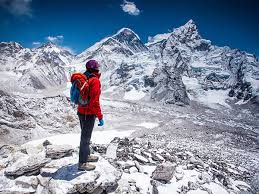

Facing the Everest Challenge: Nepal’s Mountain Clean-Up Plan
Nepal is taking a bold step to tackle the long-standing issue of waste pollution on some of the most iconic peaks in the world, including Mount Everest. Over many years, climbers have contributed to an accumulation of garbage in the high-altitude wilderness, prompting the government to roll out a comprehensive five-year action plan aimed at preserving the pristine beauty and environment of the Himalayas.
Why Limit Climbers?
The heart of Nepal’s strategy involves regulating the number of climbers allowed on the mountains each year. This move comes following a directive from the Nepal Supreme Court, which instructed authorities to issue climbing permits only after setting a clear cap on the number of expeditions. The goal is to minimize overcrowding during the narrow climbing seasons when weather conditions are suitable, thereby reducing environmental strain and ensuring safer ascent experiences.
Key Features of the Mountain Cleanliness Action Plan (2025-2029)
- Climber Quotas: The government will set numerical limits on climbers and regulate expedition timing based on weather windows.
- Waste Management: Introduction of standards for waste classification and management, with teams of experienced mountaineers assigned to monitor and collect refuse, including human remains, above base camps.
- Equipment Tracking: Climbers must inventory and register all their gear when entering and leaving the mountain to ensure no equipment is abandoned.
- Biodegradable Materials Requirement: Prayer flags, banners, and similar items taken above base camps will need to be biodegradable, or else brought back down.
- Innovative Waste Solutions: Feasibility studies on using ropeways and drones to carry out garbage collection above base camps are planned.
- Rope Fixing Controls: Mandating that materials used by rope-fixing teams, like ladders and ropes, must be accounted for and retrieved after the climbing season.
- Base Camp Relocation Study: Considering moving Mount Everest’s Base Camp to reduce environmental impact and congestion.
Tackling Waste Build-up: A High-Altitude Battle
Collecting trash at extreme altitudes isn’t a walk in the park—it’s a monumental task. For example, over 83 metric tonnes of waste were cleared from Everest and neighbouring peaks during a single spring season recently. This includes everything from discarded tents and oxygen canisters to human waste, all of which pose serious threats to the fragile mountain ecosystem.
To tackle this, teams of trained mountaineers will be charged with continuous waste monitoring and collection, ensuring that the mountains are not just cleaned up, but kept clean year after year. The focus on biodegradable materials also reflects a new understanding of how small changes in equipment and practices can have a huge environmental impact.
Implications for Travelers and Transfer Services
For those thinking of climbing or trekking in Nepal, these regulations may affect how and when trips are planned. With limited climbing permits and stricter gear monitoring, climbers will need to be more precise in their preparations and bookings. This presents an excellent opportunity to use platforms like GetTransfer.com, which allow travelers to choose the specific vehicle type for transfers and view detailed information about drivers and services.
Efficient and transparent transfer services will become even more valuable as access to mountain regions gets carefully managed. Whether travelers are heading from the airport to Kathmandu, or making their way towards the base camps, booking exact, reliable rides with well-vetted drivers will enhance the safety and comfort of their journey.
Highlights and Final Thoughts
Setting climber limits to protect the Himalayas is a significant step in preserving these majestic mountains for future generations. While statistics on waste collected and legal steps taken provide a broad understanding, nothing beats experiencing the mountains firsthand. The realities of climbing at high altitudes and dealing with environmental challenges can only be fully appreciated from personal adventure.
Thanks to GetTransfer.com, travelers can hire cars with drivers from verified providers at competitive prices, ensuring convenient and affordable transport solutions. The platform’s extensive vehicle options and clear fare details help adventurers and tourists alike avoid unexpected costs or hassles, making the trip smoother from the airport to their mountain destination. GetTransfer.com perfectly aligns with the theme of sustainable and well-planned travel to Nepal’s iconic landscapes. Book now, GetTransfer.com.
Looking Ahead: Travel and Tourism Impact
Globally, Nepal’s initiative may not reshape the entire travel map overnight, but it signals a growing priority towards sustainable tourism and responsible adventure. For companies like GetTransfer, this underlines the importance of adapting services to evolving travel policies and supporting travelers in navigating new regulations seamlessly. For those planning their next adventure, this development is a reminder to plan wisely and choose reliable transfer and taxi services.
Start planning your next adventure and secure your worldwide transfer with GetTransfer.
Summary
In summary, Nepal’s new five-year plan to regulate climber numbers and manage waste on the Himalayan peaks represents a major stride in environmental preservation. With strict waste management policies, gear registration, and innovative plans like drone usage, the local government aims to keep these mountains clean and accessible, but not overcrowded. This impacts travel logistics, increasing the need for precise and reliable transport services both to and within Nepal’s mountainous regions.
Platforms like GetTransfer.com offer travelers the ability to book taxi and transfer rides with transparency, knowing the make, model, and rating of the vehicle beforehand. This builds trust in the journey to Nepal’s famed destinations, from the airport arrivals to the foothills of Everest and beyond. With the right planning and the best transfer service, visitors can enjoy the adventure without worries over transport or unexpected charges—truly the best way to experience the Himalayas.
Comments