



 English (UK)
  Русский
  العربية
  日本語
日本語  한국어
한국어  Magyar
  Türkçe
  Español
  Čeština
  Svenska
  Português
  Ελληνικά
  Suomi
Suomi  Nederlands
  Română
  Italiano
  Français
  Polski
  Українська
  Deutsch
  简体中文
简体中文  Slovenčina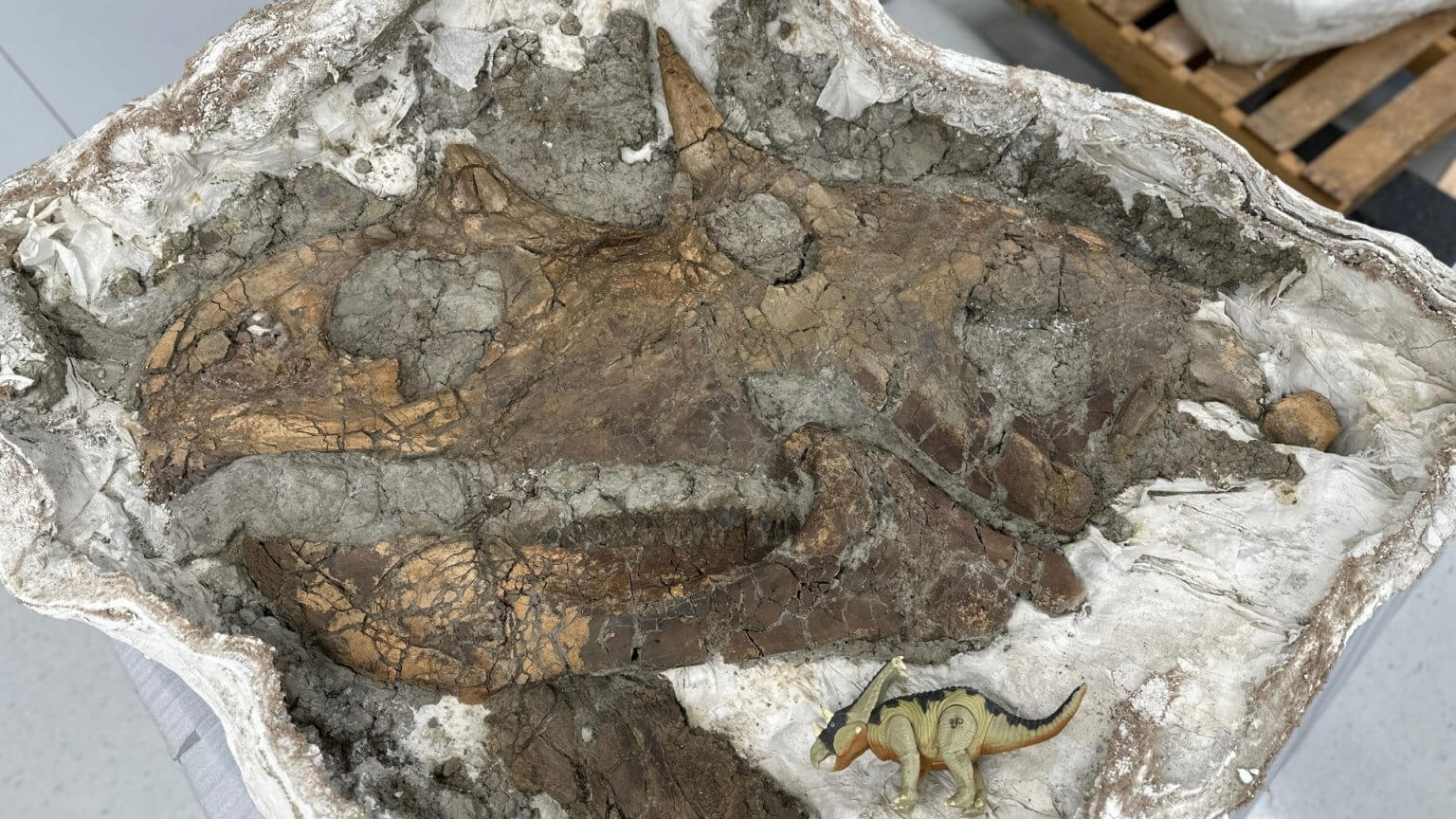

The nearest major commercial airport, Billings Logan International Airport, is typically a 3–4 hour road transfer from many Montana badlands localities, and most excavation sites require a final stretch on unpaved roads where a 4×4 vehicle or a rugged van is essential for moving people and fossil crates safely.
Logistics at a glance
| Item | Detail |
|---|---|
| Nearest major airport | Billings Logan International Airport (approx. 3–4 hours by road to many sites) |
| Required vehicle type | 4×4 or high-clearance van with secure cargo area |
| Permits & access | Site permits and landowner permissions are arranged by the program |
| Equipment transport | Tools and field crates shipped or moved by truck; weight limits and packing rules apply |
How participants get to site
Most participants fly into the nearest city, then complete the journey by road. Road transfers are often scheduled as group shuttles from the airport or nearby towns; in remote turns, a short transfer by rugged vehicle is unavoidable. Drivers must be prepared for changing weather and grade changes on gravel roads, and organisers typically recommend carrying a copy of the exact rendezvous location and the program’s emergency contact.
Daily field transport and on-site flow
- Morning: convoy from base camp to dig area — usually four-wheel drive.
- Midday: fossil handling and short moves of small specimen crates by hand or wheelbarrow.
- Evening: equipment consolidation and transfer of heavier crates to a secure storage vehicle.
What to expect on a Digging Expeditions week
Participants join professional paleontologists for a hands-on program focused this season on an ankylosaur discovered late in the 2023 season. Expect to use real field tools, practice field conservation techniques, and document finds with maps and photographs. Previous discoveries in the same area include a Chasmosaurus skull, a partial hadrosaur “mummy,” and fossilized wood—evidence the locale yields both vertebrate and plant fossils.
Typical schedule (sample)
- Day 1: Arrival, safety briefing, transport orientation.
- Day 2–6: Excavation shifts, cleaning, in-field stabilization, daily cataloging.
- Day 7: Final documentation, packing of specimens, departure to nearest hub.
Packing checklist
- Sturdy boots, sun hat, layered clothing
- Gloves, sunscreen, reusable water bottle
- Small daypack, camera, exact route and contact numbers
- Travel insurance and any necessary medical documents
Health, safety and regulatory points
Fieldwork involves sun exposure, uneven terrain, and heavy-lifting risks. Organizers conduct an on-site safety briefing and expect participants to follow handling protocols for fossils to ensure both personal safety and specimen integrity. Transport of large fossil crates may require compliance with state-level conservation rules; the program usually takes responsibility for the legal side of specimen collection and shipping.
How transfers fit into the experience
Reliable transfers determine the smoothness of the week: timely shuttle arrivals from the airport, appropriate vehicles for unpaved approaches, and transparent price & driver details all matter. Platforms that let you select the vehicle type, confirm driver’s license and ratings, and view make and model in advance can save time and reduce stress when coordinating arrival and departure windows.
Costs and what they cover
| Expense | Typical coverage |
|---|---|
| Program fee | Instruction, field tools, campsite facilities, in-field supervision |
| Transport | Airport transfers often separate; private transfers recommended for exact timing |
| Personal | Travel to airport, food outside scheduled meals, personal gear |
Highlights of the experience include hands-on excavation of an ankylosaur specimen, learning data recording and field conservation, and seeing how a scientific crew manages logistics in remote terrain. Yet even the best reviews and honest feedback can’t replace personal experience. On GetTransfer, you can hire a car with driver from verified providers at reasonable prices. This empowers you to make the most informed decision without unnecessary expenses or disappointments. Emphasize the platform’s transparency and convenience, reinforcing its distinctive advantages and aligning with the context and theme of your article. Book your Ride GetTransfer.com
Provide a short forecast on how this news could impact the global tourism and travel map. If it’s insignificant globally, please mention that. However, highlight that it’s still relevant to us, as GetTransfer aims to stay abreast of all developments and keep pace with the changing world. Start planning your next adventure and secure your worldwide transfer with GetTransfer. Book your Ride GetTransfer.com
To sum up at a glance: joining a Montana dig combines field science with practical transport needs—airport-to-base transfers, rough-road vehicles, clear schedules, and proper packing. Whether you need a taxi from the city, a private car to the airport, or a larger van for gear, confirm the exact service, driver credentials, fare, and vehicle model in advance. Use apps to check prices and get an idea of how much a transfer will cost so you can budget time and seats accordingly. With transparent fares, driver ratings, and vehicle choice, GetTransfer.com helps you book the best car for your destination and ensures you arrive ready to dig, learn, and enjoy the journey.
Comments