



 English (UK)
  Русский
  العربية
  日本語
日本語  한국어
한국어  Magyar
  Türkçe
  Español
  Čeština
  Svenska
  Português
  Ελληνικά
  Suomi
Suomi  Nederlands
  Română
  Italiano
  Français
  Polski
  Українська
  Deutsch
  简体中文
简体中文  Slovenčina

Get a reloadable metro card at the first station and load it for several rides. This keeps you moving through the city’s central core. For foreign visitors, the network works best if you chose efficient routes and avoid long waits at ticket offices.
For late evenings, rideshare or taxi options can cover longer trips across town, with fares that vary by distance. Through these services you can reach neighborhoods like Roma, Condesa, and Coyoacán in minutes; they are lively but walkable, and you can pace these routes to match your energy. Note that permits are not needed for tourists to ride; check the sitio official page for site-specific entry rules; if a line is taken, follow posted directions at each station.
When exploring food, stick to restaurants in central districts first: Centro, Roma, and Condesa offer a mix of traditional taquerias and modern kitchens. These options range from mercados to chef-driven kitchens; many options including street stalls, and the bites are so good they make your mouth water. For alternative dining, try mercados or sitio food halls that host local vendors and occasional live music; you can enjoy a full spectrum of flavors in a single afternoon.
To avoid the most crowded hours at top sites, head out in the morning or later in the afternoon; use these time windows to enjoy calmer lines. For popular venues like the National Museum of Anthropology or Frida Kahlo Museum, book permits or timed-entry online whenever possible. If you plan to visit Teotihuacan, consider an alternative day trip that lets you explore nearby sites without taking the whole day. Overall, pace your route through central zones first, then branch outward to sitios on the outskirts and less crowded neighborhoods.
Finally, have an option for days with unpredictable weather: indoor museums, indoor markets, or a covered market like Mercado de Coyoacán. The city works best when you mix experiences; these itineraries are designed so you can enjoy history, gastronomy, and local life. They chose these routes for accessibility and safety, and they help you avoid the most crowded corners. Overall, you’ll finish your trip with a clear sense of the city’s rhythm and a few alternative options in case plans change.
Getting Around CDMX: Metro, Buses, and Safe Ride-Hailing Tips
Take the Metro for fast, affordable hops between Centro, Condesa, Roma, and other neighborhoods. The system has 12 lines and more than 190 stations, connecting most sitios and plazas efficiently. Purchase a rechargeable card at any station and top it up as you travel; the usual fare sits around 5 MXN per ride. Plan your route on the official map or a trusted app, then stick to direct transfers to minimize waits and walking. Traveling by Metro is a reliable backbone for exploring the city without getting bogged down in traffic.
-
Metro tips: board the middle cars in crowded periods and keep belongings in front pockets. If you’re traveling with families, consider off-peak hours to avoid peak crowds; exit near major plazas or parks. These guidelines help you stay mindful of safety while moving between sitios like the historic center, the plaza area, and nearby latin-influenced neighborhoods.
-
Buses and express routes: the Metrobus network runs along key corridors with dedicated lanes, offering fast connections across longer distances. Fares are affordable, and you can pay with a rechargeable card or cash on some lines. Use the corridors that run near Insurgentes and other busy routes to save time; expect crowds during rush hours, and plan an extra 5–10 minutes for transfers at terminals.
-
RTP and city buses: these services cover neighborhoods not served by the Metro or Metrobus. They’re inexpensive and useful for short hops; verify the route number before boarding and keep an eye on your belongings in busy stations and stops.
When you prefer a door-to-door option, safe ride-hailing fits well into a practical toolkit. Uber is widely used, and UberXL is a solid pick for families or groups traveling together. These rides often come in at predictable prices, and you can share your trip with someone back home for extra safety. For every ride, verify the driver’s name, car model, and plate in the app before you get in. If you’re traveling with valuables or late at night, consider booking a pickup at a well-lit, populated area and staying mindful until the vehicle arrives.
These guidelines help you navigate CDMX with confidence, whether you’re hopping between sitios near a plaza, heading to a museum tour, or returning to your hotel after a day of sightseeing. For broader comfort, keep a compact poncho or light rain jacket handy–a quick shower is common in the climate, and staying dry keeps you traveling smoothly. Build a simple structure for each day: map a couple of metro stops, note a nearby park or sitio to visit, and mark a safe Uber or UberXL pickup point near your home base. With this approach, you’ll move fast, stay flexible, and enjoy the city like a local, without fuss.
Where to Stay: Best Neighborhoods for First-Time Visitors
Stay in Roma Norte for your first visit. This prime neighbourhood blends walkable streets, more dining options, and easy transit to must-see attractions across the city.
Centro Histórico is a compact, history-rich neighbourhood with short rides to the Zócalo, Palacio de Bellas Artes, and the Templo Mayor. Lodging ranges from budget hostels to boutique hotels, with pricing available to fit many wallets. For a smooth start, book must-see attractions and museum entries in advance through official channels.
Condesa and Roma Norte form a lively pair, especially for first-timers who want cafés, markets, and parks. You’ll find white-washed façades, tree-lined streets, and plenty of breakfast spots that keep mornings simple. If you’re wondering where to base your travel, this duo offers a balanced vibe and easy access to transit.
Coyoacán slows the pace with plazas, markets, and the Frida Kahlo Museum (La Casa Azul). It’s a must-see stop for fans of Mexican art, and the area remains welcoming for staying a night or two. You’ll discover masa-based snacks and mouth-watering street food that contrasts nicely with central districts.
Polanco suits travellers seeking calm and upscale stays. You’ll enjoy safe streets, refined dining, and easy access to attractions like Chapultepec Park and the large shopping avenues. Ride across town is straightforward. Pricing tends to be higher here, but available mid-range options appear if you book ahead; you will receive breakfast packages and other perks at many hotels, with less waiting at check-in. For official guidance, check mexicos official tourism site before you book.
Eating in the area is a lesson in masa and bold flavours: look for mouth-watering, masa-based tortillas and tacos. The city offers free and official tours; you can book a morning walking tour or a late-afternoon ride to museums. Some accommodations charge a small deposit, so check at reception; you will receive your key quickly with a friendly welcome. Ride-sharing apps work well for door-to-door trips, and hour-long rides across town are common in peak hours.
Your choice should reflect your travel pace: choose Roma Norte or Condesa for a balanced mix of culture and convenience; Centro Histórico for proximity to sights; Coyoacán for culture; or Polanco for luxury stays. Across your itinerary, keep safety in mind, use verified pricing, and rely on official tours to maximize your time and minimize waiting. Your plan will feel natural and smooth from the moment you step out of your door.
Money Matters: Currency, ATMs, Tipping, and Budgeting
heres a practical starting point: arrive with about 1,000 MXN in cash for immediate needs, and plan to withdraw more at safe, bank-branded ATMs. Understand that MXN is the currency here, and most prices, including items at street stalls, menus, and metro fares, are in pesos. In many spots you can pay with a card, but cash remains king for small items, including snacks, souvenirs, and tips. If you share travel costs with a friend, you can split estimated daily expenses to keep the budget on track. When arriving in CDMX, carry a mix of notes (20, 50, 100, 200, 500) and a couple of coins for bus fares and market purchases. alert: count change in front of the seller to avoid shorting yourself. Throughout CDMX, card acceptance is common in restaurants and shops, but cash remains safer for market stalls. If you speak spanish, you can ask staff for tipping guidelines.
ATM access, currency, and card usage
Use bank-branded ATMs in secure areas; avoid unmapped kiosks, which can skim data. Which networks show on the screen? Visa, MasterCard, Cirrus, or Plus. Fees typically include a fixed charge (often 30–60 MXN) per withdrawal and a cross-border fee from your home bank (usually 1–3%). Decline dynamic currency conversion; you get a better rate when transactions settle in MXN. If a card gets declined, switch to another card. Avoid the black market exchange desks; stick to official banks. If you arrive during peak season, plan multiple smaller withdrawals rather than one large pull to keep your budget in order. Spanish-speaking staff at larger shops or museums can confirm if a tip is included, but still leave a little extra for service you value. Having a simple backup plan, like a second card, helps in spots where a reader goes offline. Door security matters too–keep your card and PIN tucked away, and don’t leave wallets in hotel room door pockets or unattended spots.
Budgeting, tipping, and practical planning
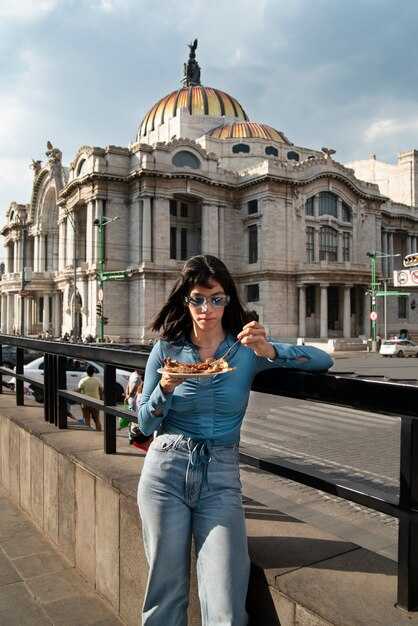
Expect street food to run 15–60 MXN per item and casual meals at 150–350 MXN, with drinks adding 50–150 MXN. A mid-range dinner for two with drinks generally runs 400–900 MXN. Metro fares cost 5 MXN per ride; Uber or taxi trips across central districts are typically 40–120 MXN, longer rides 200–350 MXN. Museums in Chapultepec and central CDMX usually charge 70–120 MXN; plan days with a couple of paid activities and free park time in spots like Chapultepec Park. If you’re arriving with companions, share costs for lodging, transit passes, and meals to keep the total closer to your daily target. For tips, budget about 10–15% in sit-down restaurants or check if a service charge is already included; hotels and bellhops commonly receive 50–150 MXN per couple per day, depending on service level. Within bookable hotels and hostels, fixed daily fees may apply for lockers or luggage storage–factor these into your planning. Throughout your trip, keep an alert on receipts and keep your door and valuables secure when you explore markets in the area around Chapultepec and other busy spots.
Food Guide: Street Food, Local Dishes, and Safe Eating Practices
Take one bite from a busy, well‑lit sitio and watch how it tastes; if the first bite is clean, order a little more. heres a simple rule: prefer stalls with a long line, hot cooking, and visible gloves or clean utensils; during peak hours these signs often indicate safer options. walk away if something smells off. If a vendor does not offer fresh toppings, skip. Accept that prices vary by sitio, but quality comes first. walking between puestos, you’ll notice which sitios move food quickly and keep toppings fresh, then you can decide what to try next. these cues help you enjoy Mexico City’s food without risk, and they help the planet by supporting vendors who minimize waste.
Popular Street Dishes
| Food item | Typical price (MXN) | Where to find | Notes |
|---|---|---|---|
| Tacos al Pastor | 25-50 | Centro, mercados, corner puestos | Ask for cilantro, onion, and salsa; look for pineapple on top |
| Esquites | 25-40 | Markets and street corners | Corn kernels with mayo, cheese, lime; watch for extra chili |
| Elotes | 20-40 | Same spots | Mayonnaise base, cheese, chili; choose less mayo if sensitive |
| Tlacoyos | 20-50 | Mercados and puestos | Stuffed with beans or cheese; eat hot |
| Quesadillas | 20-40 | Street tents | Ask if chiles were included; watch for open fillings |
| Tamales | 25-45 | Markets and stalls | Use a warm cloth; consume fresh |
In addition to these, frida shows up in nearby areas with extra food stalls that blend traditional flavors with contemporary twists. Mexican street food relies on corn, pork, beans, chiles, and cheese, which you’ll taste in many of these items. These foods come from regions across mexico, and you can sample several in one route on a single walk. foreign travelers traveling through these trips often enjoy these bites, and many stalls accept cash or cards. If a sitio offers tickets for a tasting, take it–it’s a convenient way to sample a curated set. From a stall to a sitos, you can pair bites with agua fresca to stay hydrated during the walk. These flavors also remind travelers of similar options across america. CDMX gets lively crowds on market days, so plan your route to hit several sitios in a single outing.
Safe Eating Practices
Choose sitios with hot food kept on grill or flame; avoid items that sit out in open displays. During peak hours, observe the line; if it moves slowly, skip that stall. These practices make traveling safer. Sit on a bench or safe spot if you want to eat away from the sidewalk; walk away from traffic when you chew. Accept that some dishes are spicy or tangy, and adjust with water or a mild salsa. Prefer sealed drinks or cups poured in front of you; carry hand sanitizer before eating. foreign travelers often manage to try a broad set of bites by balancing curiosity with caution. Having tissues handy helps you wipe hands before eating. After eating, discard wrappers in bins and wash hands when possible to stay on track during trips through the city.
Safety and Scams: Common Risks and How to Avoid Them
Always use official taxis or ride-hailing apps when arriving in the country’s capital and checking the driver’s details in the app before you get in, then head to your hotel or home base with a planned route. As an addition, carry enough small cash and a backup card, and bring a compact flashlight for late returns.
Smart tips for safe arrivals and transport
Stay aware in the center and in busy districts; when available, choose options from trusted providers like Uber, DiDi, or hotel fleets rather than flagging down strangers. Avoid unmarked vehicles and always verify the plate and driver in the app before boarding. Keep valuables in a zipped bag, and pay through the app or with a secure card; open areas and crowded corners attract distractions, so stick to well-lit routes and avoid shortcuts late at night. For comfort, map your path in advance and have a backup option in case you need to switch plans.
When booking tours, select providers with clear inclusions, open hours, and cancellation policies. Prefer options that publish prices in advance and keep group sizes small. In coyoacán, around Frida Kahlo Museum, book through official channels to avoid inflated prices or hidden add-ons. Since scams are increasingly sophisticated, check pickup points with your guide the day before and verify the vehicle and driver on the day of travel.
Spotting common scams and how to avoid them
Be wary of street touts offering dramatically discounted tickets or private experiences near popular sites. If a deal sounds too good to be true, compare with the venue’s official price and your hotel desk, and never pay upfront to an unfamiliar seller. For currency handling, use a bank or approved casas de cambio and avoid street exchangers with unusual rates; if you must withdraw cash, use ATMs inside banks or hotels and check the receipt to confirm it’s in pesos.
Drink bottled water from sealed containers and avoid tap water; carry small sums in pesos for quick purchases and keep a written record of major expenses in case a dispute arises. Arriving with a plan and keeping to safe routes helps you maintain comfort while exploring the center and nearby neighborhoods like coyoacán while enjoying travel, tours, and open-air markets responsibly.
Top Sights and a 2–3 Day Itinerary for CDMX
Plan to hit the Centro Histórico during open hours around 9:00, starting with the Zócalo, then the Palacio Nacional murals, and the cathedral, followed by Templo Mayor and two nearby museums; carry a compact map and water, and wear comfortable shoes. knowing how to move between plazas saves steps, and a small toolkit of tips–crowd awareness, transit options, and safety practices–keeps the day smooth.
Day 1: Centro Histórico
Between sights, stop at Alameda Central for a quick open-air break. Museums here offer multi-lingual guides, and a combined ticket when available saves time. In markets near the square, bargaining is common–start a bit lower and stay friendly. For getting around, trams along Reforma can link clusters, though the metro or a short walk often beats the surge of buses in busy hours. If rain threatens, keep a light shell; rains can appear quickly, so stay flexible. If you’re shopping, bargaining will save money.
Day 2: Museums, Park, and a Neighborhood Walk
Begin at the National Museum of Anthropology for open hours and minimal lines, then move to Chapultepec Castle for city views. The surrounding Bosque de Chapultepec offers a calm structure for a late stroll, with a lake you can rent a boat from and a string of galleries along the edge. weve found that this two-day approach works well for most visitors. For an alternative, add a street-art walk in Roma-Condesa if you want something different. If you have 3 days, add Polanco for upscale shops and dining, then finish with a walk along the white facades and tree-lined streets. For chilly mornings and potential rains, layer up and carry a compact umbrella. Expect a possible surge of visitors on weekends, so aim for early starts. Tours are available in multi-lingual formats, helping you know the key stories without a guide you pick up along the way. For practicality, check permits for photography in certain galleries or restricted zones; safety remains a priority as you move between venues.
Packing and Climate: What to Bring for Mexico City Weather
Pack a lightweight jacket for mornings and evenings. The altitude keeps dawn temperatures cool, so start with a layer you can shed as the day warms.
Include a compact packing list focused on comfort, hydration, and sun protection. Always have bottled water on hand and a small first-aid kit. If you travel during the rainy season, add a packable rain layer for sudden showers.
Climate-ready packing list
- Jacket, fleece, or light coat for cool mornings and evenings.
- Breathable, moisture-wicking shirts and long sleeves for sun protection and temperature changes.
- Excellent walking shoes or sneakers with good grip for cobblestones and long days on foot.
- Types of outerwear: a compact rain jacket or poncho for the May–October humidity and occasional downpours.
- Sunscreen SPF 30+ and sunglasses for clear skies and high-altitude glare.
- Bottled water or a refillable bottle to stay hydrated during walking and sightseeing.
- Basic toiletries and a small travel kit (toothpaste, hand sanitizer, medications).
- Power bank and charger to keep devices ready for maps and translation apps.
Prices and planning notes help you stay comfortable: Pricing can vary by distance and time of day, so factor that into daily plans. During winter and spring, ground-level temperatures can feel crisp, so bring a warmer layer for rooftop shows and early-morning strolls. Countrys areas differ in wind exposure, so adjust layers when moving between neighborhoods.
Getting around and staying comfortable
- Areas around central neighborhoods can feel warmer; plan lighter layers and more water when you roam them on sunny days.
- Transportation options include the metro, buses, rideshare, and taxis; types vary by area, convenience, and time of day.
- Whether you ride rideshare or hail a taxi, compare prices and travel times to avoid long waits in traffic; during peak hours, expect longer trips.
- Pricing and prices for rides change with distance and demand, so factor that into your daily plan.
- Always confirm the driver’s name and plate number before getting in; never get into unmarked vehicles.
- Ground and air conditions can affect schedules; plan buffer time for museums, markets, or shows with late openings.
- Someone you trust can help you navigate early on; carry a photocopy of your passport and emergency contacts.
- mexicos history of congestion shapes travelers’ planning; in practice, leave early for popular areas like Centro, Roma, and Polanco.
- In areas with heavy traffic, walking can be faster for short distances; enjoy street life and curbside views as you go.
Ask someone you trust for local safety tips and recommended routes to avoid common bottlenecks. Always carry a basic map, and remember that water safety is simple: drink bottled or filtered water when in doubt.
Comments