
Manila Airport Terminal Transfer Guide 2023 Update | NAIA Transfers & Tips

Take a yellow taxi from the official NAIA queues to mandaluyong for a comfortable start to your transfer. When you land with a passenger and luggage, a standard sedan seats up to four passengers, and an SUV seats up to six. Taxi service operates 24/7, with fares determined by a meter plus tolls. Expect to pay roughly PHP 300–600 to central Mandaluyong depending on terminal you arrive at and traffic. Keep receipts and use the meter; these steps prevent surprises.
Alternative: book a rideshare (Grab) or a private car service from a designated pickup zone. Fares vary with demand; typical trips to Mandaluyong range from PHP 350–900, depending on car type and surge. For groups, choose a 7-seat van to keep everyone comfortable; these vehicles often include child seats on request. Rideshares can save time during heavy traffic and allow you to track the driver in real time.
Public options are slower and less predictable; if you travel with a large group, consider a pre-booked shuttle or private transfer that can keep luggage secure and ensure all seats are comfortable. For a large group, you’ll often find a van that fits four to six passengers. These vehicles commonly operate on a fixed route and can be cost-efficient compared to multiple taxis. You should expect travel minutes to vary with traffic; plan for 20–60 minutes at off-peak and up to an hour or more during rush hour.
These tips apply regardless of terminal: welcome signage points you to official pickup zones; avoid unlicensed drivers who solicit outside the terminal. Always confirm destination and fare before you start. Guide your daytime or overnight transfer by noting the address and preferred route, to help ensure a smooth ride to Mandaluyong.
From the airport to central Mandaluyong, most hotels and apartments are within a short ride. Use a guide that helps you coordinate groups with multiple bags; drivers know the common routes through these corridors. If you plan to return by taxi, budgets and times shift with traffic; allocate extra minutes and carry a copy of your address for the driver. This approach improves experiences for travelers arriving after long flights, and keeps the pace comfortable.
Manila Airport Terminal Transfer Guide 2023 Update NAIA Transfers & Tips; - Airport Transfer In Other Airports
Book a fixed-rate inter-airport transfer from NAIA to Clark International Airport (CRK) or Mactan-Cebu International Airport (CEB) and avoid last‑minute stress. A driver will meet you at arrival with a name sign, and handling of luggage is included, so you can stay focused on your destination. Specify the pick-updrop-off point in advance to prevent confusion at busy terminals.
For transfers between airports, you would prefer a service designed for tofrom routes, offering clean vehicles and predictable pricing. These options serve both sides of the trip, reducing risk of miscommunication. Arrival times, parking fees, and tolls are folded into the flat price, and you can pay by credit card or on arrival. These services are especially handy when catching back-to-back flights, or when you need a seamless handoff without fighting traffic on the road.
If your plans change, read the cancellation terms before booking and mind any change fees. Quick communication with the operator helps avoid extra charges if your flights shift. For families or groups, a larger vehicle can keep everyone together, while still sticking to a single fixed price. These transfers typically include luggage handling, a reserved pickup area, and a driver who can assist with directions and them to the right terminal at both ends.
Inter-airport transfer options
These are designed for tofrom routes between NAIA and nearby airports, with a focus on ease and reliability. Expect a prominent pickup point at arrival, and a clearly marked driver ready to guide you to the next leg. Airside add-ons exist with some operators, but most transfers stay landside at the curb or parking area. Each option aims to keep the transfer smooth, whether you’re moving from NAIA Terminal 1, 2, or 3 to CRK or other hubs. If you arrive with a lot of luggage or bulky bags, choose a service that offers dedicated handling and a spacious vehicle, just next to the terminal exit.
Booking tips and what to expect
| Route | Transfer option | Estimated time | Typical cost (USD) | Notes |
|---|---|---|---|---|
| NAIA ⇄ Clark International (CRK) | Private car or fixed-rate shuttle | 2.0–3.0 hours | 90–150 | Meet-and-greet at arrival, luggage handling, parking fees included; book with credit card for speed. |
| NAIA ⇄ Subic Bay (SBIA/SBX route, where available) | Private car or shuttle | 4.0–5.5 hours | 110–180 | Longer drive; check operator availability and confirm pickup location; suitable for backup connections. |
| CRK ⇄ NAIA (return leg) | Private car or van | 1.5–2.5 hours | 70–120 | Useful for early/late flights; ensure you’ve got a flexible cancellation window. |
| NAIA ⇄ Mactan-Cebu (CEB) via combined ground + flight | Ground transfer to NAIA + domestic flight to CEB (or flow-through service) | 4.5–6.5 hours (plus flight time) | 180–260 | Not ideal for tight connections; consider separate tickets if possible; confirm baggage handling and flight times. |
NAIA Terminal Transfer Desks, Signs, and Pickup Zones: Where to Meet Your Driver
Meet your driver at the pickup zone outside the arrivals hall. The door-to-door option is the fastest way to connect with your driver and avoid the taxi queue. When you book, the transfer desk or proper driver will display a placard with your name; if your driver is Jose, he will be waiting near the desk with a clear sign. Just follow the signs that say Transfer Desk or Meet & Greet in the arrivals area to find the meeting point. If you prefer a quieter start, choose the meet-and-greet option for a quick handoff. Given peak hours, book in advance to secure a driver.
Manilas layout across terminals places a dedicated pickup zone just outside the arrivals area. Signs guide you to the right desk and the next step. At each terminal you’ll see a designated lane for airport transfer pickups. This setup helps both tourist and locals stay on a smooth path from the terminal to your car.
To book and pay, use the internet or the provider’s app; most offer credit-card payments at checkout. If you download the app, you’ll see your driver’s name, vehicle, and arrival time in the next section of your booking. Bring your confirmation number and a valid ID; cancellation policies vary by provider, but many offer free cancellation within a set window. Having a clear plan reduces stress during Philippine departure periods.
Types of pickup include meet-and-greet inside the terminal, curbside pickup, or a driver handoff at the pickup zone. For families or travelers with lots of luggage, request a larger vehicle in advance. The difference between booking a driver and hailing a taxi at the curb is reliability and a fixed price, which is especially helpful on busy days. Taxis are plentiful, but pre-booking ensures a quicker, more predictable drop and door-to-door service. If you meet a driver named Jose, verify the car’s plate number with your booking before leaving the terminal.
Next section covers signs and maps for easy navigation. In Manila, plenty of signage and staff help you move from the terminal exits to the transfer desk. Beware of unofficial meet-and-greet points; always use the official pickup zones. Stay connected via the internet to receive updates, and if plans change, use the app to cancel or rebook smoothly.
Taxi, Ride-Hail, or Shuttle: Choosing the Right Transfer Option for NAIA
For most passengers, start with an air-conditioned taxi or ride-hail from a designated pick-updrop-off zone at NAIA to your destination. This approach minimizes wait time and guarantees direct drop-off to hotels, business districts, or other destinations. These options work well for travelers in the philippines.
Taxi options are abundant at NAIA terminals–T1, T2, and T3–and outside arrivals at the airport area. They operate with a meter, but some drivers quote flat rates to common destinations in the metro. Always confirm the fare before starting and insist on the meter if a quoted rate seems uncertain. If you’re traveling with large groups, a shuttle van can save time by serving multiple passengers in one trip. For solo passengers, a taxi generally remains the fastest option.
Ride-hail starts when you request a car via a local app; you’ll see the estimated price and driver details before you accept. Pick-up is at designated spots near each terminal, and you can track the trip in real time. This option is popular for internal transfers between terminals or to areas along edsa and the metro corridor, and it’s easy to adjust if your plans change. Cancellation terms vary by app, so check the policy before tapping confirm.
Shuttle services cover groups or families and run on fixed schedules from NAIA to major hotels and districts. They’re well suited for destinations such as monte and jose neighborhoods and for routes toward the edsa corridor, metro Manila hubs, and nearby airports. Some shuttles operate under operators like fairviewservice, offering pre-booked pick-updrop-off to multiple stops with limited mid-transfer detours. If you miss your departure time, cancellation rules apply, so book with a buffer for arrivals.
Quick tips to decide: if you’re alone or with one companion, a taxi or ride-hail often finishes fastest; for 4–6 passengers with luggage, a shuttle or van cut costs and reduces the number of stops. Always confirm pick-updrop-off points at the airport, and request a ride that starts from the terminal you arrive at. Look for options that list clear destinations, and ensure coordination with drivers to minimize missing connections; also check cancellation terms to avoid surprises.
Transfer Costs, Travel Times, and Practical Route Tips for Common NAIA Routes
Best option for most travelers: hire a direct taxi or Grab ride from NAIA to Ortigas Center. It minimizes missing connections and landing delays, giving you a simple, pacific start to your day. Use the internet to book in advance and confirm the pickup location at the airport’s taxi stand or Grab pickup zone. For a budget-only approach, consider the airport bus option, but expect longer times and more transfers. Free airport Wi‑Fi helps you plan next steps and share live locations with them.
Costs and travel times by common NAIA routes

- NAIA to Ortigas Center (Pasig) – fare roughly 350–520 PHP by taxi or Grab; travel time 40–70 minutes depending on traffic; best to depart outside peak times to land at meetings sooner. If you’re carrying larger luggage, specify size to the driver so the right vehicle is allocated.
- NAIA to Araneta Center-Cubao – fare 300–480 PHP; time 30–60 minutes; direct taxi is usually quickest, with transfers only during rush hours.
- NAIA to Quezon City center (Timog/West Avenue area) – fare 320–550 PHP; time 40–70 minutes; Grab offers predictable pricing and a smoother journey when traffic is heavy.
- NAIA to Makati CBD – fare 380–650 PHP; time 50–90 minutes in jams; a direct ride is simplest, while the public path (bus plus rail) takes longer but costs less.
- Budget-friendly route option: NAIA Express Bus + LRT/MRT – total cost about 30–60 PHP; time 60–90 minutes; exit at Pasay Rotonda or Central Mall, then transfer to LRT-2 or MRT-3; not ideal with big luggage, but workable if you’re cautious with missing connections.
Practical route tips
- Plan smart from the start: check the next departures and pick a route that matches your flight times. If a landing is tight, a direct transfer to Ortigas or Cubao often saves more time than multiple transfers.
- Exiting and pickup: use the airport’s official taxi services or Grab pickup area; tell the driver the exact destination (Ortigas Center, Araneta Center Cubao, etc.) to avoid unnecessary detours. Official stands are allowed zones; stick to them to keep things smooth.
- Internet planning: book through an app and track live ETA; this helps coordinate with a contact back home and reduces the chance of waiting outside the wrong door.
- Handle delays and connections: give yourself a 60–90 minute buffer for flights and the time needed to reach a city center; for a tight layover, favor a direct transfer to minimize transfers and the risk of missing a connection.
- Ticket and baggage notes: keep your ticket handy and size your luggage for the chosen ride; larger bags may require a larger vehicle and can affect row positioning in some shuttle options.
- Budget vs. convenience: budget-only plans use public routes with longer times; for speed and reliability, a direct taxi or Grab is worth the extra cost, especially near peak hours.
- Connectivity at the airport: use free Wi‑Fi to confirm your pickup and share updates with a buddy; this keeps everyone informed and reduces last-minute scrambling.
- Missing a transfer: if you miss a booked transfer, contact the service immediately and rebook a new direct ride or adjust to the next available option to avoid extra delays.
- Exiting routes and rows: follow signs to arrivals and the taxi queue; you’ll find the rows of waiting vehicles quickly and get on your way without wandering through crowded corridors.
- Notes for specific areas: for destinations around Quezon City or Araneta, a direct route often beats looping through multiple streets; specify the exact neighborhood to your driver (e.g., Araneta Center Cubao, Eastwood, or West Ave) to shorten the journey.
Tips to Avoid Waiting, Hidden Fees, and Overcharging at NAIA
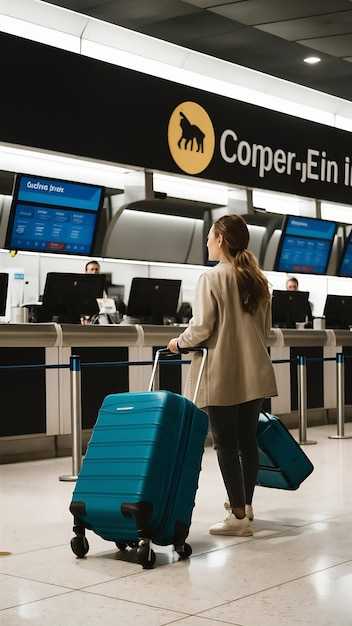
Book a fixed-rate transfer in advance with a prominent operator to secure upfront prix and a guaranteed pickup inside the terminal complex. This makes the moment you land smoother and reduces waiting times in the crowds. Youll know exactly what to expect, and there is no guesswork at the counter.
There are three main transfer types at NAIA: shared shuttles, standard metered taxis, and private pre-paid services. Shared options work well for small groups and limited luggage, and they operate on fixed routes to minimize delays during peak traffic. For asia-bound travelers, shared shuttles often drop you near key hotels, saving time between terminals.
Shared shuttles are price-friendly when you travel with others; you book online and receive a pickup window. The driver typically waits inside the arrivals hall and displays a badge number to help you catch the ride quickly. This option minimizes lingering under bright signage and helps you dodge long taxi lines.
Standard taxis queue outside arrivals; insist on meter use or request a fixed price before boarding. There can be an airport surcharge and tolls on the Skyway; ask for the full cost in advance and confirm which routes are used. If the quote seems high, walk away and rebook a fixed-rate option–some providers include a brief free waiting time, which helps you stay within budget and avoid extra charges.
Private meet-and-greet services provide a driver with your name at the arrivals hall, which eliminates the risk of wandering to the wrong pickup. The premium you pay translates into lower waiting, especially during large congestion periods. Youll still get a clear, all-in price that includes parking and pickup fees, so there are no hidden surcharges.
During peak hours and heavy congestion, pre-booked transfers tend to be faster than chasing a cab in lines. Track your flight and share details with the operator so your pickup adapts to delays; many apps offer live driver location to help you time your exit from baggage claim. You can also use official counters for a smoother handoff.
Inside the terminal, choose a pickup point clearly shown by the operator; there are prominent signs near baggage claim and car-park zones. If you park yourself, use official lots rather than curbside waiting; parking is cheaper for long stays but may add time if you’re delayed.
Treat hidden fees like a grotto you must inspect before you commit: ask for every charge in writing, including parking, luggage, waiting time, and tolls. Demand a full breakdown and compare the prix across providers. If you want simple budgeting, pick a fixed-rate transfer that covers all taxes and extras so you’ll know the final price upfront.
Three practical tips: book with a trusted operator, check recent reviews, and keep your booking ID handy. Avoid cash-only pickups outside the terminal; use the official counters or app-based payments to keep charges transparent. Asia-focused travelers can save time by choosing a plan that helps you reach your hotel quickly, with less congestion and more predictability.
Transfers from Clark, Subic, and Other Nearby Airports: What to Know
Book a pre-booked, fixed-rate transfer from Clark or Subic to NAIA to skip queues and fare surprises. Upon landing, a driver will meet you in the arrivals hall with a name board, assist you with luggage, and guide you to a clean vehicle for the ride into Manila.
From Clark International Airport (CRK), expect a 2–3 hour drive to Manila’s NAIA terminals, depending on traffic and the time of day. The common route uses SCTEX to NLEX and then highway links toward the metro; you’ll pass near robinsons Place Clark as a known meet point for some operators. From Subic Bay International Airport, the trip typically takes 3–4 hours, with the same expressway sequence after Subic.
Transfer options and pricing
Private transfers provide a simple, door-to-door solution. Most operators offer a flat, fixed rate for Clark–NAIA and Subic–NAIA routes, with payment in advance or at pickup. Choose a sedan for individuals, a minivan or small coach for groups, and confirm that assistance is included and the driver is known. Rates are competitive, so compare two or three providers before you depart.
Meet-point tips and practical steps
Ask the driver to meet you in the arrivals hall with a visible sign. If you know the Clark area landmark, arrange a meet near robinsons in Clark or at the main terminal exit to simplify the exchange. For Subic, designate a pickup at the arrivals hall or a designated counter area in the forecourt. Share flight numbers and ETA with the operator so they can adjust for traffic and depart on time to reach NAIA without stress.


