
Top 47 Things to See and Do in Hong Kong | Best Attractions, Experiences & Travel Guide
Begin at Victoria Peak for a classic skyline view during golden hour. Take the Peak Tram or a shuttle from your base hotel to the summit, and watch the city lights spark as the sun dips. Check reviews to pick a priced ticket that fits your plan, then map a second stop for evening reflections.
Head to Ngong Ping 360 for the Big Buddha. The cable car ride over green hills delivers sweeping views; allocate 2 to 3 hours total for the round trip and Po Lin Monastery time. From tong chung, a short shuttle takes you to the base station; plan a quiet moment at the monastery and bring water.
Cross Victoria Harbour with the Star Ferry to Tsim Sha Tsui. Walk the promenade, photograph the skyline, and pause at Golden Bauhinia Square to feel the pulse of the city. By dusk, the Symphony of Lights reflects on the water, creating a living postcard.
Sample markets for real flavors and finds: Temple Street Night Market after dark, Ladies’ Market in Mong Kok for apparel and accessories, and the Jade Market in Yau Ma Tei. Check reviews to pick stalls with good ratings, and treat yourself to a parfait at a nearby café to balance spice and sweetness.
Immerse in culture and nature: Hong Kong Museum of History, Hong Kong Science Museum, and nearby galleries in Central. For outdoor time, hike the Dragon's Back trail to coastal views; the route is well marked and takes about 2 to 3 hours. Bring water and sturdy shoes, and use the hotel shuttle when available to stay flexible.
Plan your days with practical tips: start early to beat crowds, use an Octopus card for transit, and check during peak seasons for pricing differences. Keep a flexible base, and if you want anything beyond the big sights, add a quiet tea room, a hidden courtyard, or a classic temple corner for balance.
Top 47 Things to See and Do in Hong Kong: Best Attractions, Experiences & Travel Guide; 39 Get a Massage
Book a 60-minute aromatherapy massage to reset after a day of exploring Hong Kong's landmarks and shopping districts. Look for options near malls like Times Square (Causeway Bay) and Langham Place (Mong Kok) where clean spaces, reliable wi-fi, and straightforward pricing are common, so you can plan without stress and keep your energy for more discoveries.
Closer to the Metropark area, you’ll find value-oriented spas near station exits, with queues typically shorter on weekday evenings. For a budget-friendly choice, expect HK$350–HK$600 for 60 minutes, with promotions that drop price during off-peak hours. If you wanna squeeze in an extra treat, some studios offer mini add-ons like reflexology or hot stones at a small extra cost, so you can tailor the experience to your preferences.
For a more luxurious escape, consider Oriental-inspired treatments at major hotels such as Mandarin Oriental or a titan-grade spa room near The Peninsula. These spots promise refined service, quiet lounges, and a calm energy after busy sightseeing or harbor cruises. In wongdong you’ll also find tiny studios with partial discounts on weekdays, ideal for a quick reset after a day of shopping or sightseeing promos.
Best massage spots near landmarks and malls
Near Harbour City, IFC, and Central's skyline, many spas offer hot stone, aromatherapy, and sports massage. English-speaking therapists, flexible timings, and clean changing rooms are common, and many places accept walk-ins while you plan a tight itinerary. After a long day of walking, you can unwind in a calm space with dragon-inspired decor and rounded shapes that reinforce a peaceful tempo; these environments help you feel grounded before you dive back into the city’s energy and dessert stops.
Smart planning and etiquette for a spa day
Arrive about 10 minutes early to check in and settle in. State your pressure preference clearly–light, medium, or strong–and let the therapist tailor the session. Hydrate afterward and avoid heavy meals right before a massage. Cancellation terms vary; partial refunds or rebooking options are common, so confirm details when you book. If you’re staying near wongdong or weaving a spa visit into a shopping spree, plan the timing between mall visits to maximize opportunities and prevent long queues.
3-Day Itinerary: Must-See Hong Kong Highlights by Neighborhood
Kick off Day 1 in Kowloon with a sunrise harbor view from the Tsim Sha Tsui promenade, then breakfast at a local cha chaan teng to savor classic food. Map out a two-hour stroll along the waterfront, ride the ferry to Hong Kong Island if you want a quick harbor perspective, and set a pace that suits your adventures for the day.
In Mong Kok, the Ladies Market and the Goldfish Market spread along winding lanes, with smaller stalls lining several floors of color and aroma. Bargain a bit, sample a bite here and there, and keep your spending in check as you dive into the bustle.
Evening at Temple Street Night Market delivers nightlife, neon signs, and street eats. The lively scene is a good capstone for Day 1, and you can leave room for spontaneous tastings or a quick dessert at a creamery nearby if you crave something cool after the crowds.
Day 2 starts in Central: Man Mo Temple offers a tangible sense of history, then breakfast on a bakery street. A guided, easy walk along the Mid-Levels Escalator leads to SOHO for coffee and skyline views.
Take the Peak Tram up to the peak for panoramic city views; golden hour light makes the harbor glow and photo opportunities multiply as the sun sinks behind the skyline.
Descend to the north side of Hong Kong Island and explore Sheung Wan and Wan Chai. A stop at a local creamery serves a refreshing break, then stroll along the harbor for fresh air and different angles on the skyline.
Evening nightlife options abound: Lan Kwai Fong and SoHo streets stay lined with bars, music, and easy transit back to your hotel.
Day 3 heads to Lantau Island. The Ngong Ping Cable Car winds up to the giant Tian Tan Buddha, with a stop at Po Lin Temple to savor the quiet surroundings and the scent of incense.
Near the village, a quick stop at heung lane bakery offers a warm serving of pastry, then head to Tai O fishing village to see stilt houses and enjoy seafood along the winding waterfront.
Return to the city in the evening and leave with a well-rounded set of experiences: iconic views, calm temples, and memorable bites from breakfast to dessert.
Harbor Viewpoints: Best Spots for Skyline Photos at Sunset
Begin at tsim Sha Tsui Promenade for a signature sunset shot that frames Victoria Harbour and the Hong Kong Island skyline. Stand along the wooden railing near the Clock Tower to catch the golden glow on the water, then switch to a longer exposure as the lights begin to show across the bay.
Top viewpoints
-
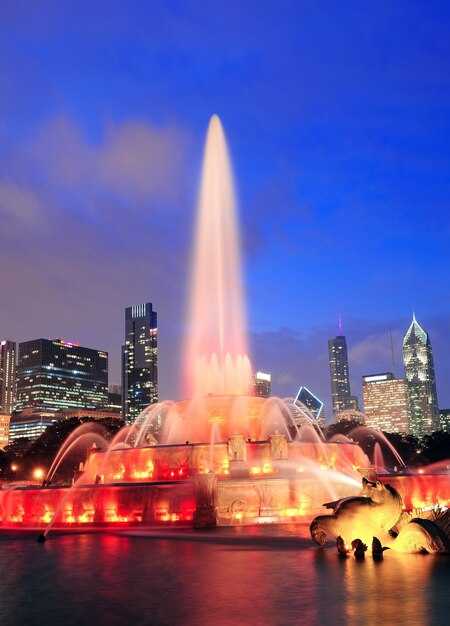
Tsim Sha Tsui Promenade / Avenue of Stars – A、long, accessible waterfront path gives you multiple angles to capture the iconic cluster of towers. The sight of Bank of China Tower’s angles and the ICC’s summit against a fading sky is known to dominate every shot. The temperature cools quickly after sunset, so bring a comfortable layer and a steady tripod for sharp, long-exposure images.
-
Star Ferry Sunset Crossing – Hop aboard a classic ferry to pair the harbor on both sides in a single frame. Tickets are affordable, and the moving vessel adds natural motion blur to foreground details while the skyline remains crisp. For an extra layer, consider a dinner cruise option to combine dining with a sweeping city view–absolutely worth it for a memorable night shot.
-
Central Piers & Harbourfront – From the piers facing west, you’ll get dramatic silhouettes of crane lines and castle-like towers against a warm horizon. This spot is popular with locals and visitors alike, yet you can still find only-crowd moments if you arrive a bit earlier. The area provides a comforting balance of water texture and bright building lights.
-
Sky100 / International Commerce Centre Deck – An indoor, temperature-controlled vantage with a panoramic view that remains clear as the air cools outside. It’s perfect for taking clean, high-level shots of the harbor cityscape while you stay comfortable. Check the page for current ticket options and peak-time hours; you can download the official app to plan your visit.
-
Kai Tak Runway Park – For a broader harbour panorama, head to this western Kowloon spot. The distant rail lines and the glow from runway approaches create a gritty, urban vibe that complements the skyline. Trains in the distance add a subtle sense of motion in long exposures, giving your photos a dynamic edge.
Practical tips
- Arrive early to secure a good position along the promenade; only a few minutes can make a big difference as crowds form.
- Use a tripod and a remote or timer for stable long exposures (1/15 to several seconds) to smooth water and accentuate light trails.
- Protect your gear from wind and splashes; a small cooler can keep drinks handy while you wait for the perfect moment.
- Download the official page or map to confirm sunset times and viewing spots across the harbor commission’s designated viewpoints.
- Bring a light jacket; temperatures drop after sunset, especially near the water, and you’ll want the comfort to stay longer.
- For variety, mix handheld silhouettes with tripod shots; shoot from the wooden railings and wider boardwalks to capture different compositions.
- Check ticket options for Sky100 or harbor cruises; tickets and packages vary, so compare a quick online page before you go.
- Consider a short dinner plan after shooting; a harbor-viewed meal adds a satisfying end to a day of city light shows and color shifts.
- Take advantage of the city’s country-scale energy–shoot a few frames with the skyline facing you and then turn to the opposite harbour for reflections.
- Keep an eye on the sight lines around old structures near the harbor; a castle-like silhouette or a historic house facade can add a distinctive element to your composition.
Cultural Experiences: Temples, Markets, Parades and Local Traditions
Begin with Man Mo Temple in Sheung Wan, then stroll Temple Street Night Market for bites and a quick haggling session–this pairing instantly shows HK's spiritual core and street energy.
Temples and spiritual spaces
Wong Tai Sin, Tin Hau, and Man Mo offer a concise history-in-miniature: incense rituals, fortune telling, and maritime prayers, all set in tall wooden halls with gaudi tile accents that hint at cross‑cultural craft. The spaces formed over centuries by class, trade, and faith remain welcoming to visitors who accept respectful behavior and curious questions. In this land, you could see locals performing ceremonies, and a calm mood settles above the rush of the citys streets. If you’re coming from the east, the approach feels like a bridge between old and new, somewhere between sacred space and daily life. Further, these visits help you understand how land and community shape local identity and how far a city’s heart can reach.
Markets, parades and local traditions
Temple Street Night Market hums after lunch with pork buns, skewers and a mix of gadgets; four blocks of stalls spill into the evening, and the energy is infectious. For fashion and souvenirs, head to Ladies Market; Stanley Market offers a more relaxed pace and maritime specialty foods. Dragon boat races and street parades provide a dynamic performance along the harbour–watch the rhythm of paddles and drums, a thing that locals love to time with festivals. If you want a fine view of the city, cruising the waters at sunset reveals a fresh angle on the land and its light; a taxi back makes the route practical for a long day. From there, a ferry back to hong kong gives you a different vantage point, and the city’s lights twinkle as if forming a final point on your itinerary. These experiences are not only entertaining; they’re a practical education in HK history, culture and food that could become your favourite memory and a few handy points to recall later. health and safety basics stay simple: pace yourself, stay hydrated, and carry a small bag of tissues for street snacks. In HK, locals and visitors exchange tips on where to eat and what to try next, making each afternoon feel like a new chapter in a culturally rich city that never stops moving.
Nature and Outdoor Escapes: Parks, Islands, Hiking Trails and Scenic Drives
Hit Dragon's Back for a quick, rewarding escape from the city. The 2–3 hour loop delivers sweeping harbour and coastline views, starting near Shek O and returning to the city via a gentle descent. Take early transportation from Central; a 40-minute ride lands you at the trailhead. Pack light clothes, water, and a hat–the ridge burns calories fast, until you reach the summit. After the hike, refuel with congee and plates at a seaside cafe where the harbour breeze flavors the meal. The route is provided year-round and is available for traveler and locals alike, with options to shorten or extend the loop and even join a short guided tour if you prefer.
On Lantau Island, Tai O offers a kong-style fishing village vibe, stilt houses, and a working harbour. From Central, cheap transportation by ferry or bus makes a day trip feasible, and tours bring you through the village lanes to watch fishermen haul the day’s catch. For a broader island experience, picking a short ferry to Peng Chau or Lamma lets you explore quaint towns, market squares, and easy beach walks. Along the way, grab an ice-cream cone or a snack and watch the water while you breathe in the sea air. Bringing a small bag and sunscreen helps, and congee breakfasts and late lunches are available at riverside stalls near the quay; oddies sold there add a playful local flavor.
Outdoor parks and hiking trails span the territory. Tai Mo Shan Country Park pulls in cool air and cloud views, while the MacLehose Trail’s sections climb over cone-shaped ridges and offer standout viewpoints. Short options exist along the Shek Kong, Sai Kung, and Clearwater Bay sides–easy loops that fit a busy day. If you prefer a gentler pace, the Tong Fuk coastal path on Lantau or the Sai Kung peninsula’s family-friendly circuits deliver steady scenery without long drives. Trails stay open until dusk, and maps provided at trailheads mark distance, elevation, and turning points for a smooth pickup or return–ideal for the cautious traveler seeking a steady pace. Near the old court building, quiet spaces bridge urban energy and nature.
For a scenic drive, head along the Lantau Coast Road to capture ocean panoramas, then swing through the New Territories countryside toward quiet beaches and bays. Scenic overlooks stop you in safe pullouts, with plenty of photo-worthy moments at every turn. Believe that a short drive can reset your mood better than a day spent indoors; this route also connects easily with an airport rail link for a seamless multi-day plan. The approach keeps transportation straightforward and cheap when you ride shared services, and it suits kong-style travelers who want a compact, rewarding escape. Should you want more, book a tour that covers multiple parks and islands in a single day, letting you focus on snapping photos and enjoying the views instead of navigation.
Food Adventures: Iconic Dishes, Dim Sum Trails and Night Market Tastings
Start with a guided dim sum crawl in Central, choosing a venue with an open kitchen and a steady queue that signals local approval. youve started with har gow, siu mai and cheung fun, then sip strong Hong Kong milk tea to cut through the steam. Next, cruising across Victoria Harbour on ferries reveals skyline details and a fresh breeze before exploring island stalls on Cheung Chau and Lamma Island for bites that feel local and seasonal.
Iconic Dishes
- Cantonese roast goose with crackling and plum sauce
- Char siu pork and roasted pork belly, lacquered in honey and five-spice
- Wontons in silky broth with chives and sesame oil
- Steamed har gow and siu mai, glistening in bamboo baskets
- Egg tarts with flaky pastry and creamy custard
- Pineapple bun with a slab of butter
- Milk tea with a bold, velvety finish
- Japanese style karaage skewers and curry rice at busy stalls
- Chung King Road snacks and street eats
To deepen the flavour, check the details of each stall’s design and ingredients. Temple Street markets around the centre offer relics and antiques in a courtyard-style court, where you can spot items from old family kitchens alongside snacks. If you want a specific sample, ask the vendor and youve got a chance to taste something truly local.
Dim Sum Trails & Night Market Tastings
- Central to Sheung Wan: begin with a classic dim sum teahouse, sample four baskets, then move to a noodle shop for a starch boost.
- Wan Chai to Causeway Bay: loop through cheung fun, pan-fried dumplings and dessert stalls serving red bean cakes and egg tarts.
Exploring night markets reveals a different side of the city. The design of the stalls, open under neon, guides your senses from sizzling skewers to fragrant herbs. For transport, take trains on the MTR network or hop on ferries to islands to extend the experience. Chinalink services link the harbour and the outlying districts, making it easy to tailor a route that fits your pace. If youve formed a plan, name one must-visit stop for your crew and stick with it, then adapt if something else catches your eye. You can also pair your snack crawl with a chocolate tasting at a boutique shop along the Kowloon side, a nice way to end the night. Under the different seasons, you’ll find markets open longer and new flavours to check.
Massage and Wellness: Top Spa Picks, Booking Tips and What to Expect
Book a 90-minute Aromatherapy Massage at The Peninsula Spa by ESPA to reset after a day of exploring Hong Kong–this is my favourite pick for a balanced blend of luxury, privacy and real relief.
In a city that never sleeps, these boutique spaces feel like a walled retreat. For a cooler, calmer vibe, choose spas with a private lounge, thermal circuit and therapists who tailor pressure to your needs. The Peninsula Spa by ESPA offers a curated ritual menu from scalp work to full-body sessions, plus steam, sauna and a quiet lounge to unwind. Typical prices range HKD 1,900–3,000 for 90 minutes, varying by season and add-ons. The location is near key attractions and the harbour, making it convenient for a post-treatment stroll. It’s truly a favourite for guests seeking privacy and precise service.
Other standout picks include Chuan Spa at The Langham, Hong Kong, which blends Traditional Chinese Medicine-inspired therapies with a serene, luxury-hotel setting. The Ritz-Carlton Spa, Hong Kong sits inside the ICC–a landmark and one of the city’s tallest towers–offering a skyline backdrop, rosewater steam and signature massages that pair with the ascending city views. Four Seasons Spa Hong Kong emphasizes hydrotherapy circuits and skilled technique, while The Upper House Spa delivers an intimate, boutique space and a highly personalized approach. For a balneario-inspired ritual, you’ll find heat, water, and grounding touch formed by seasoned therapists. If you’re exploring in the months around autumn and spring, you’ll often find the best value as seasons influence availability and menu options. Maybe you’ll discover a new favourite after a late afternoon treatment. If you’re pressed for time, you can book shorter sessions and add light desserts or a tea service to complete the experience.
Booking tips: Reserve early, as weekends fill quickly, especially during peak seasons. Also, Looking for a privacy-forward option? Midweek slots help if you’re afraid of crowds. Use viator to compare packages and secure flexible cancellation when plans shift. Request a private spa suite to keep handbags and essentials secure, and ask about combining spa time with a pool or lounge within the same hotel. For value, compare separate spa visits with a full-day wellness package that includes the thermal circuit and a post-treatment snack.
What to expect: Arrive 15 minutes early for a smooth check-in, robes provided, and a brief consultation to tailor pressure and duration. Therapists form a plan based on your needs, using gentle to deep techniques as requested. Most venues feature a hydrotherapy circuit, a relaxation lounge, a foot roller station, and heated towels. After the treatment, you’ll usually be offered herbal tea and, in some cases, light desserts or fruit water. If you’re new to spas, ask for guidance on using the roller, sauna, and steam rooms, and plan your next activity around the quiet recovery period. For baked spice notes and a richer sensory experience, some rituals incorporate warmed blends that heighten relaxation.
| Spa | Location | Signature Treatment | Typical Price (60–90 min) | Booking Tips | Best For |
|---|---|---|---|---|---|
| The Peninsula Spa (ESPA) | Inside The Peninsula Hong Kong, Kowloon | Aromatherapy Massage | HKD 1,900–3,000 | Book direct at the hotel; viator options available; request private lounge | Iconic luxury, harbour views |
| Chuan Spa, The Langham | The Langham, Hong Kong (Tsim Sha Tsui East) | Herbal Balancing Ritual | HKD 1,200–2,600 | Ask for thermal access; consider adding tea ceremony | TCM-inspired therapies |
| Ritz-Carlton Spa, Hong Kong | ICC, Kowloon (one of HK's tallest towers) | Signature full-body massage | HKD 1,400–2,900 | Reserve a private spa suite; viator bundles | Skyline backdrop, expert therapists |
| Four Seasons Spa Hong Kong | Central, Hong Kong | Hydrotherapy circuit plus massage | HKD 1,800–3,500 | Hotel packages; early booking helps weekends | Hydrotherapy focus, luxury amenities |
| The Upper House Spa | Admiralty, Hong Kong | Personalized massage with energy balancing | HKD 1,600–2,600 | Book well in advance; look for spa-only packages | Boutique, calm space |
Practical Travel Tips: Transport, Passes, Money and Safety in Hong Kong
Get an Octopus card on arrival: HK$50 deposit, minimum top-up HK$50. Tap in and out on MTR, tram, buses, and ferries, then speed through gates in central districts within minutes. Use it for snacks and small purchases at convenience stores to avoid fumbling for change, and top up at MTR stations or 7-Eleven when you see a long queue at the ticket machine.
Choose the right passes for your plan. The Hong Kong Tourist Pass offers three days of unlimited rides on the MTR and most buses and ferries, which is ideal if you’re visiting popular clusters between central, Causeway Bay, and Tsim Sha Tsui. If you’ll ride the Airport Express more than once, the Airport Express Travel Pass can save time and costs, with a three-day window to travel plus a single Airport Express ride when needed. Compare these options against your intended routes to avoid paying for rides you won’t take.
Move efficiently by pairing the MTR for long hops with a cheap, scenic option for short hops. The green, urban tram is economical and provides a beautiful ride along the green hills and lined coast–good when you’re heading between popular stops with little luggage. For faster cross-harbor trips, the MTR remains super convenient and predictable, while ferries offer a breezy alternative across the harbor during pleasant weather.
Money matters: carry a mix of cash for markets and small vendors, and rely on Octopus for most transit and many shops. Exchange rates at airport kiosks tend to be higher, so use ATMs inside bank branches or reputable machines. For souvenirs, look for stall clusters near stars’ bronze statues and flower stalls; many vendors accept the Octopus card for small purchases, but some stalls require cash. Keep a spare budget for occasional splurges–a taste next to a dai pai dong or a coastal paseo can become a memorable moment you won’t forget, while still staying economical.
Safety and smart travel habits. Stay aware in crowded transit hubs and busy markets; keep bags zipped and in front, and separate wallets from phones when you’re in busy lanes. A quick call to 999 covers police, fire, or ambulance services if needed. When planning night itineraries, choose well-lit routes and look for areas where locals and visitors mingle, which tend to be divided into quiet backstreets and vibrant promenades with straightforward navigation. If someone asks you to leave valuables unattended, decline politely and move to a known crowded corridor.
Connectivity and day trips. Arrive with a local SIM or eSIM to map routes and check real-time transit changes; many providers offer seven-day data plans with reasonable costs. If you’re curious about a Macaufrom itinerary, ferries run from the Hong Kong–Macau Ferry Terminal and timing varies by season. For a quick outdoor break, seek places with greenery, small pools at hotel rooftops, or a calm park where you can unwind after a day of exploring the skyline’s ascending beauty. Even a short stroll along a paseo with streets lined by shops and bronze sculptures can feel like a mini escape from the city’s pace, leaving you energized for the next museum, market, or viewpoint.


