Taipei Airport MRT to Taipei City - Taoyuan Airport Transport Guide

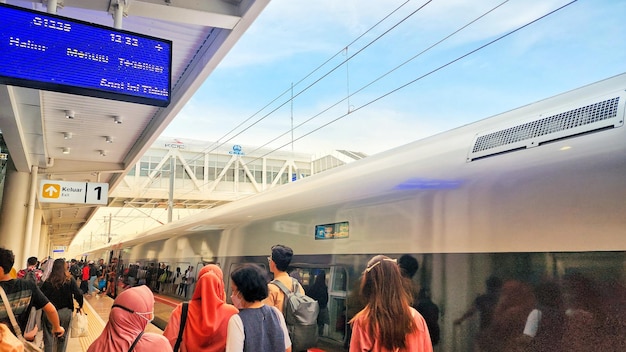
From Taoyuan International Airport, the Taoyuan Airport MRT Express gets you to Taipei Main Station in about 35–40 minutes with minimal stops. This isnt about the cheapest ride, but speed and reliability. The Commuter service runs roughly 50–60 minutes and makes more stops, which varies by terminal and passenger demand. For most travelers, this route isnt hard to navigate, and it flows smoothly from curb to platform. This isnt a guide to every transportations option, but it highlights the fastest and most practical choices.
Cashless is supported on both lines. You can swipe EasyCard, iPass, or a bank card at the gates. The fare amount for each service varies; consult the fare table at the airport or in the app to compare and plan your time. If you want a quick reference, snap photos of the signs and save a copy in your contents for offline use.
Boarding at Terminal 1 or Terminal 2 is straightforward: follow the purple airport signs to the MRT. Signs, staff, and digital displays explain the two services, and you can use the transit map to plan every leg. You can collect a printed ticket at counters, or go digital at the gates. Buses offer alternative routes into Taipei with travel times about 60–90 minutes; slightly longer during rush hours, but fares are often lower and differ by route. A taxi or ride-hailing trip costs roughly NT$1,000–1,500 to central districts, depending on traffic and tolls; this can be convenient if you travel with luggage in a group.
For taiwanderers, the simplest plan is Express to Taipei Main Station, then transit to your final stop on the local MRT. The path is well marked, and you can use photos of route signs to orient yourself. The contents of the city maps and digital timetables are easy to scan, and the swipe action on your phone makes quick checks fast. A huge transit network means you can switch lines quickly and reach most neighborhoods within a few stops. Cashless options are widely supported across stations, so you can avoid fumbling for coins at every gate.
Taoyuan Airport MRT: Where to Board (T1 vs T2) and Terminal Amenities
recommended: board at the terminal you arrived in. If you land at Terminal 1, head to the underground Taoyuan Airport MRT station at T1; if you land at Terminal 2, go to the T2 station. From the concourse, multiple exits lead to baggage claim and arrivals on the west side; check the signs and boards to confirm platform and which terminal you’ll reach. International flights feed into the same underground corridor, and heavy passenger flow can shift times, so check online for the latest updates from your airline or the airport app. This doesnt complicate transfers; it simply guides you to the right starting point.
Inside both terminals, the amenities are practical and well-marked. In Terminal 1 and Terminal 2, you’ll find nice lounges, clean restrooms, baby care rooms, and free Wi-Fi. Terminal maps highlight several power outlets near gates; there are elderly-friendly elevators and ramps, and the underground connections to the MRT keep transfers smooth. For family travel, there are play zones and family restrooms, plus clear signage to gates and shops with local and international brands. There are restaurants and shops with local souvenirs, plus duty-free options.
Ticketing and pricing: a single fare covers to central Taipei; pricing varies by distance and class. Tickets are available at counters or online; for group travel, consider a reservation in advance to secure seats together. For payment, you can use debit cards or cash; many machines accept debit. Online options help you plan timing, check schedules, and compare options. If you want to compare options or schedules, checking an official site or using agodacom for hotels nearby helps plan your timing and check availability.
When you arrive at the MRT station, the west wing of each terminal provides direct access to the platform, while other exits lead to the arrivals hall and taxi lanes. There are multiple stairways and escalators; if you have heavy luggage, use elevators. The T1 and T2 stations connect to the terminals through underground passages, so a short walk gets you to your gate or the bus stops for onward travel. The group travelers can split exits to speed up transfer for everyone.
For business travelers, the proximity of terminals to the MRT keeps work trips efficient; use an online reservation for lounge access if you plan to rest before a flight. For elderly travelers or family groups, the staff can assist with pricing and seating. Over the years of operation, the layout has remained stable, including during february peaks and holiday periods; the system is designed to handle heavy crowds, though it varies by day. If you prefer online planning, check official sites or agodacom for hotel deals near the airport and options to buy tickets in advance.
Fare Options and Ticketing for Taoyuan Airport MRT: One-way, Round-trip, and IC Cards
Get an IC card at arrivals counters or from vending machines before you head to the platform. It speeds up transfers, saves time on every ride, and generally keeps costs lower for frequent city rides–perfect for families and travelers with lots of luggage.
One-way fares vary by service. Express trains to Taipei Main Station run fastest, with pricing around NT$180 for adults, while the regular commuter service costs roughly NT$125–140 for the same stretch. Check the fare machines or signboards in Terminal 1 and Terminal 2 for the exact amount on your travel date. Travel time for Express is about 35 minutes; the slower commuter option takes roughly 50–60 minutes, which matters if you have a tight connection or a late arrivals schedule.
Round-trip tickets can be found at ticket counters or automated machines and may offer modest savings versus two separate one-way tickets. Look up the current round-trip price when you arrive, and compare it with two single rides to decide if the discount fits your plans–from early morning arrivals to late-night departures. If you will be visiting hotels in Xinyi or Zhongshan districts, calculate whether a round-trip keeps you ahead on time and cost.
IC cards–EasyCard and iPass–offer convenient, discounted rides and broad transfers across the Taipei Metro network. Tap in when you board and tap out when you exit to pay the correct fare automatically. The cards are easy to top up at airport machines, convenience stores, or at MRT stations, and they work across buses and many partner services. Expect a small discount off the standard fare with IC cards and avoid fumbling for coins or tokens–tokens are now largely historical and mainly mentioned for context, while IC cards are the smooth choice for frequent rides.
Where to buy and how to use: Terminal 1 and Terminal 2 arrivals halls host clear EasyCard and iPass kiosks near the airport MRT entrances. Deposit for the card is returned when you surrender the card, and you can load value in multiples to cover several rides. If you’re traveling with a group or family, each person can have their own card or you can share a single card with careful balance management. For a night arrival or a February trip, IC cards help you speed through gates and avoid queue lines, then you can ride to hotels near Kuang Street, Xinyi, or Zhongshan without extra hassles.
Promotions and value tips: watch for on-site promotions or bundle offers posted near gate areas and at the agoda desk in some hotel lobbies; these can provide small savings on combined transport and lodging packages. If you will be traveling with multiple rides in a short window, the savings with IC cards often beat buying multiple one-way tickets. For families, a cheap and huge convenience comes from loading a single card with enough value to cover several rides, and then using it for every transfer to the metro line that serves your hotel destinations.
Bottom line: choose one-way Express fares for quick hops to the city, consider a round-trip if your schedule returns within a short window, and use an IC card for the widest flexibility and best pricing across the Taipei area. A quick pickup from arrivals, smooth transfers, and reliable pricing will get you from the airport to your hotel fast–whether you’re heading to Xinyi’s nightlife, Zhongshan’s shops, or a quiet stay after a long flight. If you’re comparing options, factor in time, potential promotions, and how often you’ll ride; in most cases, the IC card path will feel the most comfortable for exploring Taipei and catching those late-night connections.
Travel Time and MRT Frequency: From Taoyuan Airport to Taipei City Core
Take the blue-coloured Taoyuan Airport MRT Express to Taipei Main Station; it takes about 35-40 minutes and trains depart every 12-15 minutes, offering the quickest ride into the Taipei City Core.
Timings and Frequency
- Express service: direct Taoyuan Airport to Taipei Main Station; ~35-40 minutes; departs every 12-15 minutes during peak and most of the day; first trains align with airport arrivals, last trains vary by day, so check the official schedule before you ride.
- Late-night flights: service continues into the evening, but frequency drops after the late hours; plan ahead to avoid long wait at the station.
- Commuter service: longer ride (~50-60 minutes) but cheaper; better for flexible arrival times if you’re watching fares.
- Transfers: at Taipei Main Station you can switch to the Blue line (coloured blue on maps) to reach Beimen and other central districts; signs guide you clearly to transfer points.
Fares, promotions, and practical tips

- Fares: the Express ticket is fixed and higher than the commuter option; many passengers prefer Express for speed, while others opt for the cheaper fare queue on the Commuter line.
- Payment: buy a single-ride ticket at the machines or use EasyCard; both work for entry and exit, with the EasyCard offering smoother, faster transfers.
- Promotions: occasionally the operator runs government-backed deals; check current offers for their discounts or group rates; promotions can reduce fares for international travellers and their companions.
- International travellers: this route provides a direct, reliable link to Taipei City Core with easy connections to other transit modes.
- Beimen and beyond: after you arrive, youve got good window views of the city during the ride; Beimen is a short ride via the blue line if you’re heading to that north-south corridor.
From Taipei Main Station to Mandarin Oriental Taipei: Short Transfer Routes
Best option: take the Red Line from Taipei Main Station to City Hall, then a 10-minute walk to Mandarin Oriental Taipei. It takes about 25–35 minutes total, with a fare around 28–32 TWD for adults. MRT departures run every 4–6 minutes, and this route doesnt require a driver. It’s ideal for taiwanderers and passengers aiming for a predictable, low-stress transfer. Use EasyCard or a single-journey ticket for payments; both options are widely supported by providers, and online platforms like agodacom can help compare departures. If you get lost, follow clear exit signs and stay on the Dunhua South Road corridor to reach the hotel below street level on the final block. wanhua travelers will still find this route straightforward.
Option 1: Red Line to City Hall, 10-minute walk
Step 1: At Taipei Main Station, buy a fare or tap EasyCard. Fare for this trip is about 28–32 TWD. Step 2: Board the Red Line (Tamsui-Xinyi) toward Xiangshan; departures occur every 4–6 minutes during peak hours. Step 3: Exit City Hall Station via Exit 2 and head toward Dunhua South Road. Continue on foot for about 10 minutes (roughly 0.8–1 km). Step 4: Mandarin Oriental Taipei is within a short stroll along the Dunhua South Road corridor; the lobby sits on the ground floor. This option offers a reliable, hassle-free experience with a little walking, making it a good fit for adults carrying light luggage. Advantages include a stable timetable, simple transfers, and modest cost.
Option 2: Taipei 101/World Trade Center stop + walk or taxi
Step 1: From Taipei Main Station, ride the Red Line toward Xiangshan and stay on for about 5–7 stops to the Taipei 101/World Trade Center station. Step 2: Exit and walk 6–8 minutes along nearby streets to Mandarin Oriental Taipei, or grab a short taxi if you have heavy luggage; taxi time is typically 5–7 minutes depending on traffic. Step 3: Payments match Route 1: EasyCard or cash can be used. This route can be faster in off-peak hours and suits travelers who prefer a shorter final mile. For those comparing options, check providers and prices on agodacom to see if there are slight differences in departures or booking convenience.
| Route | Transfers | Estimated time | Fare (TWD) | Notes |
|---|---|---|---|---|
| Red Line Main Station → City Hall + Walk | 1 transfer | 25–35 min | 28–32 | Best balance of cost and speed; walk ~10 min to hotel |
| Red Line Main Station → Taipei 101/World Trade Center + Walk | 1 transfer | 20–30 min | 28–32 | Shorter final distance if near 101 area |
| Direct taxi | 0 | 15–20 min | 350–500 | Door-to-door; rain-friendly; higher cost |
Mandarin Oriental Taipei Private Transfer: Booking, Vehicle Types, and Inclusions
Order a Mandarin Oriental Taipei private transfer in advance through the hotel concierge or the official transfer desk to lock in a fixed rate and a driver who meets you at arrivals. For solo travelers or a couple, the ideal choice is a private sedan; for families or groups, choose an executive SUV or a 6–9 seat minivan.
Vehicle types you can book include a sedan (Mercedes E-Class or equivalent) for 1–2 passengers, an executive SUV (Mercedes GLS or BMW X7) for up to 4 with luggage, and a minivan (V-Class or Alphard) for 5–7; larger groups can opt for a 12-seat coach. This range covers ground needs from a single traveler to a full family with bags.
Inclusions typically cover meet-and-greet on arrival with a name sign, luggage handling, an English-speaking driver, bottled water, wifi, Tripool onboard connectivity, and standard waiting time. The setup is designed to offer a seamless start to your stay with minimal friction and a clear, up-front quote.
Booking steps are straightforward: provide your flight number, arrival time, passenger count, and luggage details; choose the vehicle type; receive a voucher and pickup instructions; present the voucher to the driver at the airport. You’ll control the order and confirm the fixed rate before you travel, avoiding surprises at the curb and ensuring a smooth handoff.
If you prefer a more cost-conscious option, kuo-kuang shuttle services operate as a ground transit between Taoyuan and Taipei, mainly serving city-to-city routes. They won’t offer door-to-door service or a waiting driver in the arrivals hall, so private transfer remains the preferred choice for comfort and convenience, especially near popular seasons. The west side hotel location makes the private option particularly convenient, reducing street-level delays and travel time.
From Taoyuan to central Taipei, the drive is approximately 60 minutes in light traffic; during peak hours or busy seasons, plan for 70–90 minutes. Traffic remains dynamic, so building a small buffer into your schedule helps you keep the rest of your plans on track. In short, private transfer offers reliability, privacy, and a well-defined cost, making it the ideal option for a comfortable start to your Taipei visit.
FAQs for Airport-to-City Transfers: Luggage, Delays, and Contact Details
Book a reservation for a shared airport-to-city transfer right after landing at the terminal; this keeps prices predictable and places you at the designated exits near nangang, ideal for a smooth trip to Taipei City.
Plan and Booking Essentials
- Choose a shared transfer to save on prices while keeping a nice, reliable ride designed for straightforward pickup at the terminal exits.
- Make your reservation early via tripool or the provider app; you can adjust anytime if plans change, and you’ll see the same basic rates.
- Selected vehicle options often include a toyota van for comfortable luggage space and a faster, more predictable ride.
- Pickup occurs at a designated line at the terminal exits; confirm the exact location in your reservation notes and check regularly for updates.
- Choosing the plan that matches your arrival and language comfort helps you stay on track; Chinese-language support is available if you prefer.
- WiFi is usually available in-vehicle and the ride supports ipass use for Taipei-area transit, keeping you connected between the airport and the city.
- Insurance options are available; review coverage and add-ons in the plan to protect luggage or trip interruptions.
- Prices are clear on booking pages; compare shared vs private options and pick the ideal plan for your needs and language preference.
Delays, Luggage, and On-Arrival Support
- Luggage: most services allow 1 large suitcase and 1 carry-on per traveler; notify if you have oversized items so staff can prepare the correct vehicle space.
- Delays: if your flight leaves later or arrives earlier, update the reservation via tripool or contact support; the driver line will adjust within the guidelines to avoid missed pickups.
- Exits and terminal: mention the exact terminal and exits to ensure a quick meet-up at nangang whenever possible.
- Contact details: keep the booking ID handy and use the provider’s customer line or app chat for any change requests; you’ll receive a direct number in the confirmation.
- Check-in and check-out: you don’t need to check in at a counter; the driver will meet you at the airport exit, and you’ll check the vehicle and luggage together before departure.
- Wifi and comfort: most rides include wifi; if you need a private car or a specific vehicle design, you can choose this when you select your plan.
- Language support: guides and support are available in Chinese and English; ask for bilingual help if you prefer.
- Reason for delays or changes: common reasons include late arrivals, immigration queues, or traffic; plan a buffer time and choose a service that updates status in real time.