Public Transportation in Granada - Your Ultimate Guide to Buses, Trams, Tickets, and Getting Around

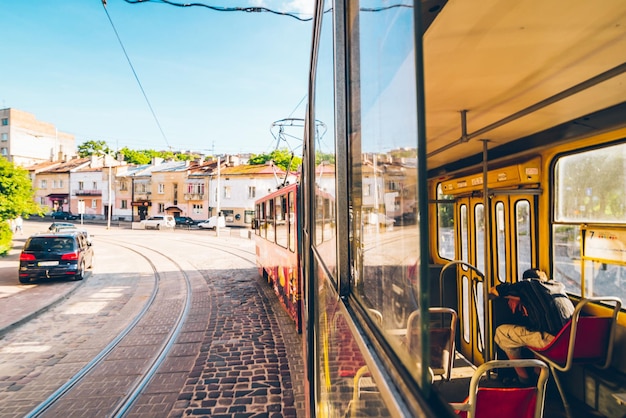
Advisable to book a reusable transit card ahead of your Granada visit and top it up. This keeps costs predictable, speeds up boarding, and keeps youre moving when the driver signals the card reader. The main routes center around the city core and the genil crossing, so youre within easy reach of the most popular sights.
The main options are buses and the tram, with the tram running a dedicated line that crosses the city from east to west and links to the university area. Local buses reach the albaicín, realejo, and the genil riverside, often continuing to the bus station. Review maps and live updates; they help you find crossing points to use and reach your destination.
Buy a reusable card or single tickets at stops. Costs stay affordable; a single ride is usually under a couple of euros, and a 24-hour pass covers buses and the tram within a day. Book the card online or at the main station before you go to save time and avoid queues.
If youre travelling from cordoba, take a long-distance coach to Granada’s central bus station and switch to the local bus network or the tram. This keeps costs within the city limits and avoids parking hassles. Renting a car here is often unnecessary, and you can rely on the public network to move from Cordoba to the main sights.
Crossing the genil river is easy on the tram bridge or on bus routes that run along the riverside. To reach Pampaneira or other Alpujarras villages for a day trip, catch a coach from the central bus station; these services usually offer flexible schedules and return options. From Granada, renting a bicycle near the centre lets you explore the crossing routes and then hop back on a bus if needed.
Renting a bike near the city centre complements the public network, especially along the genil riverbanks and the routes toward the main sights. A bike lets you mix bus or tram segments with quick, good side trips that reveal side streets and viewpoints you wouldn’t reach by car.
Finding the right stops is easy thanks to clear signs and bilingual maps; plan routes by the app and check the last tram or bus times from the main stations. The system typically offers frequent service on weekdays, so youre likely to wait only a few minutes during peak hours.
Within Granada, you can combine bus and tram lines to reach the Cathedral, the genil riverside, and other central spots efficiently. If youre planning a short stay, keep the plan flexible and use the tram to traverse the crossing zones near the center; you can switch to a bus for outer neighborhoods without extra planning.
Choosing the Right Granada Transit Pass: Buses, Trams, and Ticket Options
Choose a five-day Granada transit pass that covers both buses and the tram; it offers the best balance of flexibility, value, and peace of mind for most visitors exploring the main streets, popular places, and the Alhambra area, especially during busy times. It works across days.
This pass includes a minimum credit to start and runs on the city’s ticket system. You simply tap on entry and exit, and the fare deducts automatically. You can top up with a credit card at kiosks or online, and you may print or save a voucher for quick access. While you travel, your pass remains valid on buses and on the tram, serving as your single point of access to rides around town, from the main streets to outlying places.
For stays of around two to four days, a three- to five-day pass is often the best option; for longer visits, a longer duration or a pay-as-you-go approach might be better. The name of each pass often tells you its validity window. Consider how far you plan to travel: kilometers mark the length of routes, and the seats on board are usually comfortable. If you rent a bike or a moto, you still might use the transit pass for trips around the historic center and near Alhambra parking areas. Although the Alhambra entry requires a separate ticket, the transit pass helps you reach the site efficiently.
Tip: pick a pass that matches your spending and travel patterns. If you’ll be around the Alhambra and the main streets, the five-day option often covers these routes. The ticket system is widely used, and you can pay with credit at ticket offices or kiosks. These passes offer discounts at partner places and vouchers for days when you’re spending time outside the city center. To maximize value, use the pass on multiple rides and avoid buying individual tickets too often. If plans drop or change, adjust your pass accordingly.
From Airport to Granada City: Fastest Public Routes, Frequencies, and Timetables
Take the airport express bus to Granada city center–it's the fastest public option, with direct coverage and no transfers.
The fastest route is the ALSA Airport Express from the GRX terminal to central Granada (Granada Estación de Autobuses or Gran Vía area). The trip typically covers 40–50 minutes, depending on traffic and stops, and it lets you cover the distance without changing vehicles.
Frequencies run typically every 60 minutes during daytime hours, with earlier departures and a later service on weekends. First buses usually leave around 05:40 and last services run near 00:40. If you flights arrive at night or you land during a quiet period, you can still catch a late bus, but plan ahead and verify the exact timetable for your date.
Board at the front of the terminal; tickets can be purchased at the intake desk or on board, but you’ll typically find the best price at the booth. The fare is charged per ride and is usually around €4–€5, with the same price for return trips if you book within the same day. If you have extra luggage, expect a small surcharge on some departures.
If you want a cheaper option, local buses with blue signage connect the airport with some city stops and nearby towns; these are slower and typically require one or two transfers, taking 60–90 minutes. They can be useful to reach outer areas or to explore the Alpujarra towns like Albuñuelas, Bubión, and Trevélez, but they don’t beat the express in speed for a direct city center arrival. The blue routes are good to know when you plan to visit those destinations in one trip, or when you want to save on fare.
Ride-sharing offers another practical path: within Granada you can arrange a pickup via ride-sharing apps directly from the airport curb. This option can be convenient if you travel with a group, have heavy luggage, or want a door-to-door ride without transfers. Prices vary by demand and time of day, but you’ll typically find a straightforward option that feels comparable to the bus, especially for a same-day arrival.
For planning, note that some connections to Córdoba or smaller crossings remain popular for travelers who want to combine a Granada stay with a day trip to nearby towns. If you plan a stop along the way, mention your destination in the app or with the driver, and you’ll find the route that keeps you moving without backtracking.
If you drive later, be aware of parking limits and city center restrictions. Granada’s core zones implement limits and paid parking areas, so use front-of-terminal pickup zones only for quick handoffs and consider official car parks near the city center. Many centers offer affordable daily rates, and some locations provide free hours in the evening or on Sundays, which can help you save time after your ride.
In short, if speed matters, pick the ALSA Airport Express for a direct, comfortable ride to the heart of Granada. If you want flexibility, combine ride-sharing with a later bus or use the blue line for a scenic cross-town connection. Either way, you’ll find a solid path from flights to the city, with reliable stops, good coverage, and clear options to fit your schedule.
Walking Granada: Practical Routes, Safe Crossings, and Landmarks on Foot
Begin your walk in Plaza Nueva and head along Carrera del Darro toward the Cathedral. This general route stays within granadas' historic core, with fine views of white-washed façades and the Darro below, inviting you to explore some of the city's most beloved landmarks on foot.
Cross at signalized corners near the Ayuntamiento to reach the Royal Chapel and Alcaicería. Stop on red, look both ways, and then move in your direction when the light turns green. Keep an eye on cyclists and street vendors, and give them space so you can continue smoothly with your plan.
Route options: Route A runs Cathedral -> Royal Chapel -> Alcaicería, finishing at Plaza Nueva in about 60–75 minutes at a relaxed pace. Route B climbs toward Albaicín via the Calle Calderería and the old steps, with viewpoints toward Sacromonte hills. If you prefer flat paths, stay on the Gran Vía corridor and loop back, or plan a subsequent stop toward Beas or güéjar area outside granadas once you reach the periphery.
Times of day and season matter: in the warmer months, start early and arrive at viewpoints when the light is soft; in cooler months, a mid-morning stroll works well. A typical walk adapts to your pace, so you can arrive at each stop when you want and stop for photos without rushing. If you use a card for transit, you can cover longer legs later; a scooter is handy for short hops on flat stretches, but push it only on sidewalks where allowed, and head downhill carefully. You may notice a small mural labeled bubión along a lane, a quirky reminder of local color. Hills around the güéjar area demand steady footing, and train connections exist for rides to Beas or güéjar if you want to see outside granadas.
Taxis, Ride-Hailing, and Blablacar: Fares, Pickup Points, and Booking Tips
Book a ride-hailing app for most travel around Granada; never mention your home address in chat with a driver, use the pickup point shown in the app. If you’re visiting attractions in the Alpujarras, plan ahead to combine taxi or ride-hailing with Blablacar for longer hops to Lanjarón or Guéjar Sierra, and you’ll keep your options flexible where time matters. Markets in the city sometimes sell granadas (pomegranates) as souvenirs, a tasty reminder of your day trips between streets and viewpoints.
Fares and Pickup Points
Taxis operate on a transparent system: the amount appears before you confirm, with a base around 1.6–2.5 EUR and roughly 1.0–1.2 EUR per kilometer afterward. A short hop in Granada’s center usually costs 6–12 EUR; an airport drop to Federico García Lorca Granada-Jaén (GRX) runs about 25–30 EUR, with a small night surcharge. Pickup points are plentiful at Plaza Isabel la Católica, Plaza de la Universidad, the train/bus station, and major hotels; you can also simply hail a taxi on busy streets like Gran Vía de Colón. For longer hops to Guéjar Sierra or Lanjarón, ALSA buses cover the routes, while Blablacar offers seat shares with prices typically in the 10–25 EUR range depending on distance and demand. If tickets were bought online, you’ll see the amount clearly in the app before you confirm the ride.
Booking Tips and Practicalities
Blablacar is a solid option for travel between Granada and the Alpujarras region, especially when visiting attractions and leaving in a group; check the driver’s rating and the first departure time, and confirm the pickup location where the driver will meet you. For first-time users, simply enter your destination, compare options, and choose the best-rated driver. When traveling to Lanjarón or Guéjar Sierra, ride-sharing often saves money, but if schedules clash, a direct taxi may be faster. If you arrive via Iberia at GRX, the airport curb is a reliable pickup point; from there you can leave the terminal and book a taxi or ride-hailing in seconds. In some cases, you’ll combine with a tram stop or ALSA service to reach specific attractions, so plan your route using the direction you’ll take and allow extra time for leaving Granada’s narrow streets. To keep things smooth, buy your ticket, check the amount, and avoid relying on chance in peak hours; tourists who plan ahead usually secure a better return schedule without rushing. Always align your pickup with the app’s map and ETA, and share your plan with a companion when visiting the Hoya region or heading toward the Alpujarras.
Parking, Car Rental, Bikes, and Scooters: Rules, Spots, and How to Ride Safely
Park in a central, paid garage or blue-zone lot and pay with a card to hold your spot; this main move saves time, avoids fines, and keeps extra walking to a minimum. This approach gives you quick access to stops, trains, and albaycin entries, while keeping costs predictable in cents. In Granada, plan around pedestrian areas and weather that can change quickly, so a nearby site with easy exits helps you stay safe and flexible.
Parking in Granada: Spots and Rules
- Use official parking garages or blue-zone spots near the center; look for clear signs, posted hours, and payment by card or app. This general approach reduces fines and holds space for your vehicle, especially on weekends or during events.
- Avoid street parking on narrow albaycin streets and at busy crossings; these lanes often have limited visibility and scanning cameras. If you park there, move the car promptly and leave room for pedestrians at crossings.
- Before you walk away, check the ticket validation or app confirmation; some garages show how long you can stay and where to exit. This extra step saves time at the end of your visit.
- In peak times, consider the distance from your parked car to your first stop; a short walk from a larger lot can be faster than circling for a tight space above a steep hill, especially in hot weather.
- If you’re visiting Albayzín, plan for cobbled, steep streets; park at the lower edge or near wider streets to keep access easy for you and your companions.
Car Rentals, Bikes, and Scooters: Options and Safety
- Car rentals: choose reputable offices in the city center or at the airport; use a card to hold the deposit and avoid extra holds. Minimum age typically starts around 21, with youth-driver charges possible. Inspect the vehicle for scratches, fuel level, and tire condition before you drive away, and return it full to avoid extra fees.
- Fuel and mileage: check whether mileage is unlimited or capped, and confirm the fuel policy (full-to-full is simplest). If you plan long day trips, verify distance limits and any surcharges in advance so you can budget accurately in cents.
- Driver basics: carry your license and a second form of ID; many companies require an international license for non-EU travelers. Clarify whether an additional driver will incur a charge and how it's recorded on the contract.
- Bikes and scooters: many shops and apps offer both pedicab-style bikes and electric scooters; read the safety brief, wear a helmet if available, and respect local bike lanes. In busy corridors, slow down, keep to the right, and use signals when turning.
- Helmet and gear: helmets are advised for all riders; some rental spots include them, others offer them as an add-on. If you ride at night, wear reflective gear and use lights; this is especially useful on dim street sections near the Albaycín area.
- Riding zones: stay on bike lanes where provided and use marked crossings to enter pedestrian zones. In the Albaycín’s narrow streets, walk the bike or scooter on tight passages to avoid conflicts with pedestrians.
- Crossings and stops: approach each crossing with caution; dismount if you must cross crowded pedestrian areas; note where stops and seats are for resting if you’re touring with kids or a group.
- Weather and planning: Granada’s climate can vary quickly; in rain or heat, adjust speeds, hydrate, and choose shaded routes when possible. If you’re planning a longer ride, map out a route with regular stops and a backup plan in case of weather changes.
- Costs and payment: most rental operators accept cards, but some may also take cash; carry small change for extra fees or parking meters. If you want flexibility, choose options with a transparent rate card posted at the site or on the app.
- Albaycin and beyond: in the tierno lanes of the historic district, keep speeds low and yield to pedestrians; these zones reward careful riding and a slower pace that enhances safety.
- Alsa and other connections: for longer trips or day tours, check the ALSA site for bus connections that can pair with your Granada exploration; transport links extend your choice of day trips while keeping your schedule simple.