
Oaxaca to Puerto Escondido - The New Road Changes Everything for Travelers

Take the new road and shave hours off your Oaxaca to Puerto Escondido trip. The Sierra upgrades deliver wider lanes and safer passes, so you arrive relaxed instead of worn out. Even in peak season the route flows smoothly and you skip long hold ups that used to slow the plan. Along the way, locals point to hidden spots for fresh fish and quick bites, great for a recharge before the next coastal stretch. This infrastructure work has been executed with care, giving travelers a calmer drive and scenery that shifts from highland forests to palm-fringed beaches and working harbors.
For those seeking speed or reliability, regional flights connect Oaxaca with Puerto Escondido's airport in under an hour, letting you skip the mountain routes entirely when time is tight. If you prefer the ground, the road corridor now hosts comfortable coach services with seats designed for long legs and minimal vibration. Coastal towns along the route offer simple day trips: snorkel near Isla Roqueta, or take a short water taxi to coves and reefs. When you plan, start with a morning check on weather and traffic, and map a flexible loop that includes a beach cafe and a surf shop stop.
When planning overnight stays, coastal towns along the route present a range of options, from midrange inns to boutique guesthouses with sea views. Favor marina districts for easy access to mornings surf and sunset strolls. Hotels and hostels frequently publish add-on deals, including late checkouts and guided tours that cover snorkeling and local cuisine. Fresh fish dishes appear in many menus along the route, making for simple, satisfying meals after a long day on the road. Local markets showcase crafts and produce that make easy, memorable souvenirs.
Gear up for a flexible itinerary. The new road makes coastal towns reachable in a single day, giving you more time for mornings on the beach and evenings with live music. If you surf, rent gear and try a lesson on Zicatela or Carrizalillo, then cool off with a dip in protected coves. With a few smart stops, you cover the best beaches, markets, and sunset viewpoints without rushing or backtracking.
Travel Time and Schedule: How the New Route Shifts Your Day
Recommendation: leave Oaxaca City at 9:00 am and plan for about 3.5 hours of driving on the new route, so you arrive closer to noon. Reserve a twenty-minute break for coffee and luggage checks, then check into a coastal it-resorts with a pool to cool off before lunch. Bring plenty of water and keep your phone handy for navigation.
What to expect on travel times
On the central stretch, the new bypass keeps you mostly on a direct line to the coast, eliminating the lengthy detours that defined the old road. In dry weather, expect driving times of roughly 3 hours 15 minutes to 3 hours 45 minutes; rain or road works can add 15–30 minutes. Gas stations along the route are reliable, with restrooms and quick snacks–ideal for a quick stop without losing momentum. If you visited before, you’ll tell friends that the way is clearer, with signage that helps you stay on track into the last stretch toward Puerto Escondido.
Smart moves to fit your day
Travel with luggage kept tidy in two compact bags, and plan for a flexible schedule so you have time for a dip in the pool at your home base. If you want options, else you can connect through vivaaerobus for a flight-and-drive mix, though the price tends to be higher and the day more fragmented. american guides who visited mexico central coast often suggest starting earlier to reserve beach time, since you’ll arrive with energy for a quick tour or a calm sunset at an all-inclusive resort. For those traveling with a group, shared arrangements save money and keep the plan reliable; most people who visited already found this approach easiest when lining up stations and hotel check-ins. If delays pop up, tell the driver or hotel ahead so they can adjust plans and you won’t miss your preferred check-in, especially on weekends when it-resorts fill up quickly.
Pickup Points and Transfers: From Oaxaca City to Puerto Escondido with Confidence
Direct ADO/OCC buses depart from Oaxaca City Terminal to Puerto Escondido. Choose an early departure to reach the coast by afternoon, reserve on the official website or at the station, and youll have a seat assignment with minimal fuss. For a smoother start, arrange a private transfer from your hotel or the Oaxaca airport; it’s faster and door-to-door, though the price is higher.
american travelers and york-based groups often pair a flight into Oaxaca with a long bus ride to Puerto Escondido, while locals from laguna towns mix transfers for flexibility. march crowds along the coast mean finding and confirming in advance pays off. In Oaxaca’s historic center you may notice adoquín paving on sidewalks, which helps navigation between pickup points.
Direct Bus Options
Pickup Point: Oaxaca City Terminal, with stations served by ADO and OCC clearly labeled. In Puerto Escondido, the arrival point is near the main beaches, where a taxi can drop you at your hotel or rental. The route offers some of the nicest coastal scenery, with incredible coastal cliffs and lagoons along the southern route. Most services stay on schedule, though a brief stop for a meal or rest occurs on some trips; tickets typically run about 600–900 MXN depending on seat type, and you can pay at the window or on the official website. For tourist groups, youll find the process straightforward, and many options include free water on board. If you’re traveling with a larger group, ask about an additional stop or a private car option from the same company; you may even save with a member discount.
| Option | Pickup Point / Station | Mode | Duration | Notes |
|---|---|---|---|---|
| Direct Bus | Oaxaca City Terminal (stations served by ADO/OCC) | Bus | 7–9 hours | Early departures available; reserve in advance; add'l water provided on some services |
| Private Transfer | Your hotel or Oaxaca airport | Private vehicle | 6–8 hours | Door-to-door; higher cost; driver meets you with a name sign; ideal for families |
| Flight + Ground Transfer | Oaxaca Airport or hotel pickup | Flight + taxi/shuttle | 1h30 flight + 20–40 min drive | Check vivaaerobus schedules on the website; stopovers often in the south; youll need to supply your name and email for the booking |
Snorkeling options kick in once you reach Puerto Escondido, with incredible spots around Playa Zicatela and nearby lagoons. The blanca coast area offers a variety of calmer bays and easy access for first-time snorkelers. If you arrive during the peak season, mosquitoes can be noticeable in humid areas, so bring repellent and plan an indoor break at dusk. Explore the blanca stretch along the coast for some of the nicest snorkeling experiences; a short taxi ride from the terminal gets you to the best sites.
Tip for visiting: when you book a flight, you may opt for a stopover in Mexico City or another hub, which can be convenient for american or york travelers adding a little extra time for exploring. The vivaaerobus website lists schedules and fares, and you can indicate your name and email to receive final confirmations from the company. If you travel as a group, you may qualify for additional discounts or a tourist package offered by partner stations and transfer services.
final note: finding the right transfer means comparing price, duration, and flexibility. If you’re visiting eastern Oaxaca or planning a short stopover before the southbound coast, a private transfer offers the simplest option, while the direct bus keeps costs down and stays reliable. For many, the meaning of a smooth transfer is clear: clear pickup, courteous drivers, and minimal waiting, so you can focus on the incredible snorkeling and relaxing days ahead.
Seasonal Road Conditions and Practical Driving Tips
Book a shuttle in advance from Oaxaca to Puerto Escondido to avoid crowded pickups and long waits; budget travelers often save by using local shuttle companies rather than last-minute taxis. Think ahead: confirm pickup points, opt for door-to-door options if possible, and share itineraries with those in your group. They can also compare prices across providers.
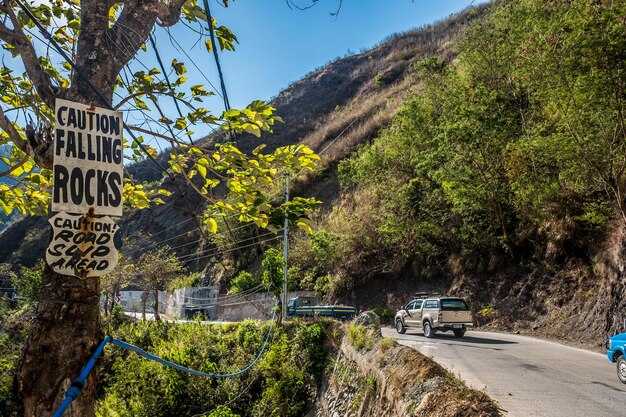
Seasonal road conditions shift with the monsoon. June through October bring mud, rockfalls, and roadblocks on coastal routes; normally, drivers slow down and reroute when needed. The laguna stretch can flood after heavy rains, and altamar tides may close some lanes briefly.
Surfers and other travelers plan around crowded stretches near popular towns on saturday. On these days, start early, carry water and snacks, and keep a basic tool kit handy. If you miss a turn, stay calm and use GPS to re-route. If you travel with companions, adjust timing for them.
Guides from reputable companies stay updated on detours; they can recommend the best alternate roads when blocks appear. They shouldnt rely on questionable shortcuts; stick with official signs and local advice. The route isnt always quick, but preparation pays off, especially if you plan buffer days.
Myself, I always build a buffer into trips and prefer straightforward stretches around laguna towns; this approach suits budget trips and helps travelers enjoy it-resorts without rushing. Those who visited the coast note that even with delays, the scenery and people make the trip worthwhile. Many travelers enjoyed the scenery during the ride.
Laguna Manialtepec Bioluminescence Tour: Booking, Timings, and What to Bring
Book your Laguna Manialtepec bioluminescence tour at least two weeks in advance to secure a boat slot and your preferred time. Check the moon phase and the radar for weather; cdmx travelers often include this stop after arriving in Oaxaca, and it-resorts in the area frequently offer package options with transfers. The ideal night is dark and calm, so align your plans with a new moon or thin crescent for the brightest glow. Tell the operator your group size and preferred start time, since most boats are priced per boat rather than per person, but costs can increase with extras. Insurance may apply depending on the operator; verify what applies to your booking and review any cancellation terms before paying. If weather shifts, some itineraries can shift by 30–60 minutes, and a few operators barely cancel–having a flexible plan helps you maximize your time and avoid unnecessary stress.
Booking and Costs
- Choose a licensed operator in Puerto Escondido or nearby oaxacan communities; confirm they provide safety gear and a guide. Ask what services are included and whether insurance is offered or recommended.
- Costs typically range from roughly 400–900 MXN per boat for up to 6 people, with some operators charging per person or adding a small pickup fee. Compare a few options to see the same value across providers.
- Public docks host several options, but many visitors prefer private or small-group trips for a more intimate glow; consider how many people you’re taking and whether a private boat suits your vibe. Plenty of itineraries exist, and some packages include hotel pickup or a quick dmx transfer–ask if theyre available.
- Book via official operator websites or trusted local agencies; use checklists to confirm inclusions such as life jackets, a bilingual guide, and a brief safety briefing. If you’re staying at an it-resorts, ask your concierge for vetted recommendations to avoid inflated “tourist trap” pricing.
- Read the cancellation policy and verify what happens if weather or tides increase your risk; good operators offer flexible rescheduling rather than forcing you to cancel your plans entirely.
- Carry a modest amount of cash for tips or incidental costs, and confirm whether cards are accepted at the dock–some places are cash-only at the pier.
Timings and What to Bring

- Tours usually start after sunset and run about 60–90 minutes, often from 6:30 pm to 9:30 pm, depending on the season and moon phase. If the sky is exceptionally clear, you’ll see brighter constellations and stronger glow; if not, theyre still mesmerizing, just different in meaning.
- Best conditions occur on nights with a dark sky and calm water; heavy cloud cover or strong winds can diminish the glow and the experience, so check the radar and plan accordingly. If you’re taking photos, prepare for longer exposures and keep your shutter steady–a small tripod can help, but many boats offer stable surfaces for reclining or leaning with a calm stance.
- What to bring:
- Waterproof bag for phone and valuables; the activity happens on a boat, and splashes are common.
- Light layers and chic, comfortable clothing; evenings can be cool by the water, so a thin jacket helps. Recline on the bench or deck and enjoy the glow without bulk.
- Insect repellent and sunscreen (apply sparingly if you’re using reef-safe options); avoid strong scents that could affect the luminescence and the local wildlife.
- Cash or card for tips, photos, or on-site purchases; some docks operate on cash while others accept cards, so check ahead.
- Camera or phone with a night-mode setting; do not rely on flash, as it disrupts the experience for others and can disturb the glow. Bring a dry bag for electronics to keep them dry during the ride.
- Small towel and a spare pair of socks; you may get damp, and you’ll want to dry off after the ride if you linger on the dock.
- Insurance documentation or travel coverage notes if you’ve got specialized coverage for water activities; verify with your provider whether this excursion is covered.
- Tips for a smooth experience: arrive with ample time to check in at the dock, avoid taking a crowded bus ride if you’re traveling from CDMX and plan a relaxed transfer, and respect the guides who know the best patches of glow–they’ve watched the lagoon transform throughout the season and will tell you what’s most likely to wow you. Lots of visitors find that the same glow you see in person translates differently on camera, so enjoy the moment before worrying about photos.
- Public access points are common, but private charters can offer more control over timing and a quieter experience. If this matters to you, indicate your preference when you book so they can advise on the best option.
Cost, Packing, and Quick Itineraries for the Oaxaca–Puerto Escondido Drive
Depart Oaxaca City at first light and drive through winding passes toward the coast; the Oaxaca–Puerto Escondido stretch is about 260–290 km and typically takes 5–6 hours of driving, longer on busy days. Departure around 6:00–7:00 am gives you very comfortable daylight for the hills and a calmer coast approach. Expect a fuel price around 550–800 MXN for a typical compact SUV one way, depending on your engine and how often you run the AC. Fill up in Oaxaca before you head off, then rely on mid‑route stations for a quick top‑up if needed. In Puerto Escondido, public parking near the center usually costs 20–40 MXN per hour, with daily rates around 150–300 MXN in busy periods. Along the route you’ll pass houses perched above gorges and traditional casas where a family member or a local host can give you tips; you might even see signs bearing names like Perez or juarez, which reminds you this area became a home for travelers and locals alike. If you’re traveling with others, a small company can set up a simple, safe plan that keeps your departure smooth and your day moving, wherever you’re headed. Lots of travelers headed to the coast actually choose to stay somewhere between Oaxaca and the sea, making stops to stretch, buy snacks, and chat with locals in the markets.
Your packing should be practical and light, with room for beach gear and a little extra for mountain weather: breathable clothes, a lightweight rain jacket, sturdy sandals, sunscreen, a hat, and a reusable water bottle; a compact first aid kit; a spare tire, jack, and basic tools; a car charger and offline maps for areas with spotty signal; and cash for small purchases. For staying comfortable on the coast, bring a swimsuit and towel, a light blanket for air-conditioned rooms, and a small cooler for drinks and snacks. Include traditional snacks or coffee on hand, and consider a portable fan if you’re sensitive to heat. If your Casa or hotel hosts are friendly, you’ll often pick up local tips during your check‑in or stay, a reminder that traveling with a neighborly mindset makes the experience easier for your group and for any local residents you meet along the way.
Quick itineraries: Option A – direct day drive: departure around 6:00–7:00 am from Oaxaca City, aim to reach the coast by late morning, and spend the day on one of Puerto Escondido’s beaches such as Zicatela or Carrizalillo. This keeps your price predictable and your schedule flexible for a sunset walk and dinner by the sea. Option B – two‑stop coastal tease: head out early, make a relaxed stop in a mid‑route town for lunch and a short stroll, stay in a casa for the night, then continue the next morning to the beach; this reduces fatigue and gives you time to explore public markets and small cafés. Option C – slow weekend with a stay: depart Friday afternoon, travel at a comfortable pace, stay in two small towns along the way, and arrive in Puerto Escondido Saturday to catch a morning surf or a whale‑watching boat if the season allows. In all cases, bring enough cash for parking and meals, and consider a short stay near a traditional town to support the locals. If you want extra reassurance, a local guide can join your crew and help with departures, water stops, and safe parking–giving your group more confidence as you travel anywhere along the route.


