



 한국어
한국어  English (UK)
  Русский
  العربية
  日本語
日本語  Magyar
  Türkçe
  Español
  Čeština
  Svenska
  Português
  Ελληνικά
  Suomi
Suomi  Nederlands
  Română
  Italiano
  Français
  Polski
  Українська
  Deutsch
  简体中文
简体中文  Slovenčina
 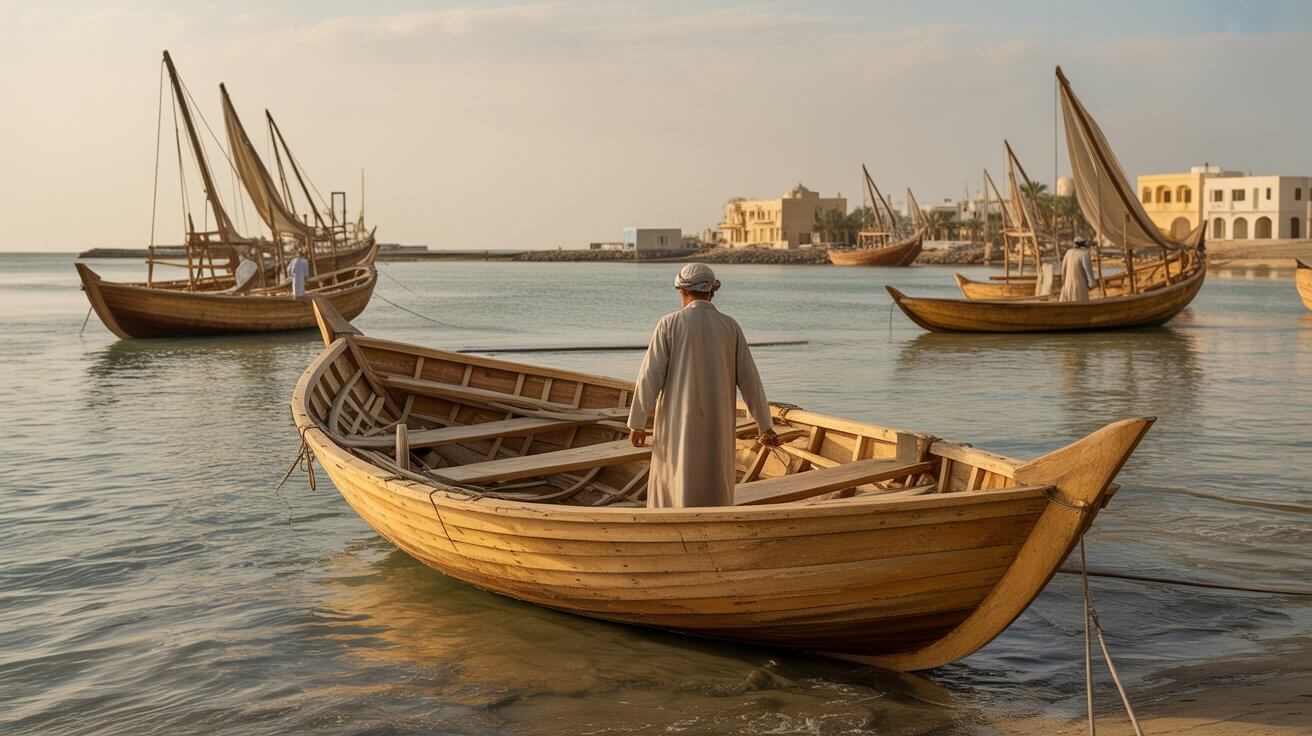 시트라 바레인의 살아있는 해양 유산과 전통적인 선박 건조 문화 발견하기">

Sitra Bahrain: A Coastal Island City Steeped in Maritime Tradition
Along the eastern coast of Bahrain lies Sitra, an island city where the sea intricately shapes the daily lives of its residents. This vibrant community holds tight to its centuries-old fishing heritage and traditional boat-building craft, making it a captivating destination for those interested in authentic maritime culture rather than just typical tourist attractions.
Living Traditions on the Shores of Sitra
Sitra is much more than a quiet island; it is a place where fishing and the construction of hand-built wooden dhows continue as living practices. Unlike many places where heritage is confined to museums, here, these maritime traditions unfold actively in the fishing harbours, family workshops, and along the salt-tinged shoreline.
What Defines Sitra’s Unique Appeal?
Core Elements of Its Maritime Identity
- Traditional fishing communities: Families whose livelihoods are bound to the tides and seas.
- Hand-crafted wooden dhows: Boats shaped and assembled by skilled artisans passed down through generations.
- Close-knit relationship with the sea: Daily activities revolve around fishing schedules, boat maintenance, and marine knowledge.
Geographical and Demographic Overview
Sitra’s Location and Its Island Character
Despite modern causeways connecting Sitra to the Bahrain mainland, the island retains a distinct coastal aura. This closeness to the water isn’t just visual; it forms an essential part of the cultural landscape and lifestyle, keeping maritime tradition alive against the backdrop of contemporary infrastructure.
The People of Sitra: Maritime Families and Craftsmen
The population lives within communities historically committed to fishing, dhow building, and trade by water. Occupations directly linked to the sea underscore a continuous tradition that connects past generations to the present.
Historical Roots and Maritime Practices
Pre-Oil Era Foundations
Long before oil reshaped Bahrain’s economy, the sea was the primary provider. Fishing and boat-building not only sustained local livelihoods but drove trade and cultural exchange. These practices are not mere relics; they represent a tangible link to the island’s origins.
Fishing as Daily Life
Fishing here is a hands-on, practical activity — not just a symbol of heritage. Early mornings are marked by preparation tasks such as repairing nets, maintaining boats, and sorting catches. The rhythm of the sea’s tides dictates every move, from departure to return.
Traditional Techniques Passed Orally
Fishermen depend on oral knowledge honed over generations — understanding currents, seasonal fish patterns, and weather changes — a rich skillset transmitted without written manuals.
The Art of Dhow Building in Sitra
Handcrafting Wooden Vessels
Sitra remains one of the few centers in Bahrain where wooden dhows are still built by hand. Craftsmen use age-old tools and methods, shaping each plank to fit just right, ensuring the boats remain functional and seaworthy rather than museum pieces.
Observing a Rare Craft
Visitors can witness the boat-building process firsthand: from the skeletal formation of wooden hulls to the collaborative effort among craftsmen. This rare glimpse showcases a skill deeply embedded in Sitra’s coastal identity.
Shifting Landscape: Industry Meets Tradition
A Juxtaposition of Old and New
Sitra’s shoreline presents a striking contrast — alongside industrial harbours and infrastructure, traditional boats continue to ply the waters, connecting cultural memory with modern economic activity. It illustrates how tradition persists even amid change.
Experiencing Sitra’s Maritime Atmosphere
Engaging the Senses Along the Coast
- Breathing in the crisp salt air
- Observing wooden hulls sun-drying
- Watching fishing nets stretched out to dry
- Listening to quiet, purposeful conversation among fishermen
This authentic sensory experience richly conveys stories of a working coast without the need for signs or tourist trappings.
The Importance of Respectful and Responsible Tourism
Visiting with Sensitivity
Visitors are encouraged to respect the working environment — avoiding interruptions, seeking permission before photographing, and maintaining a considerate distance from workshops. This respect is crucial to preserving trust and sustaining Sitra’s living heritage.
Food and Community: More Than Just Maritime Skills
Fresh Flavors From Sea to Table
Seafood is at the heart of local cuisine, often caught the same day it is enjoyed in family homes, celebrating freshness and the closeness of the fishing lifestyle.
Community Cooperation
Coastal residents depend on each other, sharing tools, labor, and knowledge — a social fabric that underpins survival and resilience in this maritime environment.
Travel Tips: Who Should Visit Sitra?
For Travelers with a Slow Travel Mindset
- Those who enjoy observing daily work without rushing
- People who appreciate walking seaside paths and soaking up the coastline’s calm
- Visitors interested in authentic, unpolished cultural experiences
Sitra’s Cultural Role and Future Outlook
An Enduring Pillar of Bahrain’s Sea Heritage
Sitra holds a central place in Bahrain’s maritime history — its ongoing fishing and boat-building traditions remind visitors of the island nation’s deep connection to the sea. Cultural preservation here means supporting the people, their craft, and their ecosystem rather than turning these traditions into static exhibits.
A Destination for Genuine Cultural Immersion
Unlike the conventional tourist beaches where leisure dominates, Sitra’s coast remains a place of function and purpose. Visitors gain much from quietly witnessing an unfiltered maritime world that continues to thrive today.
Summary and Travel Connections
Sitra Bahrain offers a rare glimpse at a living maritime culture, shaped by generations of fishing families and skilled dhow builders. The blend of tradition and modest industrial presence reveals a coastal city where heritage isn’t behind glass but actively woven into community life. Travelers with an appreciation for authentic cultural encounters will find Sitra a meaningful addition to their itinerary.
For those considering ground transportation and transfers within Bahrain or neighboring regions, platforms like GetTransfer.com provide a unique opportunity. With the ability to select exact vehicle types and check driver and car details beforehand, travelers can enjoy transparent, reliable service that complements visits to culturally rich destinations like Sitra.
While the importance of reviews and feedback cannot be overstated, nothing substitutes experiencing Sitra’s maritime charm firsthand. GetTransfer.com connects users to verified providers offering competitive prices and an extensive car selection, easing the journey to places where tradition lives on. The convenience, affordability, and range of options on the platform empower travelers to plan with confidence and avoid costly surprises. 차량 서비스 예약하기 GetTransfer.com.
The preservation and continued practice of fishing and boat building in Sitra highlight the complex balance between maintaining cultural heritage and embracing modernity. Though these traditions may not reshape the global tourism map dramatically, they provide valuable insights into local identity and community resilience. As GetTransfer continues to stay in tune with evolving travel trends, it remains an ideal companion for those looking to explore Bahrain’s authentic maritime scenes and beyond. Start planning your next adventure and secure your worldwide transfer with GetTransfer.
댓글