



 한국어
한국어  English (UK)
  Русский
  العربية
  日本語
日本語  Magyar
  Türkçe
  Español
  Čeština
  Svenska
  Português
  Ελληνικά
  Suomi
Suomi  Nederlands
  Română
  Italiano
  Français
  Polski
  Українська
  Deutsch
  简体中文
简体中文  Slovenčina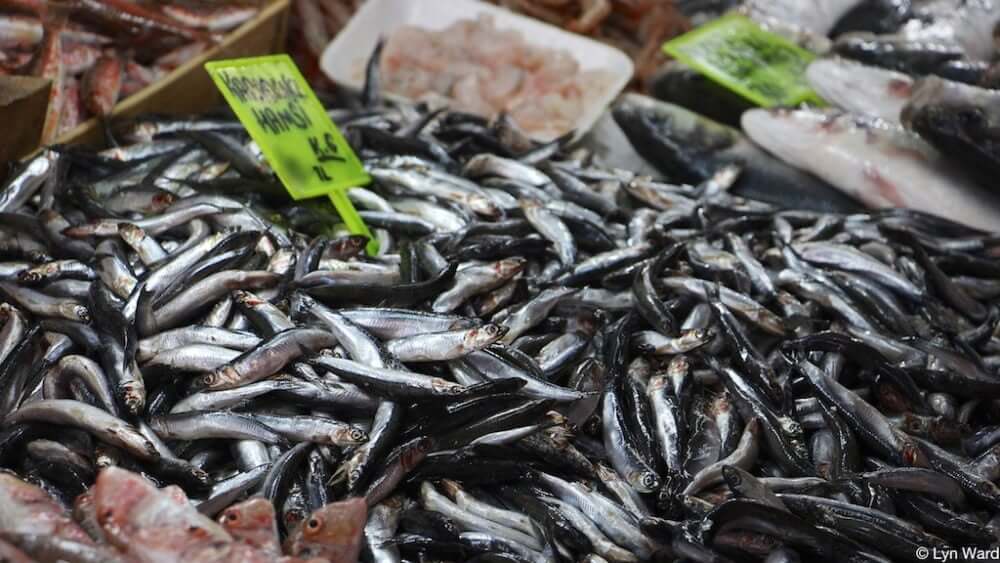

Hamsi: More Than Just a Fish in Turkey
Turkey, surrounded by seas on three sides, enjoys a vast variety of seafood, yet none holds quite the cultural significance as hamsi, the Anatolian anchovy. Especially cherished in the Black Sea region, hamsi is more than a humble fish—it is a culinary icon and a symbol of regional identity. With its silver shimmer and modest size of about 12 to 15 centimetres, hamsi takes centre stage on dining tables across northern Turkey, particularly in winter when the Black Sea yields its bounty.
The local affection for hamsi runs deep: it has inspired songs, poems, and culinary traditions that reflect the rich heritage of the Black Sea communities. A local saying contrasts regional preferences, noting that while outsiders may prefer anchovies deboned, Black Sea residents embrace the fish whole — bones and all — especially when pan-fried.
The Role of Hamsi in the Black Sea Culture
Abundant and affordable during its peak season, hamsi is an everyday luxury, gracing tables from simple homes to festive gatherings. This fish’s versatility sees it prepared in countless ways, from the classic fry to more elaborate dishes.
Classic Preparation: Fried Hamsi
Frying is by far the most accessible and popular way to serve hamsi. The process is straightforward: after a thorough rinse, the fish are dusted with either regular or cornflour, then fried in a well-oiled pan until crispy and golden on each side.
Hamsi Pilav: A Royal Connection
Hamsi has even graced the tables of Ottoman sultans, often paired with a special rice dish known as pilav. This tradition persists in many homes today, particularly among the Laz people, an ethnic minority inhabiting the lush Kaçkar Mountains that meet the Black Sea.
Ingredients for Hamsili Pilav
| Ingredient | Quantity |
|---|---|
| Fresh whole anchovies | 1 kg |
| White rice | 1.5 cups |
| Large onion, finely chopped | 1 |
| Currants | ⅓ cup |
| Pine nuts | ¼ cup |
| Vegetable oil | 2 tablespoons |
| Chopped dill | ½ cup |
| Salt | To taste |
| Black pepper | To taste |
Preparing Hamsili Pilav
- Sauté pine nuts in vegetable oil over medium heat until lightly browned.
- Add the finely chopped onions and cook until golden but still soft.
- Mix in rice and cook for a few more minutes.
- Add currants, dill, black pepper, and salt; stir to combine.
- Add enough water to cover the mixture and cook on low heat until water has mostly absorbed but the rice is slightly underdone (yarım pişmiş).
- Debone the anchovies and remove guts, resulting in small, flat fillets.
- Layer a well-oiled casserole dish with anchovies lining the bottom and sides.
- Spread half the rice mixture over the fish layer.
- Add another anchovy layer, then the remaining rice, and finally a top layer of anchovies.
- Add enough water to cover the top fish layer, drizzle with vegetable oil, and bake at 200°C for about 30 minutes or until water is fully absorbed.
- Serve by cutting into squares and gently lifting portions out with a spatula.
Pickled Hamsi: Preserving the Beloved Fish
The Black Sea communities have taken their love for hamsi a step further by creating pickled hamsi (turşu). This method is simple and effective: after cleaning, the fish is packed into jars or plastic containers with vinegar, oil, bay leaves, and lemon slices. Stored away from sunlight or refrigerated, these pickles can last unopened for over a year, allowing fans of hamsi to enjoy the taste beyond the fishing season.
The Cultural and Culinary Legacy of Hamsi
Hamsi’s role extends well beyond the plate; it embodies the spirit of the Black Sea and Turkish coastal life. From the bustling seaside fish markets where fresh catches are negotiated, to the festive tables where families gather to share meals, hamsi connects people to their land and sea. In the context of travel and transfers, knowing local food customs enriches the journey—whether hopping in a taxi to a coastal market or booking a transfer to a traditional restaurant specializing in hamsi dishes.
How Platforms Like GetTransfer.com Enhance Culinary Travel
Booking transportation with GetTransfer.com offers travelers the advantage of choosing the exact vehicle they want for their culinary explorations. Whether planning a trip to the Black Sea coast’s fish markets or a remote village famed for its hamsi recipes, having a reliable and comfortable car with a local driver makes the experience seamless. On the platform, users can view detailed information about each vehicle and driver, gaining transparency and confidence seldom found in traditional taxi aggregators.
주요 하이라이트 요약
- 함시 is Turkey’s beloved national fish, especially cherished in the Black Sea region.
- 그 물고기는 독특한 풍미를 기념하는 많은 전통 요리법과 함께 지역 문화, 시, 요리에서 두드러지게 나타납니다.
- 인기 있는 요리로는 튀긴 함시, 함실리 필라브(멸치 쌀 캐서롤), 절인 함시 등이 있습니다.
- 이 요리 전통은 방문객에게 터키 해안 여행 동안 탐험할 가치가 있는 풍부한 현지 경험을 제공합니다.
- 안정적인 전송 서비스 이용과 같이 GetTransfer.com 정통 지역 요리와 문화 유적지에 효율적이고 편안하게 접근할 수 있도록 지원합니다.
경험이 리뷰보다 더 중요합니다
아무리 자세하고 긍정적인 리뷰가 있어도 개인적인 경험과는 비교할 수 없습니다. GetTransfer에서는 사용자가 합리적인 가격으로 검증된 제공업체의 운전기사가 딸린 차량을 고용하여 예상치 못한 비용이나 저조한 서비스의 위험 없이 여행 계획을 관리할 수 있습니다. 편리함, 경제성, 다양한 차량 옵션은 물론 다양한 추가 혜택을 누리세요. 이러한 투명성과 사용자 중심 접근 방식으로 그 어느 때보다 쉽게 여행과 현지 식사 경험을 결합하여 요리 모험을 계획할 수 있습니다. 차량 서비스 예약하기 GetTransfer.com.
앞으로의 전망: 여행 및 관광에서의 함시의 역할
함시의 영향력이 하룻밤 사이에 전 세계 관광 산업을 재편하지는 않겠지만 터키 흑해 연안으로 음식 애호가들을 끌어들이면서 지역 여행 경험에 필수적인 역할을 합니다. 함시와 같은 문화적 요리의 아이콘을 인식하면 여행자들이 목적지와 깊이 연결되는 데 도움이 됩니다. GetTransfer는 진화하는 여행 트렌드에 맞춰 음식이 모든 여행의 필수적인 부분인 곳에서 원활한 이동을 보장하기 위해 최선을 다하고 있습니다. GetTransfer를 통해 다음 모험을 계획하고 전 세계 이동을 확보하십시오.
결론적으로, 험시는 터키의 해양 유산과 요리 창의성에 대한 증거입니다. 소박한 튀김 요리부터 왕실 오스만 요리에 이르기까지, 이 소박한 물고기는 현지인과 방문객 모두의 마음을 사로잡습니다. 터키 해안 도시와 마을을 여행하는 사람이라면 누구든 험시의 맛을 받아들이는 것이 지역의 영혼을 이해하는 맛있는 방법입니다. 신뢰할 수 있는 운송 업체를 선택하면 이러한 여정이 더욱 향상되어 편안함, 신뢰성 및 진정한 경험에 대한 직접적인 접근성을 제공합니다.
댓글