



 한국어
한국어  English (UK)
  Русский
  العربية
  日本語
日本語  Magyar
  Türkçe
  Español
  Čeština
  Svenska
  Português
  Ελληνικά
  Suomi
Suomi  Nederlands
  Română
  Italiano
  Français
  Polski
  Українська
  Deutsch
  简体中文
简体中文  Slovenčina
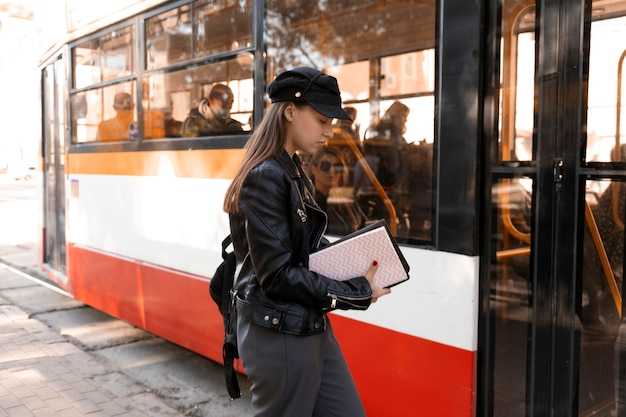
Book a ride-hailing pickup from the airport to your hotel; it’s faster, safer, and more predictable than hailing a taxi on crowded streets. The app shows you exactly an ETA and issues a digital ticket that you can use for receipts or refunds if plans change.
The metro is the backbone of travel in the city center. The network operates on five lines and about sixty stations, connecting the main centers of activity across russian neighborhoods. Tickets are straightforward: single-ride options, 24-hour and 72-hour passes, with prices that won’t shock first-time visitors. Use contactless cards or the official app to track fares exactly and avoid surprises, which helps american visitors navigate the fare system with confidence.
For routes not served by the metro, buses and trams cover the rest of the city; plan short hops during daylight rather than long stretches at night. Buses can be overcrowded during peak hours, so consider a walk between a couple of stops if you’re in good shape. Along the river and through historic districts, you’ll pass by centuries-old buildings with curtains in the windows–reminders of life in parts of the city. When you choose to walk, you’ll notice how private operators fit into the broader transport industry landscape, offering more flexible means for sightseeing.
Ticketing is simple: buy at kiosks in every metro station or via the city’s ride-hailing partners; keep your ticket code ready for boarding checks. In major hotels, the 접수 desk can help you purchase passes or order a taxi, especially if you have luggage or a tight schedule. If you prefer a private driver, agree on a clear price before the ride to avoid surprises at the end of past 여행.
Plan around a realistic budget: a metro ride costs around a few dozen rubles per trip, while a short ride with a ride-hailing app is usually competitive with a taxi, depending on traffic. The city’s transport industry exceeds expectations for visitors who value speed and clarity; use walk when distances are short, and switch to the metro or ride-hailing for longer segments. A well-planned route will have you transported across districts, from Nevsky Prospekt to the riverfront, with confidence and comfort in american style practicality.
Metro and transit card: how to obtain, top up, and use it across metro, buses, and trams
Purchase Podorozhnik at a metro hall window or official kiosk. An agent like alexander can explain options and confirming activation for metro, buses, and trams. Upon purchase, the card activates immediately and the letters themselves identify its operator on the surface of the card.
The card price is fixed, and you load trips onto it as you go. The system is efficient and widely used in St. Petersburg; moscow offers a similar model, though the details differ. For another traveler, this single card can replace multiple tickets. It works across surface transport and train lines, with government tariff updates affecting fares in some cases.
Top up options include metro self-service machines (cash or bank card), ticket offices or official kiosks in the hall, the official mobile app, or authorized partner shops. The minimum top-up is usually 100 rubles, and balance updates quickly. Upon topping up, you can verify the remaining balance on the reader before boarding to be sure you have enough funds for your ride. The experience is generally straightforward, and staff can assist confirming any questions.
How to use: approach the turnstile in the metro and tap the Podorozhnik on the reader; the gate opens and you pass. On buses and trams, tap on the reader near the door when you board. The Podorozhnik works across metro, surface transport, and some suburban train routes; if you notice decorated surfaces and heraldry above the halls, the card still works the same. For west city routes, you will use the same card, giving a smooth experience and sure convenience. This system helps simplify travel and ease nerves on busy days.
Where to purchase and activate

Visit a staffed window or kiosk in the hall of any metro station to purchase Podorozhnik. An agent can explain options, help you choose the best one, and confirm activation. The process is straightforward, and the card is ready to use across modes immediately. Formerly, travellers relied on paper tickets; now Podorozhnik offers a fixed, efficient solution for surface and train travel. For travelers visiting from other countries, the experience remains similar and easy to adapt, such that you generally purchase once and reuse the card across trips.
Top-up options and usage tips
Use self-service machines, ticket offices, the official app, and partner shops to top up. A balance check is visible on the reader; keep an eye on it to avoid surprises. In the west part of the city, you’ll find many top-up points. The decorated stations and hallways can help you navigate surface routes, and naval motifs on some decor provide a visual cue without affecting function. The government periodically updates tariffs, so confirm the latest rules before long trips. Purchase and use the Podorozhnik with confidence and enjoy a simpler surface experience.
| Top-up method | Where | 최소 | 참고 |
|---|---|---|---|
| Self-service machines | Metro stations | 100 rubles | Cash or bank card; balance updates quickly |
| Ticket offices / kiosks | Station halls | 100 rubles | Staff can assist with activation |
| Official mobile app | Your phone | 100 rubles | Requires account; balance reflects instantly |
| Partner shops | City shops with Podorozhnik sign | 100 rubles | Not all locations; verify signage |
Real-time navigation: which apps help plan routes and read schedules in St. Petersburg
Use Yandex.Maps as your primary planner. It delivers real-time transit updates, route alternatives, and walking times from Nevsky Prospekt to narvskaya or the Zenit area, helping you move with minimum friction. The map highlights architectural landmarks and detail along the route, showing points of interest and the yards of historic buildings, and you can save plans for easier access based on your experience.
Pair it with Google Maps for cross-checking live departures and street-level imagery; Moovit emphasizes bus and tram schedules, including routes serving the soccer stadium after Zenit matches. These apps generally show numbers for departures and live statuses, sometimes with a blockquote note that summarizes key details, making the choice easier.
2GIS supplies offline maps with detailed building data, useful when data drops or you’re in a crowd. It lists telephone numbers and addresses, which helps when you need a quick contact. For tourists, this helps locating entrances near nevsky and narvskaya; the tool has worked well in the city’s architectural blocks and courtyard layouts.
How to plan: open one app, set your start point and destination, and choose a multi-modal route with metro, tram, or bus. Adjust the minimum walking distance to stay within a comfortable footprint; review the plan showing transfer points and times twice to confirm reliability. You’ll see the details clearly, including when a transfer is required and how long each leg takes.
Taxi options appear in the same ecosystem, showing ETA, driver numbers, and trip cost. Keep banknotes handy as a backup, or use in-app payments where available; ensure your ticket or pass is valid before boarding, and confirming the ride in-app or by telephone helps. This approach suits a woman traveling solo or a group of tourists, making the move between Nevsky, narvskaya, and the Zenit district smoother and giving you practical experience with real-time navigation in St. Petersburg.
Night routes and alternatives: buses and trams after dark and safety tips
Plan ahead: use official apps to verify night routes and information, then head to the closest safe stop. Night buses, night trams, and marshrutkas operate after dark on certain routes, common along the river banks and close to hotel districts, with stops offering within yards of major squares.
Note that the frequency is generally less than daytime service; in case of delays, check twice on the app and the display board for the latest updates. Prices and rules differ by vehicle: marshrutkas usually offer lower prices, while rail or tram lines follow the standard tariff. If you have a smart-card, it is accepted on many lines; otherwise carry cash for exact prices. The information you find on government portals or official apps can avoid misplacement of data, and you’ll see which lines are called to serve your path towards the city center.
Safety tips for night travel
Five practical tips help you stay safe: plan your board and alight locations at well-lit stops; verify the route on the app before boarding; keep belongings close and consider a secure bag, especially near crowded doors; avoid unofficial marshrutkas or taxis that lack clear branding or a government number; in case something feels off, move to a staffed stop or a crowded area and ask for assistance from nearby authorities or information desks.
From Pulkovo Airport to the city center: fastest and most affordable transfer options
The fastest option works: grab a taxi or an app-based ride-hailing from Pulkovo to your hotel in the city center. Expect 25–40 minutes, depending on traffic, and a price around 1,500–2,500 RUB. You can call a service from the arrivals hall or use a phone app to confirm the driver and track the ETA. This approach is right for visiting with relatives or when you need a smooth, door-to-door transfer after a long flight, especially if you’re aiming for close proximity to architectural highlights and popular European-style streets.
Cheapest and practical: public transport to the center. The idea is simple: take a local bus or minibus to a metro station, then ride the metro to the center. The total fare is about 50–60 RUB, with travel times around 60–75 minutes depending on transfers. Minibuses remain the originals of affordable city travel and are widely used by Russians; they run from early morning till late evening. If needed, a teller at the airport information desk can confirm the best current route and print a timetable for you.
Special/clean convenience: private transfers. If you value efficiency and predictability, book a private car with a driver in advance. The fixed price to central neighborhoods typically ranges from 2,000 to 3,000 RUB and includes a meet-and-greet at the arrivals zone. This option is especially useful when you travel with children or a group of relatives, or when you want to bypass the roughness of traffic during peak hours. You’ll be right at your hotel, with your luggage taken care of, and you can confirm details via your phone before the pickup.
Taxis and ride-hailing: how to order, typical fares, and safety considerations
How to order a taxi or ride-hailing
Use a trusted ride-hailing app such as Yandex Go or Gett; youre options include ride-hailing or flagging a yellow car on busy streets where the car approaches. The app shows the driver’s name, plate, car model, and ETA; when the car arrives, board and confirm the destination. In central districts waiting times are typically 3–7 minutes; in the south parts they can be longer, so plan ahead. If you prefer a street pickup, flag a yellow taxi and verify the company sticker and plate before you get in. Currently, the main options are ride-hailing apps and yellow cars.
Fares, payment, and safety tips
Fares are quoted in roubles. The base flag price is the starting charge; thereafter, rates apply per kilometer and per minute. The minimum fare is typically set by the operator. Ride-hailing prices may surge during peak times or late at night; for longer hops toward pavlovsk in the south, totals can rise accordingly. Central city trips usually cost less than longer cross-town routes; you can pay by card or cash, but paying through the app keeps the count clear and the transaction above board.
Safety tips: verify the driver’s identity and car details in the app before boarding; if the plate, model, or photo don’t match, cancel and request another car. Keep doors closed until you’re seated and wearing a seat belt; share your trip with a friend, and avoid discussing personal data with the driver. If something feels off, end the ride at a safe, well-lit point and exit; use the app to pay and rate the driver afterward. For longer routes from alexander Nevsky to pavlovsk, ride-hailing remains a reliable choice; if a car is full or waiting times are long, consider another means or route. In addition to ride-hailing, you can use marshrutkas and trams for short hops where appropriate.
ATMs in St. Petersburg: where to find machines, card acceptance, and withdrawal limits

Withdraw rubles from ATMs inside bank branches or at major metro hubs first–it’s convenient, safer, and widely supported by cards issued abroad. If your card could use contactless features, check for a tap icon or token-based option on the screen, then proceed after confirming the amount in local currency.
Where to find ATMs
- Inside known bank branches along Nevsky Prospekt, the Admiralty district, and near major train stations; these surfaces are clean and the guidance on screen is clear.
- In metro station foyers and transport hubs; you’ll often see familiar logos (Visa, MasterCard, Mir) that indicate broad card acceptance.
- Near petrol stations and large shopping centers; these are convenient when you are visiting or traveling between coffee stops and photo spots.
- At the airport arrivals area and in large hotels; if you need to transfer funds quickly, these machines usually work with international cards and provide rubles directly.
Card acceptance and networks
- Most ATMs in St. Petersburg support Visa, MasterCard, and Mir cards. In practice, you’ll see prompts and fees more clearly on the screen after you insert your card.
- Foreign-issued cards often work, but some machines add a local processing fee. Look for a message about a service charge before confirming the withdrawal.
- Always choose the local currency (rubles) when offered a currency exchange option inside the ATM; opting for “rubles only” reduces the risk of hidden exchange rate penalties.
- Some newer machines expect chip-and-PIN or token-based verification; if you see a token prompt, follow the on-screen instructions or switch to a familiar method if available.
Withdrawal limits, fees, and timing
- Per-transaction limits typically range from 5,000 to 40,000 rubles, depending on the issuer and the machine. Daily limits commonly span 60,000 to 120,000 rubles.
- Foreign cards might incur a withdrawal fee ranging from about 100 to 200 rubles on top of your bank’s own charges. Some ATMs of large banks waive this fee for certain cards or networks; if you see a discounted rate, choose that option.
- If you need more cash, you can withdraw separately from different machines, as long as you stay within your daily limit. In practice, you may have to make two or more transactions to cover larger purchases.
- Cash withdrawals usually process quickly, but there can be a short waiting time when the machine is busy or during peak hours; if a transaction declines, wait a moment, reinsert the card, and try again.
Practical tips for a smooth cash experience
- Have a valid passport handy; some banks require identity verification for first withdrawals or large cash amounts.
- Keep banknotes neat and in small denominations (100, 200, 500 rubles) for easier purchases in markets or with taxi drivers.
- If you lose a card, contact your bank immediately and use a backup card or an alternative payment method; in a pinch, you can rely on card-to-card transfers at trusted banks, but this is not always immediate.
- Photograph or note the ATM location details after a withdrawal to avoid repeating a visit to the same machine if you run into issues later.
- Avoid ATMs tucked away in isolated corners at night; prefer machines inside bank lobbies or well-lit public areas.
- Exchanges near tourist spots can offer better rates for currency exchanges, but use official bank offices for large sums to minimize risk; otherwise, you may find some exchanges offering discounted quotes but with hidden charges.
- Visiting with a plan helps: map out a couple of nearby ATMs in advance and check coverage in the area you’ll be staying, walking across famous landmarks without carrying too much cash.
Details to remember
- Always verify the withdrawal amount on screen before confirming; if a message asks for additional confirmation, read it carefully and proceed only if you understand the fee and amount.
- If you’re concerned about continuity, keep one card for ATM use and another for purchases to reduce exposure if a card becomes unavailable.
- Surface quality and signage at mainstream ATMs are generally reliable; if an interface looks unfamiliar or suspicious, cancel the transaction and use another machine.
- During weekends or holidays, some smaller ATMs may be out of service; plan ahead when you’re visiting museums, galleries, or famous sights to avoid cash-only queues.
Cashless transit tips: where contactless payments are accepted and what to prepare
Use a single contactless payment method across all city transport; tap-on entry and exit wherever required to avoid delays.
The transit network comprises metro, buses, trams, trolleybuses, and river or port services, and it accepts cards and mobile wallets from many providers. In practice, you can pay with a visa, mastercard, or a compatible app on your phone, and you can plan trips with Yandex to stay on the right route.
- Center routes: Metro turnstiles and surface-transport validators read taps quickly, helping you move with polite efficiency.
- Outskirts connections: Buses, trams, and trolleybuses along these lines also support contactless payments, though some regional routes may require a traditional ticket if you ride with an older reader.
- Port and tourism hubs: At the passenger port and cruise terminals, look for validators near the dock entrances; many services there now accept contactless payments, streamlining visits for friends or relatives arriving from a ship.
- Pulkovo gateway: From Pulkovo, use a city bus or shuttle that accepts NFC payments, then transfer to the center by another line that keeps the same tap method.
What to prepare before you ride:
- Have at least one active card or mobile wallet ready; add a backup option in case the primary method fails. This keeps you moving if a reader is slow or busy.
- Test your payment app in advance using Yandex or your bank’s app to avoid last‑minute surprises at the turnstile or validator.
- Carry your luggage where it won’t block readers; on a woman‑driven trip or with a family, ensure taps are accessible without dropping items or bags on the reader.
- Know that tickets can be necessary on some different or older routes; keep a small backup card or reserve cash for those cases, especially if you visit a port or far outskirts.
- Check for a representative at major stations or at the port who can assist; they can help you set up a pass for your group and explain any edge cases for passengers with multiple legs.
Planning tips for a smooth ride: start from the center, map a route with Yandex, and consider a single pass if you will ride many times in a day. If you travel with relatives or friends, share plans and tap together when possible to keep everyone moving. Though most lines go with cashless taps, carry a small backup option to cover rare exceptions, and stay careful when boarding with heavy luggage or in crowded stations.
댓글