
Changsha, China Travel Guide - Top Attractions, Cuisine, and Culture
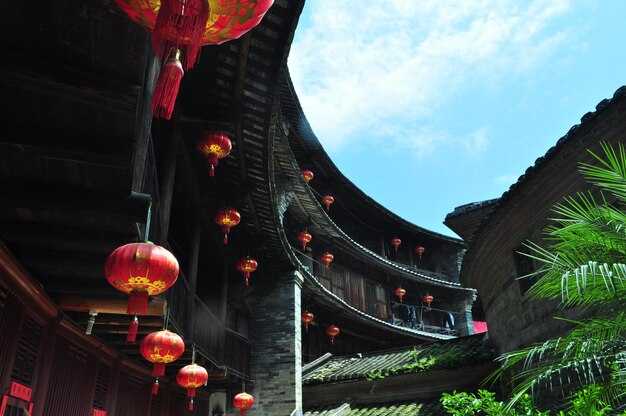
Begin your trip with a morning stroll along the Xiang River and a bowl of local spicy tofu for breakfast. The riverfront wakes in minutes, and you’ll feel the city’s friendly pulse as you start seeing street life unfold. This easy start places you in the right location to explore Changsha’s blend of ancient culture and modern energy, inviting their visitors to map their next stops.
Visit Yuelu Academy, perched on the foothills of Yuelu Mountain, a highly regarded centre for scholars and a must for understanding local learning traditions. The campus borders the Xiang River and links to Hunan University, making it a natural starting point for exploring the city’s culture and the manuscripts housed in nearby collections. From there, stroll to Orange Isle for river views and a sense of the city’s history; the promenade along the water extends for kilometers and connects several key sights.
Beyond museums, Changsha's energy shines in its markets and street food. In the baisha neighbourhood you can sample crisp rice cakes and chili-spiked snacks, while the shan district offers vendors serving hot pot and hand-pulled noodles. For a must bite, try stinky tofu and chili-marinated fish–fast, bold flavors that locals crave. there are tours of street cuisine you can join for a deeper look at ingredients and techniques.
The cultural centre of Changsha pulses through the year. The Hunan Provincial Museum houses one of the province's largest collections, with exhibitions featuring the Mawangdui manuscripts and other relics. Plan at least two hours to see core displays, then join a tour to get context about regional history. In mid-march the city hosts performances and tea ceremonies, presenting opportunities to engage with locals. there you can meet artisans and explore crafts at the city’s cultural centre.
Opening Hours, Tickets, and Practical Tips for Changsha's Happy Valley
Buy online tickets 1 day in advance to guarantee entry and skip lines; online passes available for a multi-day visit.
Opening hours run 09:00–21:00 most days, with last entry at 20:00; seasonal shifts occur during holidays, so always check the official site before you go.
Tickets and passes: standard day ticket ranges 180–240 CNY; weekends and holidays may reach 260 CNY; a 2-day pass runs around 320–380 CNY; children under about 1 meter enter free; groups or students can get discounts with valid ID; passes available online.
Where: Happy Valley sits in the southwest of Changsha near yanghu and is about 20–25 kilometers from downtown; to reach it, take a taxi (about 30–40 minutes) or use the railway/metro to the Meixi Lake area and walk 15–20 minutes.
Tips for the day: arrive early on weekends to avoid long queues; here's an idea: plan a long stroll through the northeast and southwest zones, while taking in the wall murals that make a great photo backdrop; wear comfortable shoes; staff at the information desks can help with maps and directions, and there are rides to choose from, especially for youth groups.
Food and rest: within the park you find a range of cuisine from local Hunan to traditional snacks; there are minority-themed stalls that offer unique bites; there are rest areas and nearby hotel options if you want a longer leisure stay after the visit; the area around yanghu provides extra dining choices.
Flights and accessibility: if you arrive by air, Changsha's Huanghua airport offers direct flights from many cities; from there you can take a taxi or rail link to the city center and continue to Happy Valley; there are convenient connections from downtown to reduce travel time.
Useful extras: the park highlights its achievements in safety and guest experience; there is a real sense of leisure here, and everything is designed for youth groups and families alike; downtown access is easy, while the southwest corner provides quiet views and kid-friendly zones, a nice balance for a complete day there.
How to Reach Changsha Amusement Parks: Public Transit, Taxis, and Parking
Recommendation: Take the Changsha Metro to Baisha Station, then walk about 600 meters to the entrance for a clear, relaxed start to your travel day.
Public Transit: Metro, Bus, and Walking
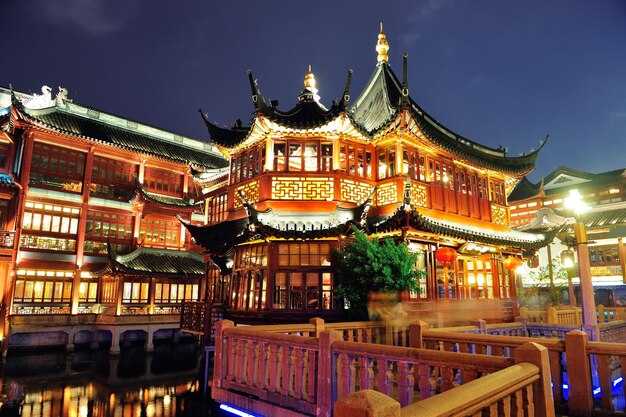
Metro lines 2 and 3 connect the citys core areas with the park districts, making the north entrances easily reachable without a car. Exit near the park gate and follow pedestrian signs to the main entrance, where you can swap walking feet for a faster stroll if you’re pressed for time.
If you prefer buses, several routes stop at the park gate, linking popular areas with the attraction loop. Use a transit app to see real-time arrivals and transfer options, then walk a short stretch along clearly marked pedestrian paths to the entrance.
For families traveling with childrens, a metro-and-walk combo often works best: quick rides, predictable schedules, and safe, well-lit sidewalks. The routes connect with Xinmin-area hubs, making it easy to plan a loop that includes a quick shopping break at a mall before or after the park visit.
Taxis, Parking, and Practical Tips
Taxis are widely available around the citys central districts; a typical ride to the park from Wuyi Square or other core hubs stays within a comfortable, meter-based range. Apps offering ride services can help you pick up near your hotel and set a pickup time to avoid delays during peak travel hours.
On-site parking usually includes a large lot near the north entrance with ample spaces for a day of sightseeing. Expect a day rate in a moderate range, and allow extra time on weekends or public holidays when lots fill up quickly. If the main lot fills, you can often use nearby mall parking attached to Baisha-area shopping centers, which keeps you within a short walking distance of the park entrance.
Tips to smooth your plan: start early to enjoy cooler temperatures and shorter lines, especially if you’re traveling with a group. Check the official источник for current entry points and any notices about renovations or lane changes that affect how you access the park. If you’re a relaxed traveler, pacing your day with a stroll through nearby areas–shoppers at the mall, and a quick bite of hunanese cuisines–adds a pleasant rhythm to the visit, while a Kong-themed ride or an emperor-inspired exhibit can become a memorable highlight for the avatar of your travel day. This approach works well for both locals and visitors from different parts of the state, including global travelers who are lucky to connect with Changsha’s culture and people.
Top Rides and Areas: Which Attractions to Prioritize for Different Age Groups
Begin with the Orange Isle along the xiang River; if you arrived in Changsha, this approach delivers a relaxed start before you dive into the city’s deeper culture. Walk through downtown to reach the Lushan foothills, then shift toward Yuelu Academy for a mix of history, scenery, and easy access to nearby cafés and views.
For families with young kids: plan about 90 minutes on the island and a quick loop around Lushan to keep lines short and energy steady. This is a safe, kid-friendly sequence with open greens, gentle rides, and chances to spot fish along the river. Snack stops are delicious here, featuring stinky tofu stalls and other local bites that little ones often enjoy. A pottery workshop after lunch adds a tactile moment without tiring the group.
For youth and teens: prioritize interactive shows, photo-worthy viewpoints, and activities that feel hands-on. In downtown and the Lushan area, you’ll find youth-oriented exhibitions and action-focused experiences that cut through crowds. Try Sichuan-inspired bites for a spicy break, and check out small clubs or pop-up gatherings where locals share music and culture after sunset.
For adults seeking culture and depth: this path emphasizes the rich side of Changsha: a memorial circuit around zedong-related history, followed by the Yuelu Academy complex with its long-standing achievements. Use maps to stitch a route that links the memorial sites with quiet courtyards, museums, and a craft corner featuring pottery. The cuisine scene in these streets blends traditional chinas flavors with modern twists, making each meal part of the experience rather than a sidebar.
For seniors and slower-paced travelers: choose a relaxed rhythm with a comfortable pace on Lushan’s easier trails and along the xiang River promenade. A shorter, secondary loop around downtown keeps you close to benches, shade, and easy-access rest stops. This relatively gentle itinerary still delivers scenic views, cultural touchpoints, and the chance to linger over local cuisine without rush.
Practical tips: plan by number of stops rather than a marathon stroll. Within the city, start early to minimize crowds and use maps to navigate each zone. Traveling with family means layering quiet cultural moments with lighter, delicious snacks so everyone stays engaged. Some days you’ll discover a new memory in a zedong memorial or a pottery studio, and other days you’ll simply enjoy the live shows and riverfront spirit that satisfy both youth likes and mature tastes. This plan also highlights how downtown, lushan, and xiang weave together, offering a cohesive Changsha experience that feels both rich and approachable.
Seasonal Planning: Best Times to Visit, Crowd Levels, and Weather Considerations
Visit in late March–April or September–November for the right weather, moderate crowds, and an incredible travel window on the mainland. This period keeps daily life in downtown Changsha comfortable as you explore classic dynasties-era sites, bamboo groves, and cultural museums with minimal interruptions. Think in terms of ideas rather than rigid plans, and you’ll have a smoother trip with fewer missed moments at key sites.
Best Times to Visit
- Spring (March–May): highs around 18–26°C, moderate humidity, and roughly 60–120 mm of rain per month. Perfect for Yuelu Academy, Tu-Su Street, and the bamboo-lined paths near Yuelu Mountain. Plan 60–90 minutes per site and target morning windows to beat heat and crowds; this is a great time for a right balance of indoor and outdoor Things to do.
- Autumn (September–November): highs about 19–25°C, lower humidity, 40–90 mm of rain. Ideal for long walks along avenues and riverbanks, with clearer skies and fewer visitors than peak spring days. A good window for photography from downtown viewpoints and riverfront promenades.
- Summer (June–August): highs 30–34°C, humidity 75–90%, frequent afternoon storms. Schedule outdoor visits for early morning or late afternoon; seek shade in parks and museums to avoid the bubble of heat, and rely on indoor sites for relief.
- Winter (December–February): lows 6–12°C, occasional drizzle. Quieter travel window with cheaper accommodation and quieter museums; excellent for focused visits to maos era relics and other national-focused exhibits without crowds.
Crowd Levels and Practical Tips
- National holidays and weekend peaks create a bubble of visitors at main downtown sites, including the pedestrian zones near Huangxing Road and Tu-Su Street. Book accommodation 1–3 months ahead and expect longer minutes in lines at popular sites.
- Weekdays beat weekends for shorter lines. Aim for 9:00–11:00 or 15:00–17:00 at major sites; this keeps you moving along the avenue and reduces wait times near iconic buildings.
- Site timing: plan 60–90 minutes per major site, with 20–30 minutes for photos and rest breaks. If crowds spike, switch to nearby markets or parks to maintain a steady daily rhythm.
- Accommodation and transit: choose central lodging near downtown or close to Tu-Su and Huangxing Road pedestrian zones to minimize transit time and maximize time for site visits. Foreign travelers often appreciate guided options for efficient itineraries; citizens can offer local tips to optimize your day.
- Weather readiness: carry a compact umbrella for moist days; pack breathable fabrics; winter travelers should bring layers and waterproof shoes; summer visitors need sun protection and plenty of water. Things to pack include a light rain jacket, a refillable bottle, and comfortable footwear.
- Local flavor and timing: you’ll feel daily life more vividly in markets, riverside paths, and museums. If you crave nature, slot in a riverside stroll and a walk through bamboo groves to see local species in action.
- Historical context: maos era relics and museums offer depth to the classic sites; allow a bit of time for museum windows and interpretive displays to enrich your understanding of dynasties and national history. The revolution era exhibits add context for both visitors and citizens alike.
- Practical idea: plan a two‑part day that combines a city walk along a busy avenue with a calmer site such as a temple or academy campus; you’ll balance crowds, scenery, and the right pace without rushing.
Food Nearby and On-Site Eats: Local Snacks, Meals, and Drinks to Power Your Day
Begin with a bowl of Changsha-style rice noodles from a street stall on Houjiatang; the fiery chili oil and pickled vegetables sharpen your senses and give you room to roam the city centre.
Along the avenue near Bowuguan, you’ll find regional bites: maos pickles, crispy dumplings, and spicy skewers. Ordering is quick–point to a photo, specify heat, and add a cucumber side; this helps adults and kids alike.
For a longer sit-down option, the hotel dining halls and on-site cafés offer Xiang-style classics: braised pork belly, smoked fish, and tofu with chili. If you need speed, grab a rice bowl or noodle cup at the counter and take it to your room to eat.
Drinks and snacks include a tea flight to sample three leaf profiles, hawthorn juice, and a warm soybean milk with fried dough sticks for breakfast. After the spicy bites, a cool barley tea refreshes your palate. This ends your morning rounds with a gentle finish.
Practical tips: plan a light schedule at the centre to enjoy several small bites; a stopover in Changsha makes sense if your route includes flights through the city. Buses connect the main streets; look for stalls with a cartoon avatar on the sign and a manuscripts menu near the counter for a playful touch.
источник Locals note these spots are a hub for regional flavors with enormous taste depth; the fare reflects both former industrial roots and modern menus, offering a diverse range of options for adults and kids alike.


