



 English (UK)
  Русский
  العربية
  日本語
日本語  한국어
한국어  Magyar
  Türkçe
  Español
  Čeština
  Svenska
  Português
  Ελληνικά
  Suomi
Suomi  Nederlands
  Română
  Italiano
  Français
  Polski
  Українська
  Deutsch
  简体中文
简体中文  Slovenčina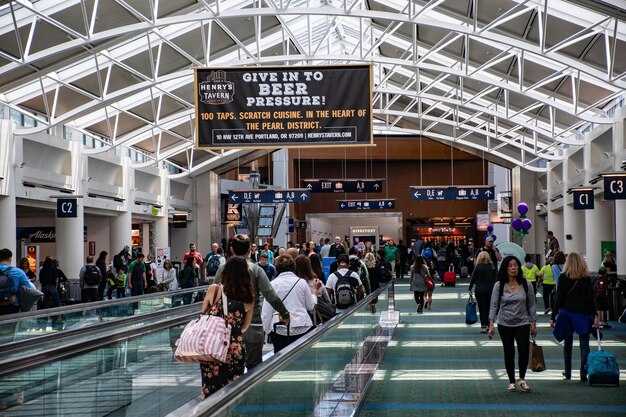

Recommendation: Book rentals and accommodations before you land at kansai International Airport, so you can open a smooth process and receive your baggage, taxis, or rail passes without delays.
At the artificial island, passengers find an efficient layout with clear signs. The terminal complex offers cafes and shops with services that accept major cards; the standard facilities stay clean, and the process to reach gates remains fast. theres a dedicated service desk if you need personal guidance, to ensure you move smoothly.
Transportation from kansai Airport offers only a few transfer options with trains, buses, and rentals for cars. The JR Kansai Airport Rapid and the Nankai lines reach central Osaka in 45–60 minutes; baggage carts help you move quickly, and cafes or lounges offer quick refreshment. Use whatsapp for live updates; these services help passengers manage transfers and receive fresh schedules.
Terminals and flights stay efficient with clearly separated zones for international and domestic traffic. Terminal 1 handles most routes, while Terminal 2 offers additional cafes and services for passengers who need a quick meal or last-minute baggage assistance. If you have a late connection, check the standard transfer times and ask staff to receive your boarding pass on the spot.
Travel tips include a practical idea to pre-book a rental car or shuttle, so you move immediately after landing. Use the whatsapp alerts for gate changes, and stay in accommodations near the airport if your schedule requires. theres no need to rush with baggage if you receive help from services in arrival. The overall flow remains easy for passengers and for folk traveling with kids or luggage on island grounds.
Flight Options and Airline Availability at KIX
For the broadest selection and reliable connections, start with Terminal 1 if you want major brands like JAL or ANA, then switch to Terminal 2 for budget-friendly options such as Peach Aviation and Jetstar Japan. The number of terminals at KIX is two, and interterminal transfers are easy thanks to a free shuttle that runs between terminals and key concourses.
JAL and ANA operate as the backbone of KIX’s international and domestic network from Terminal 1, offering frequent flights and strong alliance connections. Terminal 2 hosts the low-cost brands, which provide fast, value-focused services for short- and mid-range hops. Always verify your gate and terminal on the day of travel, as holiday periods and seasonal adjustments can shift times and lanes for security checks and boarding.
Airlines and Terminal Assignments
| Airline / Brand | Terminal | Service Type | Notes |
|---|---|---|---|
| Japan Airlines (JAL) | Terminal 1 | Full-service, international and domestic | Extensive network; check times and gate lanes; easy transfers to other flights via dedicated corridors. |
| All Nippon Airways (ANA) | Terminal 1 | Full-service, international and domestic | Strong partner connections; lounge access details vary by class; plan transfers with airport maps. |
| Peach Aviation | Terminal 2 | Low-cost, domestic and select international | Budget-friendly options; fast check-in; review baggage policies before arrival. |
| Jetstar Japan | Terminal 2 | Low-cost, domestic and some regional | Competitive fares; use the dedicated lanes for security and boarding; some routes are seasonal. |
Transfers, Services, and Shopping
Transfers between terminals are straightforward with the free shuttle linking Terminal 1 and Terminal 2, plus clear signage along each lane. KIX provides easy access to car rental and vehicle services, and a range of ground transport options including rail, taxi, and ride-hailing. Duty-free and tax-free shops are plentiful in international zones, offering brands across perfumes, cosmetics, and electronics, as well as a strong selection of souvenir items, sweets, and alcoholic options, including spirits. Some shops carry both alcoholic and non-alcoholic beverages, with details listed at each counter.
For holidays or peak travel periods, expect higher passenger volumes in the main halls, so arrive with enough time to navigate security checks and passport controls. If you have questions, theres a dedicated information desk near the main entrances, and many brands provide quick updates via whatsapp for flight changes or gate notices. A quick airport tour can be arranged at the information counter to familiarize yourself with the terminals and transfer routes, helping you move fast through security and into the boarding lanes.
Terminal Overview: Layout, Lounges, Services, and Arrival/Departure Areas
Plan your terminal visit by reviewing the terminal map before you arrive, and check the live flight boards on your phone to guide your steps, ensuring smooth orientation during transit.
The layout centers on a central hub with clear connections to each concourse, separate arrival and departure zones, and a south wing that concentrates transfer lanes. Characteristics include intuitive signage, wide walking lanes, and a smooth transition between flows; though peak times may feel busier, lane directions help you stay on track.
Lounges deliver high-quality comfort with ample seating, power outlets at most seats, and fast Wi‑Fi. Access counters placed near security and boarding zones guide you to the right lounge, available for every travel class, enabling you to relax before boarding another leg of travel; additionally, lounge hours are listed at the entrance so you can plan by preference.
Within the facility, you also find services that boost satisfaction: currency exchange, luggage services for lost-and-found or tag issues, shower facilities, and quiet rooms. Signage near each service counter helps you locate what you need before or during your stay.
Arrival areas align baggage claim, customs, and exit doors; luggage belts are labeled, with times posted near each carousel. Exits connect to pickup lanes and taxi stands, facilitating leaving the terminal with minimal steps.
During departures, you’ll encounter well-marked check-in counters, security lanes, and search-friendly zones. The boarding area is clearly signposted, with boarding groups announced and monitor displays visible from the approach to your gate, allowing you to proceed confidently again toward the seat.
Late-night options keep you comfortable after late flights: lighting is softened in public areas, staff desks stay ready, and dining or retail choices continue at practical hours; if you need a quick snack or a quiet corner, the south wing remains accessible for late-night mobility.
Before you leave, take a quick scan of the south-facing signs for your gate, then move along the area toward the boarding lane. The counters are ready to assist with luggage tags, boarding passes, and last-minute changes, helping you rack up travel satisfaction on your route.
Getting to and from KIX: Rail, Road, and Airport Transfers
Take the Nankai Rapi:t to Namba for the fastest, direct link to central Osaka; reserve a seat to secure comfort during peak holidays and arrive quickly with easy access to the city’s dining and nightlife.
Rail options
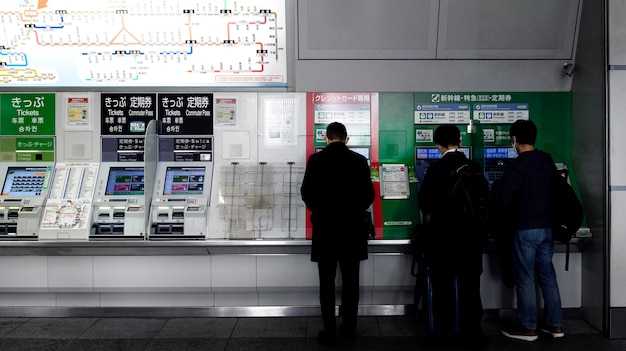
Rapi:t operates with frequent departures and delivers a premium, direct ride to the city in roughly 34–40 minutes. Trains run about every 15 minutes during the day, and fare starts around ¥1,430 for standard seats, with a reserved-seat supplement bringing the total toward ¥2,000 for a more comfortable cabin. After you arrive, follow clearly marked signs in the lobby to connect with the subway, JR lines, or taxi stands on the near floor. Although the process is simple, booking in advance can save time on busy days and during holidays.
For broader regional access, the JR West Kansai Airport Line offers direct service toward Osaka Station and Shin-Osaka, while the Haruka Limited Express serves Kyoto and Shin-Osaka with fewer stops. If you plan to reach Maizuru or other western coastal areas, ride to Kyoto or Fukuchiyama first and transfer to a local JR service. Источник: official KIX guides.
On arrival, the terminals provide clear wayfinding across multiple floors and lanes, with large, well-lit signs to help you orient quickly. You can relax in the lounges before your next leg, and the facilities near the lobby keep the transit flow smooth. To sample local flavor, consider enjoying takoyaki or okonomiyaki in nearby concessions before you depart the city’s western districts.
For larger groups or smooth connections to distant city areas, rail stays the simplest choice: it minimizes handling of luggage, reduces road congestion, and keeps you near the city’s core attractions and hotels. Even during busy periods, trains maintain a steady cadence, helping satisfaction stay high as you arrive ready to explore the city.
If you’re arriving with a preference for a refined look and comfort, a premium private rail transfer to a central hotel is possible via coordinated services at the lobby level, aligning with your orders and travel plans. Although it costs more than standard rail, many travelers find the enhanced space and quiet atmosphere well worth the upgrade, especially after long flights.
When discussing rail options with your travel party, consider the pace you want and your final destination within the city–this keeps the planning straightforward and reduces delays at the handling desk or on the platform. In busy seasons, sharing a quick plan with the staff in your preferred language helps ensure a smooth start to your stay near the city’s core districts.
If you’re arriving late or during peak holidays, rail services maintain reliable schedules and provide a straightforward route to central areas, leaving you with more time to relax once you reach your hotel or first dinner venue in the city.
For travelers traveling with a large amount of luggage, rail stations offer efficient baggage handling with dedicated areas and carts, helping you move from the terminal to the platform with minimal effort and keeping the flow comfortable for all passengers.
If you want a stylish start, you can arrive by Alphard‑style private transfer from the lobby to your hotel; it’s a popular choice for those seeking a premium experience and direct control over the floor plan of their transfer, with generous space for gear and even a quiet moment to relax before the next leg of your trip.
During holidays, rail schedules remain robust, and the city’s routes to the western prefecture and beyond stay well balanced against road traffic. If you’re exploring Matsue, Maizuru, or other western corridors, your rail plan can be adapted to meet hotel check-in times and dining reservations in the city center, ensuring a smooth sequence of arrivals and departures.
The rail network around KIX also serves as a fast route to major night markets and dining streets where you can sample local specialties like takoyaki and okonomiyaki before returning to the hotel, a small but satisfying detail for travelers seeking a hands-on taste of the western city vibe.
To stay informed, check the official site before departure for any schedule changes or platform updates, and keep an eye on the lobby boards for near-term platform assignments–this keeps your arrival flow calm and ensures you reach your first stop quickly and calmly.
Its clear layout, floor-by-floor signage, and the near-lobby access to trains mean you can handle the transfer with confidence, even if you’re visiting KIX for the first time. Large crowds don’t have to derail plans; a practical rail plan keeps your transit simple and your trip feeling premium from the moment you land.
If you’re heading west toward Maizuru or other coastal towns, your plan can include a rail leg to Kyoto or Fukuchiyama, followed by a regional service for the final hop–this approach minimizes road time and makes the most of the region’s efficient train lanes and schedules.
источник: official KIX guides.
When you have a clear rail plan, you can arrive in the city in time to enjoy a relaxed evening stroll, a quiet lobby moment, or a casual bite of fresh street food near the station, keeping your momentum and satisfaction high as you begin your stay.
okonomiyaki and takoyaki are popular post-arrival picks that pair nicely with a short ride to your hotel or a quick stroll to a nearby chef’s street, letting you start with a small, tasty win before diving into a full day of adventures in the city.
Check-in, Security, and Baggage: Timelines and Practical Tips
First, arrive at least 3 hours before international departures and use online check-in to download or load your passes; this article will guide you to a fast, smooth start to your airport adventure at KIX and connect you with the world.
Timelines you can rely on
- International departures: check-in opens about 3 hours before departure; counters close 60 minutes before; security screening typically begins 30–60 minutes before the scheduled departure; baggage drop is usually open until 60 minutes prior.
- Domestic flights: plan to arrive about 2 hours before departure; check-in closes around 30 minutes before takeoff; security lines operate similarly; baggage drop closes about 30–60 minutes before departure.
- General guidance: arrive earlier during peak seasons or on holidays; allow extra time if you have special needs or are traveling with children; completed check-in speeds up the process when you have your tickets and ID ready.
Practical tips for a smooth process
- Online check-in and mobile boarding passes: use them whenever possible; this can save you time at the counters and you can proceed easily to security with your code and tickets ready.
- At the counters and baggage drop: verify your airline’s baggage policy; label bags with name and contact details; allow extra time for overweight or multiple bags; if you have a lot of gear, use the luggage handling counters early to avoid delays.
- Security preparation: keep liquids in containers under 100 ml, placed in a single transparent bag; remove laptops and large electronics from bags and place them in the tray for screening; remove belts or bulky items if required; follow staff instructions to speed up handling.
- Special assistance and language: staff at official information counters speak several languages and can guide you; tell them your needs, and they will help you.
- In-terminal options after security: explore shopping, dining with regional flavors, and quick tours or experiences; many shops offer samples and free Wi‑Fi to plan your moves with your travel companions.
- From umeda or nearby areas: plan rail or bus connections ahead, check train times, and leave buffer time for transfers; signage and staff help you navigate efficiently.
- Ticket handling and codes: keep boarding passes and flight codes handy; if you need to reprint, use self-service kiosks or mobile passes; this makes the process quicker and helps you stay on schedule.
- Overtime and comfort: after security, head to your gate promptly but take short breaks in comfortable seating areas if you need to recharge; shopping areas and lounges provide fast options to relax before boarding.
- Customers with needs: use assisted service counters as needed; staff can speak multiple languages and will guide you through every step of the process.
Travel FAQs: Visas, Wi-Fi, SIMs, Money, and Customs at KIX
Grab a SIM or portable Wi‑Fi in the arrivals hall within minutes of landing to stay connected for maps, taxis, and check-in planning. With reliable coverage, you enter the city smoothly and avoid roaming charges, giving you a perfect start and memories of your first moments in Kansai.
Visas and Entry
Whether you travel on a visa or under visa exemption, verify rules before departure with the Japanese Ministry of Foreign Affairs or your home consulate. For country‑specific requirements, check the embassy page for your nationality and airline restrictions. If a visa is required, complete the application well before departure; upon arrival at KIX, present your passport and any documents at immigration to enter smoothly. The process is based on your nationality and purpose; bring hotel details and a completed itinerary to speed things up.
Upon entry, you’ll head to immigration, then baggage claim. If you’re planning a regional tour around Osaka, a lightweight haori keeps you comfortable in changing weather, and is easy to pack for later spontaneity. Early preparation helps you bypass queues, and for some nationalities you can rely on a visa exemption, which saves time at the desk.
Connectivity, Money, and Customs
Wi‑Fi in terminal areas usually includes free basic access, with paid extensions for higher speeds. For more reliable coverage, rent a pocket Wi‑Fi or buy a local SIM from counters in the arrivals hall. When selecting a plan, compare data limits, validity, and whether the option covers Osaka’s region; discounts often appear for multi‑day rentals, so you can pair connectivity with a smooth tour schedule.
Money matters: use currency exchanges in the arrivals area or ATMs in the terminal to withdraw yen; most shops accept credit cards, but small eateries and taxis may prefer cash. Bring enough cash for transit and casual purchases, then top up as needed. Look for transparent rates and avoid booths with hidden fees; some exchanges offer discounts when bundled with other services or rentals.
Customs: declare items per your country’s rules; when in doubt, declare and let the officer advise. Keep receipts for high‑value purchases, and note region‑specific items you bought during your stay. Staff at KIX can explain dialect nuances and point you to nearby restaurants where you can savor a local meal, making the whole process feel straightforward and welcoming as you begin your Kansai adventure.
Comments